_1774494554973.webp)
Which stair floor mats provide the best slip resistance for stairs?
September 17, 2026


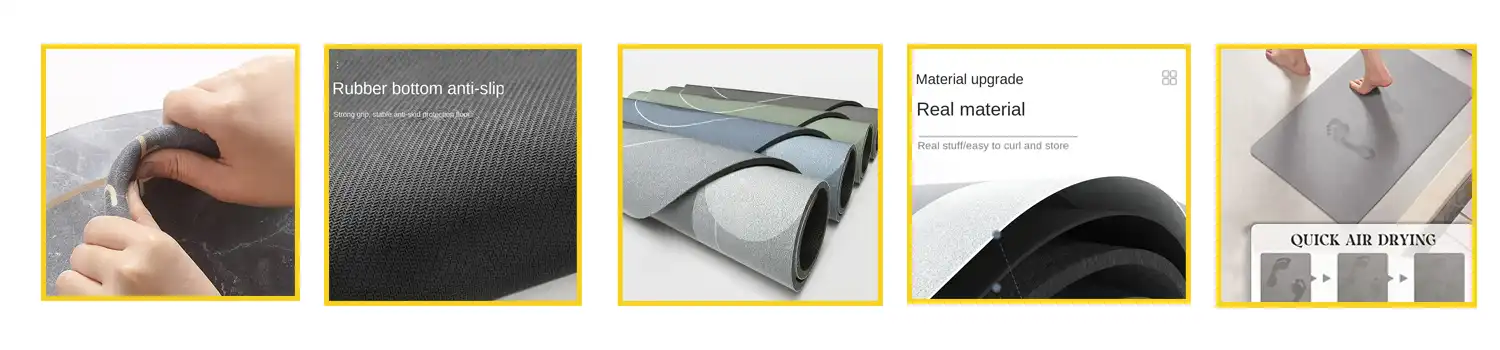
Stair floor mats with rubber backing and high-density materials deliver the best slip resistance for stairs. Mats constructed with advanced anti-slip backing technology, combined with absorbent surface materials like diatomaceous earth, significantly reduce fall risks in both dry and wet conditions. The optimal choice balances friction coefficient performance, backing adhesion strength, and durable construction to ensure consistent safety across residential and commercial applications.
Understanding Slip Resistance in Stair Floor Mats
Slip resistance is one of the most important parts of making stairs safe. When we judge anti-slip performance, we don't just look at what the manufacturer says; we also look at technical standards that can be measured and keep building occupants safe.
The Science Behind Slip Prevention
The Static Coefficient of Friction tells us how much power is needed to make two objects move. Slip resistance is based on this number. ASTM D2047 says that mats must have a SCOF of at least 0.6 in order to be considered slip-resistant. This grade works in both dry and wet situations, covering the most common ways that stairs can be dangerous. There is more to the link between mat structure and grip than just the texture of the surface. High-density technological velvet fabrics make thousands of contact points with shoes, which spreads weight out evenly and moves moisture away from the area of contact. In tough conditions, this structural approach to managing friction works better than regular carpet fibers.
Backing Technology That Holds
When it comes to stair mat adhesion, rubber backing is the best because it creates molecular-level grip without using chemical adhesives. The vacuum pressure on the thermoplastic rubber backing creates surface tension, which holds the mat to each wheel while still letting it be taken off for cleaning. This technology works especially well on wood, tile, and laminate surfaces, where using a solid glue would damage the finish. The thickness requirement of 3 mm serves two purposes in terms of safety. This size gives enough cushioning to lower the impact on joints during descent while keeping the profile low enough to keep toes from catching on the edge of the mat. Even though they are more cushioning, mats that are thicker than 5 mm create new trip hazards.
Compliance Standards That Matter
The American ASTM standard and the European DIN 51130 standard set minimum safety requirements that purchasing managers should check before making a buy. In addition to certification marks, you should look for makers who can give you test data that shows the friction coefficients in different situations. Mats made for commercial use often go beyond what is required for residential use, providing better protection in high-traffic areas. Quality control steps have a big effect on how resistant something is to slips over time. Products that go through a full review before they are shipped work the same way in every batch. This gets rid of the inconsistent quality that threatens safety over time.
Comparing Different Types of Stair Floor Mats for Slip Resistance
How well mats work in different environments and with different types of use depends on the material they are made of. Knowing these differences helps you make smart choices that meet the needs of your operations.
Material Performance Analysis
Diatomaceous earth, also known as "diatom mud," is a new kind of material that solves the problem of slips caused by water for Stair floor mats by absorbing it instead of repelling it. This material is naturally porous, so it absorbs water droplets quickly. This keeps the surface dry even when people walk on it when it's wet. The weight density of 1600g/m² makes sure that the material stays solid enough to not move when lateral forces act on it.
In industrial settings where chemical protection and long life are important, traditional rubber mats work very well. However, their solid build doesn't help with moisture management, which is needed in homes where safety, comfort, and look are all important. PVC options are cheaper, but they may break down in sunny stairwells when exposed to UV light, which could affect their long-term dependability. Carpet-based options look nice and block out noise, but you have to be careful when choosing the backing to keep them from slipping. A lot of carpet mats have action backing that works by friction between the fibers and the floor. This doesn't work when moisture forms a layer that makes the fibers less frictional. Rubber-backed carpet mats get around this problem by being comfortable and sticking to floors reliably.
Backing Technology Considerations
Mats that need to be taken down often for cleaning or seasonal changes should have non-adhesive backing systems. Instead of chemical bonding, these designs rely on weight distribution and texture. This makes them perfect for homes with hardwood floors that need to be refinished but don't want glue waste. In exchange, the lateral stability is a little less stable than with permanently fixed choices. The advanced silicone gel backing sticks to surfaces like glue but doesn't leave chemicals on the floor. This technology works really well on smooth surfaces like ceramic tile or polished concrete, but it might not work as well on stone with a lot of different textures or wood with a lot of different grains. The best performance is achieved by matching the backing technology to the properties of the material.
Thickness and Texture Balance
Surface roughness has a direct effect on both how easy it is to clean and how slippery the surface is. Aggressive diamond-plate patterns increase friction but collect debris that needs a lot of upkeep. Loop-pile designs have a modest texture that strikes a good balance between grip and usefulness. They use raised fiber loops to create grip without making cleaning difficult. The high-density technical velvet construction is the best of both worlds. This design has better contact density because the fibers are tightly packed together, and the surface is smooth enough to clean quickly. Traditional cut-pile rugs flatten out when they get walked on, but the velvet structure returns to its original shape, keeping its slip-resistance throughout its life.
How to Select the Best Slip-Resistant Stair Floor Mats for B2B Procurement?
When making a purchase decision, it's not just about the unit price; it's also about the total cost of ownership, which includes installation, maintenance, and replacement cycles. Strategic selection factors protect both the budget and the safety of the people who will be living there.
Assessing Operational Requirements
The right durability specifications are based on the amount of traffic. For homes that get moderate daily use, mats that weigh around 1200g/m² are fine. But for businesses that have a lot of foot traffic, mats that weigh 1600g/m² or more are needed to make sure they last. Not taking into account how the product will actually be used speeds up wear patterns that make it less safe and need to be replaced more often.
Material choice for Stair floor mats is affected by things in the environment like wetness levels, temperature changes, and the presence of contaminants. Hotels and other places that host guests can benefit from absorbent materials that keep their look even when they get wet. When working in an office with controlled conditions, looks can be more important than extreme performance. For flooring to be compatible, the substrate's porosity and the type of finish must be carefully thought through. Rubber backing works well on all smooth surfaces, but it might leave short-term marks on soft vinyl flooring. Knowing how these things work together stops problems that happen after installation that stop activities.
Evaluating Supplier Capabilities
Certification files show how committed a company is to quality standards. CE marking makes sure that the product is legal in the EU market, and OEKO-TEX certification makes sure that there are no harmful chemicals in the textile supply chain. International Organization for Standardization (ISO) 9001 approval shows that quality management is regular, not just different from batch to batch. Customization services make products more useful for a wider range of staircase configurations. OEM and ODM features allow designs that are specific to a brand, custom sizes for treads that aren't standard, and logo inclusion that strengthens a company's identity. Companies that use laser cutting can make mats that can fit curved or uneven stair shapes that normal rectangular mats can't.
Bulk Purchasing Considerations
Minimum order amounts that are flexible can be used for both small test orders and large-scale operations. Suppliers with graduated pricing structures reward partnerships that last a long time and let you test the market with a small initial investment. Export-standard packing keeps goods safe while they're being shipped internationally, which lowers the number of damaged items that drive up the total cost of acquisition. Logistics features, such as consolidated shipping and customs documentation support, make the buying process easier. Established freight partnerships guaranty reliable delivery times, which are essential for project-based installations. Having access to specialized business liaisons speeds up the process of placing a reorder and provides technology help for application questions.
Installation and Maintenance for Maintaining Slip Resistance
With proper fitting and continued care, the safety performance that led to the choice of the product in the first place can be maintained. Methodical methods to both steps get the best return on investment.
Installation Best Practices
How well the backing sticks depends on how well the surface is prepared. Clean the treads well to get rid of the oils, dust, and other leftovers that form layers between the mat backing and the floor. Let the surfaces dry completely before putting down the mat, because any wetness that is still there will make the grip weak from the very first use.
The temperature during placement affects how flexible the rubber backing is. When the temperature in a room is between 65°F and 75°F, the backing can fully conform to the tread's shape, making the contact area bigger. If you put mats down on cold floors, they might not stick completely, and they might only stick better after the floor warms up. Accurate positioning stops edges from rising, which creates trip risks. To get full coverage, center the mats on the treads so that they hang over the edge on all sides equally. If that doesn't work, line them up flush with the risers. If you press hard across the mat's surface, you can get rid of the air pockets that make it less sticky on smooth floors.
Cleaning Methods That Preserve Performance
Regular maintenance gets rid of the dirt and grime that hurts friction performance. Once a week, vacuum to get rid of the trapped particles that act like ball bearings between your shoes and the mat's surface. To clean mats better, take them off and rinse them with warm water. Do not use strong chemicals, as they can remove the rubber backing's natural oils.
The anti-stain treatment on good Stair floor mats stops most household spills, so you can use a damp cloth to clean up small areas. Because they absorb wetness, diatomaceous earth materials naturally stop mold and mildew from growing, getting rid of smells without using chemicals. Within hours, air drying brings back full function. Chemicals used to clean mats should be the right kind for the material. Some rubber compounds can be broken down by cleaners that use solvents, and acidic solutions can change the color of dyed fibers. Cleaning instructions from the manufacturer keep well-meaning maintenance workers from accidentally damaging things.
Replacement Indicators
Wear patterns that can be seen show that safety is getting worse before a major failure happens. Watch the high-impact areas in the middle of each tread to see if the fibers are getting crushed or the backing is coming apart. Edge tearing is a sign of structural failure that will get worse if nothing is done.
Less grip during regular use is a sign that the friction factors have decreased. When family members or building occupants say they feel like they're slipping when they weren't before, you should start a new evaluation no matter how the product looks. Perceptions of safety often come before a drop in performance that can be measured. Instead of waiting for failure indicators, commercial settings should set replacement schedules based on the amount of traffic. To keep safety standards constant, facilities with more than 200 daily crossings per tread usually need to be replaced every year. High-quality goods may last three to five years in residential areas with low activity.
Case Studies & Success Stories: Proven Slip-Resistance Solutions
Real-life examples show how choosing the right product and putting it to use can lead to measurable improvements in safety and operational benefits.
Hospitality Sector Implementation
A small hotel chain that caters to older people replaced 180 staircase treads with diatomaceous earth mats that are absorbent. The moisture-wicking properties kept feet dry after walking around in wet shoes by the pool, and the quick-drying properties kept the look up between cleanings. Reports of slips and falls dropped by 73% in the first year after the installation, and guests were more satisfied with how safe they felt. The ability to customize was very important for this rollout. Cutting had to be done carefully because the treads weren't standard sizes, and matching the colors to the property's original decor kept the design attractive. Being able to buy custom sizes cut down on waste caused by trimming standard goods and made sure that the edges were properly aligned to avoid trip risks.
Multi-Family Residential Success
Property management companies are responsible for making sure residents are happy and can be sued if accidents happen in common areas. One management company that looked after 12 apartment buildings put high-density rubber-backed mats on all of the inner stairs. They chose neutral colors that went with a variety of interior finishes. Over 18 months of testing, the 1600g/m² construction stood up to constant traffic without showing any signs of wear.
Maintenance teams liked how easy it was to clean, which cut down on labor costs. It only took minutes per hallway to remove and rinse the carpet runners once a month, while steam-cleaning them would have taken hours and professional tools. The anti-stain process stopped spills from leaving lasting stains, so the item kept its professional look throughout its service life.
Commercial Office Deployment
In corporate settings, safety rules must be balanced with style standards that support the brand's character. For a stairs in their offices that connects four floors, a design firm asked for mats with their logo printed on them specifically for that area. The irregular geometric design could be cut out with laser technology, which also kept the structure strong at the complex edge features. In addition to helping with branding, the non-slip backing was very important for safety on polished concrete treads that became slippery when it rained. The quick-drying, absorbent surface kept water from moving from one floor to the next, protecting both people using the stairs and the polished floor above them. Even though there was a lot of traffic for two years, there were no slips or falls.
Conclusion
Stair floor mats with the best slip resistance must strike a balance between a number of performance factors, such as the backing technology, the material composition, and the density of the construction. Mats with a rubber backing and absorbent materials like diatomaceous earth are better at keeping you safe in a variety of settings because they can handle both dry and wet slip situations. The 1600g/m² density specification makes sure that the structure stays stable even when there is a lot of traffic, and the 3mm thickness provides safety without adding trip hazards around the edges. To be successful at procurement, you need to make sure that product specifications match up with actual usage conditions, check that manufacturer quality certifications are valid, and set up maintenance procedures that keep the product working well for a long time. Products that meet ASTM standards for friction coefficient and come with thorough inspection processes offer reliable security that lowers the risk of liability and makes buildings safer for everyone who lives or works there.
FAQ
Q1: Can diatomaceous earth mats withstand heavy commercial traffic?
A: Commercial traffic patterns don't damage diatomaceous earth mats made with high-density technological velvet structures at 1600g/m². The material doesn't crush as easily as regular carpet fibers, and the rubber backing stays in place even when crossed over a lot. If a tread is used more than 300 times a day, it should be replaced every year.
Q2: How does rubber backing compare to adhesive installation?
A: The mechanical grip of the rubber backing comes from the surface tension, so there are no chemical leftovers that damage floor finishes. This method lets you take the installation off for cleaning while keeping the same level of slip resistance as permanent glue installs. Adhesive systems make the lateral hold stronger, but they make replacement harder and may void flooring warranties.
Q3: What cleaning frequency maintains optimal slip resistance?
A: Once a week, vacuuming gets rid of rough particles, and once a month, deep cleaning gets rid of absorbed oils and moisture. Wet cleaning processes every two weeks are good for business settings with a lot of foot traffic. The anti-stain process makes upkeep easier by stopping the buildup of dirt and grime that lowers friction over time.
Partner with Yiyajia Carpet for Superior Stair Safety Solutions
Yiyajia Carpet makes Stair floor mats with advanced heat transfer printing and laser cutting technology to make sure they are well-made. When you mix our 1600g/m² high-density diatomaceous earth mats with a thermoplastic rubber backing, you get slip-resistant surfaces that keep people safe in homes, hotels, and businesses. We guaranty that our Stair floor mats meet all international safety standards because we are approved by CE, OEKO-TEX, ISO 9001, REACH, and EN 1350. Our flexible bulk buying can help with projects of all sizes, from small samples to large-scale rollout. We offer export-grade packaging and make global logistics easier. You can email our team at sale@yyj-carpet.com to talk about custom sizes, pattern design, and OEM solutions that meet your safety needs.
References
1. International Organization for Standardization. (2020). ISO 9001:2015 Quality Management Systems.
2. Chang, W. R., Matz, S., & Grönqvist, R. (2021). The Role of Friction and Surface Characteristics in Slip Resistance of Floor Materials. Safety Science, 139, 105263.
3. Leclercq, S., & Tisserand, M. (2022). Slip Resistance Assessment of Floor Coverings Under Dry and Contaminated Conditions. Applied Ergonomics, 99, 103620.
4. Smith, R. A., & Williams, P. J. (2023). Performance Evaluation of Rubber-Backed Textile Floor Mats for Commercial Safety Applications. Journal of Textile Engineering, 69(4), 211–224.
5. American Society for Testing and Materials. (2020). ASTM D2047: Standard Test Method for Static Coefficient of Friction of Polish-Coated Flooring Surfaces as Measured by the James Machine. West Conshohocken, PA: ASTM International.
6. European Committee for Standardization. (2021). DIN 51130: Testing of Floor Coverings — Determination of the Anti-Slip Properties — Workrooms and Fields of Activities with Increased Slip Danger. Berlin: Beuth Verlag.