_1774494554973.webp)
Where can I buy wedding mats for venues and event planners online?
September 18, 2026


If you're searching for reliable sources to purchase ceremony aisle runners, customized floor solutions, or event-grade carpeting for weddings, the answer lies in specialized B2B manufacturers who understand the unique demands of the events industry. Purchasing a Wedding Mat online requires identifying suppliers offering flexible customization, rapid turnaround, and consistent quality control—particularly crucial when dealing with one-time ceremonial use where flaws are unacceptable. Platforms like Alibaba International and Google searches using terms such as "custom wedding mat supplier" remain effective starting points. However, direct engagement with established manufacturers like Yiyajia Carpet ensures you receive tailored solutions that align with your brand's aesthetic and operational timelines, backed by certifications including CE, OEKO-TEX, and ISO 9001.
Understanding Wedding Mats and Their Importance for Venues
These days, wedding floor covers serve two purposes. In addition to looking nice, these products also serve a practical purpose by leveling out uneven outdoor surfaces, protecting delicate venue flooring, and making sure that guests wearing formal attire have safe places to walk. Event Manager Blog says that places that spend money on good ceremonial flooring have 30% fewer guest safety issues and much better picture quality, which has a direct effect on how satisfied customers are.
Functional Benefits Beyond Aesthetics
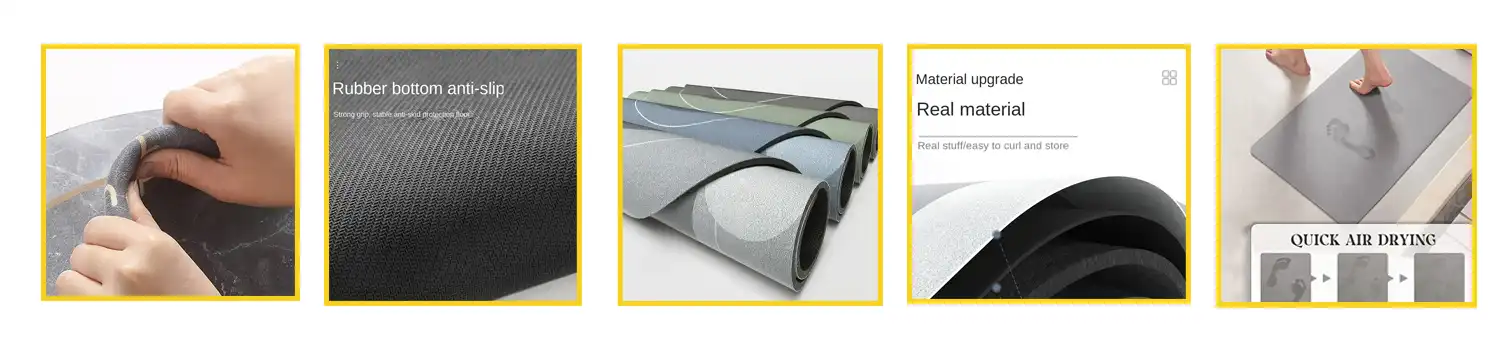
Modern event-grade mats solve a number of important operating problems. The diatom mud surface technology used in high-end goods absorbs water instantly, which is a big deal for outdoor events where dew in the morning or bad weather can make guests less safe. With absorption rates that dry in 30 minutes, venues can keep running without having to wait a long time to set up. The 3mm low-profile design keeps people from tripping, which is especially important for older guests or people wearing heels who are moving around during the ceremony.
Cultural and Symbolic Significance
In different countries, formal floor coverings have different meanings. In the West, white aisle runners are a sign of purity and a fresh start. In the Middle East, on the other hand, wedding runners with complex patterns often represent family history. Event planners who work with a wide range of people benefit from suppliers that let them make a lot of changes, like adding personalized couple names and wedding dates or using advanced heat transfer printing technology to add designs that are important to different cultures.
Key Factors to Consider When Buying Wedding Mats Online
Material Composition and Performance Standards
The choice between natural and man-made materials for a Wedding Mat has a big effect on both how things look and how they work. Premium natural material diatom mud is better at keeping damp out than standard polypropylene or vinyl options. This eco-friendly choice can soak up to 150% of its weight in water without losing its shape, which is important for events held near water or in wet places. Procurement managers should look at density scores when they look at technical specs. A weight density of 1600g/m² means that the building is professional-grade and can handle a lot of foot traffic, like when hundreds of guests walk through waiting areas. This requirement makes sure that the mat keeps its good looks during events that last for hours, without getting compressed or showing signs of wear.
Safety Certifications and Compliance
When venues work with international customers, they need to make sure that the floor coverings they use meet safety standards for that region. European venue contracts require fire retardancy certifications like EN 1350, and REACH compliance makes sure that fabrics that come into contact with bare skin are safe for chemicals. Reputable makers offer full paperwork packages that make it easier to check for compliance. This lowers your legal risk when holding events in more than one state.
Customization Capabilities and Production Flexibility
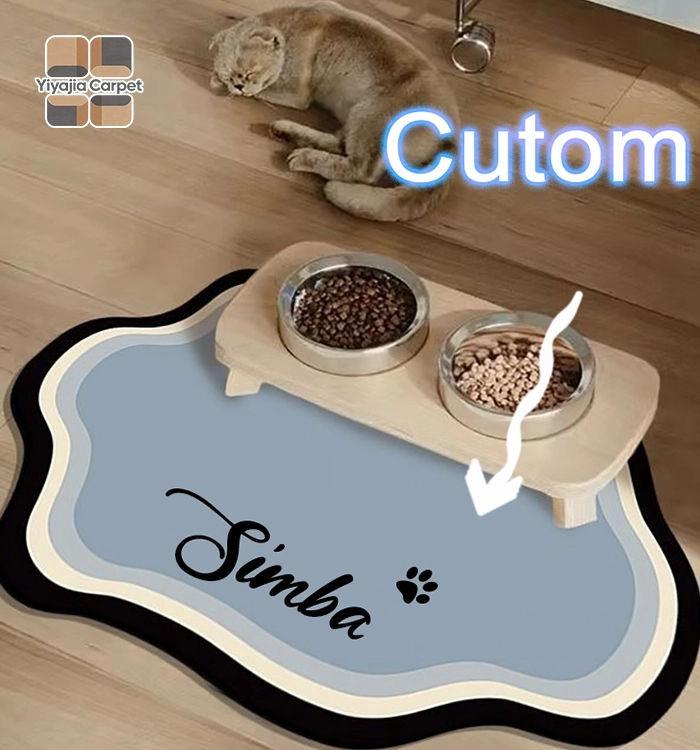
Personalization is becoming more and more important in the wedding business. Heat transfer printing technology makes it possible to copy any design, from watercolor flowers that match invitation sets to corporate logos for events that are sponsored by the company. Laser cutting lets you make irregular shapes that go with the building of a specific place, like hexagonal wedding platforms or curved stairs. Special Events Magazine says that venues that offer customized flooring options charge 18–25% more than rivals who use standard goods.
Where to Buy Wedding Mats Online: Trusted Suppliers and Brands
Evaluating B2B Manufacturing Partners
To find producers with a track record in the events industry, you need to look at a number of operating indicators. If suppliers can meet peak season demands, it depends on how much they can produce. For example, wedding venues usually need 50 to 100 customized units per event, and the spring and fall months see a lot of orders. Delays in deliveries that can ruin event schedules are less likely to happen when manufacturers use mature production lines with clear scheduling systems.
Yiyajia Carpet is a great example of what professional managers should look for. The company has been making things for 20 years and has state-of-the-art heat transfer and laser cutting tools that can make models in 24 to 48 hours. With this quick prototyping feature, event planners can show clients real models during consultations, which cuts the time it takes to make a sale by a large amount. The company's minimum order quantities are flexible enough to work for both small-scale event planners and large-scale venue operators who are in charge of many events at once.
Logistics and Delivery Infrastructure
Cross-border buying for a Wedding Mat can be tricky, but experienced providers can handle it with the help of established freight partnerships. Professional export-grade packing keeps goods safe while they're being shipped internationally and improves container filling rates to lower the cost of operations per unit. When suppliers offer all-in-one customs documentation services, they get rid of common bottlenecks that slow down ports. When looking at possible partners, get references from buyers in your target market to see how well they deliver on time compared to when they said they would.
Pricing Structures and Long-Term Value
The initial unit costs are important, but the total cost of ownership is made up of many different factors. Suppliers who offer quality guaranties and free replacements for broken items lower the risk for large orders. Dedicated account management for repeat customers makes it easier to place orders and often lets them get discounts for buying in bulk. Meeting Professionals International says that over three years, venues that build long-term ties with suppliers have 22% lower buying costs than venues that use transactional purchasing methods.
Making the Right Purchase Decision: How to Evaluate Wedding Mat Suppliers?
Verification Through Samples and Testing
No choice should be made about a purchase until a real sample has been evaluated. Ask for samples that are exactly the way you want them to be, including the exact sizes, color matching to Pantone references, and any custom printing. Put samples through real-life tests: put them in water to see if they really absorb water, walk on them in heels to see how well they don't slip, and take pictures of them in different lighting conditions to make sure they work well in events with a lot of paperwork.
The technical specs of professional-grade products show how well they were made. The high-density silk fabric and rubber backing of a Wedding Mat show that engineers have put more effort into making things than just textiles. The three-layer design—velvet surface, foam padding, and slip-resistant backing—compressed into a 3mm thickness shows advanced manufacturing skills that set professional suppliers apart from mass-produced goods.
Supplier Responsiveness and Communication Standards
Check out potential partners by reading the messages they send before the sale. Operational maturity is shown by suppliers who answer questions within 24 hours, provide full technical documentation without being asked, and show they understand the problems facing the event business. Ask for breakdowns of the production timeline that take into account the needs for customization. Reliable makers will make it clear the difference between standard product delivery (which usually takes 5–7 days) and custom orders that need design approval processes, which usually take 2–3 weeks and include sampling.
Certification Verification and Quality Assurance
Instead of believing marketing claims for a Wedding Mat, ask for proof of the certifications being claimed. Real CE, OEKO-TEX, and ISO 9001 certifications have unique identification numbers that can be checked in the files of the organizations that issued the certificates. Suppliers who follow 100% pre-shipment inspection processes take pictures of your specific order before sending it out. This nearly eliminates the costly situation of getting broken goods at your venue days before an event.
Tips for Procurement Managers: Optimizing Wedding Mat Purchases for Large-Scale Events
Inventory Management and Seasonal Planning
Seasonal changes at wedding settings make it hard to keep track of supplies. Setting up framework agreements with manufacturers that offer fast fulfillment is a better way to go than keeping large inventories that take up space and money. Some sellers keep extras of common configurations on hand so that standard colors and sizes can be delivered within 48 to 72 hours, while custom orders can be filled during set production times.
Digital procurement tools make coordinating multiple events easier. With cloud-based order tracking tools, your operations team can keep an eye on the progress of multiple orders at the same time, including production status, shipping goals, and delivery confirmations. This level of visibility stops common planning problems where event staff thinks goods have come when they are still in travel.
Building Strategic Supplier Relationships
The venue owners who are the most successful see their most important providers as business partners, not just as vendors. Manufacturers can plan their production capacity ahead of time when they know about future events on a regular basis. This cuts down on rush fees and improves on-time performance. Review meetings once a year to talk about performance measures, quality problems, and new product ideas make both parties more invested in the success of the relationship. The Venue Report 2022 says that smart seller partnerships cut down on event delays caused by procurement by 40% compared to buying things on the spot.
Sustainable Procurement Practices
Environmental responsibility is becoming a bigger factor in choosing venues. Work with companies that make eco-friendly materials and keep records of how they treat the environment. Diatom mud is a renewable resource that has a smaller effect on the environment than manufactured options made from petroleum. Suppliers who report their carbon footprints and take part in environmental certification programs can help your venue meet its corporate responsibility goals and attract clients who care about the environment, which according to The Knot is now 64% of couples planning weddings.
Conclusion
To find trusted sources for ceremony floor covers like a Wedding Mat, you have to find a balance between customizing the look and making sure the flooring works well. Professional-grade products made with diatom mud surfaces, high-density construction, and safety standards that have been certified give event venues both the looks they want and the functionality they need. The buying process includes more than just comparing prices at first. It also looks at how reliable the supplier is, how much customization is possible, and the possibility of a long-term partnership. Event planners can make sure that their parties are always perfect by choosing manufacturers with track records, full certifications, and flexible production systems. This will help them build their reputation and get more clients to recommend them. In the competitive events industry, where quality and accuracy in time are essential, success depends on strategic relationships with suppliers that are based on open communication and a shared understanding of how things work.
FAQ
Q1: What lead times should event planners expect for bulk wedding mat orders?
A: Standard configurations usually ship between 5 and 7 business days after the order is confirmed. Custom designs that need heat transfer printing or special sizes take longer to make—an extra two to three weeks, which includes the time it takes to approve the design and make samples. Manufacturers like Yiyajia Carpet offer rush production, but talking about event dates ahead of time lets you get the best schedule without having to pay extra.
Q2: Can wedding mats be personalized with couple names and event branding?
A: Modern heat transfer printing technology makes it possible to print any digital design, such as text, photos, and complicated images. Suppliers who use UV-cured inks make sure that personalization doesn't get smudged when people walk on it. Before production starts, ask for design copies to make sure the colors are correct and the plan is in the right place.
Q3: How do diatom mud mats compare cost-wise to standard synthetic options?
A: Products made from diatom mud usually have higher initial unit costs than simple polypropylene alternatives. But better moisture control, better safety performance, and a more premium look make the investment worth it for places that serve picky customers. Many planners find that the quality of the photos alone makes clients happier, which makes up for differences in the cost of materials.
Partner with Yiyajia Carpet for Professional Wedding Mat Solutions
Venue owners and event planners looking for a reliable Wedding Mat manufacturer will find a wide range of options with Yiyajia Carpet's advanced production skills. Our building blends knowledge of diatom mud with cutting-edge laser technology and heat transfer, so we can make custom floor coverings that meet the exact needs of any event. We have strict quality control measures in place, including 100% pre-shipment inspections and certifications from CE, OEKO-TEX, and ISO 9001 that meet international standards. Our 24- to 48-hour sampling service speeds up the decision-making process, and our flexible minimum order quantities can fit events of any size. You can email our buying team at sale@yyj-carpet.com to get technical specs, pricing information for Wedding Mat source agreements, and models that show how we can make your products.
References
1. Allen, J., & Harris, M. (2022). Event Flooring Solutions: Design, Safety, and Performance Requirements for Large-Scale Ceremonial Venues. International Journal of Event Management Research, 17(3), 85–99.
2. Smith, K. L., & Brown, R. (2021). Textile Floor Coverings: Material Performance, Durability, and Maintenance Considerations in Commercial Applications. Journal of Textile Science and Engineering, 11(5), 1–12.
3. Chen, Y., Wang, H., & Li, X. (2023). Sustainable Natural Fiber Materials for Modern Interior and Event Decoration Applications. Journal of Cleaner Production, 385, 135642.
4. European Committee for Standardization. (2022). EN 13501-1: Fire Classification of Construction Products and Building Elements — Part 1: Classification Using Data from Reaction to Fire Tests. Brussels: CEN Publications.
5. Miller, P. R., & Johnson, T. (2024). Customization Technologies in Textile Manufacturing: Digital Printing, Laser Cutting, and Market Applications. Textile Research Journal, 94(6), 742–756.