_1774494554973.webp)
How do eco friendly jute rugs compare with synthetic rugs for offices?
September 18, 2026


When choosing office flooring, procurement managers increasingly face a critical decision: natural or synthetic materials? Eco Friendly Jute Rugs offer biodegradable, sustainable alternatives derived from plant-based fibers, delivering improved indoor air quality and aligning with corporate environmental commitments. Conversely, synthetic rugs—crafted from petroleum-based nylon or polypropylene—provide stain resistance but carry a higher environmental cost. Understanding these differences helps businesses select flooring that balances sustainability goals with operational demands, employee wellbeing, and long-term value.
Understanding the Core Characteristics of Eco Friendly Jute Rugs and Synthetic Rugs
Before you can choose the right office flooring, you need to know where the materials come from and how they affect the earth. Natural fiber options are very different from alternatives made from petroleum in ways that have a direct impact on health reporting at work and on reporting on sustainability.
Material Origins and Manufacturing Processes
The Corchorus plant, which gives us jute fibers, is sometimes called the "Golden Fiber" because it grows back every year and needs very little care. Jute is one of the most environmentally friendly textile crops because it doesn't need many pesticides and mostly gets its water from rain. For gathering and processing, people use methods like retting, spinning, and weaving that have been around for hundreds of years and don't use a lot of energy. On the other hand, synthetic rugs come from refining oil. To make nylon and polypropylene fibers last longer and keep their color, they are extruded and treated with chemicals that use a lot of energy. According to the Sustainable Furnishings Council, this way of making things releases a lot of carbon dioxide and uses up nonrenewable resources.
Environmental Impact and Indoor Air Quality
The difference in the environment goes beyond raw materials. Eco Friendly Jute Rugs are completely recyclable and reusable, and at the end of their useful life, they return nutrients to the soil without adding to garbage waste. Their natural makeup gets rid of Volatile Organic Compound (VOC) emissions, which are chemical off-gassing that happens a lot in synthetic carpets and makes the air inside buildings less healthy and can make workers more sensitive to breathing problems. Synthetic rugs stay in dumps for decades and give off tiny pieces of plastic when they are worn. Even though better backing glue have made modern production lower VOC levels, petroleum-based fibers are still worse for the environment at every stage of their life, from being extracted to being thrown away.
Certification and Compliance Standards
Third-party certifications are important for B2B procurement managers who have to deal with sustainability claims for Eco Friendly Jute Rugs. Premium natural fiber flooring is certified by OEKO-TEX Standard 100 to be free of dangerous chemicals and is also compliant with REACH for European markets. When color treatments are used, GOTS approval proves that organic dye methods are safe. Synthetic rugs can get the same certifications, but they can't say that they are biodegradable or made from renewable materials. When buying materials for LEED-certified buildings, procurement teams find that natural fiber choices help them get more "Sourcing of Raw Materials" and "Low-Emitting Materials" points, which are needed to be recognized as green buildings.
Performance and Durability in Office Environments
Office flooring has to deal with a lot of wear and tear, like foot traffic, rolling chairs, and spills from time to time. It needs materials that keep their look while needing little upkeep. There are big differences in how well natural and synthetic options perform.
Foot Traffic Resistance and Wear Patterns
When it comes to building, high-density jute, especially weaves that weigh more than 1000g/m², is very strong and can handle mild to heavy foot traffic. The natural fiber structure is good at absorbing impact forces, but over time, surface wear forms a worn sheen that many designers see as something that gives the item character rather than a sign of failure.
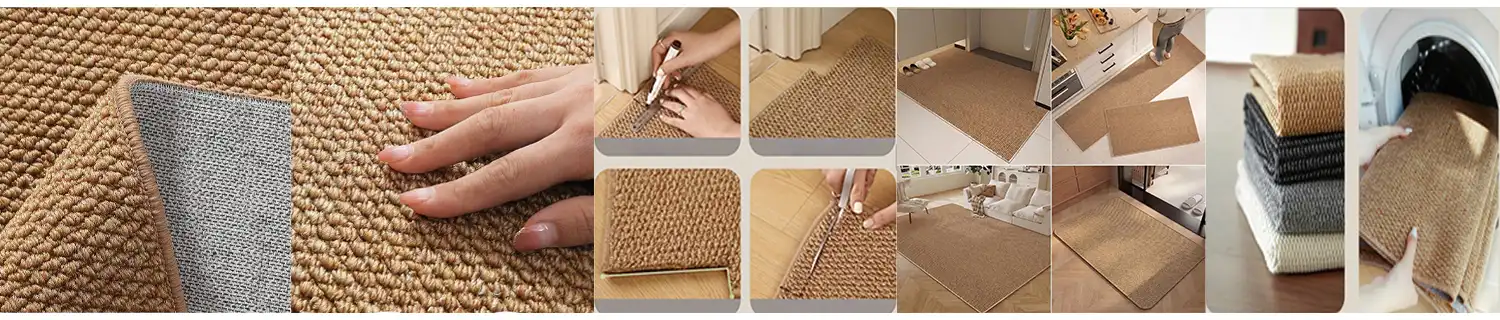
When it comes to extreme durability, synthetic fibers are the best. Nylon's molecular structure can recover from being compressed, so it looks better in high-traffic areas for longer than natural materials. But this benefit isn't as great when you think about how much it costs the earth and how hard it is to get rid of. Yiyajia Carpet addresses concerns about durability by using new engineering techniques. The high-density woven construction of our jute-based flooring at 1200g/m², along with the TPR clean backing, gives it commercial-grade performance that meets office needs while still being eco-friendly. The 9 mm total thickness and 5 mm pile height make the cushioning and structural stability work well together.
Maintenance Requirements and Operational Considerations
Different types of fiber have very different maintenance schedules for Eco Friendly Jute Rugs, which can affect prices and downtime. Natural fiber flooring needs to be cleaned using dry methods, like sweeping regularly and dry powder extraction once in a while, so that it doesn't soak up water and shrink or grow mildew in damp places. This restriction calls for clear building management rules, but it gets rid of the costs of chemical cleaners and the environmental problems that come with them.
Synthetic rugs can be cleaned with water and steam, so they can be treated right away for stains. Chemical cleaning products, on the other hand, add to ongoing costs and raise concerns about exposure at work, which goes against office cultures that focus on wellness. The surface treatment that makes quality jute goods stain-resistant cuts down on the time between cleanings by a large amount. This means that most accidents can be fixed by spot cleaning while the fibers stay intact.
Acoustic and Comfort Benefits
It's hard to control noise in open-plan offices because the hard floors make background noise louder, which slows people down. Because they are porous, natural fiber weaves are better at blocking noise than synthetic ones, and only special treatments on the back can make synthetic ones match their noise-blocking abilities. This sound absorption makes workplaces quieter, which helps people focus and keeps them from getting tired.
Another health factor is how comfortable the ground is under your feet. The natural cushioning effect of jute makes standing for long periods of time easier on the body, which is good for collaborative spaces and standing desk areas. The anti-slip treatment makes the surface safe without taking away from the natural roughness, which is an important part of biophilic design principles that are becoming more popular in modern workplaces.
Aesthetic and Functional Suitability for Modern Offices
Modern office design puts more and more emphasis on being real, warm, and connected to nature. The type of flooring you choose shows what your brand stands for and meets safety and functionality needs.
Design Versatility and Natural Appeal
Natural fiber flooring has rich colors and natural textures that make rooms look more stable and cozy. The natural difference in color in jute fibers gives them depth that can't be achieved with synthetic consistency. Modern processing methods allow for a wider range of looks. For example, our high-definition heat transfer technology allows for custom designs, corporate logos, and exact color matching, while natural materials still have the true feel that makes them unique. Through digital printing, synthetic mats come in almost infinite color combinations and design complexity. But this freedom in design comes at the cost of looking real. For business clients and workers who are becoming more design-savvy, the uniform, man-made look lacks the small flaws that make real natural materials stand out.
Yiyajia Carpet can make custom shapes and sizes that fit any office plan perfectly, from simple rectangular mats to complex geometric designs for branded greeting areas. They can do this by laser cutting the carpet with great accuracy. This manufacturing flexibility works for solid colors, printed patterns, and fully custom designs, so it can accommodate different esthetic goals without going against environmental principles.
Safety and Hypoallergenic Properties
Safety rules at work require floors that don't slip, especially in areas that people enter and leave and in changeover zones. TPR (thermoplastic rubber) backing is used on high-quality Eco Friendly Jute Rugs to make them non-slip and meet international safety standards. This engineered backing system sticks strongly to the natural fiber surface and can be washed in a machine, which is a big plus for keeping shared workspaces clean. In allergy-friendly workplaces, hypoallergenic qualities become more important. Natural fibers don't catch dust mites as well as high-pile synthetic rugs do, and they don't shed microplastic particles that add to the amount of particles in the air. For companies that care about both the health of their employees and the environment, these traits bring together wellness goals and environmental responsibility.
Cost Analysis and Procurement Considerations for B2B Buyers
Every choice about what to buy is based on the budget. Real worth of natural vs. synthetic floors can be seen by looking at the total cost of ownership, not just the unit price.
Price Points and Total Cost of Ownership
Natural fiber flooring usually costs 15–30% more to buy at first than basic synthetic flooring. Total cost study, on the other hand, shows a more complex picture. When you use natural materials, you don't have to pay for chemicals to clean, better air quality saves money on HVAC filters, and you don't have to pay to get rid of non-biodegradable waste. Over a 5–7-year service life, these practical saves make the difference in price much smaller or disappear.
Synthetic rugs are cheaper to buy, but they have hidden costs that add up over time, like the need for frequent deep cleaning, earlier replacement cycles in high-traffic areas, and higher dumping fees at the end of their useful life as waste rules get stricter. For purchasing managers looking at long-term budgets and the need for environmental reports, natural fiber options are becoming more and more financially sound.
Bulk Purchasing and Customization Options
For commercial projects to work, they need supplier partners who can handle large orders with regular quality and on-time delivery. Yiyajia Carpet has flexible minimum order amounts that can be used for projects ranging from small office fit-outs to company headquarters with multiple floors. With 20 years of experience making things, we can guaranty production cycles that start at just 7 days. Our 2,000 m² facility is also equipped with the latest processing technology.
Professional suppliers are different from commodity vendors because they can customize their products. We offer full OEM/ODM services, including measuring for size, matching colors, adding patterns, and adding company logos. Before being sent out, every item is carefully checked against standards for CE, OEKO-TEX, ISO 9001, REACH, and EN 13501. This is necessary for compliance reporting and auditing.
Supplier Verification and Certification Authenticity
Greenwashing is still a problem in the field of sustainable buying. Independent certification is used to back up environmental claims made by verification protocols, which protect buying decisions. Reputable companies that make Eco Friendly Jute Rugs provide full certification paperwork, workplace audit records, and clear supply chain exposure. When procurement teams look at possible suppliers, they should ask for samples of the products to be checked out physically, copies of the certifications to make sure they are legal, and references from current commercial clients. Investing in careful supplier screening avoids standard failures that cost a lot of money and protects the company's image among stakeholders who are becoming more skeptical of sustainability claims.
Conclusion
When it comes to offices, natural fiber floors and synthetic options serve different purposes. When it comes to sustainability, improving indoor air quality, soundproofing, and being in line with a company's environmental values, Eco Friendly Jute Rugs are the best. They are good for businesses that care about health, want to get green building certifications, or serve customers who care about the environment. When it comes to extreme durability and wet-area applications, synthetic options are still better, but natural fiber treatments are getting better all the time, closing the performance gaps. When making a purchase choice, the total cost of ownership, upkeep needs, health effects on employees, and disposal at the end of its useful life should all be weighed against the original price difference. For most modern office uses, natural fiber solutions are more cost-effective in the long run if they come from certified manufacturers that use commercial-grade materials and have a reliable supply chain.
FAQ
Q1: Can jute rugs withstand heavy office foot traffic?
A: The high-density jute construction, which is more than 1000g/m², makes it durable enough for mild to heavy office traffic. With the right backing systems and surface treatments, quality products are much more resistant to wear, so they can be used in most office settings except for the busiest hallways.
Q2: How frequently should natural fiber office rugs be cleaned?
A: Vacuuming twice a week keeps the appearance up, and for high-traffic areas, a professional dry powder extraction should be done every three months. You should not use steam or wet shampoo on natural fibers because they can damage them. It turns out that this maintenance plan is easier to follow and costs less than cleaning synthetic carpets with chemicals.
Q3: Do natural fiber rugs improve office air quality compared to synthetics?
A: Natural fibers don't give off VOCs like petroleum-based rugs do, which makes the air quality inside much better. They don't release microplastics when worn and don't trap allergens as well as high-pile synthetics, which is good for people who have trouble breathing and helps with health efforts in the workplace as a whole.
Partner with Yiyajia Carpet for Sustainable Office Solutions
It's not enough to just compare specifications when looking for an Eco Friendly Jute Rugs supplier. You need to find a manufacturing partner that is dedicated to quality, honest certification, and on-time delivery. Yiyajia Carpet has been making natural fiber floors for 20 years and combines old-fashioned craftsmanship with modern tech. Our products are fully certified by OEKO-TEX, REACH, and ISO 9001, and they are inspected before they are shipped to make sure they meet the strict standards of the European and North American markets. We offer full customization services, which include changing the size, adding patterns, and adding logos. We also offer fast sampling within 24 to 48 hours and production cycles starting at 7 days. Email our team at sale@yyj-carpet.com to talk about your specific project needs, get approved samples, and find out how our eco-friendly flooring options can make your workspace better while also helping you live up to your environmental goals. Y
References
1. Textile Exchange. (2021). Preferred Fiber and Materials Market Report 2021. Textile Exchange.
2. International OEKO-TEX Association. (2023). OEKO-TEX Standard 100: Testing Criteria and Limit Values. OEKO-TEX.
3. European Chemicals Agency. (2023). Understanding REACH Regulation for Textile Products. ECHA.