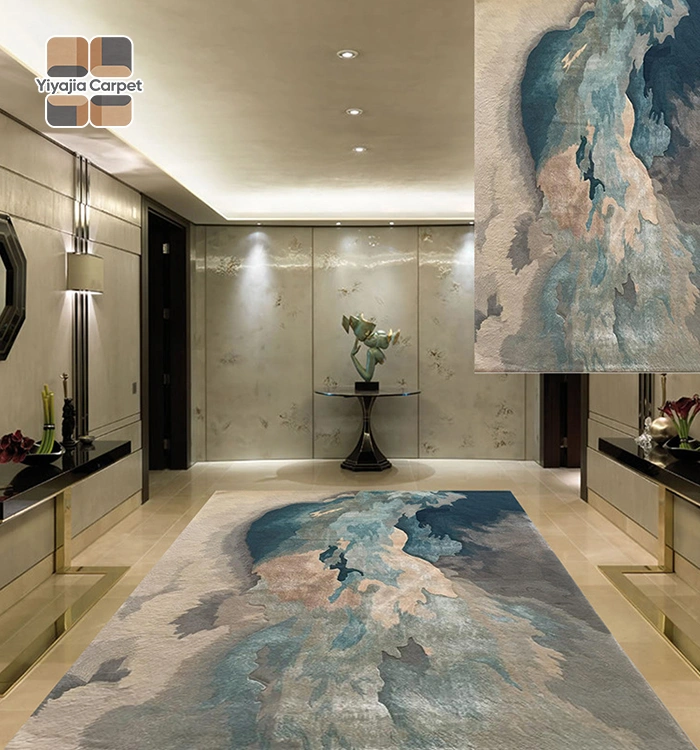
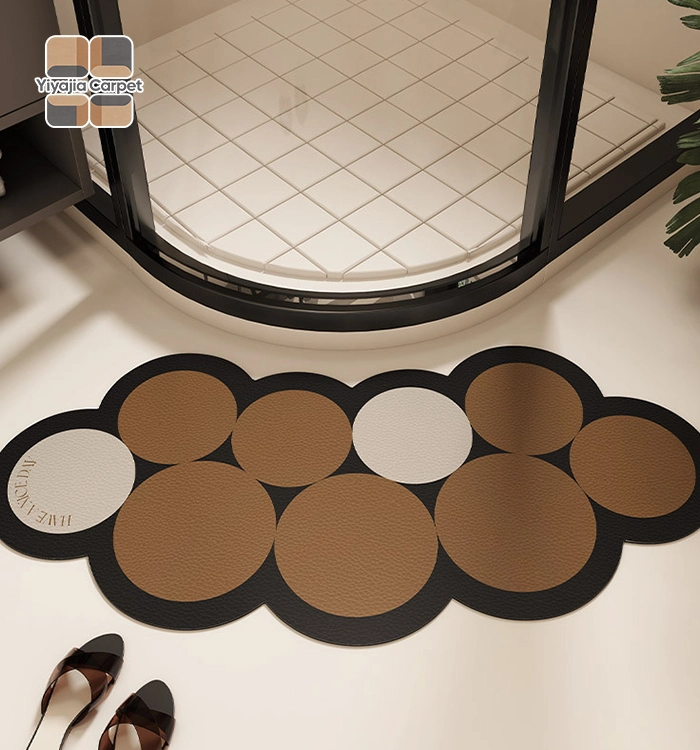
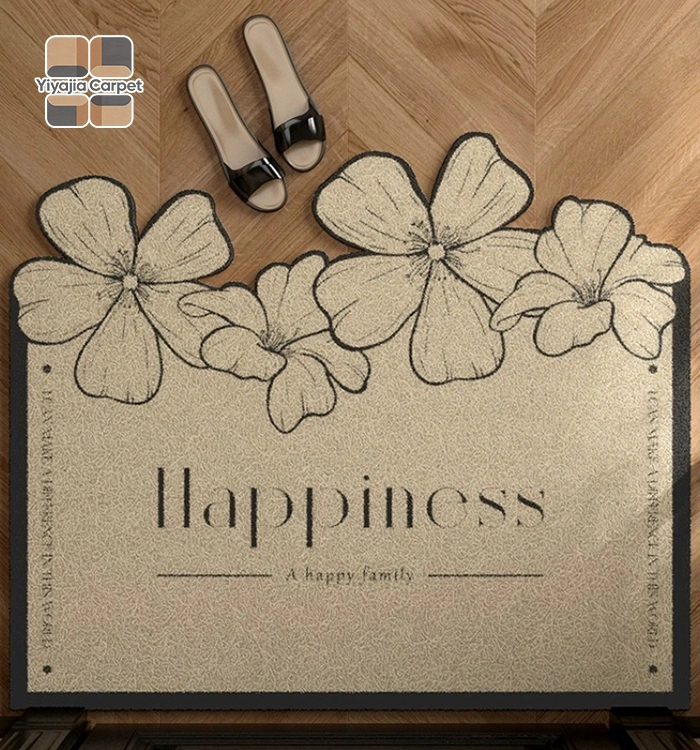
_1774494554973.webp)
How to Customize the Length of a Crystal Velvet Long Corridor Carpet?
September 17, 2026


Customizing the length of a crystal velvet long corridor carpet involves precise measurement, material selection, and collaboration with manufacturers who offer flexible production capabilities. The process begins with accurate corridor dimension assessment, considering factors like foot traffic patterns and visual continuity needs. Crystal velvet carpets, featuring fine faux cashmere surfaces and TPR backing, can be tailored to exact specifications using advanced laser cutting technology, ensuring seamless edges and consistent quality across extensive hallway installations for hotels, offices, and commercial buildings.
Introduction
We quickly learn that standard carpet sizes don't always match up with architectural reality when we're in charge of hotel renovation projects or designing commercial corridors. Crystal velvet hallway runners have the soft, luxurious look of fake cashmere and the durability needed for busy places where hundreds of people walk every day. Customizing length is no longer just a matter of taste; it becomes a strategy choice that affects how things look, how safe they are, and how much they will cost to maintain over time.
When I work with hotel procurement directors in different global markets, the biggest problem they always have is getting the right size and shape while keeping the integrity of the material. This guide walks you through the whole process of customization and addresses the practical issues that purchasing managers like Robert encounter when looking for hallway rugs for busy hospitality settings. We'll talk about how to measure, what materials to think about, how to work together with suppliers, and quality control procedures that will make sure your investment has both an instant visual impact and long-term performance.
Understanding the Importance of Customizing Carpet Length
Most standard carpet rolls come in widths and lengths that are set and work well in residential settings but not so well in commercial corridors. For a long corridor carpet, the challenge is even greater. In hotels and office buildings, halls can be anywhere from 15 meters to over 100 meters long, with awkward corners, elevator banks, and crossings that need to be fitted perfectly. When carpets don't exactly fit the dimensions of a hallway, seams appear, making it harder to see and possibly causing trips, and they also cost more to install [^1].
When customized correctly, hallway runners meet a number of important operational needs. In high-end settings, where guests can see designs that aren't lined up right or sudden changes in patterns, pattern consistency is very important. In many places, safety codes require egress routes to have minimum Critical Radiant Flux ratings. This means that the choice of material and the way it is installed must be followed without question [^2]. Cutting down on waste by matching lengths exactly saves money—ordering 85 meters for an 85-meter corridor gets rid of the 15-20% extra material that comes with buying standard rolls.
Another benefit of proper corridor carpet specification that is often overlooked is its effect on sound. Long hallways make sound bounce around more, making guests in rooms next to them uncomfortable. When crystal velvet materials are backed with the right systems, they block out impact sounds, which can be measured and used to improve total guest happiness scores in hospitality settings.
Step-by-Step Guide to Customizing the Length of Crystal Velvet Long Corridor Carpets
Accurate Measurement Techniques for Corridor Spaces
Accurate measurements are the key to successfully customizing a carpet. We suggest taking measures during the building phase, when the hallways are clear and the carpet layers can be seen. Using laser distance meters instead of regular tape measures gets rid of the problem of errors that build up over long distances. Take measurements at three different places along the width of the hallway to account for possible differences in the structure. Then, use the widest measurement to make sure there aren't any material shortages.
Special care needs to be taken with doorway recesses, fire equipment alcoves, and other architectural details. These features often require design changes or smart seam placement, which makers need to plan for when they make the clothes. Taking pictures of the space and marking important points of reference makes visual documentation that helps suppliers understand the installation context in a way that numbers alone can't.
Material Properties Affecting Customization
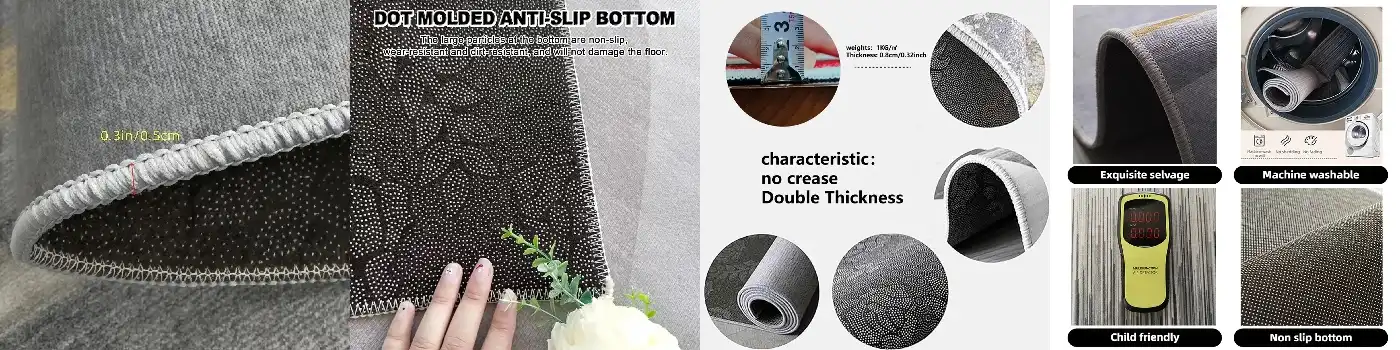
Crystal velvet hall rugs have fine fake cashmere pile surfaces that are bound to a TPR thermoplastic rubber backing. This makes a composite material that is easy to handle. The machine-woven design with edge locking keeps it from tearing when it's being cut, so it can be customized without needing extra border treatments that cost more and are harder to install. When humidity and temperature change normally, this material combination doesn't change much in size. This is different from natural fiber alternatives, which may grow or shrink with the seasons. When buyers select custom lengths, they can order with tighter tolerances—usually within 2 to 3 centimeters of the target dimensions—knowing that the product will stay stable during shipment and installation.
Collaboration with Manufacturers on Specifications
Clear sharing of project needs beyond basic measurements for a long corridor carpet is the first step to building good supplier relationships. Manufacturers can help customers choose the best pile heights, backing treatments, and edge finishing methods by sharing corridor blueprints, traffic flow analyzes, and maintenance protocols. Talking about where to put the brand or how to incorporate custom colors early on in the process stops production delays that could throw off the schedule for the project.
Different manufacturers have different minimum order quantities, but some specialized suppliers now have low thresholds that are easy to meet, with some as low as 50 pieces for customizing size and color. Understanding the different parts of the wait time helps procurement managers make good plans: pattern development usually takes three to five days, production takes seven to fifteen days depending on how complicated the item is and where it is in the queue, and international shipping can add twenty to forty days, depending on the location and the logistics method chosen[^3].
Comparing Custom Length Crystal Velvet Carpets with Other Carpet Types
Performance Characteristics Versus Traditional Runners
Standard carpet runners made for halls in homes are built with different materials and building methods than business corridor options. Crystal velvet products made for hotels have a higher stitch density—often more than 200,000 stitches per square meter—which makes them last longer when there are a lot of people walking on them. The TPR backing system makes the surface non-slip without installing extra pads, which would make maintenance harder and cost more in materials.
Unlike wool hallway rugs, synthetic crystal velvet keeps its color over time, so it doesn't fade or turn gray in traffic lanes like natural fiber installations often do. Solution-dyed construction makes sure that the color goes all the way through each fiber, so the look stays the same even as the surface wears down. This technology benefit is very important in hospitality settings where the look of the hallways directly affects how guests feel about the quality of the property.
Evaluating Supplier Capabilities and Certifications
Quality manufacturers stand out by having a wide range of certifications that meet the needs of different markets. The CE mark means that the product meets European safety standards, and the OEKO-TEX mark means that it doesn't contain any dangerous materials. This is especially important for properties that sell family-friendly or wellness-focused experiences. Flame retardancy certification according to EN 13501 is a must for most business sites because fire marshal approvals depend on proof of compliance[4].
In addition to certificates, a supplier's production potential shows how reliable they are. The fact that they can produce around 2,000 square meters of material every day shows that they are running industrial-scale operations with the backup tools and trained workers they need to finish big projects on time. Ask potential suppliers about their quality control procedures. Reputable manufacturers do multiple checks before packaging, looking at things like how consistent the weaving is, how well the colors match across production runs, and how well the edges are finished.
Installation and Maintenance Tips for Customized Crystal Velvet Carpets
Professional Installation Requirements
Custom-length Corridor long runner carpets need more skill than just laying a regular carpet in a room. By sticking padding to the flooring first and then the carpet to the padding, the double-stick method stops the carpet from ripping under heavy moving luggage cart loads, which is something that stretch-in installations can't do over long distances. Preparing the subfloor by testing for moisture, fixing cracks, and applying leveling compound is very important because irregularities can be seen through the carpet, leading to uneven wear and unsightly flaws.
When applying for a longer corridor, seam planning needs extra care. By placing joints strategically within doorway thresholds or under furniture, you can keep the look of continuity while working with the width limitations of the material. Pattern-matched seams need extra material—usually 10-15% more than what is needed—to make sure that the motif lines up correctly at the joining points.
Maintenance Protocols for Longevity
Crystal velvet rugs with short piles are easier to clean with industrial vacuums that filter out harmful particles. Daily cleaning gets rid of rough particles that speed up fiber wear, and weekly inspections find new problems before they get too bad and cost a lot to fix. The material naturally doesn't stain, which makes spot cleaning easier. However, using pH-neutral cleaners keeps the fibers intact and keeps the color from changing.
Monitoring the soundness of the edges is a specific upkeep task for corridor systems. Normal wear and tear on machine-woven edge locking keeps it from fraying, but frequent contact with cleaning tools or foot traffic at transition points can weaken the border. Edge inspections every three months let you fix problems before they happen using clear glue or professional re-binding services, which are much cheaper than replacing the whole thing.
Procurement Strategies for Custom Length Crystal Velvet Long Corridor Carpets
Manufacturer Direct Sourcing Advantages
There are many strategic advantages to buying customized hallway rugs directly from makers instead of through distributors. By getting rid of middlemen markups, prices can drop by 20 to 35 percent. This is especially helpful for projects that need hundreds of linear meters. Direct relationships also give you access to technical knowledge during the creation of specifications. For example, production engineers can suggest changes to the design that make it easier to make without sacrificing the design's esthetic goals.
Volume price structures usually go into effect at certain number levels that are in line with building new hotel floors or rolling out to multiple properties. When procurement managers know about these breakpoints, they can combine orders from different stages of a project to save money. Some manufacturers offer framework agreements that lock in prices for 12 to 18 months. This protects buyers from changes in the cost of raw materials during long renovation projects.
Supplier Evaluation Criteria
Reliable makers of hallway carpets show their skills in a number of different testing areas. Transparency in production, like factory tours or detailed process documentation, boosts trust in the quality of the final product. Experience with international shipping is very important. Suppliers who know about export packaging, container optimization, and customs paperwork reduce the chances of delays that could throw off project schedules.
Infrastructure for after-sales service is what sets great suppliers apart from average ones. Dedicated account management makes sure that questions about production or explanations of specifications are answered quickly during projects that move quickly. When comparing supplier offers, warranty terms that cover production flaws, color consistency across shipments, and edge integrity lower the risk enough to justify higher prices.
When looking for long corridor carpet makers to buy in bulk, these are the main things you should think about:
Check for CE marking to get into the European market, OEKO-TEX for safety around the environment, ISO 9001 for a reliable quality system, and EN 13501 for flame retardancy compliance. These certifications lower the risk of not following the rules and make it easier to get permission in all the places where your businesses run.
Customization Flexibility: Check to see if providers can handle requests for logo integration, brand color matching, and odd-sized items without requiring large minimum orders. Advanced manufacturers who use heat transfer printing and laser cutting technology can make almost any design while still keeping production costs low.
Production Capacity and Lead Time: Confirm how much can be produced each day and how long it usually takes to fill orders. Manufacturers who make 2,000 square meters of flooring every day show the scale that is needed for big hospitality projects. Production windows of 7 to 15 days fit with most remodeling plans when combined with clear sight of the queue.
Quality Control Methods: Look into checking rules that cover things like matching color batches, making sure the edges are smooth, and making sure the weave is consistent. Full quality control with written checkpoints at receiving raw materials, in the middle of production, and before shipping shows that the business is mature and stops costly defects from happening.
These evaluation criteria directly address the problems that hotel procurement directors have finding hallway carpets for properties that need to open on time and can't afford to skimp on quality. When you choose manufacturers who are great in these areas, buying carpet goes from being a one-time thing to a strategic relationship that supports brand standards and operating efficiency.
Conclusion
Customizing the length of a long corridor carpet made of crystal velvet means balancing technical accuracy with an eye for style while also keeping in mind budget and time constraints. The process includes checking the sizes correctly, choosing materials that will work with the amount of traffic, and working with suppliers to make sure that the quality stays the same from one production run to the next. Crystal velvet rugs with fake cashmere tops and TPR backing are durable and look good in dining settings. This is especially true when they are made to exact hallway sizes to avoid wasteful seams and extra material. To make sure the procurement process goes smoothly, makers must be judged on their certifications, their production skills, and their track record of working on foreign business projects. By using the measurement guidelines, best practices for specifications, and supplier evaluation criteria explained in this guide, hotel engineering directors and procurement managers can be sure to find corridor carpets that look good and meet strict performance and safety standards.
FAQ
Q1: What is the minimum order quantity for custom length corridor carpets?
A: Minimum order numbers depend on the maker and the level of customization. For basic size and color customization, reputable suppliers that focus on commercial applications usually need 50 pieces. This means that even small hotel projects can use this option. Adding a logo or making complicated changes to a pattern may raise the MOQ to 100 to 200 pieces, but this is still doable for renovations that cover more than one floor or for hotel groups that want to combine orders from different properties.
Q2: How long does custom corridor carpet production take?
A: Production times range from 10 to 20 days, based on how complicated the order is and how long the manufacturer's list is. Simple length customization using existing patterns usually takes 10 to 12 days to finish. Projects that need new patterns made or logos added take 15 to 20 days. Adding international shipping (20–40 days, depending on where it's going) and customs clearance (3–7 days) to project schedules helps procurement managers make realistic plans that take into account the whole supply chain cycle.
Q3: Can corridor carpets be customized with specific fire safety ratings?
A: Manufacturers of good quality make corridor rugs that meet EN 13501 flame retardancy standards, which are necessary for exit paths in businesses. Critical Radiant Flux testing shows that the carpet doesn't spread flames easily, which is a condition for most places where carpet is used in hotel corridors[^5]. Asking for certification documents while evaluating suppliers makes sure that they are in compliance before production starts. This avoids costly delays during property inspections and approvals for certificates of occupancy.
Partner with Yiyajia Carpet for Your Custom Corridor Solutions
Yiyajia Carpet makes long corridor carpets that are precisely tailored to the needs of hotels, offices, and other commercial buildings around the world. Our advanced heat transfer printing and laser cutting technologies let you make any design you can think of while still giving your projects the exact measurements and edges they need. We meet all the requirements for compliance in global markets with our CE, OEKO-TEX, ISO 9001, REACH, and EN 13501 certifications. This gets rid of the need for approval risks that slow down project completion.
With a daily production capacity of 2,000 square meters, we can make sure that even big hotel improvements are delivered on time. Plus, our low minimum order quantity (MOQ) of 50 pieces for custom size and color means that any property can get high-quality corridor rugs. We have been making long corridor carpets for procurement directors in Southeast Asia, the Middle East, Europe, and North America for a long time, so we know the practical stresses that make you want things done quickly and to a high standard.
Email our technical team at sale@yyj-carpet.com to talk about the exact measurements of your corridor, get full specification suggestions, and get a price that covers production, inspection, and delivery.
References
1. National Fire Protection Association. (2022). NFPA 253: Standard Method of Test for Critical Radiant Flux of Floor Covering Systems. NFPA Publications.
2. International Textile Manufacturers Federation. (2020). Global Textile Manufacturing: Production Lead Times and Capacity Planning. ITMF Annual Report.
3. European Commission. (2023). EN 13501-1: Fire Classification of Construction Products and Building Elements. Official Journal of the European Union.
4. ASTM International. (2022). ASTM E648: Standard Test Method for Critical Radiant Flux of Floor-Covering Systems. ASTM Standards & Publications.
5. Hospitality Design Magazine. (2023). Specifying Commercial Corridor Flooring: A Guide for Hotel Developers. HD Expo Resource Library.