_1774494554973.webp)
Which entrance mats work best on tile flooring for preventing slips?
June 23, 2026


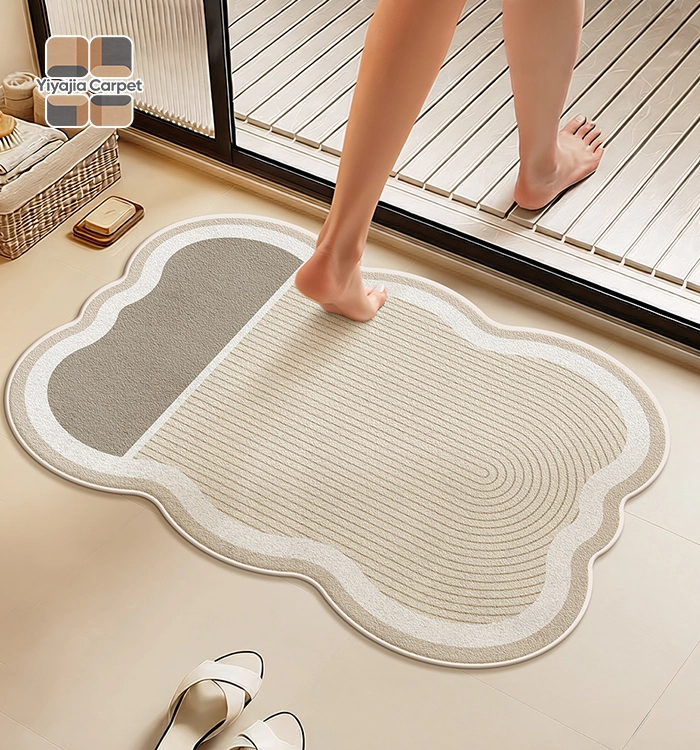
To keep people from slipping on tile floors, choosing the best entrance floor mat means looking at the material, the technology behind the backing, and how well it handles moisture. When paired with high-density absorbent surfaces, mats with dotted plastic or nitrile rubber backing give you better grip on smooth tile. Using materials like imitation cashmere or synthetic fibers that don't slip even when they're wet is the best way to get rid of waste and keep the moisture in. This makes them essential for business buildings that put worker safety first.
Understanding the Slip Hazards on Tile Flooring
There are always safety issues with tile floors in business and factory settings. Because glazed ceramic and porcelain tiles are smooth and don't have pores, they can be dangerous when they come into contact with water, oils, or small particles. According to research from the National Floor Safety Institute, over a million trips to the emergency room each year are caused by slips and falls. Tile floors are especially responsible for these accidents.
Why Tile Flooring Increases Slip Risk?
The smooth finish on tile makes it look nice and also makes the surface less rough. These surfaces don't soak up water; instead, water beads on them, making hydroplaning conditions. When it rains or snows, entryways are especially dangerous because people walking through them spread moisture across hallways and passageways. Besides water, tracked-in dirt works like ball bearings between shoes and the floor, making it even harder to grip.
Regulatory Compliance and Safety Standards
More and more pressure is being put on procurement managers to follow OSHA rules and ADA standards. Workplace safety rules require aggressive steps to reduce the risk of slipping, and entrance matting systems are the first line of defense. If facilities don't put in place the right answers, they could face expensive liability suits, higher insurance premiums, and fines from the government. Strategically placing mats at entry places shows that you are serious about reducing risk and keeps both workers and visitors safe.
The Economic Impact of Slip Prevention
Effective entrance mats does more than just keep people safe; it also saves money. Studies of the industry show that getting rid of one pound of dirt at the door costs about twenty dollars, but several hundred dollars once the dirt moves into the rooms inside. Quality entrance mats protect tile floors from wear and tear, which means they last longer and don't need to be refinished or replaced as often.
Key Criteria for Choosing Entrance Mats on Tile Floors
To choose the best entrance floor mats, you need to carefully compare them to clear performance standards. Structured screening methods that compare choices based on operational needs instead of just personal preferences are helpful for procurement workers.
Slip Resistance Performance
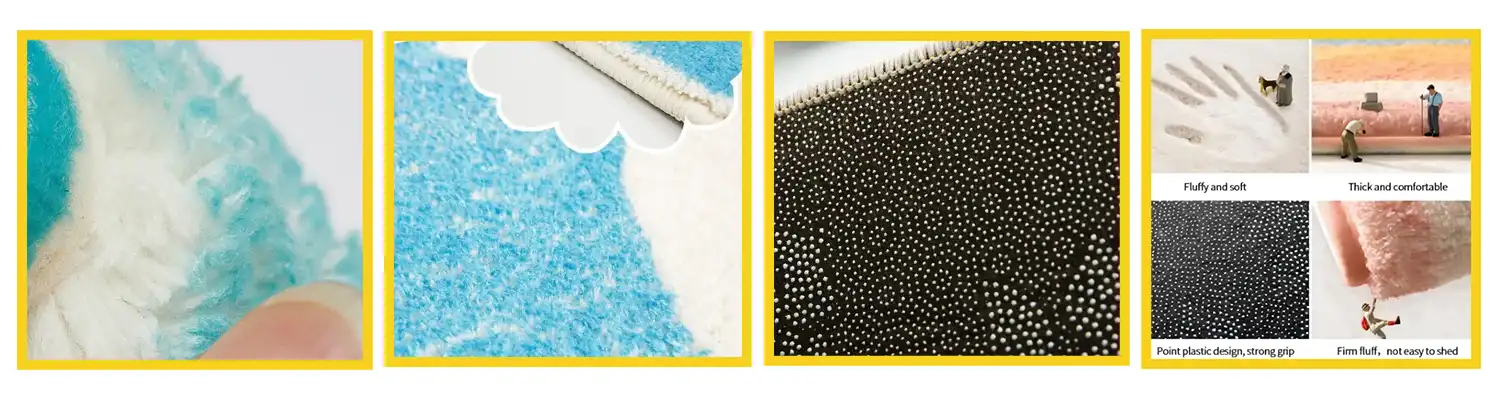
The coefficient of friction (COF) shows how well two objects stick together. When they get wet, mats made for tile floors should have a COF grade above 0.6, which is what the NFSI High-Traction certification guidelines call for. The dotted plastic backing technology gives a mechanical grip through thousands of contact points that stop the backing from moving laterally. This type of backing works better than smooth plastic options, which stop working when water gets under them.
Moisture Absorption Capacity
When mats work well, they keep wetness out of the air instead of just covering the floor. High-density pleated structures made of absorbent fibers can hold a lot of water—good goods can hold up to one gallon per square yard. In more modern versions, the 5mm sponge middle layer improves absorption while keeping the structure strong. Materials like imitation cashmere are very good at wicking away wetness, which means they pull it from the walking surface and into the mat's inner, where it stays until it's cleaned.
Durability Under Traffic Loads
In commercial settings, mats need to be able to handle thousands of footfalls every day without losing their effectiveness. The pile weight shows how long something will last, and a weight of 600g/m² is good for places with mild traffic. The way the structure is built doesn't matter; high-density looped structures last longer and don't get crushed as easily as low-density options. Durability of the backing stops edges from bending and delaminating, which can be dangerous if they happen.
Maintenance Requirements
Decisions about what to buy must take into account costs that go beyond the initial purchase price. Mats that need to be cleaned in a special way or replaced often are expensive to run. Surface treatments that don't stain make cleaning easier because you can vacuum or spot-clean to get rid of tracked-in dirt. Products that meet OEKO-TEX standards make sure that cleaning staff are safe around chemicals, and materials that don't grow mold or mildew stop smell problems in wet places.
Types of Entrance Mats Best Suited for Slip Prevention on Tile Flooring
The type of material used directly affects how well it prevents slips, how long it lasts, and how often it needs to be maintained. Knowing the differences between the different types of mats lets you make smart purchases that meet the needs of your building.
Synthetic Fiber Mats with Dotted Backing
These days, business entrance mats are usually made of imitation cashmere and polyester fibers. These materials have a lot of great benefits that meet buying objectives. At the fiber level, the synthetic makeup stops water from absorbing, keeping the shape stable and stopping bacteria from growing. Surface treatments make things less likely to damage, so they look good even after a lot of use.
The dotted plastic backing on good synthetic mats makes them very good at gripping tile floors. The dotted design lets water drain while keeping thousands of contact points. This is different from continuous rubber backing, which can trap water and lose its grip. This design works especially well on tiles that are slightly uneven or have roughness, where full-contact backings might lift at the corners.
The profile height of these mats is just right, with pile heights of about 3 mm and a total thickness of 6 mm (including the backing layer). The ADA requires barrier heights to be less than 6 mm or edges to be beveled to avoid trip risks. These requirements are accepted everywhere. The 600g/m² weight density makes it stable without being too big, which would make it harder to move during cleaning rounds.
Rubber-Backed Absorbent Carpets
Traditional mats that look like rugs are still used in some situations where both function and style are important. The surfaces of these items are usually made of synthetic fibers that are attached to rubber backing materials. Nitrile rubber backing works better than regular vinyl because it stays flexible at different temperatures and doesn't break down when cleaned with chemicals.
Premium carpet mats are made with a two-level design that forms pathways that keep dirt and moisture below the walking surface. With this building feature, the "stamp pad effect" doesn't happen, which is when dirty mats spread germs to people walking on them. In areas with a lot of rain, where water pools on the top because it can't be absorbed, moisture capacity becomes very important.
Custom Logo Mats with Enhanced Safety Features
Facilities are becoming more aware of dual-function mats that can be used for both safety and branding purposes—qualities that define the best entrance floor mat for many businesses. Companies can put their names, safety messages, or directions directly on mat surfaces using heat transfer printing technology. This customization doesn't affect the non-slip properties of these entrance floor mats, as long as makers use surface treatments that are resistant to stains and keep quality standards for the backing.
With laser cutting, you can get exact sizes for building features, elevator steps, or entryways that don't fit neatly together. Custom sizes get rid of gaps where water can gather, making sure that the whole risk zone is covered. The "Rule of 15" says that you should have fifteen linear feet of matting to get rid of the most dirt and wetness. Custom sizing helps facilities meet this standard even when they are limited by room.
Maintenance and Cleaning to Sustain Anti-Slip Performance
Even the best entrance mats lose their usefulness if they aren't taken care of properly. Setting up regular cleaning schedules protects both safety performance and product life, which increases the return on investment.
Daily and Weekly Cleaning Procedures
Commercial mats that get a lot of use need to be vacuumed every day to get rid of loose dirt and dust before it gets stuck in the fibers. Most synthetic mats can be cleaned with regular upright vacuums. However, facilities should avoid using beater bars on lower-pile products because they can damage the surface treatments. Once a week, using carpet cleaning tools to pull dirt from the carpet removes deep-down dirt and improves its ability to absorb water.
High-quality mats are treated to make them less likely to damage, which makes cleaning up spills easier. Most spots can be removed without using special products by blotting them with clean cloths and light detergents. By staying away from harsh acids and bleach-based cleaners, you can protect both the fibers and the backing materials, which keeps them from breaking down too quickly and losing their anti-slip qualities.
Inspection and Replacement Cycles
Managers of procurement should set up checking procedures that find mats that aren't working as well as they should before they become safety hazards. If a crushed pile doesn't bounce back after being walked on, it means that the structure is worn out and needs to be replaced. Edge bending or backing separation makes trips dangerous and needs to be fixed right away. Wear patterns that can be seen show that traffic isn't distributing evenly. Moving mats between places with high and moderate traffic levels can increase their total life.
With normal business traffic, good mats that are taken care of will usually last three to five years. Extreme conditions may mean that floors need to be replaced every year, but the benefits in terms of safety and floor security make this an investment that is worth making. Recording replacement plans shows that you are managing risks proactively during safety checks or lawsuit investigations.
Impact of Cleaning on Anti-Slip Features
To keep the mat's usefulness, you need to know how cleaning it changes its performance. If you use too much water during extraction cleaning, the friction can temporarily decrease. This means that mats need to dry properly before they can be used again. On the other hand, oils and sticky leftovers from cleaning products build up over time and make surfaces slippery even though they look clean.
Using cleaning products made just for business entrance mats protects the non-slip coatings and the backing's ability to stick. Products that meet environmental standards, such as REACH compliance, keep both building residents and upkeep staff safe from chemicals that are dangerous. Quality makers go beyond 100% inspection processes to suggest the right cleaning products that won't void performance guarantees.
Comparing Market Solutions: Heavy Traffic, Outdoor, and Budget Considerations
When making procurement choices, you have to balance a lot of different factors, such as the amount of traffic, the impact on the environment, and your budget. Systematic comparison models help find the best answers for each situation.
Evaluating Performance Across Traffic Levels
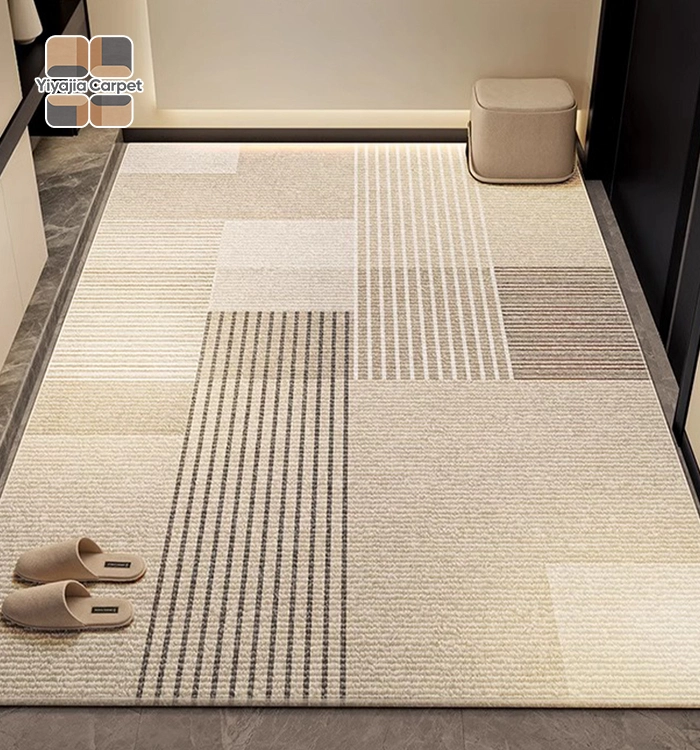
Standard 600g/m² plastic mats with dotted backing work well in places with moderate traffic, like small office buildings or shops. For facilities with less than 500 crossings per day, these items are a great deal. However, for settings seeking a more premium aesthetic, Light luxury faux cashmere entrance doormats offer an elevated option. The total width of 6 mm makes it strong enough while still being easy for cleaning staff to handle.
Places with a lot of foot traffic, like shopping malls, airports, and meeting centers, need stronger requirements. It's time for more dense piles, stronger backing, and bigger covering areas. The price difference between moderate-duty and heavy-duty goods is usually thirty to fifty percent. However, the longer life and lower chance of injury make the higher prices worth it.
Indoor Versus Outdoor Application Requirements
This piece is mostly about tile flooring inside, but entrance mat systems often have outdoor parts that catch dirt before it gets to the inside surfaces. Outdoor mats can handle UV light, high temperatures, and heavy rain. Rubber scraper mats and other rough materials work great in these situations, but their rough surface is too rough for finished internal tiles.
Moving from scraper zones outside to absorbing mats inside controls both dirt and moisture completely. The Zone Concept, which is part of industry standards, is used in this stacked method to get rid of as many particles as possible. Both outer and inner mat parts should be thought of as part of a whole system when making purchases, rather than as separate items.
Long-Term Value Analysis
The initial buying price is only one part of the total cost of owning. Cheaper mats that need to be replaced often or have a lot of upkeep usually end up costing more over a longer period of time. Figuring out the cost per year of service is a more realistic way to compare prices than just looking at prices per unit.
Products of high quality from well-known brands have approvals like CE, ISO 9001, and EN 13501 that back up claims of performance and make sure that production standards are always met. By proving that goods meet certain safety and environmental standards, these approvals lower the risk of buying them. Working with providers who offer a flexible MOQ for large orders, quick sample production within 24 to 48 hours, and export-grade packing shows that they care about the needs of B2B customers.
Conclusion
When choosing the best entrance floor mat for concrete floors, you need to look at how well it prevents slips, keeps moisture away, and lasts a long time using a set of factors that are specific to your building. The best performance for most business uses comes from synthetic fiber mats with dotted plastic backing, which combine excellent traction with easy upkeep features—making them the best entrance floor mat choice for many facilities. Investing in good entrance mat systems lowers the chance of injury, improves the life of the flooring, and shows that you are following the rules. Procurement workers should give more weight to providers that offer customization options, quick samples, and full certifications that back up performance claims and support the needs of long-term partnerships, ensuring they source the best entrance floor mat for their specific requirements.
FAQ
How effective are entrance mats at reducing slip risk on wet tile floors?
When installed and kept in good shape, quality entrance mats cut down on slips and falls by up to 90%. The strands that soak up wetness and the backing that has a lot of grip stop both of the main things that make tile slippery: water on the surface and tracked-in dirt and dust. Mats that meet NFSI High-Traction standards make things safer in a way that can be measured and proven by checking the coefficient of friction.
Which backing material provides the best anti-slip performance on tile?
When it comes to tile floors, dotted plastic backing works better than smooth ones because it has thousands of touch points that physically grip the surface. This design works even when there is a lot of wetness on it, unlike continuous vinyl backing, which stops sticking when it gets wet. Nitrile rubber backing works just as well as other types, but it lasts longer in settings with high temperatures.
How often should commercial entrance mats be replaced?
The time of replacement relies on how busy the roads are and how well they are maintained. Mats that are made well usually last three to five years in places with moderate activity. If the pile is crushed, the edges are curled, or the backing is breaking down, it means that the rug needs to be replaced, no matter when it happens. Keeping track of repair rounds helps with budgeting and safety regulations.
Partner with Yiyajia Carpet for Superior Entrance Matting Solutions
Yiyajia Carpet makes high-quality entrance mats that are designed to meet the safety needs of business buildings with tile floors. The advanced dotted plastic backing technology in our imitation cashmere mats makes them very slip-resistant while keeping their classy look. The 6 mm thickness and 5 mm sponge middle layer are better than industry standards at absorbing wetness, which protects your tile investment and lowers your legal risk.
With certifications like CE, OEKO-TEX, ISO 9001, REACH, and EN 13501, we make sure that our goods meet international safety and environmental standards as the best entrance floor mat provider in the world. OEM and ODM needs can be met by our flexible customization services, which include printing logos, making changes to sizes, and choosing patterns that fit your brand. We can quickly make samples in 24 to 48 hours and finish large orders in seven days, so we can meet tight project deadlines without lowering the quality standards.
Get in touch with us at sale@yyj-carpet.com to talk about your entrance mat needs. We offer expert advice on the best specifications for your traffic patterns, building plan, and budget, and we deliver solutions that keep people and property safe.
References
1. National Floor Safety Institute. (2019). Slip, Trip and Fall Prevention Standards and Guidelines. Orlando: NFSI Publications.
2. International Sanitary Supply Association. (2018). The Official ISSA 612 Cleaning Industry Management Standard. Lincolnwood: ISSA Publications.
3. Occupational Safety and Health Administration. (2020). Walking-Working Surfaces and Personal Protective Equipment Standards. Washington: U.S. Department of Labor.
4. American Society for Testing and Materials. (2021). ASTM F1637 Standard Practice for Safe Walking Surfaces. West Conshohocken: ASTM International.
5. Building Owners and Managers Association. (2017). Preventive Maintenance Best Practices for Commercial Buildings. Washington: BOMA International.
6. Carpet and Rug Institute. (2020). Commercial Entrance Mat Systems: Performance Specifications and Testing Protocols. Dalton: CRI Technical Publications.