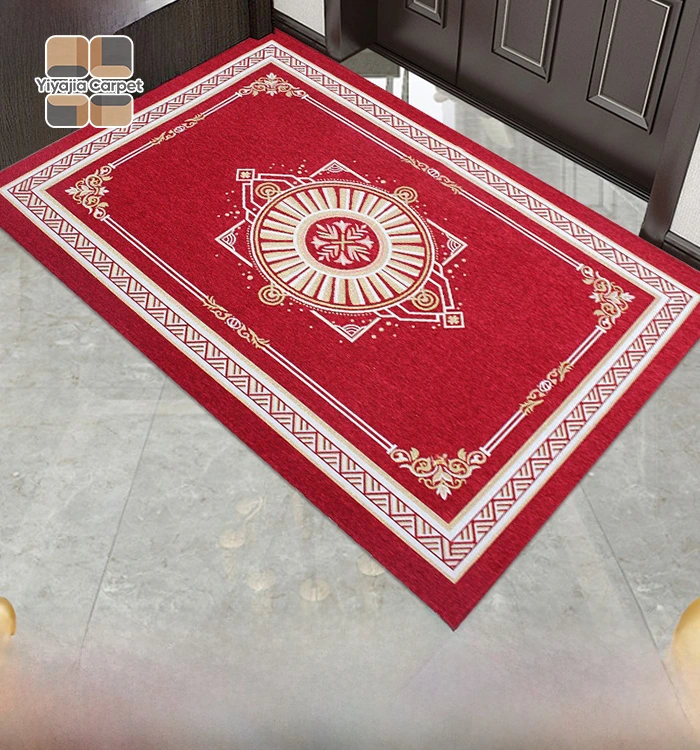
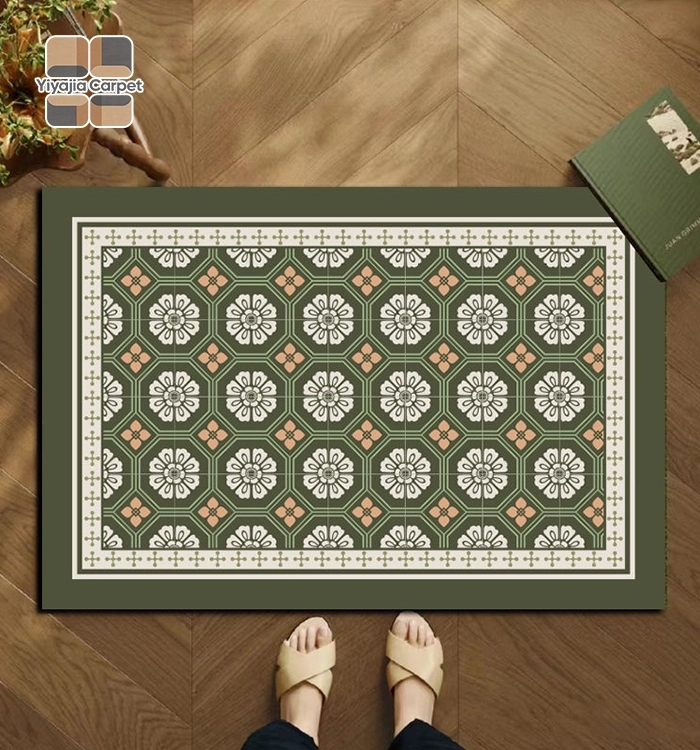
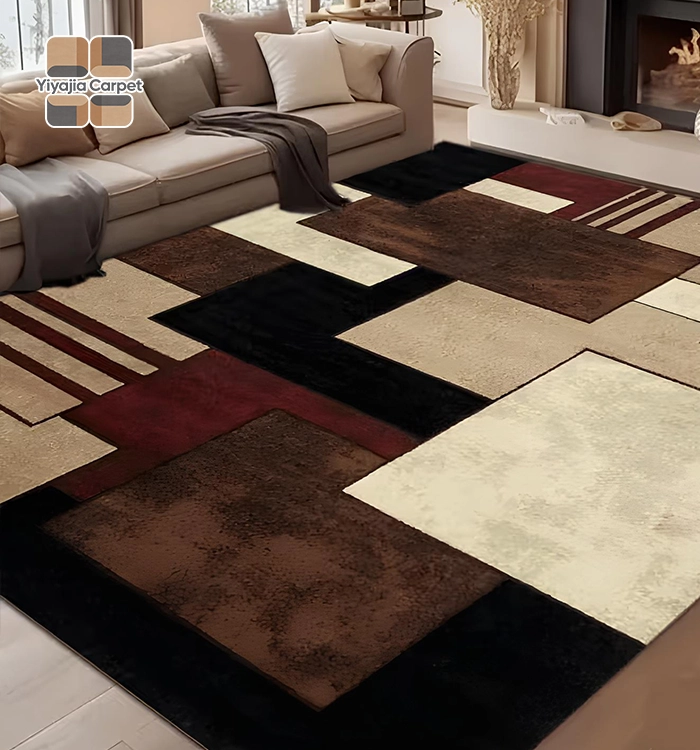
_1774494554973.webp)
Affordable stair floor mats with easy installation
June 23, 2026


To find the right stair floor mats, you need to weigh the cost of the mats against how well they work and avoid setting steps that take too long and cause the job to be late. Good stair floor mats provide strong safety protection, quickly soak up moisture, and can handle constant foot traffic without moving or wearing down. When combined with easy installation methods, these solutions cut down on labor costs and shorten project timelines, which is very helpful for procurement managers who are in charge of many properties or retail channels. Modern materials, such as diatomaceous earth mixed with rubber backing technology, don't slip and soak up water quickly, meeting basic safety requirements without breaking the bank.
Understanding the Basics of Stair Floor Mats
Stairways are different from flat floors in that they pose different risks. Impact forces are focused on each tread, water that is tracked in builds up as wetness, and wear patterns speed up. Protective covers made just for stairs get around these problems with specialized materials and building methods that flat area rugs can't match.
Why Stair Protection Matters in Commercial Environments?
Every day, a lot of people use the commercial stairs in hotels, shops, and office buildings. Unprotected surfaces break down quickly, leaving you open to liability claims because of worn-out treads and smooth surfaces that get slippery when they get wet. Putting down the right tread covers makes the base last longer by spreading impact forces over larger areas and making textured contact points that keep the tread's grip. When cushioned materials soften the force of footsteps, noise transmission between floors also goes down a lot. This makes people more comfortable in buildings with more than one floor.
Material Categories and Their Applications
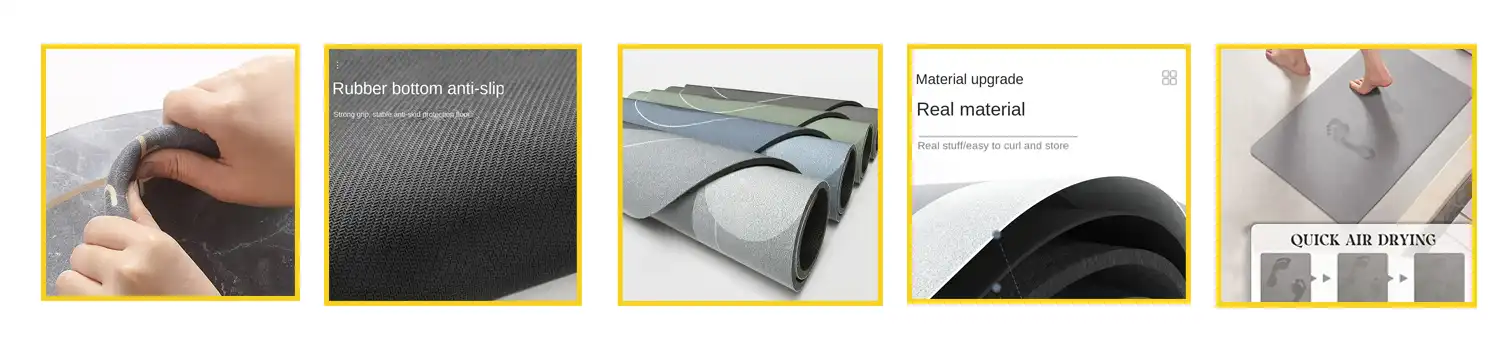
In different working settings, different types of materials are needed. Rubber-backed options work best outside and in industrial settings where they are often exposed to moisture. These styles use vulcanized rubber materials that keep their grip strength even when exposed to chemicals or changes in temperature. Carpet-faced types are good for home renovations and places that serve food and drink where the way they look is important to the overall design plan. Combining mineral structures that soak water with man-made fibers, diatomaceous earth formulations are a new technology that quickly gets rid of moisture without losing comfort underfoot.
Choosing Between Adhesive and Loose-Lay Systems
The way something is installed has a big effect on how much it costs and how easily it can be undone. Adhesive-backed systems stick to stair surfaces permanently, which makes them very stable in high-traffic areas but makes it harder to remove or change them in the future. Loose-lay designs depend on the friction grip of heavy backing materials and precise cutting that fits the tread dimensions, which lets the design be removed without damaging the surface. When planning to buy something, the right method is chosen by looking at how much traffic there is, how long the work needs to last, and how well the base needs to be protected.
How to Select Affordable Stair Floor Mats with Easy Installation?
Because of limited funds, safety performance or installation efficiency should not have to be sacrificed. When you do a strategic analysis of operational needs and a material specification analysis together, you can find solutions that meet safety standards and keep costs low.
Assessing Operational Requirements
Analysis of traffic flow is the basis for choosing the right stair floor mats. Facilities that get a modest amount of residential use need different performance qualities than retail areas that get hundreds of users every day on their stair floor mats. Keeping track of the average daily foot traffic helps divide it into three levels: light (less than 50 passes), intermediate (50–200 passages), and heavy (more than 200 passages) for stair floor mat selection. Environmental factors, such as humidity levels, temperature ranges, and cleaning instructions, make material needs even more specific for stair floor mats. Outdoor stairs need materials that can stand up to the weather, while climate-controlled rooms let you choose from a wider range of materials for stair floor mats.
Critical Performance Specifications
Measuring the coefficient of friction shows how resistant something is to slippage in different situations. Most business safety standards are met by products that get scores of 0.6 or higher when they are wet. Material density affects both how long something lasts and how easy it is to install. Constructions with higher densities resist wear and tear better, but they may take more work to install. Thickness ranges from 3 mm to 6 mm to balance padding benefits against nosing compatibility. Too much thickness can make the sides of the tread dangerous to trip on. Weight values in grams per square meter show what the material is made of. Compositions with a weight of 1600g/m² offer commercial-grade performance without being too bulky.
Comparing Total Cost of Ownership
The initial buy price is only one part of the total cost over time. Installation work costs are very different for systems that need professional glue application and systems that can be put up by maintenance staff in-house. The cost of cleaning supplies and the number of times a product needs to be maintained add up over its lifetime. Stain-resistant techniques cut down on cleaning work. Replacement cycles that are based on wear trends affect budget planning. Long-lasting choices that cost more up front often provide better value through longer service intervals. Figuring out the annualized costs over the projected lifespan gives true comparison points for making decisions about what to buy.
Bulk Purchasing Strategies
When you buy in bulk for multiple sites or jobs that are done in stages, manufacturers offer volume savings that make the cost per unit much lower. By negotiating minimum order amounts that are in line with what the project actually needs, you can avoid having too much inventory and still get better prices. Small and medium-sized businesses can better manage their various property portfolios by building relationships with providers who offer flexible MOQ terms. Confirming samples before placing large orders helps avoid expensive problems when specs don't match the products that are delivered, especially when customizing sizes or surface treatments.
Installation Made Simple: Steps and Best Practices
Efficient construction methods keep costs and project delays to a minimum while ensuring the right performance qualities. With advanced materials and careful planning, large-scale projects can be put into action quickly.
Preparation Steps
Cleaning the surface has a direct effect on how well it sticks and how well it rubs against other things. To get rid of loose dirt and dust, sweep the steps well. Then, use pH-neutral cleaners and a wet mop to get rid of any residues without leaving slippery films. If you let the mat dry completely before putting it down, moisture won't get trapped and hurt the backing's grip. Precise measures of tread depth and width allow for small differences in step sizes, especially in older buildings where the sizes may not be all the same. Taking measures for each tread makes sure that the cuts are exact and cuts down on waste.
Rubber-Backed Installation Process
Instead of chemical bonds, modern rubber backing systems use static friction and vacuum effects, which makes fitting a lot easier. The grip device is turned on by placing the mat on the clean, dry ground and pressing down hard. By moving from the back edge to the front, air spots that could cause instability are removed. Laser-cut edges perfectly match the tread sizes, so you don't have to trim them like you do with regular carpet runners. The 3mm thickness shape keeps the nosing height low while giving enough cushioning to keep the tread edges from becoming trip risks.
Tool Requirements
Installation of stair floor mats is easier when you only need a small amount of tools. Any small cutting that needs to be done at the edges of walls for stair floor mats can be done with a regular utility knife with a clean blade. Using a measuring tape and a carpenter's square during layout makes sure that the dimensions are correct for stair floor mat placement. By putting even pressure on the whole mat area, a push broom or hand roller can help the backing stick to the stairs. This easy-to-find list of tools lets general upkeep workers install stair floor mats instead of hiring professional flooring installers, which cuts project costs by a large amount.
Addressing Common Challenges
In some places, backing contact may be compromised by uneven surfaces caused by worn wheels or repair spots. Small flaws can be fixed before installing a mat by using thin self-leveling materials. Stair nosing styles come in a range of shapes, from smooth bullnoses to square edges. To avoid overhang or gaps, choose mats with the right edge treatments. The pliability of the backing depends on the temperature. For setups in cold places, acclimating the material in warm areas before application is recommended. These things keep installation from taking too long and make sure the best results from the start.
Maintenance and Longevity of Stair Floor Mats
Proactive repair plans greatly increase the useful life of an item while keeping its safety features that shield owners from legal problems. Understanding the specific care needs of each item makes cleaning work more efficiently.
Cleaning Techniques for Different Materials
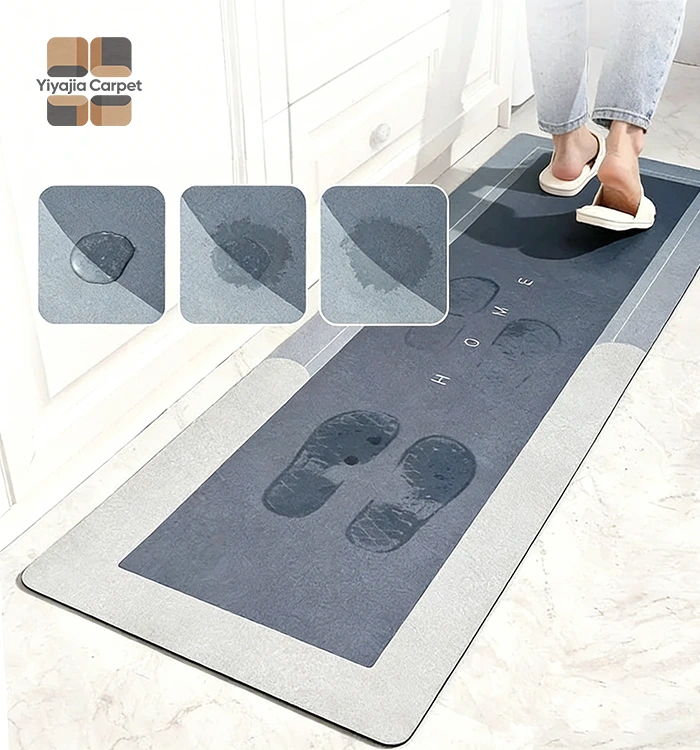
Diatomaceous earth surfaces don't stain because they have tiny pores that stop liquids from getting into the fibers. For basic cleaning, all you need is a damp cloth to wipe down the surface and deeper cleaning can be done with a regular wet mop. The fact that these compositions dry quickly means that there is less downtime after cleaning. Foam-backed alternatives break down when they get wet, but rubber backing doesn't delaminate or break down when it gets wet several times. Surface treatments last longer when you don't use strong chemical cleaners. pH-neutral products work well for most cleaning jobs.
Inspection and Replacement Indicators
Visual checks done on a regular basis find wear patterns on Stair foot mats before they become a safety risk. Checking for corner bending, edge fraying, or backing split on stair foot mats is a sign that it's time to replace the item. Using simple water splash tests to check slip resistance on stair foot mats on a regular basis shows if rough surfaces are still working. Tracking how often something is cleaned against how much it wears down helps figure out the best time to replace stair foot mats, which is usually 18 to 24 months in moderate business settings or 3 to 5 years in household settings. Planning ahead for new orders keeps safety gaps from happening when old stair foot mats wear out.
Cost-Effective Upkeep Programs
Setting up clear, planned repair routines cuts down on confusion among staff and makes sure that care is always the same. Buying cleaning supplies in bulk that are compatible with the material of the mat lowers the long-term costs. There are some providers that offer upkeep service plans that include cleaning supplies, inspection services, and planning for replacements all in one monthly price. These programs are good for property management companies that are in charge of a lot of different properties because they let specialized providers handle plans for care.
Why Affordable, Easy-to-Install Stair Floor Mats Are Worth the Investment?
Strategic stair security not only makes things safer right away, but it also pays for itself by lowering liabilities, improving organizational efficiency, and protecting assets.
Quantified Safety Improvements
Workplace safety groups have found that properly placed stair treads cut the number of slip-and-fall accidents by 60–80% compared to areas that aren't covered. These cuts directly lead to lower insurance rates, fewer workers' compensation cases, and less money spent on court costs. When you compare the possible claim costs to the costs of the mat investment, you get very good return rates. In business settings, break-even periods are usually less than 12 months. Improvements in safety that can be proven also help with arguments against premises liability claims, showing that the business is taking risks seriously.
Installation Efficiency Benefits
Products that are made to make installation easier cut project timelines by a large amount. Rubber-backed loose-lay systems can cover a normal business staircase with 15 steps in less than two hours. Adhesive carpet runners, which need to be installed by a professional, take a whole day. This speed is especially important when renovating buildings that are already occupied and people need to be able to use the stairs as little as possible during the work. Any extra money spent on more advanced materials is usually covered by lower labor costs due to easier installation. This makes the total cost of these choices the same as traditional ones while offering more ease.
Scalability for Growing Operations
Businesses that want to grow slowly instead of starting big projects all at once can use flexible minimum order amounts. Different operating scales can be supported by ordering anything from small test numbers to full container loads. Customization services, such as adding logos, matching colors, and changing dimensions, make it possible for brands to be consistent in many places. When applying tried-and-true methods to more properties, it's easier to avoid problems with procurement when there are reliable reorder processes and uniform product specs.
Conclusion
Strategic stair floor mats meet safety requirements and improve organizational efficiency by weighing the performance of the material against how easy it is to install and how much it will cost over its lifetime. Diatomaceous earth mixtures with rubber backing offer commercial-grade slip resistance, quick wetness management, and longer stability than other options for stair floor mats. Friction-grip methods make installation of stair floor mats easier, which cuts down on labor costs and speeds up rollout across multiple properties. By looking at traffic patterns, weather conditions, and budget limits in detail, the best stair floor mat solutions can be found that protect people, protect substrates, and make money by lowering legal risks and increasing asset life.
FAQ
Do These Mats Work on All Stair Surface Types?
Designs with rubber feet work well on most hard surfaces, like finished concrete, wood, tile, and flooring. Textured surfaces may need a little longer to settle because the backing has to fit the shape of the surface. For carpeted stairs, you usually need different options that are made for soft substrates.
What Installation Timeframe Should We Plan for Bulk Orders?
Modern loose-lay systems allow two-person teams to finish installing a normal 15-step stairs in about 90 to 120 minutes. Larger projects gain from having multiple teams work on them at the same time, and 100-step setups can be done in just one shift. Before placing large orders, trying a sample ensures fit and improves time estimates for certain situations.
Can We Order Custom Sizes with Integrated Installation Services?
Manufacturers that offer OEM and ODM customization usually offer physical adaptation to fit exact stair sizes. Some providers work with area installation networks to make sure that delivery and skilled installation services work together. Talking about the project scope during the initial questions makes it clearer what help options are available and how much they cost as a package.
Partner with Yiyajia Carpet for Reliable Stair Floor Mats Supplier Solutions
Yiyajia (Tianjin) Carpet Co., Ltd. makes high-performance stair safety using cutting-edge laser cutting and advanced heat transfer printing technologies. Our diatomaceous earth mixtures with rubber backing offer commercial-grade slip resistance while still being easy to put quickly, which cuts down on project costs. Full customization services, such as changing the size, choosing the pattern, and adding a name, help keep the brand's look consistent across multiple locations. Strict 100% pre-shipment checking procedures make sure that specifications are met, so there are no quality issues that delay projects. You can email our team at sale@yyj-carpet.com to talk about buying in bulk, get samples that fit your needs, or set up a meeting to talk about the best solutions for your business.
References
1. National Safety Council. "Stairway Safety in Commercial and Residential Settings: Statistical Analysis of Fall Prevention Interventions." Occupational Safety Research Journal, 2021.
2. Henderson, M. & Partners. "Material Performance Characteristics in High-Traffic Stair Applications: A Comparative Study." Building Materials Quarterly, Vol. 48, 2022.
3. International Building Standards Institute. "Slip Resistance Specifications for Commercial Flooring and Stair Treads." Construction Safety Guidelines, 2023 Edition.
4. Wallace, R. "Cost-Benefit Analysis of Preventive Safety Installations in Multi-Family Housing." Property Management Economics Review, 2022.
5. Chen, L. and Rodriguez, F. "Emerging Materials in Stair Safety: Diatomaceous Earth Applications and Performance Testing." Advanced Materials in Construction, Vol. 15, 2023.
6. Global Workplace Safety Coalition. "Reducing Slip and Fall Liability Through Proactive Surface Treatment Programs." Risk Management Best Practices, 2021.