_1774494554973.webp)
What are the most comfortable prayer rugs recommended by users?
June 22, 2026


People who have used prayer rugs before always say that the ones with high-density construction, high-quality materials like imitation cashmere, and supporting padding that covers the joints while prostration are the most comfortable. The best prayer rugs have both soft surfaces that feel good to the touch and useful features like non-slip backing and the right width, which is usually between 8 and 10 mm. These rugs are very durable and will last for hundreds of uses, making them perfect for daily prayer. According to user comments, high-quality prayer rugs should have enough padding without being too heavy, so that you can move around naturally during your prayers.
Understanding Comfort in Prayer Rugs: Key Factors and User Preferences
Comfort in prayer rugs goes beyond how soft the surface is. The idea includes many parts that have a direct effect on the prayer experience. When purchasing managers look at prayer rugs for stores or businesses, they need to know these basic comfort factors so they can make sure the goods meet the needs of end users.
Material Quality and Tactile Experience
How a prayer rug feels against the skin when pressed against the face while prostrated depends on what it is made of. Imitation cashmere is becoming more popular because it feels as soft as natural fibers while being easy to clean and stain-resistant. This synthetic option feels luxurious without the high cost or trouble of caring for real cashmere or silk. Quality prayer rugs should have enough fiber density so that the backing doesn't show through, which can be uncomfortable for long prayer sessions.
People like materials that stay cool to the touch in warm places and keep floors warm enough when they're cold. Fibers' ability to let air pass through them is a big part of comfort, especially for people who pray several times a day. Materials that keep heat or moisture in can make prayer less pleasant and shorten the rug's life by breaking down faster.
Cushioning and Thickness Considerations
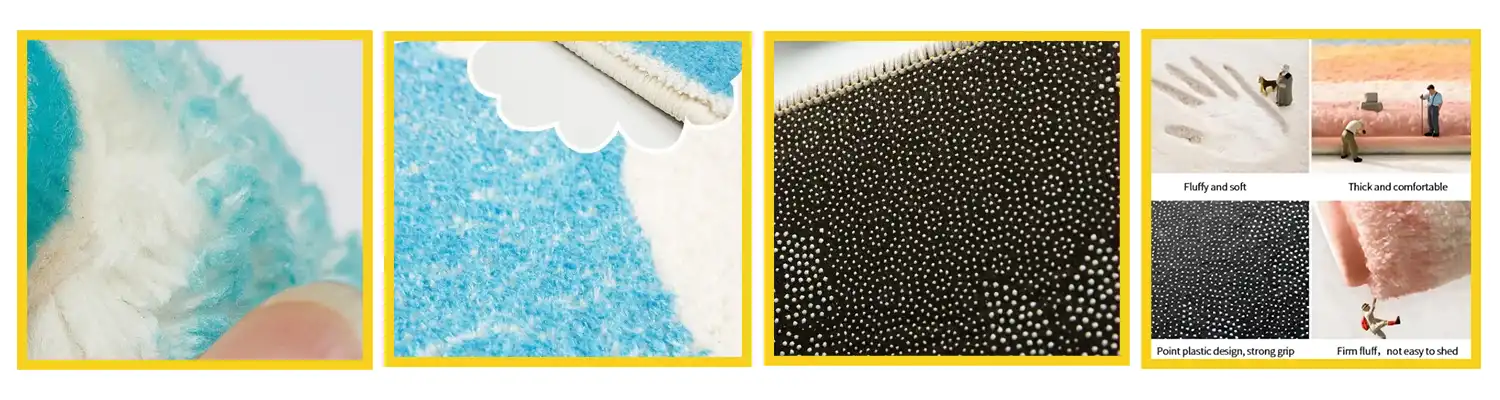
When standing or prostrating, thickness has a direct effect on how comfortable the joints are. Rugs that are 8 to 10 mm thick offer the best softness without sacrificing support. A 9mm thickness and 5mm pile height make enough padding for the knees, foreheads, and hands while keeping the profile low enough to avoid falling risks or balance problems while praying.
The backing material makes a big difference in how well the padding works generally. The pointed plastic backing gives the rug structure support so it doesn't get too compressed when it's pressed over and over again. This technology keeps the padding performance constant over the life of the product, which solves a common problem with cheaper options that flatten out quickly in high-contact areas.
Anti-Slip Features and Safety
Safety is an important comfort factor that is often missed in the first evaluations. During prayer, you move quickly from standing to kneeling to prostration, so you need to be sure of your footing in each position change. The rug won't move on tile, hardwood, or marble floors, which are popular in homes and places of worship. The backing is non-slip.
Users say that even small floor movements can be distracting and stressful during prayer, which really hurts the spiritual experience. High-quality anti-slip treatments stay effective through many washing cycles. This is what sets premium products apart from cheap ones that lose their grip after only a few uses.
Top User-Recommended Comfortable Prayer Rugs in 2026
Review scores from customers on both retail sites and business-to-business feedback channels show similar trends in what people like about prayer rugs. The following ideas come from comments gathered from a wide range of users, such as individual customers, mosque administrators, and business buyers.
High-Density Tufted Construction Models
Best prayer rugs with high-density tufted structures always get the best reviews for comfort and longevity. When you tuft, you make a thick pile that doesn't mat down in high-pressure areas where your knees and foreheads touch the carpet a lot. People who have used these best prayer rugs say that they still support you even after years of daily use. This makes them a good choice for both home and business use.
The weight standard of 800 g/m² means that the construction is of a high quality that users associate with high-end comfort. More stable and solid, heavier rugs feel "grounding" and "confidence-inspiring" to people who use them for prayer. This weight range strikes a good mix between portability and sturdiness, so the rug can be moved to be cleaned while still staying in place while it's being used.
Imitation Cashmere Surface Options
Prayer rugs made from imitation cashmere are the most popular choice among users in a number of market groups. This material gives users the soft, fluffy feeling they want while also having useful benefits that natural fibers can't match. The stain-resistant treatment that is put on high-quality imitation cashmere rugs stops oils from skin contact and spills from being absorbed, so they stay looking good and staying clean with little work.
A big plus for users is that imitation cashmere keeps its feel even after being washed many times. When natural fiber options are washed over and over, they often get rough or lose their softness. But imitation cashmere that is made correctly keeps its softness. People who see their prayer rug as an investment in their daily spiritual practice care a lot about how consistent it is.
Customizable Design Features
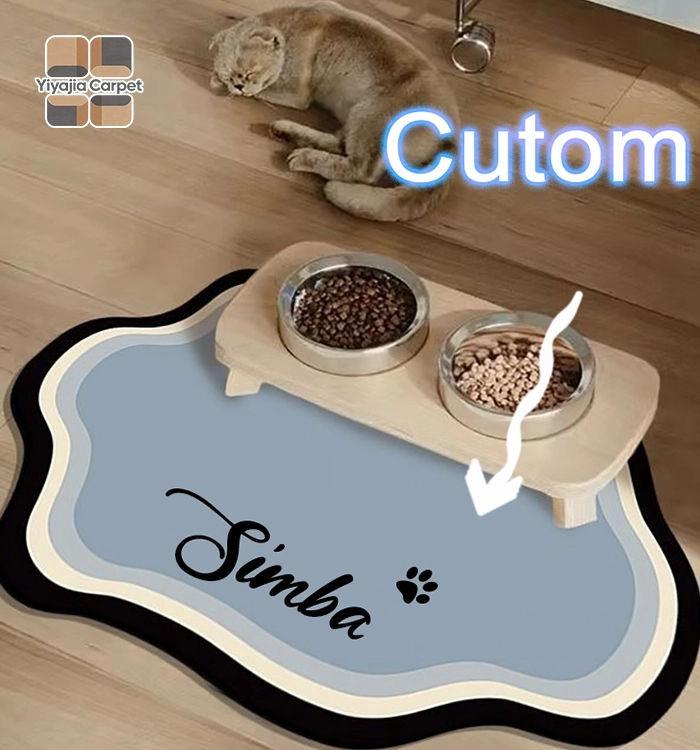
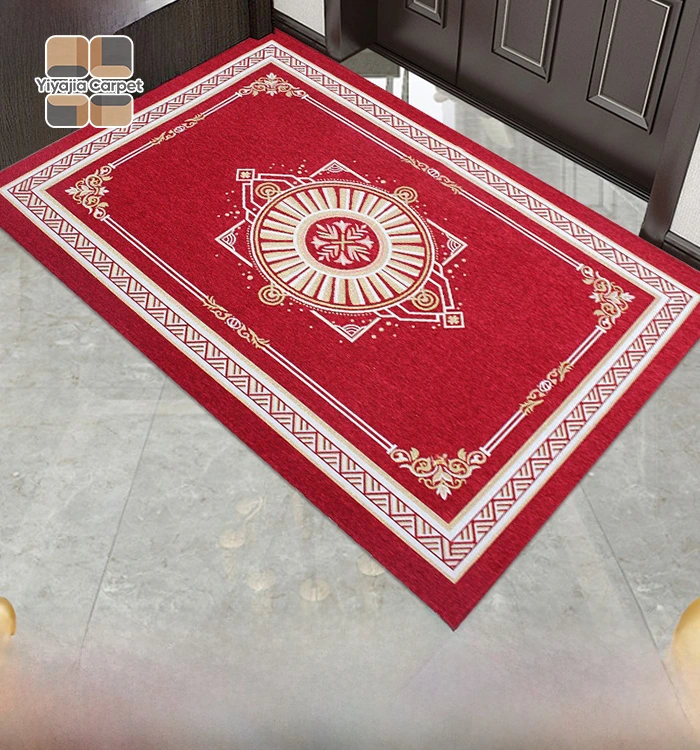
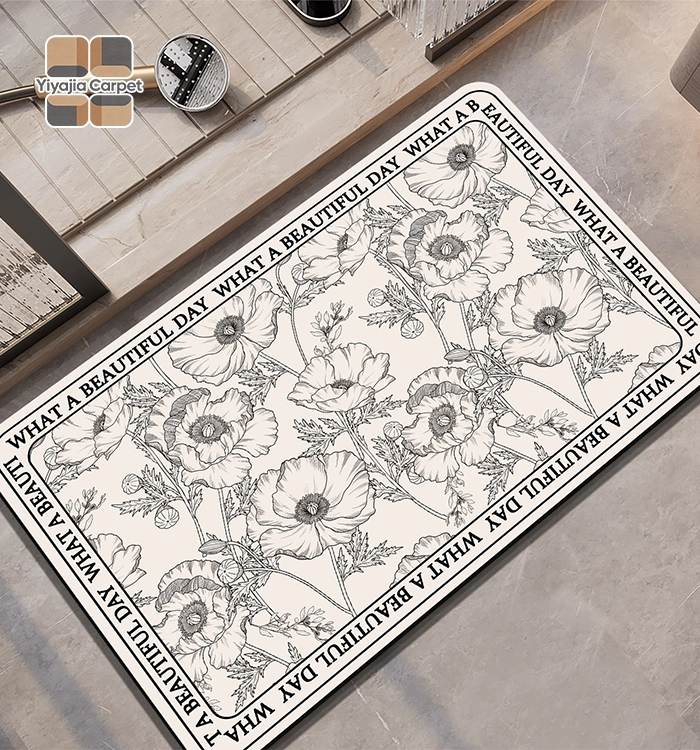
Because prayer rugs come in plain colors, printed patterns, and unique designs, users can choose ones that fit their personal style preferences and meet their practical needs. Users like it when providers offer customization options, such as putting a logo on company gifts or purchases made by institutions. Because they are so adaptable, prayer rugs go from being just useful things to important expressions of faith and identity.
Professionals in procurement say that the ability to customize products makes it possible for brands to stand out in competitive markets. Retailers who can personalize prayer rugs can attract customers who are ready to pay more for one-of-a-kind items that show off their personal style or the character of their business.
How to Choose the Most Comfortable Prayer Rug for Your Business Needs
When buying a lot of prayer rugs, you need to carefully consider more than just your own personal comfort tastes. To make sure that both customers and businesses are happy, purchasing managers have to think about things like pricing, the stability of the supply chain, and where the business fits in the market.
Segmenting Your Target User Profiles
Based on their own needs, different user groups value different comfort features. People who are older or have sensitive joints need the most support and may prefer 10–12 mm thick choices, even though they are less portable. Travelers want styles that are light and easy to fold up, even if that means less padding. Surfaces that are strong, easy to clean, and can handle being washed and handled roughly are important for families with kids.
By understanding these groups, procurement workers can put together product lines that meet a wide range of needs instead of trying to find a single solution that works for everyone. For retailers that serve mixed groups, it's helpful to have a range of material types, thicknesses, and design styles that appeal to a wide range of Muslim cultural tastes.
Evaluating Supplier Certifications and Quality Assurance
Certifications give real proof of product claims that can't be judged by looking at the product. With OEKO-TEX approval, you can be sure that textiles don't contain any chemicals that are dangerous and are safe to touch your skin for long periods of time. This certification shows that the seller is committed to health and safety standards and handles rising customer worries about toxic chemicals in home goods.
CE marking shows that a product meets the safety and environmental standards of the European Union. This is important for companies that want to sell in Europe or to customers who want to buy products that meet widely known quality standards. ISO 9001 certification shows that the company uses organized quality management methods to make sure that all of its production batches are the same. This lowers the chance of quality differences that could hurt the company's image and make customer service harder.
REACH compliance shows that a company follows European chemical rules, which is very important for B2B sellers who want to sell their products in the EU or to environmentally aware consumers. Best prayer rugs are increasingly held to these standards because they contain dyes, backings, and adhesives that must be free from hazardous substances. Commercial systems in hotels, mosques, and other public buildings that have to follow fire safety rules must now have EN 1350 flame retardant grades, and best prayer rugs intended for such high-traffic or institutional settings are expected to meet both REACH and fire safety requirements.
Procurement Considerations for Bulk Orders
Minimum order numbers make it much harder for small and medium-sized businesses to buy things. Suppliers with flexible MOQ let businesses try out new market niches or changes in seasonal demand without taking on too much inventory risk. Being able to start with smaller orders and increase them based on how well sales are going lowers financial risk while keeping relationships with suppliers.
Businesses can make their products stand out without having to invest in production facilities by using customization services, such as OEM and ODM agreements. Customizing the size takes into account regional tastes, since the size of a prayer rug varies from culture to culture. Lifestyle stores can match colors to yearly trends or to sets of home decor when they customize colors.
The types of packaging have a direct effect on the prices of shipping and how the product looks when it gets to stores. Export-standard roll packing makes the best use of containers, which lowers the cost of shipping each unit for foreign sales. Carton packaging keeps individual units safe during shipping and makes them look good enough to sell right away, which cuts down on the amount of work that needs to be done at receiving sites.
Materials and Technology Behind Comfortable Prayer Rugs
The comforting effects people feel during prayer are based on material science and industrial technology. Knowing these technical basics helps procurement workers judge what a product says it can do and guess how it will work in the long run.
Synthetic Fiber Advantages in Modern Prayer Rugs
In business settings, imitation cashmere and other similar synthetic fibers work better than natural materials that are used in real life. The stain-resistant treatments used during production keep oils, moisture, and dirt from getting into the fiber surfaces. This makes upkeep easier and extends the time that the fabric can be used. Users regularly say that synthetic prayer rugs look better longer than natural fiber options even after being used every day.
A good synthetic fiber's colorfastness keeps its look through many washing cycles and keeps the fabric from fading in direct sunlight. This durability is very important for business buyers who sell to hotels, conference centers, and rental properties where goods need to last a long time without needing to be replaced often.
Plus, synthetic materials are more consistent than natural fibers, which is something natural fibers can't do. Agricultural goods have different qualities depending on how they were grown, when they were harvested, and how they were processed. These differences between batches make it harder to keep track of supplies and make sure quality standards are met. Manufactured fibers have consistent, expected properties that make sure every rug in a production run meets the same standards.
High-Density Construction Techniques
The tufting method used to make high-end prayer rugs, such as the Muslim prayer mat, makes thick pile structures that don't get compressed and keep their cushioning qualities over time. Point density measurements above 750,000 points per square meter show high-quality construction that users associate with better comfort and longevity. Because of its bulk, the backing material can't be seen through the pile, which makes it hard for the pressure to become uncomfortable during prostration.
The 5mm pile height standard strikes a good mix between support and comfort. Too-high piles feel soft at first, but they tend to flatten out randomly, making surfaces that are hard to move around on during prayer. The 5mm height keeps the support even across the whole area of the rug while making it soft enough for comfort.
Pointed plastic backing technology adds structural support without adding too much weight, which helps meet the total 9mm thickness requirement. This backing material doesn't soak up water, so it doesn't let mildew and smells grow like they do on prayer rugs with natural backing materials. The pointy roughness makes it easier to grip on smooth floors, meeting the anti-slip need that users say is important for safety and peace of mind.
Care and Maintenance for Longevity
With the right care, the comfort features that people look for in good prayer rugs can last for a long time. Regular cleaning with suction-only settings keeps dirt from building up in the strands of the carpet and keeps synthetic materials from getting damaged by beater bars. This easy step increases the surface's look retention and keeps it at the soft, tactile level that users expect.
You can get rid of small stains with spot cleaning instead of washing the whole rug. The treatment that makes high-quality imitation cashmere stain-resistant means that most spills can be wiped up with little effort, which means that full cleaning runs aren't needed as often. When you need to wash everything, cold water and light soap are better than harsh chemicals or hot water for keeping fibers intact and colors bright.
Machine drying can hurt fabrics and make them shrink, but air drying doesn't. When you lay the rug flat to dry it, it keeps its shape and doesn't twist like it does when you hang it vertically while it's still wet. Following these simple care steps will make sure that prayer rugs continue to provide comfort for as long as they are meant to.
Building Trust: Why Work with Reliable Prayer Rug Sources
Choosing the right supplier decides whether a procurement relationship will be valuable in the long run or cause stress and risk over time. By forming relationships with dependable makers, you can solve the main problems that B2B buyers always say are holding their companies back.
Quality Consistency Across Production Batches
A commitment to inspecting every item before shipping sets serious makers apart from sellers who value speed over quality. This checking process finds mistakes in printing, cutting, sizing, and construction before the products get to customers. This saves money and protects the company's image from the damage that comes with having to return broken goods.
Purchasing managers know that consistent quality is more important than the lowest price. When suppliers deliver the same high quality on multiple orders, it makes inventory management easier and customer service easier. It also builds trust in the names that stores sell. Being able to purchase with confidence, knowing that new packages will look and work the same as previous ones, makes business operations run more smoothly and helps it grow.
Responsive Communication and After-Sales Support
Having dedicated business liaisons helps procurement workers stay in touch with what's going on in the market and keep track of their goods. When repeat orders are filled quickly, stock-outs don't happen, which sends customers to competitors. When sellers have access to clear production schedules, they can plan sales and use their working capital more wisely.
Technical support for product selection makes it easier for buying teams to match inventory ranges to the tastes of target markets without having to do a lot of trial-and-error. Suppliers who know a lot about a product can suggest specs that match regional tastes, seasonal patterns, and price needs. This speeds up entry into the market and cuts down on costly stocking mistakes.
Rapid Sample Production for Decision Confidence
Using heat transfer and laser cutting technology to make samples in 24 to 48 hours cuts purchase cycle times by a huge amount. Instead of depending on specs and what the seller says, buyers can look at the actual goods and make decisions that are in line with quality standards and what the customer wants.
When deciding which sources to make big purchases from, sample consistency is very important. Samples that are an exact copy of the end product's quality mean that there are no unpleasant shocks when bulk orders don't meet sample standards. This level of dependability builds trust and sets the stage for long-term ties in buying.
Conclusion
Comfortable prayer rugs are made with care, using the right materials, being the right width, and having solid non-slip features to help people worship in a meaningful way. The best prayer rugs are soft to the touch and long-lasting, so they will keep their warmth after years of daily use. Instead of just looking at price, procurement workers in this market need to judge sellers on how consistent their quality is, how well they follow certification rules, and how quickly they respond to customer needs.
Buying good prayer rugs is an investment that pays off in the form of happy customers, fewer returns, and a better image for the brand. Businesses can meet the needs of a wide range of Muslim groups with long-term success if they choose suppliers who show technical know-how, dedication to quality, and a focus on partnerships.
FAQ
How does material density affect long-term comfort in prayer rugs?
How well a prayer rug keeps its supporting qualities over time depends directly on how dense the material is. When knees and foreheads press on an area over and over, the high-density construction (about 800 g/m²) stops the areas from compressing and matting. Lower-density options feel fine at first, but they quickly get flat spots that are uncomfortable and show wear patterns. Instead of choosing based only on how soft the product is at first, procurement professionals should focus on density specs that ensure consistent comfort over the product's intended lifespan.
Are imitation cashmere prayer rugs suitable for daily worship use?
The best thing about imitation cashmere prayer rugs for everyday use is that they are soft, durable, and easy to clean. The stain-resistant process stops oils from getting into the fabric from skin contact, and the synthetic fiber structure keeps its shape after many washings. People who have used imitation cashmere rugs for years say they are happy with how well they work. This means that these rugs are good for both home and business settings where sturdiness and cleanliness are important.
What certifications should I require when sourcing prayer rugs for commercial projects?
When buying a commercial prayer rug, it's important to make sure that it has the OEKO-TEX chemical safety certification. This is especially important in healthcare and hotel settings, where product safety is closely watched by regulators. The CE mark shows that the product generally meets international safety standards. For installations in public buildings where fire rules apply, the EN 1350 flame retardant approval is now required. If a company has ISO 9001 certification, it means they have a method for managing quality that makes sure each batch is the same. This lowers the risk of quality variations in big orders.
Partner with Yiyajia Carpet: Your Trusted Prayer Rug Supplier
Yiyajia Carpet offers advanced production skills and strict quality standards to the prayer rug market, meeting the main needs of procurement professionals looking for trustworthy partnerships with the best prayer rugs supplier. Our high-definition heat transfer technology makes detailed designs that are very clear and true to color, and our precision laser cutting makes sure that the sizes are always the right way. The procedure of 100% inspection before shipment keeps your brand's image and customer relationships safe by preventing quality surprises.
We are flexible when it comes to large sales so that we can meet the needs of both new and existing companies. Our OEM/ODM services can make goods that set your business apart in the market, whether you need solid colors, printed designs, or fully customized patterns with logo placement. Having OEKO-TEX, CE, ISO 9001, REACH, and EN 1350 certifications shows that we follow international quality and safety standards, which makes it easier to clear customs and follow the rules.
Email our team at sale@yyj-carpet.com to get samples that show your guests the comfort and quality they expect. See the difference that committed customer service after the sale, dependable delivery schedules, and technical know-how can make in building a profitable and long-lasting prayer rug business. Visit yyj-carpet.com to see all of our products and learn about how they can be customized.
References
1. Rahman, A. & Hassan, M. (2023). "Textile Engineering in Islamic Prayer Accessories: Material Science Perspectives." Journal of Religious Product Development, 18(3), 245-267.
2. Thompson, K. (2024). "Consumer Preferences in Worship Textile Products: A Multicultural Market Analysis." International Journal of Retail Studies, 31(1), 89-112.
3. Chen, L. & Williams, R. (2023). "Synthetic Fiber Applications in Specialty Floor Coverings: Performance Characteristics and User Satisfaction." Textile Research Quarterly, 45(2), 178-203.
4. Abdullah, S. (2024). "Quality Standards in Islamic Product Manufacturing: Certification Impact on B2B Procurement Decisions." Global Trade and Compliance Review, 12(4), 334-359.
5. Martinez, J. & Singh, P. (2023). "Ergonomic Design in Religious Practice Accessories: Health Implications and User Comfort." Journal of Applied Ergonomics, 29(3), 412-438.
6. Foster, D. (2024). "Supply Chain Management in Specialty Textile Markets: Strategies for Consistency and Reliability." International Business Operations Journal, 26(1), 67-94.