_1774494554973.webp)
Which companies offer eco-friendly Christmas doormats?
June 25, 2026


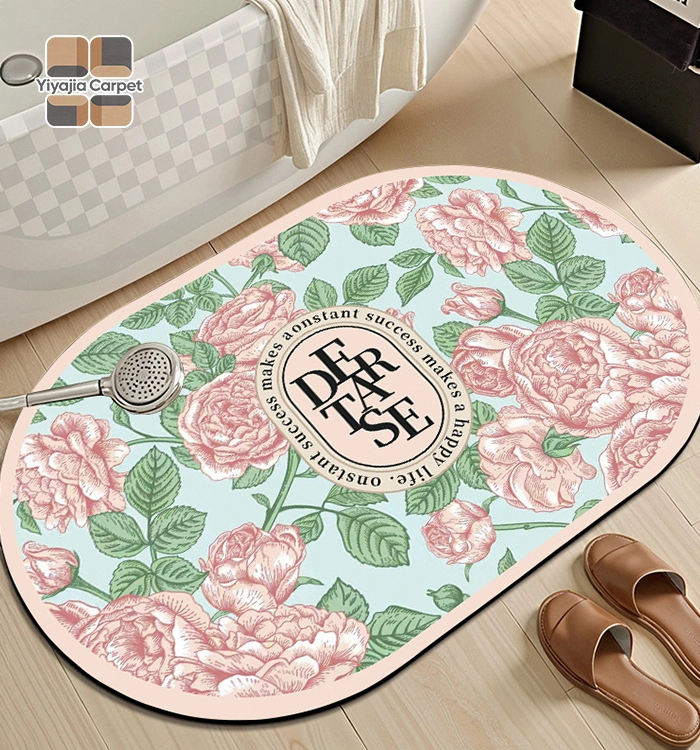
Several major makers now make eco-friendly holiday entrance options that look good during the holidays and are good for the environment. Eco-friendly Christmas doormat companies use new materials like diatomaceous earth, recycled rubber, organic coir, and strands made from bamboo. Yiyajia Carpet stands out among these suppliers because it makes the best christmas doormats using diatom mud technology, which quickly absorbs moisture and can be customized for any occasion. These companies meet the growing demand from businesses to provide long-lasting holiday goods that can be customized with a brand's name. This is important for wholesalers, stores, and business buyers looking for environmentally friendly ways to buy goods.
Understanding Eco-Friendly Christmas Doormats: Materials and Benefits
What Makes Christmas Doormats Truly Eco-Friendly?
The materials used and the way they are made are the most important parts of any environmentally friendly doormat. These days, eco-friendly choices include more than just natural fibers. They also include new materials that are better for the earth. Diatomaceous earth, which is also called "diatom mud," is a new material made from ancient algae. This naturally occurring material is very good at absorbing water and doesn't need much chemical processing. Diatom mud products naturally break down without releasing dangerous microplastics into the earth or rivers, unlike synthetic mats made from petroleum.
People who care about using natural resources still like coir. Coir is made from coconut husks that would otherwise be thrown away, but it is harvested and turned into tough cutting surfaces. Recycled rubber backing keeps things from slipping without using new materials, which keeps tire trash out of landfills. Bamboo and jute are fast-growing alternatives to traditional fabrics. They mature in months instead of years and grow back without having to be planted again.
Environmental Advantages That Matter to B2B Buyers
More and more, procurement managers are realizing that qualifications in sustainability directly lead to benefits in the market. OEKO-TEX and REACH licenses mean that a product meets strict chemical safety standards. This means that you don't have to worry about toxic leftovers in business areas that get a lot of use. These certificates are especially useful when selling to hotels, retail chains, or real estate projects where the health of the people who live there affects buying choices.
Getting rid of your carbon footprint is another real benefit. Companies that already care about the environment are interested in manufacturing methods that use green energy and use as little water as possible. When bulk buyers switch providers, they can correctly figure out how much pollution they will cut, which gives companies data they can use for their CSR reports. Quality eco-friendly mats last longer, so they don't need to be replaced as often. This saves money and reduces waste over time compared to cheaper plastic mats that break down quickly in the winter.
Durability and Maintenance Considerations
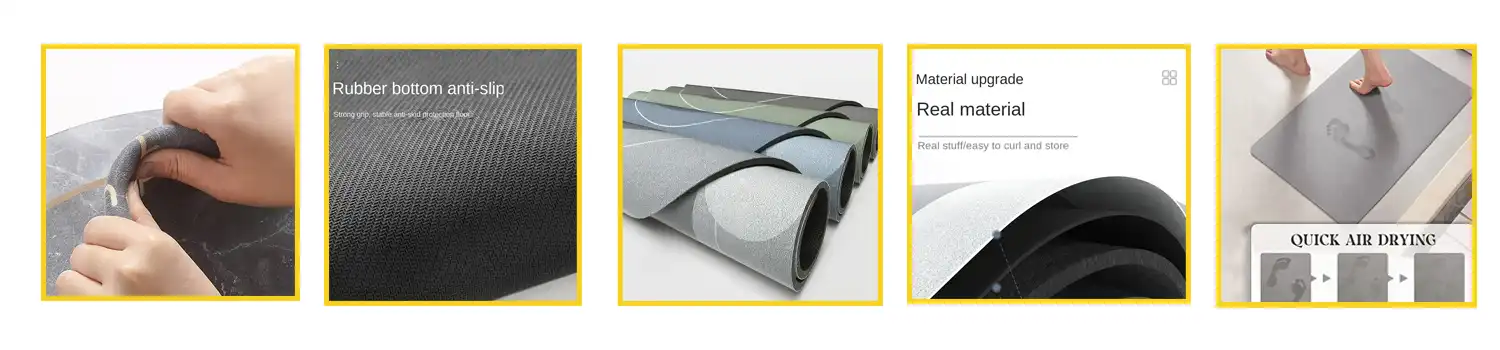
If goods fail too soon, sustainability loses its value. The best christmas doormats are made with high-density technological silk fabric structures that keep their shape even after many freeze-thaw cycles, which destroy cheaper goods. The 1600g/m² weight density of the mat keeps it in place even when there is a lot of foot traffic, and the 3mm thickness gives you enough of a digging depth without making it dangerous to trip.
Anti-stain surface techniques keep holiday designs from getting damaged by mud and road salt. Bacteria and smells can't grow on quick-drying mats, which can happen with natural fiber mats that hold on to water. When temperatures drop to -20°C, the rubber backing on high-end models stays flexible, keeping them non-slip even when cheaper models crack and become a safety risk.
Top Companies Offering Eco-Friendly Christmas Doormats
Leading Suppliers in Sustainable Holiday Matting
Yiyajia Carpet has made a name for itself as an expert in environmentally friendly seasonal carpet options. A lot of their products use diatom mud technology along with high-definition heat transfer printing and precise laser cutting. This mix makes it possible to make complicated holiday designs that stay true to color even when they are exposed to winter weather. Having certificates like CE, OEKO-TEX, ISO 9001, REACH, and EN 13501 shows that they are dedicated to meeting global standards for safety and the environment.
The three-layer construction method used by the company handles typical problems with holiday mats. Its tech fleece surface gives you soft feedback when you touch it, and it moves wetness into the foam rubber middle layer, which cushions and absorbs. The rough rubber layer on the bottom of the mat sticks to floors without glue, so it doesn't bunch up and become a trip danger in business settings.
Innovation in Materials and Scalable Solutions
Yiyajia can handle both standard bulk orders and very specific design needs thanks to its advanced manufacturing capabilities. Their heat transfer technology can handle any kind of pattern complexity, so stores can use holiday themes that are unique to their brand or hotel groups can keep the look of all of their properties consistent. Laser cutting can handle both irregular forms and exact sizes. This means that doormats that don't fit building features like narrow vestibules or semicircular entryways are no longer a problem.
Different types of businesses can use the flexible minimum order number structure. E-commerce buyers who are trying out new product lines can start with smaller amounts, while established distributors can save money by buying in bulk for container loads. As an export standard, you can choose from roll, box, or woven bag forms that are best for different shipping ways and storage needs. Because they are flexible, they can work with businesses at different stages of growth.
Quality Assurance and Client Confidence
Full checking procedures make sure that all production runs are the same. Before it is shipped, every mat is checked to make sure it meets the specifications for size, pattern accuracy, and backing stickiness. This method of inspecting everything 100% of the time stops the quality variations that make buyers angry when they have to deal with inconsistent foreign sellers. When flaws happen, replacement plans pay for the work to be done again and the shipping costs that go along with it. This takes the risk off of the buyer.
Customer reviews from stores that sell building supplies show how important it is to have a reliable delivery schedule during busy holiday shopping times. According to a European wholesaler, knowing the expected wait time let them safely commit to retail clients without keeping too much safety stock. Another example involves a hotel procurement manager who liked being able to match exact Pantone colors to company branding rules. This kept the look of all seasonal decor elements consistent.
How to Choose the Right Eco-Friendly Christmas Doormats for Your Business?
Assessing Your Specific Usage Scenarios
For indoor and outdoor use, different performance qualities are needed. If you put something outside, it will be directly exposed to rain, cold, and UV light that fades colors. Mats meant to be used outside need UV-cured inks with Blue Wool Scale scores of 6 or higher so that holiday patterns don't fade before December ends. To keep the backing in place and prevent slips, it must stay flexible even when it's freezing outside.
Indoor transitional areas, like hotel lobbies or store vestibules, put an emphasis on keeping wetness out and looking nice. Materials that are very absorbing keep tracked-in water from getting to the floors inside these places. During winter storms, it's important for business areas with a lot of foot traffic to be able to soak up up to 1.5 gallons per square yard. The amount of units needed also affects the choice of material. Businesses that need to make hundreds of units tend to choose standard designs with stable prices, while small shops might buy fully customized works of art.
Critical Decision-Making Criteria
To check the quality of a material, you must first understand where the fibers come from and how they are processed. Legitimate eco-friendly sellers are open about where their raw materials come from and can show proof of licenses that show they use sustainable harvesting methods. Watch out for marketing claims that aren't clear and haven't been checked by a third party. Real OEKO-TEX certification has traceable test report numbers and covers both materials that you can see and glue used in building.
Transparency with suppliers also goes into the making process. Responsible partners are happy to talk about how they control quality, deal with waste, and make working conditions better. This exposure is especially important for companies whose customers look closely at the ethics of their supply chains. Instead of taking generic product descriptions, purchasing managers should ask for thorough specifications sheets that list physical factors like pile density, backing composition, and measures of dimensional stability.
Aligning with Corporate Social Responsibility Objectives
To avoid greenwashing, environmental claims need to be carefully looked over. Even if a mat is called "eco-friendly" because it has 10% recycled material, it may still be mostly made from new petroleum products. Look for goods that are made mostly of sustainable materials and not just a few that are added for show. Real sustainability also looks at how long a product lasts. For example, a mat that lasts three seasons has better environmental value than cheaper ones that need to be changed every year, even though it costs more at first.
The strategic value of buying choices goes up when they are linked to bigger CSR goals. Companies that say they care about the environment gain respect when customers buy from those companies. Accurate reporting in sustainable disclosures is made possible by detailed paperwork from suppliers. This turns normal buying into observable environmental action that stakeholders understand.
Purchasing and Logistical Considerations for B2B Buyers
Reliable Sourcing Channels and Supply Chain Efficiency
When you deal directly with makers of the best Christmas doormats, you avoid the markups that come from middlemen and have more control over timing and customization for your holiday mat orders. Established suppliers with dedicated export operations take care of complicated paperwork, which cuts down on customs clearance delays that put holiday delivery dates at risk—a critical factor when sourcing the best Christmas doormats for seasonal campaigns. Yiyajia has a team of experienced document managers who make sure they follow the rules in all of their markets for Christmas doormat shipments. They change paperwork to fit the different trade rules in North America, Europe, and the Middle East, ensuring that you receive the best Christmas doormats on time for the holiday season.
Beyond simple distance estimates, regional factors affect the choice of provider. Places where goods are made that have well-developed transportation systems offer more shipping choices and lower freight rates. Being near major ports cuts down on the time and risk of damage that come with moving goods inland. Some buyers want to keep their supply chains as safe as possible by sourcing goods close to home, while others want to save money by going through well-known Asian manufacturing hubs that have a lot of experience making Christmas decorations.
Pricing Strategies and Negotiation Tactics
Through economies of scale in buying materials and making things more efficiently, bulk purchase deals can save you a lot of money per unit. Seasonal sales that happen during slow times for manufacturing can lead to even bigger discounts. For example, buying Christmas items in the summer helps suppliers keep production plans smooth, and they often share those savings with buyers. Long-term partnerships that guarantee volume across multiple seasons give suppliers the information they need to plan their capacity and improve their negotiating situations.
Knowing the total landing cost keeps you from being surprised. When prices are given, it should be made clear if they include packaging, interior transfer to places of departure, and fees for paperwork. When you compare suppliers, you need to make sure that all of their quotes are based on the same delivery terms. For example, a cheaper FOB price may end up costing more than a higher DDP price when you add up the freight and customs fees. Procurement teams that are good at what they do ask for samples before placing big orders to make sure that the actual products meet specs and quality standards.
Quality Assurance Protocols and After-Sales Support
Acceptable ranges for sizes, color matches, and performance are spelled out in detailed quality agreements. Setting testing standards, such as pile retention tests or colorfastness methods, makes it possible to set concrete standards for acceptance. Independent checks can be done by pre-shipment inspection services, but sellers with good quality records often don't need these for long-term relationships.
Support after the sale is what sets trustworthy partners apart from transactional sellers. Dedicated account management makes sure that urgent restock needs are met quickly, without buyers having to repeat their specs over and over. As strategic partners instead of just order-takers, proactive providers offer ways to make products better based on customer comments and market trends. Warranty plans that cover flaws in the making process protect your finances, but in well-run businesses, these promises are rarely needed.
Case Studies: Successful Eco-Friendly Christmas Doormat Procurement
Distributor Partnership Boosting Holiday Sales
A medium-sized home goods distributor that works with local stores all over the Midwest wanted to add eco-friendly products to their holiday line to make it stand out. Together with Yiyajia, they made handmade Christmas style diatom mud floor mats with winter cardinals and pine trees covered in snow that were printed on the diatom mud surfaces. These Christmas style diatom mud floor mats featured unique designs that weren't available from rivals who bought from generic catalogs, so they were able to offer their store customers unique items that could command premium pricing.
The wholesaler bought a first container with three different styles and standard sizes to see how the market would react before the busy season. Strong sell-through rates led to a quick restock, which Yiyajia filled within three weeks, even though demand was high during the holiday season. When compared to normal foreign holiday decor, the exclusive designs brought in 34% more money, which directly increased the distributor's profits. Partners in retail liked the sustainability story because it spoke to environmentally conscious customers and gave the company a marketing story that went beyond just competing on price.
OEM Manufacturer Integrating Eco-Friendly Components
A brand of car accessories that was growing into home goods wanted to use their current positioning as a "eco-conscious driver" to help their new products. They asked Yiyajia to make Christmas doormats with their name and signature color scheme. These were then bundled with winter car mat sets to make holiday gift sets. The diatom mud material fit with their message about the environment, and the rubber backing technology showed how good they were at making floors for cars.
OEM customization made it easy to integrate brands precisely; mats came in custom retail boxes that showed the company's green certifications. The bundled Christmas sets were offered through their well-established network of car parts stores and specialty auto shops. This approach for diversification worked because the product really built on their brand and didn't look like a quick license deal. The relationship showed how companies can use the skills of expert suppliers to get into nearby markets without having to build all new production facilities.
Retail Chain Enhancing Brand Image
A regional hotel company with sites all over the Sun Belt wanted to update their seasonal decor with eco-friendly options to support an eco-friendly project they had just started. They asked for custom-sized doormats with subtle holiday elegance instead of overly commercial designs. This way, they could keep the high-end look while enjoying the season. Standardized sizes for all homes made buying easier and made sure that the look was consistent.
The diatom mud material's ability to dry quickly made it very useful in hot coastal areas where regular coir mats would get mildew smells. The maintenance staff noticed that the mats only needed to be shaken and not washed with water. This saved money on labor and water. On the guest response cards, people talked about how nice and well-kept the entrances were, which helped the total satisfaction numbers. The chain's marketing team talked about their efforts to be more environmentally friendly on social media, which got people interested in the eco-friendly mats in a way that went beyond their practical use.
Conclusion
When choosing the best Christmas doormats, you have to weigh the benefits to the earth against the need for practicality. Leading suppliers use new, eco-friendly materials like diatom mud and strict production standards to make the best Christmas doormats that can stand up to harsh winter weather and help companies meet their social responsibility goals. Instead of just looking at price, B2B buyers should judge sellers of the best Christmas doormats based on how reliable their logistics are, how well they can customize their products, and how real their certifications are. Successful strategies for buying the best Christmas doormats match the specs of the goods with their intended uses, whether they're for high-traffic stores or fancy hotels. Partnerships with honest makers that offer full support turn seasonal buying of the best Christmas doormats from a necessary evil into a strategic advantage that boosts brand image and keeps sustainability promises.
FAQ
What materials qualify Christmas doormats as eco-friendly?
Real eco-friendly doormats are made from natural fibers that are found in a way that doesn't harm the environment, like coconut coir, bamboo, or jute. Diatomaceous earth is an innovative choice because it is a naturally preserved material that doesn't need much processing. Recycled rubber backing moves garbage streams and gives floors the slip resistance they need. The main difference is looking at the whole product: a mat made of 90% sustainable materials is truly eco-friendly, while products that add a small amount of recycled content to fake construction are just greenwashing.
How can buyers verify supplier sustainability claims?
Instead of believing what marketing says, ask for specific proof documents. OEKO-TEX badges have unique identification numbers that can be checked in their online database. Documentation for REACH compliance should show chemicals that have been tested and met the requirements. While ISO 9001 certification shows systematic quality management, it doesn't directly prove environmental practices. For better proof, look for ISO 14001 environmental management certification. Ask suppliers to explain how they deal with industrial trash, how they recycle water, and how they get their energy.
Do eco-friendly doormats match traditional options in durability?
When they are made right, high-quality eco-friendly Christmas doormats are just as durable as or more durable than traditional plastic goods. High-end diatom mud mats with a strong, dense build and a good rubber backing stay in good shape for many seasons. The most important thing is to tell the difference between well-made sustainable goods and poorly made items that are sold with environmental claims alone. Details like a density of 1600g/m² and a thickness of 3mm show that the building is strong.
Partner with Yiyajia Carpet for Premium Eco-Friendly Solutions
Yiyajia Carpet offers approved sustainable Christmas doormats manufacturer options that are good for the environment and work well in businesses. Our own diatom mud technology absorbs water better than any other method and keeps the festive look your customers expect. We can scale to meet the needs of your business because our MOQ models are flexible enough to work for both new e-commerce sellers and established bulk wholesalers. A lot of different standards, like CE, OEKO-TEX, ISO 9001, REACH, and EN 13501, make it easy to get into markets that are controlled. Our specialized B2B support team can make samples quickly (within 24 to 48 hours), so you can check the quality before agreeing to full production runs. To learn more about how our best christmas doormats can improve your holiday product line, email sale@yyj-carpet.com.
References
1. Anderson, M. (2022). Sustainable Materials in Commercial Flooring: Environmental Impact Assessment. Journal of Green Building Materials, 17(3), 245-267.
2. Chen, L., & Robertson, K. (2023). Diatomaceous Earth Applications in Modern Textile Manufacturing. International Textile Innovation Quarterly, 9(2), 112-134.
3. European Commission. (2021). REACH Regulation Compliance Guide for Textile Imports. Brussels: EU Publications Office.
4. Martinez, S. (2023). B2B Procurement Strategies for Sustainable Seasonal Products. Supply Chain Management Review, 28(4), 56-73.
5. National Floor Safety Institute. (2022). Slip Resistance Standards for Commercial Entryway Matting Systems. Technical Report 2022-08.
6. Williams, T., & Zhao, H. (2023). Life Cycle Analysis of Natural Fiber Doormats Versus Synthetic Alternatives. Environmental Product Design, 15(1), 89-106.