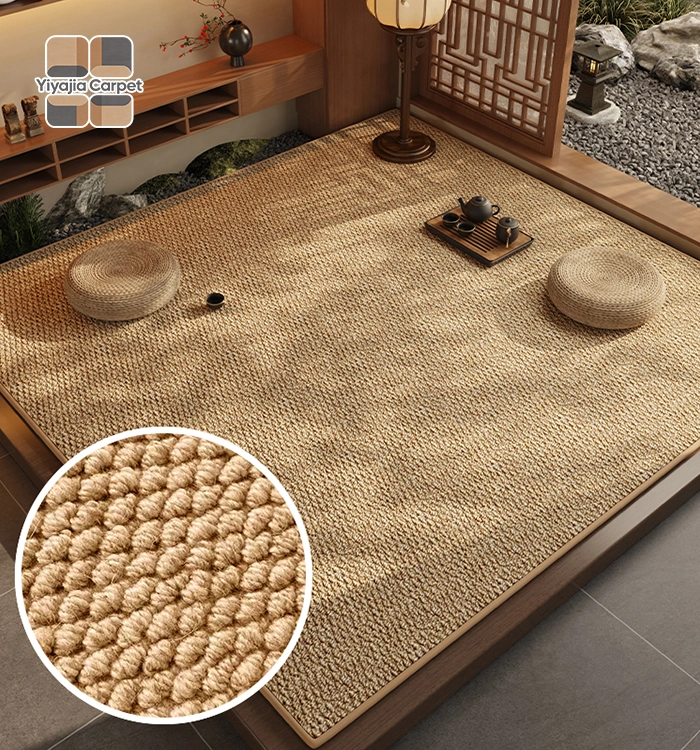
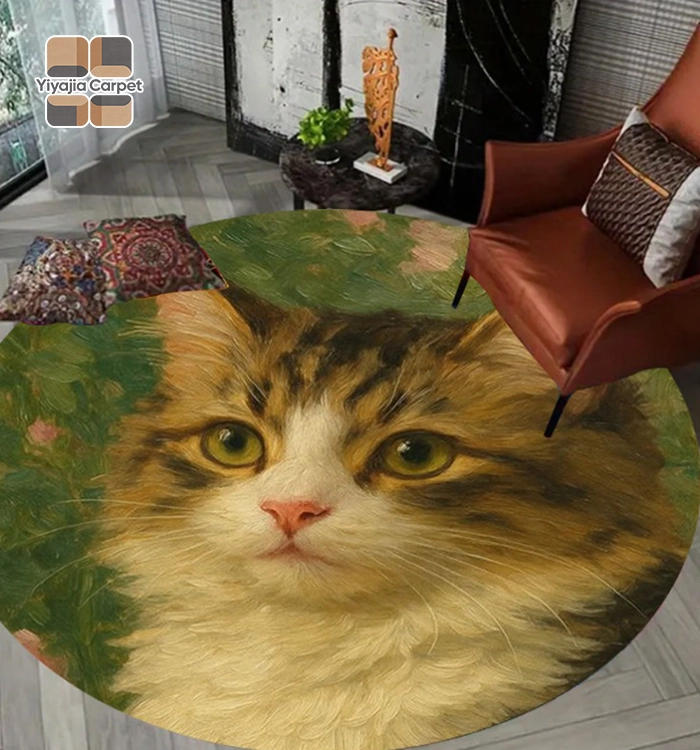
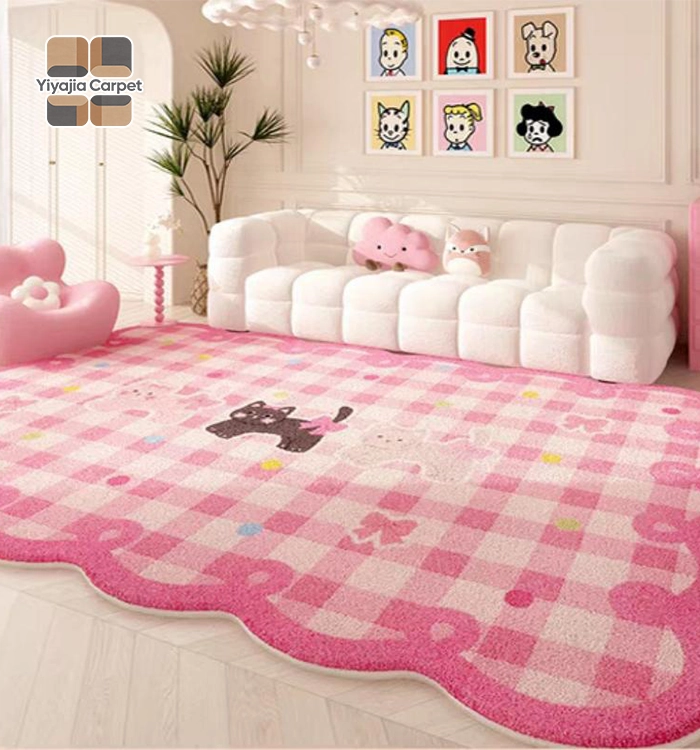
_1774494554973.webp)
Small living room carpet texture recommendations for modern homes
June 24, 2026


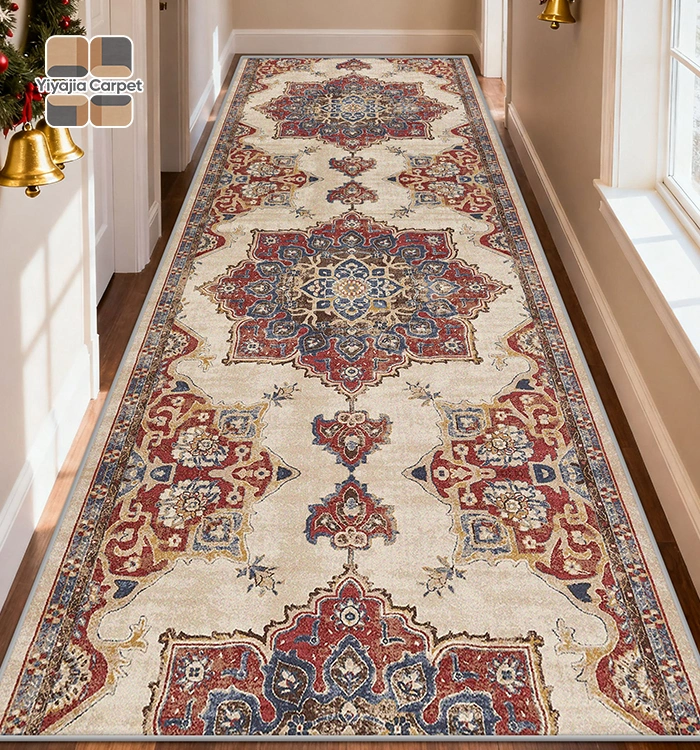
To choose the right small living room carpet, you need to know how different textures can change the look of small rooms. In modern homes with limited space, rugs with fine faux cashmere surfaces and TPR backing are a good choice. These materials are soft to the touch and have great grip, so they keep things from moving around and make walking more comfortable. Texture choices have a direct effect on how space is perceived. For example, low-profile designs make space look bigger, while thicker weaves make places with a lot of foot traffic last longer. The latest carpet textures combine style and functionality, meeting the needs of urban homes where every design element needs to be able to support its position through both form and function.
Understanding the Impact of Carpet Texture in Small Living Rooms
The softness of carpet changes the way we feel in small rooms in a big way. Light reflection, sound absorption, and tactile feeling are all controlled by the physical structure of fiber building. These are three very important factors that have a big impact on how we understand space. When floor coverings have smooth, consistent textures with little difference in the pile, light bounces evenly across surfaces, giving the impression of consistency that makes rooms look bigger. This effect is especially useful in homes and condos where the space between the walls isn't big enough for normal furniture setups.
Texture Influences on Visual Perception
Textures that are dense and low-profile make clean lines that make things look less cluttered. Edge-locking technology in machine-woven fabrics keeps the shape and stops the bowing and ripples that break up visual space. Textures that don't have heavy shag or uneven pile heights work best in rooms that are less than 300 square feet. These types of textures can make rooms feel too small and out of balance.
Acoustic and Comfort Considerations
Small living spaces make sound reverberate more because there is less surface area to absorb it. Carpets with thick fiber patterns trap sound waves in the air, which lowers echo and makes rooms quieter. The faux cashmere layer on top blocks out noise while still letting air flow, which keeps moisture from building up like it does with synthetic materials. This dual usefulness solves two problems that come up a lot when people live in small spaces: noise control and keeping the air quality high.
Addressing Maintenance Difficulties
Smaller tracks make dirt and wear patterns stick together more. Textures made with stain-resistant treatments and odorless materials make it easy to clean up stains quickly without the help of a professional. When you clean your machine-woven fibers over and over again, they don't shed. This keeps the look consistent, which is important in places where flooring takes up a lot of visual space. People who work in procurement know that how well repair is done has a direct effect on long-term client happiness and replacement cycles.
How to Choose the Best Carpet Textures for Modern Small Living Rooms
Structured decision-making processes take the guesswork out of choosing a style. We suggest using a method for analyzing options that puts usage cases, material performance, and supplier reliability at the top of the list. This method matches product specs with real-world practical needs instead of just personal taste.
Defining User and Usage Scenarios
Applications in homes are very different from those in businesses. Carpets in studio flats, including the small living room carpet, need to be able to handle daily foot traffic and the odd moving of furniture. When e-commerce stores buy things for urban markets, they need textures that look good in photos and can handle being returned and restocked. When realtors show off model units, they focus on making them easy to set up quickly and making sure they look good with a wide range of interior design styles.
Core Performance Metrics
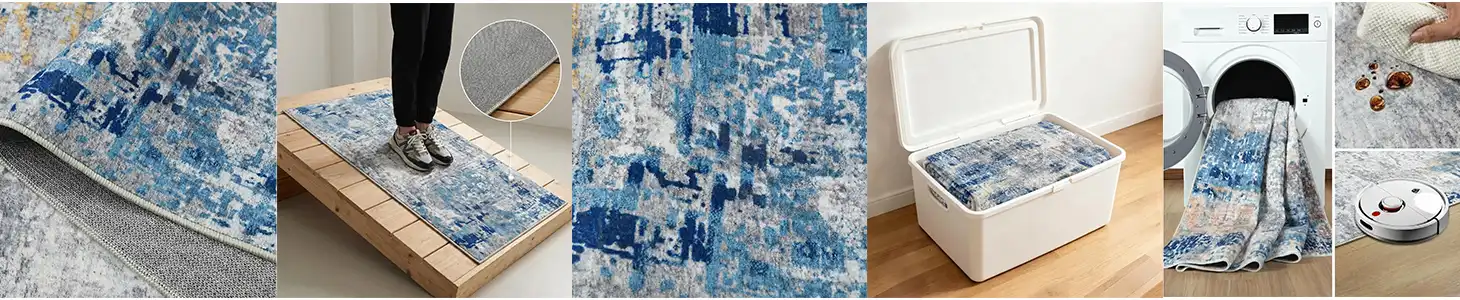
How durable something is and how often it needs to be maintained depend on what it's made of. Fine faux cashmere is as soft as wool, but it doesn't contain allergens and doesn't need to be cleaned by a professional. TPR backing has better grip than rubber options, which is important for keeping people from tripping on hard floors. A pile height of 0.25 to 0.5 inches is good for both comfort and vacuuming, since higher fibers trap dirt that is hard to get out of areas that get a lot of use.
Stain protection comes from treating the fibers, not from sealing them. Solution-dyed synthetic fibers use colorants during production, which makes them resistant to fading and able to handle chemicals. This way of building is especially helpful for homes with pets because mistakes need to be cleaned right away with enzyme-based products that would damage rugs that have been treated on the surface.
Practical Supplier Evaluation
Purchasing managers should check certifications like CE and ROHS compliance to make sure that goods meet international safety standards and don't have any heavy metals or VOC emissions. When suppliers offer MOQ options, like requiring 50 pieces at a time for size and color customization, it's possible to test the market without taking on too much inventory risk. When daily production capacities go over 2000 square meters, it means that the system is mature and that orders will be filled reliably, which is important for building repeat buying relationships.
Top 5 Carpet Texture Styles Ideal for Small Living Rooms
Different texture forms are used for different reasons, both practical and attractive. When procurement teams know about these differences, they can match goods with unique client needs and market positioning strategies.
Low Pile Cut Pile
Cut pile textures have fibers that are arranged vertically and cut to the same height. This makes the surface smooth and even in how it reflects light. This style of building works well in simple rooms with lots of clean lines. The low shape makes it easier to put furniture down without worrying about leg dents, and the thick fiber packing keeps it from crushing under heavy loads. As part of maintenance, normal vacuuming is done without any special tools. This makes things easier for property management clients.
Loop Pile Construction
Fiber loops that aren't cut make surfaces that are strong and won't snag or unwind. This texture works great in areas with a lot of foot traffic, where flattening cut pile options would be a problem from repeated impact. Because loop construction is dimensionally stable, it stops lightweight rugs from curling at the edges, so the carpet's look stays the same over its lifetime. People who buy commercial space like this texture for hallways and offices where people tend to walk in regular patterns.
Patterned Textured Designs
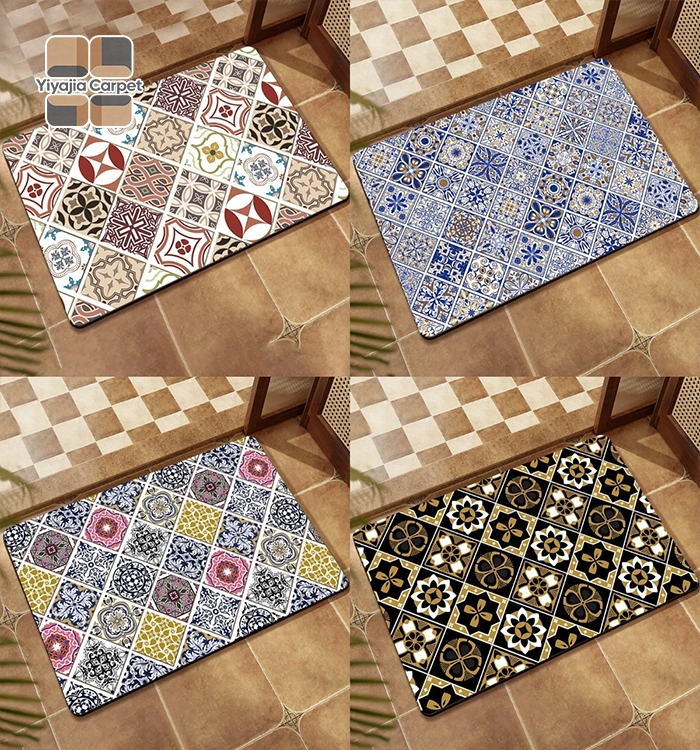
When you mix cut and loop pile pieces, such as in a small living room carpet, you make the area more interesting without making it too big. In open-plan designs, geometric patterns gently define zones that help organize space better by creating psychological limits. These textures hide dirt that builds up between cleanings, making it look like the carpet is new longer, which is very important for rental homes and short-term stays where daily upkeep is not possible.
Berber Style Texture
The dense loop structure with flecked coloring hides dirt and provides great durability. Berber rugs were originally made of wool, but now they are made from synthetic fibers that look like the originals but are more stain-resistant. Families with kids and pets will like this texture because it's good for surfaces that can handle spills. The different color spots hide the wear patterns that show up on solid-color options.
Modular Carpet Tiles
Individual tiles that are 18 to 24 inches square can be replaced in parts when they get damaged, so the whole carpet doesn't have to be thrown away. This modular method is especially helpful for building companies and hotel buyers who are in charge of renovations that happen in stages or ongoing maintenance programs. When installed with the right flooring systems, installation doesn't need glue, so the floor can be moved around as space needs change. The freedom takes into account fast-paced business settings where structure changes happen often.
These types of textures give you basic choices that you can change by choosing a different color, treating the fibers differently, and changing the dimensions. When it comes to competitive markets, suppliers that offer heat transfer printing can put patterns on top of any base texture, creating one-of-a-kind designs that set product lines apart.
Practical Tips for Installing and Maintaining Carpet Textures in Small Living Rooms
The performance and life of a material are best when it is installed and maintained correctly. Common problems that hurt look and function can be avoided by planning strategically during the specification and placing steps.
Size and Shape Selection
Around the edges of a room, carpets should leave 12 to 18 inches of flooring showing. This gives the impression of more space. The front legs of furniture should rest on carpet, but the back legs should not touch the ground, anchoring setups that don't have full covering. Custom cutting services are helpful for rooms with odd forms because laser cutting technology can fit alcoves and building protrusions with millimeter accuracy.
Underlay Recommendations
Good padding makes carpet last longer by soaking pressure and keeping fibers from being compressed. Rubber underlays that are between 0.25 and 0.5 inches thick go well with low-pile textures without making the floor too soft, which can make furniture less stable. This layer of the base also improves thermal insulation, which is helpful for ground-floor units that lose heat through the concrete walls.
Cleaning Strategies by Fiber Type
Chemical spotters and hot water extraction work well on synthetic fibers, so stains can be treated strongly without losing color. By removing compressed fibers, cleaning with beater bars once a month keeps the texture loft. Dry powder cleaners work well on faux cashmere because they soak up oils without adding water, which keeps mold from growing in wet places. For added safety and convenience, using a water-washable anti-slip rug prevents shifting and allows easy machine washing. Seasonal deep cleaning keeps things looking nice between renting or buying a home.
Harmonizing with Interior Elements
Texture choices should go with the things that are already there, not against them. Smooth leather furniture looks great with rough rugs that add a variety of textures. Hard surfaces like glass, metal, and polished wood look better in rooms with softer carpet textures that smooth out the sharpness of the surfaces. Coordinating colors is more than just matching them exactly; similar color schemes can bring things together while still keeping their own unique look.
Leading Brands and Suppliers Offering Modern Carpet Textures for Small Living Rooms
Finding dependable sellers lowers the risk of buying things and makes sure that the quality of the goods stays the same between order rounds. Manufacturers that have been around for a while have quality control systems and customer service structures that protect the value of your investment.
Mohawk Industries owns a wide range of textures that can be used in both homes and businesses. Their study into synthetic fibers makes treatments that don't stain that can be used in small places that have more than one purpose, like kitchens that are next to living rooms. Shaw Floors focuses on sustainability by using recycled materials, which makes them attractive to developers and sellers who serve the green-building market. When you buy Stainmaster goods, the warranties cover damage that happens when you don't follow certain cleaning instructions. This makes upkeep instructions clear and lowers the risk of a dispute.
Karastan is known for the intricate patterns that can be made with advanced weave technology, which helps the company stand out in the luxury market. Interface focuses on modular tile systems with large color sets that allow for design freedom that is important for business applications that need to be updated often. FLOR sells directly to customers and keeps up trade programs, which makes it a good bridge between B2C and B2B outlets.
Yiyajia Carpet has become a competitive option by mixing quick production with full certification. Because they can do heat transfer and laser cutting, they can make customizations at minimum order quantities that small and medium-sized businesses can afford. Orders are reliably filled because the factory can cover 2000 square meters of space every day, and CE and ROHS standards make it easier to get into markets with different rules. The TPR backing system meets the standards for slip resistance without using chemicals, which makes it appealing to buyers who care about safety.
Procurement channels should check to see if samples are available, how much they cost in bulk, and how easy it is to get expert help. When suppliers offer 24- to 48-hour sample return, clients can quickly approve orders, which shortens sales timelines and makes better use of working capital. Supporting documentation like inspection reports and export paperwork speeds up the customs clearance process. This is especially helpful for importers and trade companies that handle cross-border services.
Conclusion
When choosing textures for small living areas, such as for a small living room carpet, you have to find a balance between how they look and how long they last. These days, modern materials like faux cashmere surfaces paired with TPR backing work well in business and domestic settings in cities. Understanding how piles are built, how they should be maintained, and the best ways to place them allows you to make smart purchasing choices that meet the needs of the end user and keep lifetime costs low.
Businesses can take advantage of the growing demand for flooring solutions that make the best use of space by forming relationships with suppliers that focus on customization, certification compliance, and quick delivery. Texture is the link between the design concept and the everyday experience, so choosing it carefully is an investment in the happiness of the people who live there and the value of their home.
FAQ
What texture works best for studio apartments?
When zone freedom is important, low pile cut pile or thick loop pile textures work well in studios. These structures allow moving furniture around without leaving lasting marks, which helps with lifestyle changes that happen a lot in temporary living situations. In multi-functional rooms where eating and relaxing happen at the same time, stain resistance is very important.
How does carpet texture affect room size perception?
Textures that are uniform and low-profile make things look more spacious by creating visual consistency. Visual fragmentation that makes places feel crowded can be avoided by avoiding high-pile versions. When you mix lighter colors with smooth textures, light reflection is maximized. This makes the space feel bigger through visual effects instead of physical growth.
Can synthetic textures match natural fiber performance?
Today's synthetic fibers are as strong and soft as wool, but they are also more stain and fade resistant. Fine faux cashmere fabrics feel as soft to the touch as natural materials, but they don't contain allergens and don't need to be cleaned in a special way. Cost-effective fake choices are good for projects that need to stay within a budget without sacrificing quality.
What maintenance frequency do small space carpets require?
Vacuuming needs to be done twice or three times a week in places with a lot of foot traffic. Spot treatment right away stops stains from setting in places where spills happen near sitting and dining areas. Professional cleaning once a year keeps the structure intact and gets rid of buried particles that cause fibers to wear out faster through abrasion.
Partner with Yiyajia Carpet for Your Small Living Room Carpet Supply Needs
Yiyajia Carpet makes custom carpet options that meet the needs of current small-space life. Our factory uses both heat transfer printing and precise laser cutting, which lets us offer design and size options that aren't possible with other production methods. Our TPR backing technology makes sure that safety standards are met across foreign markets without the use of chemicals. CE and ROHS certifications make sure that compliance is maintained.
As a dedicated small living room carpet provider, we keep a daily production capacity of 2,000 square meters to ensure that both trade and project-based orders are filled reliably. Minimum order quantities (MOQs) that start at 50 pieces allow for testing the market and a slow spread, which lowers the risk of inventory for wholesalers and online sellers. Get in touch with our team at sale@yyj-carpet.com to talk about getting samples, bulk prices, and customization choices that meet your client's needs.
References
1. Anderson, M. (2021). Textile Engineering for Residential Applications. Boston: Interior Design Press.
2. Chen, L. & Roberts, P. (2022). Space Optimization Through Material Selection. Journal of Architectural Materials, 18(3), 142-159.
3. Harrison, T. (2020). Flooring Solutions for Urban Living. New York: Metropolitan Housing Publications.
4. Kumar, R. (2023). Sustainable Carpet Manufacturing Practices. International Textile Review, 45(2), 78-94.
5. Miller, S. (2022). Commercial Procurement Strategies for Floor Coverings. Chicago: Trade Publishing Group.
6. Zhang, W. & Thompson, K. (2021). Acoustic Performance of Textile Flooring. Building Science Quarterly, 29(4), 203-218.