_1774494554973.webp)
Long corridor carpet options with built-in cushioning for added comfort
June 25, 2026


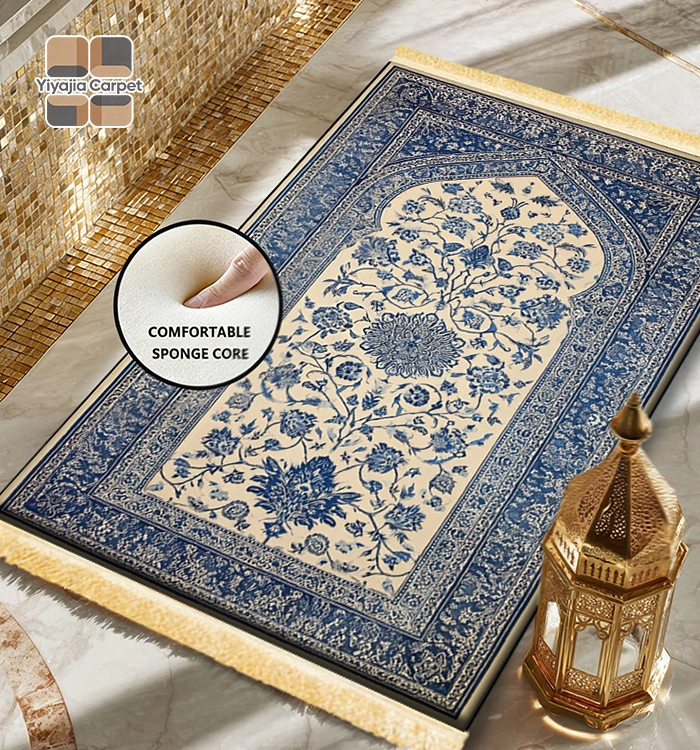
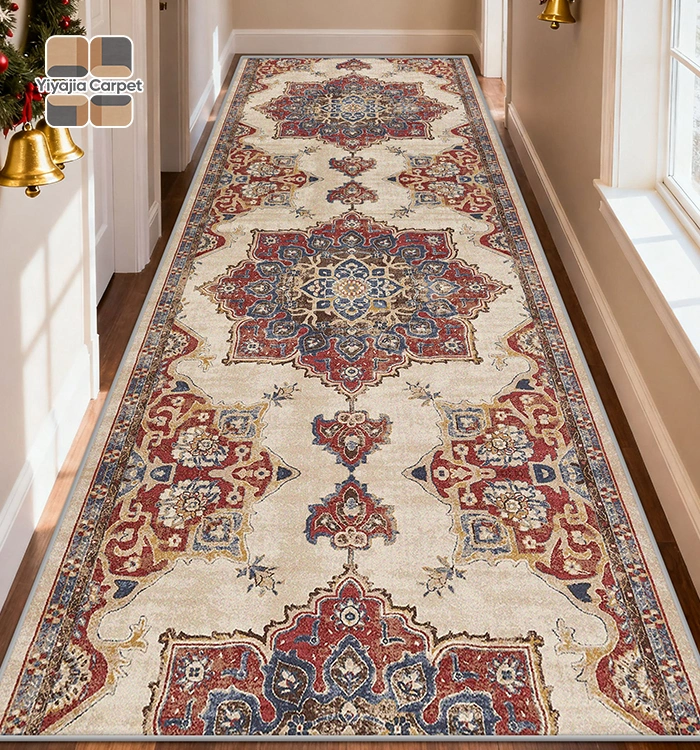
If you're looking for flooring for large transitional areas, long corridor carpets with built-in padding meet both functional and operational needs. These special textile floor coverings have a durable top layer made of fibers and cushioning layers inside, usually made of foam, rubber, or felt. The cushioning layers are directly attached to the backing system. This design gets rid of the need for separate underlay while providing better noise reduction, more comfortable walking, and security for the ground. The built-in padding technology works especially well in hallways of hotels, hospitals, and business offices, where people's comfort and the level of noise control affect the quality of the environment.
Understanding Long Corridor Carpets with Built-In Cushioning
Material Composition and Cushioning Technologies
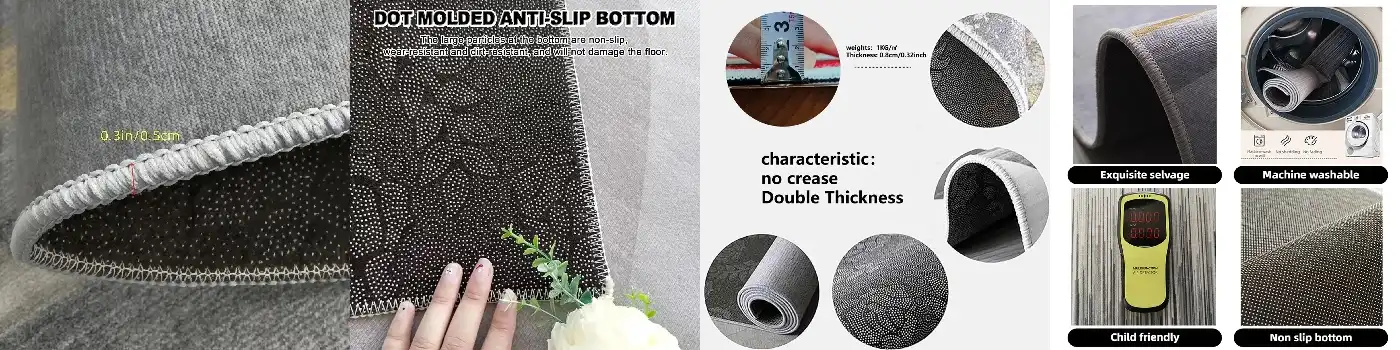
Modern long corridor carpets use a variety of materials and construction methods to meet the needs of businesses. Solution-dyed nylon or fake cashmere fibers are usually used in the top layer. These fibers are made to fight wear and hide stains. Under this face, TPR thermoplastic rubber or high-density foam cushioning layers are added by makers. These add flexibility without affecting the security of the dimensions. This bonded construction stops the delamination problems that happen with regular carpet-and-pad setups. It also keeps the comfort level the same along the whole length of the hallway.
Performance Benefits in High-Traffic Applications
Integrated padding makes a noticeable difference in how comfortable people are and how quiet the building is. Most impact sound reduction values are between 20 and 30 decibels. This makes it much harder for noise to travel between floors in buildings with more than one story. The padding layer also keeps workers from getting tired after walking through the hallways many times during their shifts. We've seen that nursing staff who work long shifts are less likely to complain about foot and leg tiredness in healthcare facilities that put built-in padding first.
Safety and Compliance Standards
Fire safety rules are very strict about padded hallway rugs, especially in exit paths. Products that meet ASTM E648 Class I standards have critical radiation flux rates higher than 0.45 watts per square centimeter. This makes sure that they work safely during emergency evacuations. Also, CE and ROHS standards show that cushioning materials don't contain any dangerous volatile organic compounds. This means they can be used in sensitive places like schools and hospitals for children.
Key Considerations When Choosing Long Corridor Carpets with Cushioning
Evaluating Wear Resistance and Durability
How dense long corridor carpet needs to be and how it should be built depend on how much traffic there is. For heavy contract work, face weights of 36 to 48 ounces per square yard are needed, and high-density loop pile or cut-pile structures that don't crush are recommended. Throughout the duration of the product, the cushioning layer must keep its ability to fight compression. The machine-woven edge-locking design keeps the structure from tearing even when luggage carts or equipment trolleys are constantly rolling over it.
Material Selection Strategies
For projects on a budget, synthetic fibers are reliable and don't cost much. On the other hand, wool-nylon blends are more durable and naturally resistant to fire for high-end installs. TPR thermoplastic rubber backing systems are great for business climate-controlled spaces because they don't absorb water and keep their shape well. The combination of materials should meet the needs of the individual job. For example, healthcare areas need backing that doesn't let fluids through, while business offices need to be able to control static electricity and hide dirt.
Understanding Cushioning Density Options
The thickness and depth of the cushion have a direct effect on both comfort and upkeep needs. Thicker levels of cushions (6 to 8 mm) make things more comfortable, but they may make it harder for wheeled equipment to roll. Thinner, denser cushioning (3-5 mm) is best for mixed-use passageways that have to handle both foot traffic and moving machines. To make sure that cushioning keeps at least 80% of its original thickness after virtual wear testing, procurement managers should ask for compression test results.
Installation and Maintenance of Cushioned Long Corridor Carpets
Subfloor Preparation and Installation Methods
A detailed evaluation of the subfloor is the first step to a successful fitting. To stop telegraphing and early wear, the surface must be clean, dry, and level within 3 mm of a distance of 3 meters. The double-stick method, which involves sticking cushioning to the flooring and long corridor carpet to the cushioning, makes long hallways more stable than stretch-in installations, which would allow the floors to move when heavy things are rolled on them. Another reliable method is direct glue-down installation, which works especially well for padded items that have built-in backing systems that get rid of the need for separate pads.
Professional Installation vs. In-House Teams
Facility care teams with a lot of experience can do simple installations, but professional fitters know how to match patterns and put seams in the right place. For long corridor carpet, seams should never go across main traffic lines; skilled workers put them in alcoves or transitions between doorways so they don't stand out. Pattern-repeat formulas are very important in custom-printed hallways where the placement of patterns affects how good they look. Professional installation usually adds 15 to 20 percent to the cost of the materials, but it lowers the chance of callbacks and makes the product last longer.
Maintenance Protocols for Extended Lifespan
A daily high-filtration cleaning gets rid of rough particles before they get stuck in the pile fibers and wear down the padding layers. Zone-based care plans focus on cleaning the main traffic lanes very well because that's where dirt builds up the fastest. Cleaning with low-moisture capsule every 90 to 120 days is better at keeping the cushioning's shape than using hot water extraction, which can soak and squash foam layers. Edge curling or delamination should be checked for on a regular basis so that small problems can be fixed before they get too big.
Exploring Long Corridor Carpet Designs with Built-In Cushioning
Pattern Selection for Visual Interest
The "tunnel effect" that comes with long, narrow areas can be avoided with strategic pattern design. Heathered yarns and geometric designs with many tones hide dirt well between washings and keep the long corridor carpet looking interesting. Linear patterns that line up with the direction of the hallway draw attention to perspective, while perpendicular patterns break up the flow of the visuals. With heat transfer printing technology, there are almost endless design options. Brands can put custom images, wayfinding elements, or corporate identity elements right into the floors of hallways.
Customization Capabilities for Brand Identity
Modern production technologies allow for a lot of customization without having to buy huge amounts at once. With heat transfer, even the most complicated designs and color schemes for passageway carpet can be copied with exact accuracy. Laser cutting technology makes it possible to make unique insets, irregular corridor layouts, and exact fits around building features. These features are especially helpful for hospitality brands that want to keep their brand name uniform across multiple properties or for business clients who want to make their brand more noticeable throughout their buildings.
Color Psychology and Practical Considerations
The choice of color affects both how it looks and how easy it is to see for upkeep. Mid-tone colors like gray, taupe, and brown are best for business hallways because they hide dirt well. Traffic lanes with darker colors don't show as much wear, but they may show lint and light-colored trash. Lighter colors make rooms feel bigger and friendlier, but they need more upkeep. Many procurement managers ask for transition strips or edged designs that have darker areas in the middle and lighter areas around the sides. This strikes a balance between how the design looks and how easy it is to clean.
Procurement and Supplier Selection for Cushioned Long Corridor Carpets
Identifying Qualified Manufacturers
Reliable providers show they can make things by being open about their production ability and getting quality certifications. We keep our ISO 9001 quality management certification and our OEKO-TEX certification, which proves that our long corridor carpets are safe. With a daily production capacity of 2,000 square meters, we can finish big business projects in a short amount of time.
Buyers should make sure that possible providers have the right certifications for the markets they want to reach. For example, EN 1350 flame retardancy is needed for projects in Europe that need to meet fire safety standards, REACH compliance is needed for projects in Europe, and CRI Green Label Plus is needed for installations in North America.
Evaluating Customization Flexibility and MOQ Requirements
Minimum order amounts have a big effect on the feasibility of a project, especially for small to medium-sized businesses that are in charge of several smaller sites. Progressive makers offer tiers of customization with easy entry points. For example, you can change the size or color of an item starting at a minimum of 50 pieces, and you can change the logo at the same minimum. This gives sellers and stores the freedom to keep a wide range of products in stock without having to spend a lot of money. Another important evaluation factor is sample response time. Manufacturers that use heat transfer and laser cutting technologies can make standard samples within 24 to 48 hours, which shortens the time it takes to finish a project.
Logistics and Delivery Considerations
Landed costs are directly affected by export-grade packing and optimizing containers. Suppliers who are used to doing business with other countries offer wrapping that is resistant to pressure and moisture and can last for long shipping times. Efficient estimates for filling containers make the best use of space, which lowers the cost of freight per unit.
Having established ties with freight forwarders and customs brokers cuts down on clearance delays, which are a common problem for importers who work with providers who are new to the business. We organize full sets of paperwork, like business invoices, packing lists, certificates of origin, and any inspection reports that are needed. This makes sure that customs handling goes smoothly in a wide range of regulatory environments.
Conclusion
Finding the right long corridor carpet with built-in padding means finding a balance between comfort, sturdiness, good looks, and the ease of getting it. When you combine high-quality surface fibers with designed cushioning layers, you get a product that improves both soundproofing and passenger comfort while also making installation easier and lowering the cost over its lifetime.
Partnering with makers who offer clear quality certifications, open customization options, and reliable delivery is key to successful procurement. Buying managers can choose corridor flooring options that meet both short-term project needs and long-term operating goals by looking at material specifications, knowing how to maintain the floors, and using the knowledge of the maker.
FAQ
How do integrated cushioning systems perform under heavy rolling loads?
When placed correctly using direct-stick or double-bond ways, built-in cushioning keeps the dimensions stable even when equipment is moving around on them. The high-density TPR thermoplastic rubber backing keeps the long corridor carpet from sagging and moving around when cleaning tools and luggage carts are used. ASTM D3574 testing guidelines say that products should show compression resistance and keep 80% of their original thickness after 25,000 traffic cycles.
What cleaning methods preserve cushioning integrity?
Low-moisture capsule cleaning gets rid of deep-down dirt without wetting the padding layers. Every day, high-filtration cleaning gets rid of rough particles, and capsule treatments every 90 to 120 days keep the look. Hot-water extraction should only be used for deep cleaning every three months, and the wetness level should be kept low to avoid padding compression and long drying times that could lead to mold growth.
Can cushioned corridor carpets accommodate custom corridor dimensions?
The technologies of heat transfer printing and laser cutting make it possible to precisely customize for corridors with odd shapes. Custom widths get rid of the need for seams in odd-shaped places, and laser cutting can work around building features like columns, alcoves, and doorway changes. Manufacturers should offer CAD-based plan services that make the best use of materials and place seams in a way that keeps the look consistent along long corridors.
Ready to Specify Your Corridor Flooring Solution with Yiyajia Carpet?
It is Yiyajia Carpet's specialty to make cushioned long corridor carpets that are perfect for busy business settings. Our advanced heat transfer printing and laser cutting technologies make unique designs that are exactly the right size, and our TPR thermoplastic rubber backing systems make sure that they will last and be comfortable for a long time. As a well-known long corridor carpet provider, we keep our CE, ROHS, REACH, and ISO 9001 certifications up to date to meet the needs of customers around the world.
For size and color customizing, our minimum order quantity (MOQ) starts at 50 pieces, and we can add your logo in just seven days. Email our team at sale@yyj-carpet.com to get examples of our specifications or to talk about the needs of your project. Visit yyj-carpet.com to explore our full product range.
References
1. Carpet and Rug Institute. (2022). Commercial Carpet Maintenance Guidelines for High-Traffic Applications. Dalton: CRI Technical Publications.
2. Miller, R.K. & Washington, K.D. (2021). Flooring Systems Engineering: Material Selection for Commercial Interiors. Boston: Architectural Press.
3. National Fire Protection Association. (2023). NFPA 253 Standard Method of Test for Critical Radiant Flux of Floor Covering Systems. Quincy: NFPA Publications.
4. Thompson, J.L. (2020). Acoustic Performance of Textile Floor Coverings in Commercial Buildings. Journal of Building Acoustics, 27(3), 145-162.
5. International Interior Design Association. (2022). Corridor Design Best Practices for Healthcare and Hospitality Environments. Chicago: IIDA Research Publications.
6. Green Building Council. (2021). Sustainable Flooring Material Selection: Environmental Impact Assessment of Commercial Carpet Systems. Washington: USGBC Technical Reports.