_1774494554973.webp)
Which carpet styles are most resistant to stains in hotel environments?
June 29, 2026


When choosing flooring for areas with a lot of foot traffic, the best hotel carpet needs to look good and work well. Solution-dyed nylon and low-profile loop pile fabrics always fight stains better than other types, even when they are exposed to spills, dirt, and a lot of foot traffic. These styles use advanced fiber technologies that keep liquids from getting in and hide dirt, which lowers upkeep costs and keeps the clean look guests expect during their stay.
Understanding the Challenge of Stain Resistance in Hotels
When it comes to floor covers, hotels are tough places to be. The problems that happen in guest rooms, halls, and hallways are always there, and they test even the strongest cloth flooring systems.
The Daily Assault on Hotel Flooring
There are a lot of things that can be hard on commercial hotel rugs. Coffee spills during breakfast service, wine spills at evening parties, and mud tracked in from the rain are all regular problems that happen hundreds of times a week. The American Hotel & Lodging Association says that over 1,000 foot passes happen every day in the normal hotel hallway, and each visitor could bring in new contaminants.
The buildup of these effects leads to what experts in the field call "appearance retention failure," which means that rugs look old and stained long before they become less stable. This effect has a direct effect on how guests feel and causes replacement cycles to happen too soon, which puts a strain on management funds.
Types of Stains and Their Impact
Knowing the different types of stains helps buying managers choose the right carpet. Proteins and sugars in organic spots like those from food, drinks, and body fluids stick to carpet fibers. Inorganic marks, such as mud and clay particles, get stuck in the pile structures and make dirt lines that can be seen. Grease-based substances like food oils and makeup are the hardest to clean because they attract more dirt and don't come off with water. In tropical or coastal hotel rooms, these problems are made worse by high humidity, which makes it easier for germs to grow and for smells to form in the carpet backing systems.
Cost Implications of Poor Stain Resistance
The financial effects go beyond the cost of replacing. When hotels spend too much on spot cleaning, deep extraction treatments, and emergency fixes, they take money away from improvements that bring in more money. If stain-resistant flooring isn't put properly, a 300-room hotel can spend $15,000 to $25,000 a year just on cleaning the carpets. These ongoing costs add up over a normal seven-year repair cycle, so it makes financial sense to spend money up front on better stain-resistant carpet technology.
Key Carpet Styles and Materials Known for Stain Resistance
The success of stain-resistant carpet depends on the materials that are used. There are different types of fiber that have unique properties that make them better for different hotel areas and budgets.
Nylon: The Industry Standard for Durability
Nylon 6,6 fibers are the most popular choice for hotel applications because they are very durable and can be treated to resist stains. When treated correctly with fluorochemical treatments, nylon's molecular structure makes fibers stick together tightly, stopping liquids from penetrating. Hotels that use sisal flooring in public areas say that it looks better for 40% longer than carpets that haven't been cleaned. Best hotel carpet often relies on these same nylon 6,6 fibers, as they can handle strong hot-water extraction cleaning without losing their shape, which makes them perfect for places that need to be deep-cleaned often.
Solution-Dyed Polyester: Cost-Effective Performance
Colorants are added to polyester fibers during the molding process, not when they are dyed on the outside. Because spills can't change the color of the fibers, this solution-dyed construction naturally resists stains. They just sit on the surface until they are cleaned off. Polyester is a cheaper material that hotel owners who are watching their budgets like to use in areas with moderate traffic, like hallways and guest rooms. The fiber naturally doesn't damage when it comes to water, but it needs special processes to protect it from oil-based spills.
Triexta: The Sustainable Innovation
Polytrimethylene terephthalate (PTT) fibers are a younger technology that improves efficiency and protects the environment. Triexta is stain-resistant in the same way that treated nylon is, and it is made from reusable plant-based materials. The chemical structure of the fiber makes it naturally resistant to stains that won't go away over time, unlike cosmetic treatments that lose their effectiveness over time. Hotels that want to get LEED certification or meet green goals will like triexta a lot, but its higher starting cost needs to be carefully looked at over its entire lifetime.
When Wool Makes Sense
Natural wool rugs add a touch of luxury and help keep noise down in high-end hotel rooms and small homes. Lanolin, which is found in wool fibers, gives them some natural stain protection, but synthetic fibers are better in demanding business settings. Wool works best in low-traffic VIP rooms where guests expect a high-end tactile experience and where skilled stain removal can be done right away.
Comparative Analysis of Carpet Pile Types and Their Stain Resistance
Besides the fiber type, the way the pile is constructed has a big effect on how well rugs fight and hide stains over time.
Cut Pile Versus Loop Pile Performance
Cut pile rugs have small fiber spikes that make the surface fluffy and soft, which is what people think of when they think of comfort. The open fiber ends, on the other hand, can trap dirt and let liquid get deeper into the backing system. Loop pile designs keep the fiber surfaces closed, which keeps spills from getting into the pile and stops particles from getting stuck. Level loop and patterned loop styles work well in hotel halls and hallways where rolling luggage directs traffic. The continuous fiber loops don't get crushed and keep their regular look even in lanes with a lot of traffic.
Carpet Tiles: Modular Flexibility
Modular carpet tiles change how care is done because they let you repair only the damaged parts without messing up the rest of the floor. If hair dye or ink leaves a lasting mark on the carpet in a guest room, cleaning staff can replace only the tiles that are stained instead of the whole room's carpet. This method cuts down on downtime, waste, and big capital purchases by spreading the cost of repair across operating budgets instead of capital budgets. Modular carpet tiles also make it easier to get to services under the floor, which is useful in homes that get new technology all the time.
The Role of Pile Height
Low-profile rugs with pile heights of less than 5 mm are easier to clean and dry faster after being wet extracted. Shorter strands make it easier for vacuum cleaners to get to places where dirt and dust settle because there are fewer hiding places for it. High-pile rugs look nicer and have better sound insulation, but they need more thorough upkeep to keep up with standards for appearance in business dining settings.
Practical Strategies to Enhance Stain Resistance in Hotel Carpets
Even the most advanced carpet fibers can be made to work better with other methods that make daily tasks easier and extend their useful life.
Advanced Surface Treatments
Fluorochemical-based stain repellents put up molecular walls on the surface of fibers that stop liquids from absorbing them. These methods greatly increase the amount of time that can be used to clean up spills before they become lasting stains. This gives cleaning staff important extra minutes to act. However, it loses its usefulness after multiple cleaning processes and needs to be reapplied every 18 to 24 months to keep working at its best. Newer solutions that use enzymes are better for the earth because they break down organic stains at the molecular level without leaving behind harsh chemicals.
Strategic Color and Pattern Selection
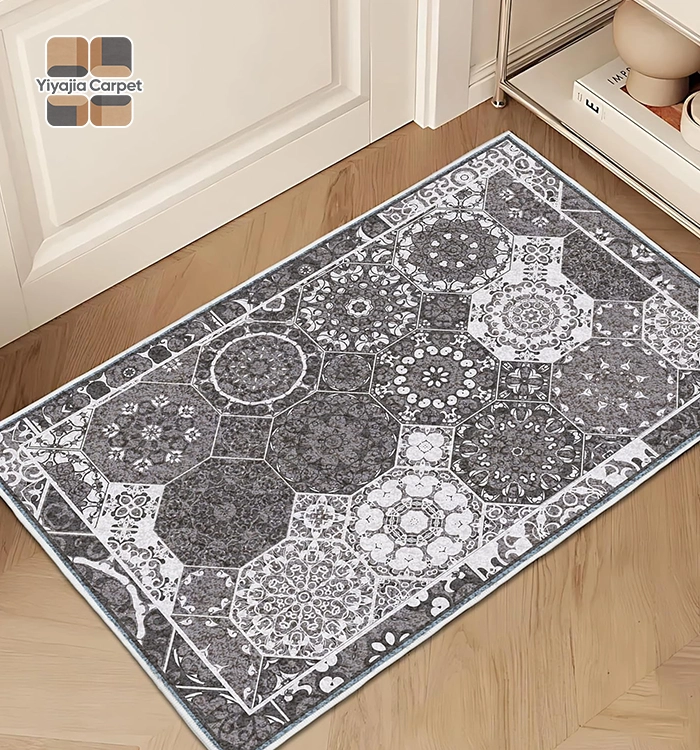
The way something looks has a big impact on how clean it seems between care rounds. Mid-tone backgrounds and patterns of many colors work well to hide light soiling that would stand out on solid light rugs. Geometric patterns with brown, gray, and soft greens go with the move toward biophilic design and hide common spots from food and drink. The best hotel carpet specs strike a mix between how the carpet looks and how well it hides dirt, especially in transition areas where dirt from outside the building comes in.
Structured Maintenance Programs
Even the best rugs that don't stain easily need regular care to last as long as they're supposed to. Abrasive particles are removed every day with commercial-grade vacuums, before they can cut fiber surfaces. Spot treatments should be done once a week to get rid of new stains before they turn brown and stay that way. Every three months, hot water extraction gets rid of deep dirt that regular upkeep can't reach. Following these steps and using the right pH-neutral cleansers will protect the stain treatments that were applied at the factory and keep the fibers intact for as long as the carpet is useful.
Procurement Guidance for Choosing and Buying Stain-Resistant Hotel Carpets
Strategic buying choices include more than just the specs of the product. They also include ties with suppliers and long-term support infrastructure.
Evaluating Manufacturer Credentials
Reputable carpet makers of high-end hotel soft furnishing carpet provide clear scientific information, such as the fiber makeup, test results for stain protection, and warranty terms. The CE and OEKO-TEX labels show that the goods meet international safety and environmental standards. This keeps guests and staff safe from chemicals that are dangerous to them. ISO 9001 approval means that the quality of the production process is always checked and maintained. This lowers the chance of performance differences between batches, which can make large-scale installations on multiple properties more difficult.
Total Cost of Ownership Analysis
The initial buying price is only one part of the costs that come with having carpet. When purchasing managers compare choices, they should figure out how much it costs to clean, how often it needs to be replaced, and how much it costs to have things shut down. A reasonably priced carpet that needs to be replaced every five years might end up costing more in the long run than high-end flooring that doesn't stain and lasts ten years with less upkeep. When you buy in bulk from a known source, you can get discounts and be sure that the quality will stay the same throughout your renovation job.
The Critical Role of Professional Installation
When placed incorrectly, even the best carpet materials fail early. Long-term stain resistance and look retention are affected by how the substrate is prepared, the glue used, where the seams are placed, and how the fabric is stretched. Working with skilled business flooring workers who know how to meet the needs of hotels and restaurants will protect your rugs' warranties and make sure they last as long as they are supposed to.
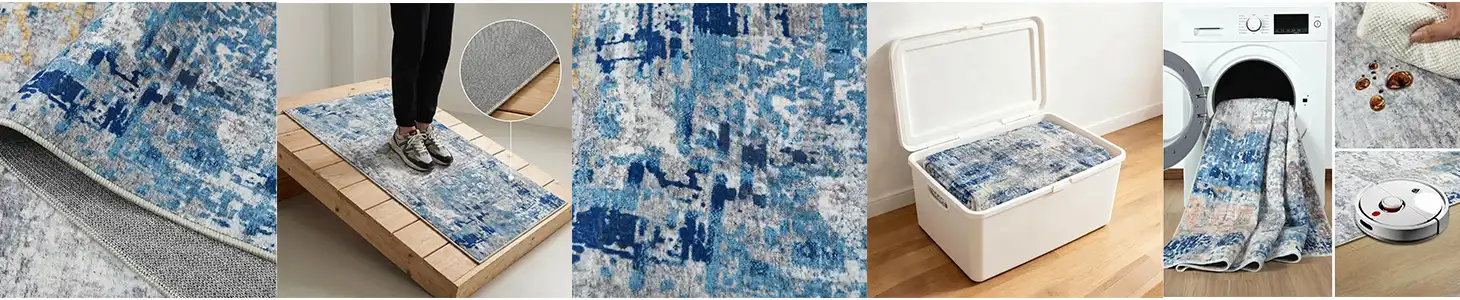
At Yiyajia Carpet, we can meet a wide range of hospitality needs by combining modern production with flexible customization. The TPR thermoplastic rubber backing and fine faux cashmere surface work together to make a comfortable and long-lasting surface that can be used in many hotel areas. The edges won't break even after years of being used by cleaning tools because the fabric is machine-woven and lockstitched.
With CE and ROHS approvals, you can be sure that our goods meet the highest international safety standards. They also don't smell bad and are ready to be installed right away. We can change the size, color, and logo, and the minimum order quantity (MOQ) is only 50 pieces. This means that both small properties and big chains can get unique designs. With a daily production capacity of 2,000 square meters, you can be sure of on-time deliveries that keep your remodeling projects on track.
Conclusion
To choose stain-resistant carpet, you need to think about the fiber technology, pile design, and care plans that will work best for your hotel. Solution-dyed nylon and loop pile configurations always work better in business settings with a lot of foot traffic, while best hotel carpet give you more options than ever before for targeted maintenance. When buying things strategically, focusing on the total cost of ownership, the credibility of the manufacturer, and professional installation partnerships leads to flooring systems that look good and keep guests happy for longer, protecting both the brand's reputation and the budget for running the business.
FAQ
How Often Should Hotels Deep-Clean Stain-Resistant Carpets?
Even rugs with improved stain protection need to be treated with hot water extraction every three months in public areas and every six months in guest rooms. This schedule gets rid of deep-down dirt that daily cleaning can't reach, keeping the surface from looking worse over time. Because there are more airborne pollutants in seaside or industrial areas, properties may need to be cleaned more often.
Do Carpet Tiles Perform as Well as Broadloom for Stain Management?
When properly defined, carpet tiles work as well as or better than broadloom. Because they are modular, permanently stained parts can be replaced right away. This actually improves long-term appearance retention compared to broadloom installations, where single stains stay obvious until the whole thing is replaced. With tiles, the number of seams goes up a little, but current production makes sure that the effect isn't too noticeable.
Can Stain Treatments Be Applied to All Carpet Materials?
The majority of stain-blocking methods work well on nylon and polyester fibers but not so well on natural wool. Solution-dyed fibers are naturally stain-resistant, so you don't have to put anything on them to make them resistant. Before choosing an aftermarket stain protection product, you should always make sure that it is compatible with the type of fiber you have so that you don't lose your guarantee or damage the fiber.
Partner with Yiyajia Carpet for Superior Hospitality Flooring Solutions
Yiyajia Carpet can help hotel buying managers and project contractors find a reliable best hotel carpet source in a number of ways. Our engineering team works directly with sourcing staff to choose the best material choices for hallways, guest rooms, and public areas based on how much traffic is expected and how easy they are to maintain. We keep clear lines of communication open throughout the whole production process, from making the first model to delivering the last one. This way, we can be sure that all bulk orders exactly match the accepted specs.
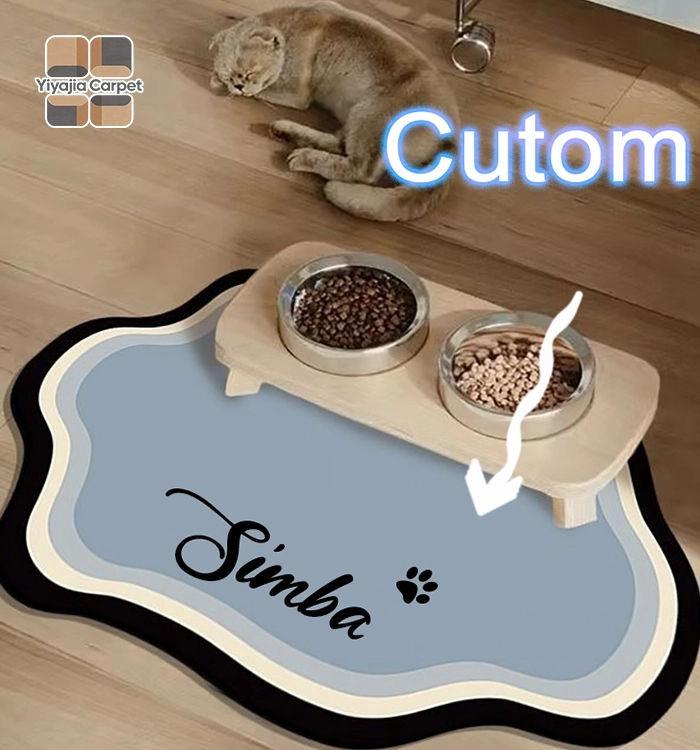
Custom designs and names can be printed with advanced heat transfer printing, which helps your brand stand out across all of your properties. Our strict quality control measures, which include checking for colorfastness and physical stability, make sure that each batch performs the same way. We treat both small hotels and large hotel chains with the same level of care because our minimum order quantity (MOQ) levels are open and we can turn around custom orders quickly.
Visit yyj-carpet.com or email sale@yyj-carpet.com to get samples and talk about how our stain-resistant carpet options can improve the experience of your guests while making upkeep easier.
References
1. Hospitality Flooring Performance Standards, International Society of Hospitality Consultants, 2022
2. Carpet Fiber Technology and Stain Resistance Mechanisms, Textile Research Journal, Volume 89, 2021
3. Lifecycle Cost Analysis for Commercial Carpet Systems, Facility Management Association, 2023
4. Comparative Study of Pile Construction Impact on Soil Retention, Journal of Interior Design and Environmental Quality, 2022
5. Stain Treatment Efficacy in High-Traffic Hospitality Environments, American Hotel & Lodging Educational Institute, 2023
6. Sustainable Fiber Innovations in Commercial Carpet Manufacturing, Green Building Materials Research Quarterly, 2024