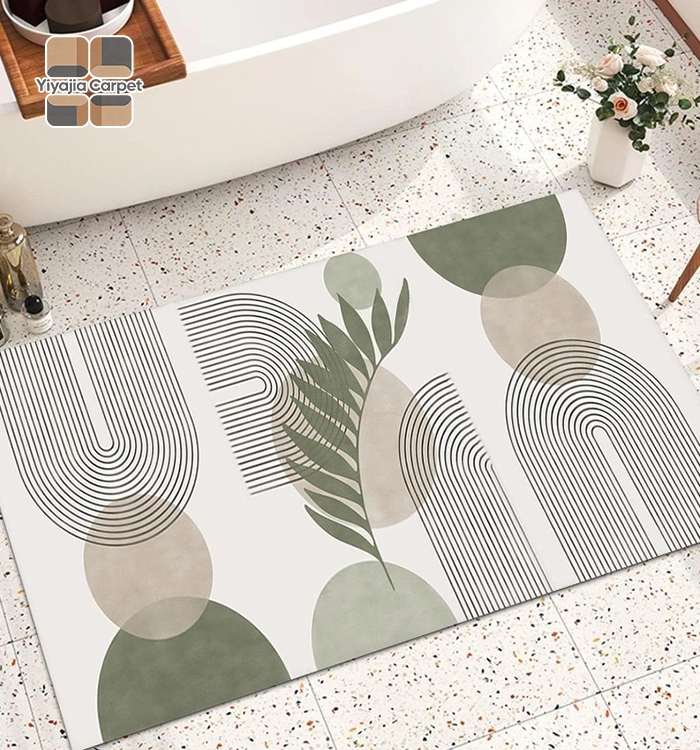
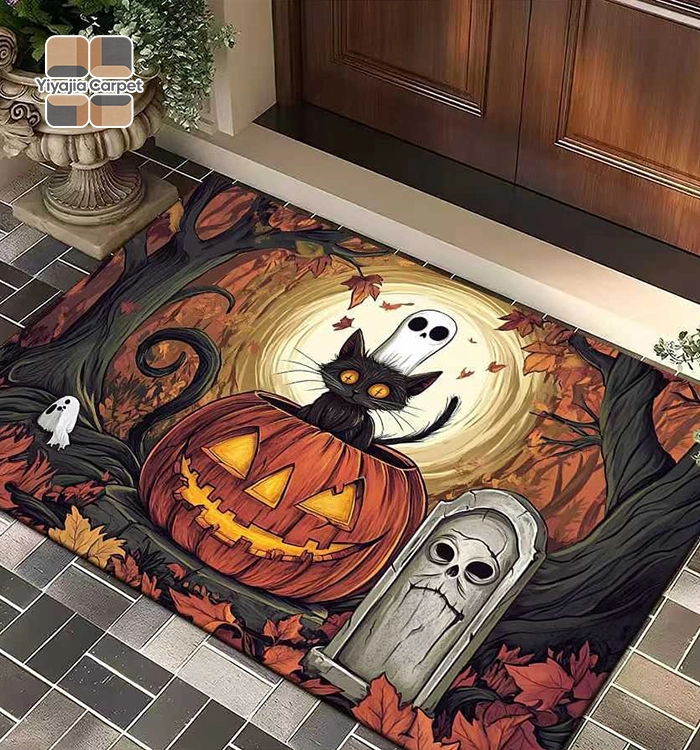
_1774494554973.webp)
Top-rated stair floor mats with non-slip backing
June 26, 2026


Stair floor mats with non-slip backing are an important safety investment when it comes to protecting stairs in both business and private buildings that get a lot of use. These special covers use advanced rubber backing technology and long-lasting surface materials to keep people from slipping and falling and to make your stair surfaces last longer. Purchasing managers and building managers always know that good stair treads lower their risk of liability, lower their upkeep costs, and make their properties look better. If you want to know which goods are really worth the money in a market full of choices, you need to look at the material makeup, backing performance, and real-world durability data that are relevant to your needs.
Understanding Stair Floor Mats and Their Importance
As the first point of contact between people walking on stairs and the stairs themselves, stair floor mats protect against one of the most common hazards in the workplace. According to the National Safety Council, more than 8 million people go to the emergency room every year in the United States because they fell. A lot of these accidents happen on stairs. Quality stair treads with non-slip backing reduce this risk by having a higher coefficient of friction. According to ASTM D2047 testing guidelines, these treads should have SCOF scores above 0.6.
Liability Reduction Through Enhanced Safety
When stairs don't have the right treads, commercial property owners are exposed in a big way. Installing approved anti-slip stair covers shows that you are serious about managing risk, which could lower your insurance costs and keep your business from having to pay expensive lawsuits. These protective covers work especially well in places where it's hard to keep wetness out, like entranceways during the rainy season, hotel hallways near pools, or industrial settings where cleaning operations make the air temporarily wet.
Substrate Protection and Cost Savings
In addition to being safe, stair mats protect the floors below from wearing down faster. Heavy foot traffic at stair nosing places, where impact forces are amplified, does a lot of damage to hardwood stairs, marble steps, and laminate surfaces. These forces are spread out by a properly described tread covering, which also protects the base from scratches, dents, and surface wear. When compared to stairs that aren't protected, buildings that use complete stair protection programs see upkeep costs drop by 30% to 50% over five years.
Material Performance Characteristics
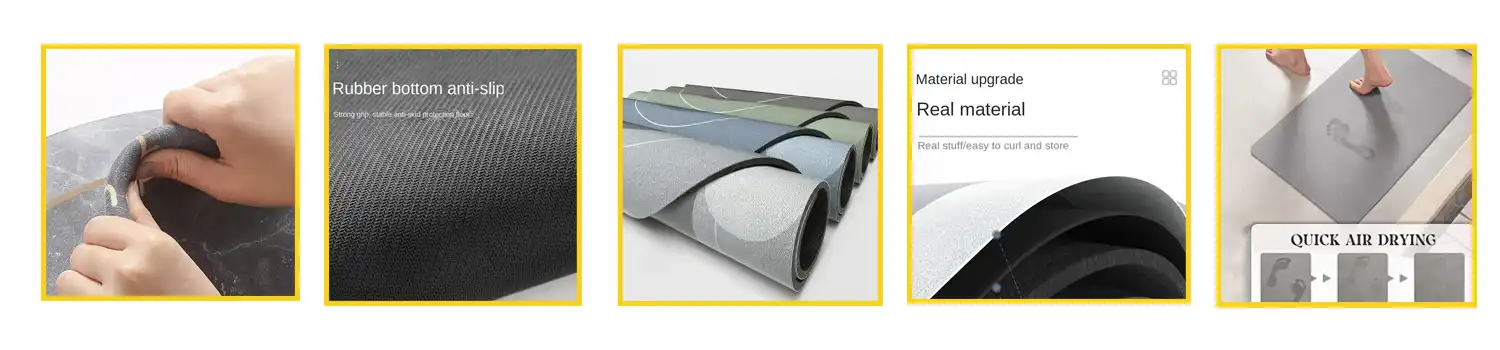
Modern methods for protecting stairs use high-tech materials that are designed to work in certain ways. The diatom mud technology is a new invention that has better moisture-absorbing qualities, which is very important in places with a lot of dampness or a lot of rain. This natural material soaks up water right away, making surfaces that dry quickly and stay gripping even when they're wet. The high-density technological velvet fabric structure in high-end goods is both comfortable to walk on and very long-lasting. Weight ratings of up to 1600g/m² show that the material is thick enough to survive years of heavy use without sagging or deforming.
How to Choose the Best Non-Slip Stair Floor Mats for B2B Procurement
To choose the right stair floor mats, you need to do a thorough analysis that is in line with your building's operational needs and legal responsibilities. Setting clear screening criteria that favor safety standards, material durability, and functional performance measures that are relevant to their specific setting is helpful for procurement managers.
Safety Certifications and Compliance Standards
Leading makers get certificates from third parties that prove their performance claims and show they follow the rules. CE label is required to get into the EU market and shows that the product follows European safety rules. OEKO-TEX approval answers worries about chemical safety by confirming that textile parts do not contain any harmful substances. This is especially important in places like hospitals, schools, and homes where people's health is a top priority.
As long as a seller has ISO 9001 certification, you can be sure that their quality control systems are consistent. This means that suppliers will use standard production methods, which will reduce differences between batches. REACH compliance is important for European export markets because it shows that goods follow strict rules about chemicals. When fire safety rules require certain levels of performance, EN 1350 flame retardant grades become very important for hotel projects, multifamily housing, and business installs.
Material Selection for Specific Applications
Material options need to be customized for each operational setting. Rubber-backed polypropylene or technological velvet fabrics that are both durable and comfortable are good for business areas with a lot of foot traffic. Even though these materials are constantly being walked on, they don't get crushed and keep their non-slip properties after thousands of daily passes.
For stair floor mats, the same durability applies, but additional attention must be paid to edge retention and positioning to prevent tripping hazards. When used outside, materials need to be UV-stable and able to drain so that water doesn't build up. In places where chemicals are handled, the steps need to be made of materials that don't corrode and don't slip when they come in contact with oils or solvents.
That is why the diatom mud surface treatment is the best choice for places where controlling wetness is important. This substance instantly soaks up liquid, up to 150% of its own weight, and then naturally evaporates the water, leaving surfaces that dry quickly without becoming slippery. This technology is especially useful for hotels, spas, and places that are near water.
Installation Requirements and Operational Constraints
The total cost of ownership is greatly affected by how easy it is to install. Some places need solutions that don't stick to the surface and can be taken off every so often for cleaning or seasonal changes. Some people do better with fixed fitting methods that use pressure-sensitive adhesives or mechanical fastening systems. The 3mm thickness requirement for professional-grade products gives enough grip without making transition places trip risks. It also works with most door openings without needing to change the threshold.
Installation and Maintenance Best Practices for Stair Floor Mats
The right way to put down stair floor mats has a direct effect on how safe it is and how long it lasts. If you skimp on the installation, these goods might not protect you as well as they should, and they might even create new dangers instead of getting rid of old ones.
Preparation and Installation Protocol
Preparing the surface is the most important part of the installation process. Thoroughly cleaning stair steps is important to get rid of all the dust, oils, and other things that stop them from sticking well. Professional workers usually use degreasing products and let the mat dry completely before putting it down. It's important to be exact when placing each tread; mats should sit flush against risers and have a uniform overhang at nosing places, usually 1-2 inches past the edge of the step for the best covering.
Instead of chemical glues, the rubber backing technology used in high-quality goods provides a vacuum grip through surface tension. This method works really well on smooth surfaces and lets you take it off without leaving any residue behind. The 1600g/m² high density makes sure that mats stay exactly where they are put, providing steady safety without moving while they are being used.
Cleaning and Maintenance Procedures
To keep the anti-slip features, you need to clean the surface using the right methods for the material. Diatom mud surfaces naturally don't grow mold or mildew, and all that's needed to clean them is a damp cloth every so often. For a deeper clean, rinse with water and let dry naturally. Because the material dries quickly, treads can be used again in 30 to 45 minutes, even after being washed thoroughly.
Do not use strong chemical cleaners that break down rubber backing materials or hurt surface treatments. Standard building care plans should include sweeping or vacuuming once a week to get rid of rough particles, damp cleaning once a month for areas with normal traffic, and deep cleaning every three months for areas with a lot of traffic. This plan for upkeep keeps the product's good looks and usefulness for as long as it lasts.
Troubleshooting Common Issues
Edge lifting can happen when installing in places with a lot of humidity or when the surface isn't properly prepared. To fix this problem, you need to take off the damaged mat, clean the base again, let it dry completely, and then put it back on, making sure to use the right smoothing methods that get rid of any air pockets. If problems keep happening, moving to mats with better backing materials or thinking about mechanical fastening systems are long-term fixes.
UV light in places that get direct sunlight causes printed or colored patterns to fade over time. This degradation can be stopped by specifying UV-stabilized materials when buying them. This is especially important for stair floor mats used in entranceways with glass frames or outdoor applications, where sun exposure is constant. High-end makers use colorfast technologies that keep patterns looking good even after years of being in the sun.
Top-Rated Non-Slip Stair Floor Mats: In-Depth Product Reviews and Comparison
The business-to-business market has a wide range of stair floor mats at different price points and levels of performance. Procurement experts can better match capabilities to needs when they know how the best goods stand out.
Performance Metrics That Matter
When comparing goods, it's better to look at performance data that can be measured than marketing promises. Slip resistance can be measured objectively through friction coefficient testing that follows ASTM standards. Products with SCOF ratings of 0.6 or higher are considered "slip-resistant," and products with ratings above 0.8 are considered "highly slip-resistant." This is the level that is best for wet areas or places where people who are limited in their mobility will be using the product.
Testing for durability checks how well materials hold up against rough use. Premium products are put through Taber Abrasion testing according to ASTM D4157. The best products show very little weight loss after 10,000 cycles, which means the surfaces keep their roughness and grip even after years of foot traffic. The professional-grade mats' 3mm thickness gives them structural strength without making them trip risks, and their heavy 1600g/m² weight rating means they are densely constructed and can't be compressed or deformed.
Material Innovation and Competitive Advantages
Modern methods for protecting stairs use multiple layers of material to make them safer and more comfortable. The top layer of technological velvet cloth makes natural touch friction while the bottom layer cushions, easing stress on the joints when using stairs. This comfort factor is especially important in places like apartments and assisted living homes where people have to go up and down stairs several times a day. Not only do rubber backing layers keep mats from moving, they also reduce impact noise, which is important in multi-story buildings where noise complaints can make tenants unhappy.
Innovative goods are set apart from traditional ones by diatom mud technology's better ability to control moisture. Traditional carpet or rubber steps soak up water slowly, so they stay wet for a long time and make the ground slippery. The molecular structure of diatom mud quickly pulls water away from surfaces and then lets it evaporate naturally at speeds many times faster than regular materials. This ability to dry quickly keeps the grip the same no matter the weather or how often it's cleaned.
Customization Options for Brand Integration
More and more, B2B buyers want the ability to customize products to meet the needs of company branding or design planning. Leading makers offer OEM and ODM services that let you choose where to put your brand, what colors to use, and how to create the pattern. Heat transfer printing can make any graphic element look like a picture, and laser cutting can make exact forms like curved nosing profiles, bullnose configurations, or tread sizes that aren't straight to match specific building features. With these customization services, safety goods that do their job become design features that add to, not take away from, overall looks.
Minimum order amounts vary a lot from one seller to the next. Some require big commitments that make it hard for smaller businesses to get premium goods like Anti-slip stair mat. Manufacturers who are on the cutting edge know that flexible MOQ policies are the key to building long-term relationships. They offer reasonable entry volumes that let clients test goods in small setups before committing to a full facility-wide rollout.
Procurement and Ordering Guide for Stair Floor Mats
Choosing a supplier and making sure that orders for stair floor mats are filled is a very important part of the project, and buying knowledge has a direct effect on how well it works and how much it costs.
Supplier Evaluation Criteria
When looking at possible stair mat providers, you should look at both their production and quality methods. Precision laser cutting and high-definition heat transfer printing are two examples of new technologies that manufacturers use to make their products more consistent than those that use human methods. Instead of statistical sampling, quality control methods should include a full inspection of every unit before it is shipped. This thorough approach makes sure that every unit meets specs and avoids the expensive problems that come up when defective goods get to installation sites.
How reliable deliveries are is directly related to how much can be made. Suppliers with a stable staff and a production system that has been in place for a while can keep lead times stable, even when demand is high during peak seasons. Procurement managers can correctly plan installation times and keep track of the progress of production with transparent order scheduling systems. This keeps project schedules from getting slowed down by expensive delays that happen when suppliers don't keep their delivery promises.
Logistics and Delivery Considerations
When you buy things from other countries, shipping, clearing taxes, and paperwork become more complicated. Experienced sellers offer full export services, including the right packing designed to handle intercontinental shipping, such as moisture-resistant wrapping, reinforced boxes, and the best way to load containers so that they hold the most goods without damaging them. Professional help with customs paperwork and clearing speeds up international trade and lowers the chance of delays at the port or problems with compliance that can hold up packages for weeks.
Formats for packaging should match what you can receive and how much space you have. Export-standard roll packaging works well for large orders that are stored in warehouses, while individual carton packing makes it easier to send to many job sites. Leading providers figure out the best ways to load containers so that the unit cost and total shipping costs are balanced. They also often find ways to change order amounts slightly to save a lot on freight costs by making better use of containers.
Value-Added Services and Support
The total cost of ownership includes more than just the price of a unit. It also includes support services that make adoption easier. Samples allow for hands-on review before committing, and they should be sent within 24 to 48 hours so that purchase timelines don't get thrown off. When standard tips don't work, technical advice can help you choose the right goods for a specific job. After-sales support is provided by specialized business liaisons who know your account history and project needs and can help with any installation questions, performance issues, or warranty claims.
Long-term relationship benefits include giving priority to return orders, making style suggestions based on market trends, and being open about production capacity during busy times. These parts of the relationship set transactional sellers, who only focus on individual orders, apart from suppliers who treat customers like valued partners.
Conclusion
Investing in stair floor mats pays off in a number of ways, including preventing accidents, lowering maintenance costs, and raising property values in both business and private settings. Good stair floor mats with non-slip backing use advanced materials, tried-and-true safety technologies, and professional production standards to keep people safe and stairs in good shape.
A systematic review of suppliers that focuses on certifications, output skills, and full support services is essential for successful procurement. The latest best practice is diatom mud technology with a rubber backing, which is better at managing wetness and preventing slips than other options. Customization services allow for brand integration and design planning, which helps the facility reach its larger goals.
FAQ
What surfaces work best with non-slip stair mats?
Rubber-backed stair steps work best on clean, smooth surfaces like sealed hardwood, laminate, tile, and finished concrete. For good backing materials to work, the surfaces they touch must be smooth. Substrates that are rough or textured make bonding less effective. Putting down carpet needs a different method, usually using mats made just for textile surfaces with different backing materials.
How do these mats perform in high-traffic commercial environments?
Professional stair mats with a weight value of 1600g/m² and a high-density design can handle heavy use in places like hotels, office buildings, shops, and hospitals. Longevity depends on choosing the right material for the job, taking into account the amount of traffic and the weather. High-quality goods can last for 5 to 7 years in tough environments if they are kept according to the manufacturer's instructions.
Can stair mats accommodate custom branding requirements?
Modern production methods, such as heat transfer printing, allow for virtually endless custom designs, logos, and patterns that look like photos. Laser cutting can make any form or size configuration, which can be used to meet the needs of different building designs. Different suppliers have different minimum order numbers for custom designs. However, more and more makers are giving fair entry volumes that make it possible to integrate brands into smaller setups.
Partner with Yiyajia Carpet for Superior Stair Safety Solutions
Yiyajia Carpet makes the best stair floor mats in the business by using cutting-edge diatom mud technology, precise laser cutting, and strict quality control to make sure every unit meets the highest safety standards. Our OEM and ODM services are flexible enough to meet your unique customization needs, from adding your company logo to designing patterns that match the look of your building.
We are a reliable provider of stair floor mats, and our CE, OEKO-TEX, ISO 9001, REACH, and EN 1350 standards show that we are committed to quality and compliance in all global markets. Email our team at sale@yyj-carpet.com to talk about the needs of your project, get samples of our high-quality diatom mud building, and look into your best choices for buying in bulk that will fit your budget. Go to yyj-carpet.com to find out why purchasing managers all over the world trust Yiyajia to offer reliable stair safety solutions on time and with full support.
References
1. National Safety Council. (2023). "Injury Facts: Falls on Same Level Statistics and Prevention Strategies." National Safety Council Research Division.
2. ASTM International. (2022). "ASTM D2047-22: Standard Test Method for Static Coefficient of Friction of Polish-Coated Flooring Surfaces." ASTM Standards Publication.
3. Building Owners and Managers Association. (2023). "Preventive Maintenance Cost Analysis for Commercial Properties." BOMA Research Quarterly.
4. European Union Chemicals Agency. (2023). "REACH Compliance Guidelines for Textile and Flooring Products." EU REACH Documentation Center.
5. International Organization for Standardization. (2022). "ISO 9001:2015 Quality Management Systems - Requirements and Implementation Best Practices." ISO Standards Catalogue.
6. Occupational Safety and Health Administration. (2023). "Walking-Working Surfaces and Personal Protective Equipment: Slip, Trip, and Fall Prevention Standards." OSHA Technical Manual Section V.