_1774494554973.webp)
What carpet materials are preferred in luxury hotels?
October 13, 2026


High-end hotels look for carpet materials that are durable, look good, and are comfortable for guests. The best hotel carpet options are usually mixes of wool and nylon, solution-dyed nylon, and polyester composites made for business settings with a lot of foot traffic. These materials can stand up to constant foot traffic while still looking beautiful and feeling luxurious. They meet the needs of the hotel industry for flooring that works perfectly under operational stress and boosts brand status through stylish design.
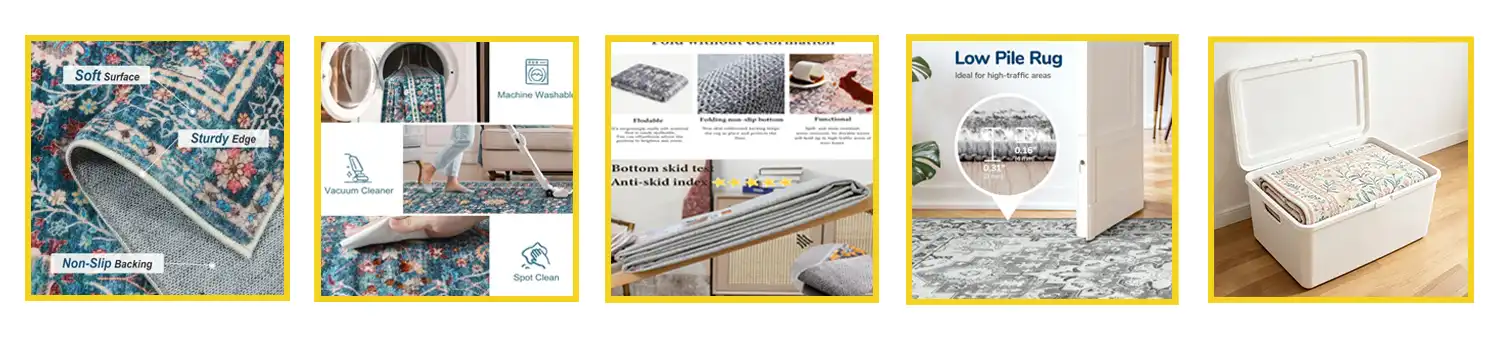
Understanding the Core Carpet Materials Used in Luxury Hotels
In high-end hotel settings, choosing the right flooring materials determines how well the business runs and how happy the guests are. Material makeup has a direct effect on how much it costs to maintain, how often it needs to be replaced, and how consistent the general look is.
Wool: The Traditional Luxury Standard
Because it is naturally strong and doesn't catch fire, wool is still the best material for high-end hotel rooms. High-end businesses like 80/20 Axminster mixes, which are made of 80% wool and 20% Nylon 6.6 and have great resistance to wear and tear. This mix naturally doesn't break when big luggage carts hit it, and it looks good after thousands of guest interactions. Fibers made of wool have special scales that keep dirt near the top and don't let it go deep, which makes upkeep easier. Because the material absorbs and releases water vapor, it controls the humidity inside, which makes the air quality better in tight areas like guest hallways and rooms.
Nylon: Engineering Performance for High-Traffic Zones
Solution-dyed nylon is the most technologically advanced manmade material that buying managers can choose from. Solution-dyed fibers, on the other hand, add color at the molecular level during extrusion, making them the most colorfast even when cleaned aggressively. This material has a high tensile strength, which is important for keeping areas from delaminating when they are hit by rolling loads from cleaning equipment and moving bags. Mold can't grow in humid places because nylon doesn't absorb much water, which makes it perfect for coastal tourist homes. Studies on hospitality property management say that the fiber's natural resistance to stains cuts down on upkeep costs by 30–40% over its lifetime compared to alternatives that haven't been treated.
Polyester and Specialty Blends: Cost-Effective Alternatives
Polyester is a cheap choice for procurement teams that don't want to give up style in places with mild traffic. Modern polyester rugs are made with fine denier yarns that feel soft like wool but don't change shape when the humidity level changes. Specialty mixes with polypropylene offer great chemical resistance in areas where food and drinks are served and acidic substances may spill. These materials work great in places where regular fibers might break down quickly, like breakfast lounges, bar areas, and banquet rooms.
Key Benefits of Preferred Carpet Materials in Luxury Hotels
Knowing the material benefits helps people make decisions about flooring purchases that are in line with business needs and brand positioning strategies. Choosing the right carpet has a direct effect on how guests feel and on your business's long-term profits.
Exceptional Durability Under Commercial Stress
Highly advanced best hotel carpet materials made for use in hotel settings go through strict testing procedures that mimic years of use. Specifications for pile density range from 7x8 to 10x10 rows per inch. This stops matting and traffic pattern exposure, which leads to "ugly out" and the need for early replacement. High pile weights, between 36 and 50 ounces per square yard, make sure that the structure stays strong even when it is under constant mechanical stress. When combined with regular care plans, these building standards lead to 7–10 year appearance retention lifespans in public hallways, which is a much lower total cost of ownership compared to residential-grade goods.
Enhanced Guest Experience Through Comfort and Acoustics
Luxury hotels use carpets as acoustic engineering tools to control how sound moves between floors and rooms next to each other. Sound Transmission Class rates for good carpet systems mean that they cut down on noise pollution by a lot, which is directly linked to high guest happiness scores. The feeling of walking on properly defined carpet, especially in private areas like suites, makes people think of comfort and luxury, which supports strategies for charging high prices. This sensory branding also includes how it looks. Custom patterns and colors show off your design skills while also hiding dirt buildup between deep cleaning processes.
Operational Efficiency Through Low Maintenance Requirements
Built-in stain resistance and soil-hiding geometries in modern carpets cut upkeep work costs by a huge amount. Fluorochemical treatments make molecular walls that stop liquid absorption in the crucial minutes after spills. This means that housekeeping staff can handle events with simple blotting instead of deep extraction cleaning. Bleach-based cleaners don't change the color of solution-dyed nylon, which is a huge benefit during pandemic reaction plans. Anti-static treatments that produce less than 3.5kV keep electrical equipment from getting messed up and also make it harder for dust to stick to surfaces, which means that vacuum cleaning cycles can be spaced farther apart.
Sustainability and Environmental Certifications
Hotels that want to get LEED approval and meet other green building standards ask for rugs that have been certified by CRI Green Label Plus and OEKO-TEX Standard 100 more and more. These validations from a third party prove that the building has low volatile organic compound emissions and no harmful substances. This addresses worries about indoor air quality that affect the health of guests and the working conditions of staff. Leading makers offer take-back and recyclable carpet backing systems that support circular economy initiatives. This lets places market their environmental credentials in a way that tourists who care about the environment will find appealing. Materials that use recycled material, like nylon that is made from old fishing nets, tell engaging stories about sustainability without sacrificing function.
How to Choose the Best Carpet Material: Decision-Making Criteria for Luxury Hotels
Structured review systems keep specification mistakes from being too expensive by carefully weighing different stakeholders' objectives.
Defining Use Case Requirements
Purchasing managers have to divide hotel rooms into different functional areas that need to meet different performance standards. For big meetings, grand ballrooms and convention centers need custom-patterned Axminster construction that hides event-related dirt and absorbs noise. Corridors are the worst places for wear because there is a lot of traffic, so they need very strict density requirements and low-profile pile heights of about 7 mm to keep wheeled bags from dragging. In guest rooms, the focus shifts to tactile luxury and hypoallergenic qualities, with a preference for plush tufted builds that are approved to release low-VOC emissions.
Balancing Quality and Budget Constraints
Instead of just looking at the original buy price, transparent cost analysis for the best hotel carpet needs to look at all the costs that come up over the course of a product's life. A high-end wool mix that costs 40% more than regular nylon might last 60% longer, giving you a better return on your investment when you consider the cost of replacement labor, the cost of waste, and the disruptions to your business. Teams in charge of buying things should ask for detailed warranty terms and performance promises that put the risk of early appearance loss on the providers. Volume buying agreements and multi-property contracts can help you get better prices and build relationships with chosen suppliers that will make future purchases easier.
Evaluating Supplier Capabilities and Support
Reliable partners show they can make things by producing enough every day to meet project goals without lowering the level of the work. Companies like Yiyajia Carpet, which can make 2,000 square meters of carpet every day, provide schedule stability, which is very important for building schedules. Modern production methods, like high-definition heat transfer printing and precise laser cutting, make it possible to match patterns exactly and make things in odd shapes that fit complicated building plans. With low minimum order numbers (MOQs) like 50 pieces for custom size and color, inventory risk is lower for improvements that are done in stages, and the design stays the same throughout the project.
Exploring the Latest Trends and Innovations in Luxury Hotel Carpets
By keeping up with changes in materials and styles, procurement workers can choose solutions that will work in the future, which extends the time they are useful.
Contemporary Design Aesthetics for 2026
Biophilic patterns, organic shapes, and earth-tone colors that make spaces feel calm are popular in hospitality design right now. Different pile heights and chopped effects create different textures that add depth to the look without making the design too complicated, which could become dated quickly. Neutral base colors with slight variations give you design freedom when you want to change the furniture, but the overall look stays the same. Large patterns make seams less noticeable in public areas that are very big, which makes installation easier and improves the flow of sight.
Advanced Fiber Technologies
Antimicrobial treatments that use silver ion technology stop bacteria and fungi from growing at the fiber level. This helps with cleanliness issues that have grown since people learned about the pandemic. These treatments keep protecting the carpet for as long as it's used because they work after being cleaned more than once. Better stain-blocking chemicals can now fight both water- and oil-based substances at the same time, protecting more than the usual limits of fluorochemicals. Permanent anti-static qualities built into fiber extrusion remove the risk of shock and lower the pull of airborne particles, making living settings cleaner with less upkeep needed.
Sustainability Innovations
Manufacturers of Machine-washable hotel carpet now offer closed-loop recycling programs that take back old carpet and use the materials to make new backing systems. These programs are based on cradle-to-cradle design principles. Alternatives to nylon that are made from petroleum-based materials, like bio-based fibers made from corn glucose, have similar performance qualities. Hotels can back up their environmental claims with third-party data that can be checked, thanks to carbon-neutral manufacturing promises and clear supply chain paperwork. This helps with corporate social responsibility reporting and green certification applications.
Procurement Best Practices for Luxury Hotel Carpets
Using organized steps and smart source choice, good buying strategies make the best use of cost, quality, and time factors.
Strategic Sourcing and Evaluation of Samples
Instead of depending on digital renderings, which may not accurately show texture and color, start the procurement process by asking for real samples that match the final specs. Check samples in real-life lighting situations, since electric, LED, and natural light sources have big effects on how colors are seen. Test samples in real life by exposing them to common types of soil and cleaning methods to confirm upkeep claims. Rapid sample production options, like 24-48 hour response times with heat transfer and laser cutting technologies, shorten the time it takes to make a choice without sacrificing quality. Before committing to bulk sales, these quick-turn samples make sure that the pattern is correct and that the method works.
Bulk Purchasing and Contract Negotiation
When you combine your carpet needs across several renovation stages or property portfolios, you can negotiate better terms and bulk savings. Set up contracts with staged delivery plans that are in line with building milestones. This will reduce the need for on-site storage and the risk of theft. Talk about adding terms that will hold off on final payment until the installation is inspected and the work is proven to have been done correctly. Ask for specific technical documents like tuft bind strength reports (ASTM D1335), delamination resistance data (ASTM D3936), and colorfastness certifications (AATCC 16) to set quality standards and make sure the guarantee is followed.
Logistics and Installation Coordination
Professional placement has a direct effect on how well the carpet works and how long it looks good. Install according to the CRI 104 and 105 guidelines, which say how the seams should be placed, how tight they should be stretched, and how the glue should be used. Export-grade packaging made of pressure-resistant and moisture-proof materials keeps goods safe while they're traveling across foreign borders. It also makes the best use of containers to lower the cost of shipping each item. To avoid port delays that throw off project schedules, work with providers who offer full customs paperwork and clearance help. Maintenance training for cleaning staff after installation makes sure they know how to take care of things properly so that warranties are honored and looks last as long as possible.
Partners in manufacturing who have CE, OEKO-TEX, ISO 9001, REACH, and EN 1350 certifications show that they follow international safety and environmental rules. These validations by a third party lower the risk of procurement by making sure that quality control systems are uniform and that rules are followed. Companies that offer reinforced backing building and full-process quality control cut down on the number of defects that could cause projects to take longer to finish or require expensive repairs.
Conclusion
Luxury hotels depend on best hotel carpet materials that work successfully in tough business settings and improve guests' experiences by making them more comfortable and aesthetically pleasing. Premium standards are mostly made of wool and nylon mixes because they last longer and are easier to maintain. However, current polyester alternatives offer great value in some situations. To do a good job of procurement, you need to carefully look at the use case standards, lifecycle costs, and provider skills. By keeping up with new materials and trends in sustainability, you can make smart investments that help you reach your business goals and build your brand. Strategic sourcing methods, such as carefully testing samples, negotiating volumes, and coordinating operations, ensure quality results that support capital expenditures by extending service lives and lowering upkeep costs.
FAQ
Q1: What makes wool suitable for hotel carpets despite higher costs?
A: Wool doesn't get crushed under heavy traffic because it's naturally resilient, and it doesn't need to be treated with chemicals to meet safety standards because it doesn't catch fire. The fiber's ability to hide dirt makes it less noticeable when it's dirty between cleanings, so the look stays high even with less deep cleaning. Even though they cost more at first, these buildings have lower lifetime costs.
Q2: Can solution-dyed nylon withstand bleach-based cleaning products?
A: Yes, bleach and strong cleaners can't damage solution-dyed nylon because the color is built into the fibers at the molecular level. Unlike wool blends, which lose their color when exposed to bleach, this fabric's ability to fight chemicals was very important during pandemic reaction measures that called for harsh disinfection.
Q3: How do procurement managers verify carpet quality before bulk orders?
A: Ask recognized testing centers for lab results that show the tuft bind strength, delamination resistance, and colorfastness ratings. Get physical models that meet the final requirements and test them on-site in real lighting circumstances. Check that the seller has certifications like ISO 9001 that show they have consistent quality control systems.
Partner with a Trusted Best Hotel Carpet Supplier
Yiyajia Carpet gives buying managers the dependability and technical know-how they need for luxury hotel projects to go well. Our advanced heat transfer printing and precise laser cutting technologies can handle any custom design or odd shape, making it possible to make samples that are an exact 1:1 copy of the building plan. We can meet tight project deadlines without sacrificing quality because we can produce on 2,000 square meters of space every day and turn around samples in 24 to 48 hours.
Our many certificates, such as CE, OEKO-TEX, ISO 9001, REACH, and EN 1350, show that we follow international safety and environmental rules, which is important for businesses that do business in more than one market. Our experienced shipping team makes sure that containers are used efficiently and that customs clearance goes smoothly. You can change the size and color of each piece with a 50-piece minimum order quantity, which lowers the risk of running out of stock during phased improvements. Email our team at sale@yyj-carpet.com to talk about your specific needs and get samples that will show you that we are the best hotel carpet maker for your future projects.
References
1. Hospitality Design Magazine. "Material Specifications for High-Performance Hotel Flooring Systems." Annual Commercial Interiors Review, 2023.
2. American Hotel & Lodging Association. "Lifecycle Cost Analysis of Carpet Materials in Commercial Hospitality Applications." Facilities Management Research Series, 2022.
3. Carpet and Rug Institute. "CRI 104 and 105 Standard Installation Practices for Commercial Carpet Systems." Technical Bulletin, revised 2023.
4. International Journal of Hospitality Management. "Impact of Flooring Materials on Guest Satisfaction and Acoustic Performance in Luxury Hotels." Volume 98, 2024.
5. Green Building Council. "LEED v4.1 Materials and Resources Credits for Interior Flooring Selections." Certification Guidelines, 2023.
6. ASTM International. "Standard Test Methods for Commercial Carpet Performance: Traffic Simulation, Tuft Bind, and Dimensional Stability." ASTM Standards Collection D5252, D1335, D3936, updated 2024.