_1774494554973.webp)
How to clean and maintain artificial sisal carpets?
October 13, 2026


To keep an imitation sisal carpet in good shape, you should know how to care for it properly and how it is made. Synthetic alternatives to natural sisal don't soak up water as quickly and don't stain as easily, but they still need to be cleaned often. Regular brushing with the right tools, quick spot cleaning with pH-neutral cleaners, and low-moisture deep cleaning every once in a while keep the structure and look in good shape. For best results, keep these rugs in high-traffic business places and rotate them often to keep the unique textured look. They will last longer if you do this.


Understanding Artificial Sisal Carpets and Their Maintenance Needs
What Makes Synthetic Sisal Different from Natural Fiber Carpets?
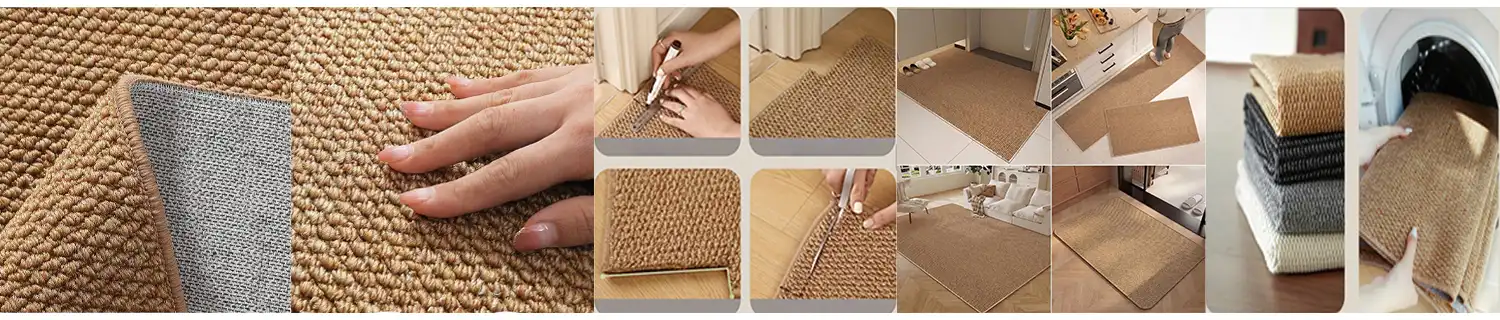
Modern man-made materials, such as solution-dyed polyester or polyamide, are used to make imitation sisal carpet products that look and feel like they are made of natural agave fibers and have basketweave patterns. This tech solves some big issues that living strands have. It's easy for natural sisal to soak up water, which can lead to watermarks, mold growth, and size changes. Synthetic forms don't have these issues because they are made of slippery fibers that stay in shape even in wet or spill-prone areas.
When used for business, synthetic material really does help. Germs can't grow and smells can't stick around because the rate of wetness absorption stays below 0.05%. A score of 7-8 on the Blue Wool Scale means that most fabrics are stable against UV light. It means the color won't change even after being out in the sun for a long time. This makes synthetic fibers useful in places where real sisal wouldn't work, like hotel hallways, restaurant dining areas, and places where you can go from inside to outside.
Key Material Properties Affecting Maintenance Protocols
How you should clean your carpet depends on how well you know how it works. Tough tufted structures with pile heights of 0 to 1 mm make weave patterns that keep dirt out, but you need special cleaning tools to get rid of the dirt that is stuck in them. How long something needs to dry and whether it can be cleaned with water depend on the backing system type (TPR, point plastic, or silicone strip).
Carpets with surface treatments that keep them stain-free have chemical coats that make liquids beads instead of soaking in. Cleansers that are light are needed for this treatment layer to keep working well. To meet international fire safety standards, many goods are made with chemicals that stop flames. These chemicals can be hurt by alkaline cleaners. Checking the surface treatment and compliance certificates of your item helps you pick the right cleaner and keeps you from accidentally hurting it while you're cleaning it.
Commercial Environment Considerations for B2B Buyers
Suppliers need to think about how easy the flooring will be to clean and how much it will cost at first when they choose it for hotels, offices, shops, and show halls. Sites that are used by a lot of people quickly get dirty, so they need care plans that balance how often they need to be cleaned with how much downtime they cause. When you work in a restaurant or hotel, the carpet has to deal with a lot of foot traffic, food service messes, and moving bags.
The widths (10–15 mm) and weights (1-2 kg per square meter) determine the tools that are needed for both setting up and cleaning. Heavy ones with stronger backings last longer, but they need professional-grade cleaning tools to be cleaned thoroughly. When you buy goods, knowing these things about them helps you make accurate estimates of how much they will cost over their whole life. This also keeps your budget for maintenance from going over during the working phases.
Common Cleaning Challenges and Traditional Methods
Typical Soiling Patterns in Commercial Installations
If you use imitation sisal carpet at work, they get dirty in different ways based on where you put them. Entrance areas and halls get a lot of use, which leaves behind dust, dirt, and moisture that people track in. Over time, these bits get stuck in the tight weave and make the surface flat. They make fibers wear out faster if they aren't cleared out quickly.
Stains from food, drinks, and protein leftovers can show up in the eating and greeting areas. These things don't stick to natural sisal, but you only have a short time to get rid of spots on treated man-made fibers before the stains get through the top layers. A lot of things can go wrong in an office, like ink transfer, toner dust from printers, and cleaning product left on nearby hard surfaces.
Limitations of Conventional Cleaning Approaches
The normal ways of taking care of imitation sisal don't always work because of the way it's structured. When low-pile synthetic fibers get hit by standard upright vacuums with moving brush bars, they get fuzzy and wear out faster than they should. Because the weave is so tight, fine particles get stuck below the surface, where normal suction can't reach without special attachments.
When you clean spots with the wrong items, you can make things worse. Cleaners that are alkaline can get rid of coats that keep spots from showing, and cleaners that are based on solvents might be able to break down backing glue in cheaper builds. Make sure the carpet doesn't get too wet when you clean it so it can dry more slowly. Water doesn't hurt synthetic fibers, but it can damage the backing and allow germs to grow where the carpet meets the ground.
Why Professional Maintenance Standards Matter?
If a business has to follow health and safety rules, it needs to have written cleaning schedules that meet the industry standard for cleanliness. The tools and chemicals used by professional repair services have been tested to make sure they don't cancel guarantees and still meet standards. That is especially important in places like hospitals, restaurants, and recreation centers where how people look has a direct effect on how they think of the business.
Getting help from professionals during the building process helps you figure out how things should look and how often they need to be cleaned before they get dirty. This method stops the growth of ground-in dirt that needs to be fixed with heavy machinery. This makes it longer before they need to be replaced and protects buy budgets from unplanned capital costs.
Step-by-Step Guide to Effective Cleaning of Artificial Sisal Carpets
Routine Maintenance: Daily and Weekly Protocols
Picking out the right vacuum tools is the first step in systematic cleaning. Canister vacuums made for industrial use with hard floor adapters or flexible suction work best on low-pile imitation sisal carpet. These arrangements keep the fibers from getting tangled and let enough air flow through to get things out of structures with tight weaves.
In places with a lot of foot traffic, walk-behind vacuums with adjustable brush heights should be used every day to get rid of dry dirt. The highest level of clearance should be used. This keeps the pile from breaking down automatically and gets rid of the trash on top before people walk on it and grind it into the pile even more. Using crevice tools to clean the edges of furniture and along the walls once a week gets rid of dirt that gets stuck there and can't be reached by regular vacuum heads.
Tracking traffic patterns shows places that get a lot of use and need to be fixed more often. Moving the furniture around every once in a while makes the wear more even on the carpet. So, some parts don't have to be changed too soon, and the rest of the carpet can still be used. When it comes to big business projects where some update changes the way things look, this method saves a lot of money.
Spot Treatment: Immediate Response to Spills
To get rid of spots properly, you need to move fast and pick the right cleaner. Good synthetic sisal lets spills stay on top for 10 to 15 minutes before they soak through because it is waterproof and dries quickly. Soaking with white absorbent cloths gets rid of most of the liquid right away, so you don't have to use chemicals to clean it.
Making a spot cleaning kit for the building staff makes sure that the same method is always used. There should be a synthetic carpet cleaner with no pH in this kit, along with white absorbent cloths, a spray gun, and clear directions on how to do things the right way. A normal pH range of 6.5 to 7.5 keeps clothes that don't stain in good shape and gets rid of most common dirt and grime.
Deep Cleaning: Periodic Intensive Maintenance
normal deep cleaning gets rid of dirt that has built up and can't be reached with normal care. For the way imitation sisal is made, the best ways to get it out are those that use little water. Polymer-based solutions are used for encapsulation cleaning. These solutions form around dirt particles and make them easy to pick up without using too much water. It takes less time to dry with this method, and all the dust is still gone.
Professionals who use hot water from a truck to clean are the best, but they need to be careful. To keep the glue on the back safe, the water shouldn't get warmer than 140°F, and the pressure must be high enough to remove enough water for the material to dry in 6 to 8 hours. While it's drying, make sure there's enough airflow. This keeps the material from getting too wet, which could damage the backing.
How often you clean hinges on how clean you want the space to be and how busy it is. Every three months, a deep clean is usually needed in a business space with mild foot traffic. Once a month, in a hotel space with a lot of foot traffic, however. Setting these rules during the buying process makes sure that building budgets accurately reflect the costs of ongoing maintenance. This keeps running costs from coming up out of the blue.
Maintenance Tips to Maximize Durability and Appearance
Preventive Measures for High-Traffic Areas
Carpets can last a lot longer if you use smart traffic control. Entrance mats can catch up to 80% of the dirt that people walk on if they are the right size and are well taken care of. At least 12 to 15 feet should be built into these systems. That's enough space for people to walk and clean their shoes. If you choose door mats with fiber mixtures that match the texture of imitation sisal carpet, you can make the room look more uniform while still keeping dirt out.
In what way you put your furniture, wear is spread out over a bigger area. When you use wide-base furniture glides, you keep static load areas from being compressed very hard. Plan to move furniture around every six months. This will change the way people walk on the floor, which will keep the pile structure from getting permanent crush marks. This works great in places like hotel rooms and waiting rooms where the furniture is usually set up the same way.
Protective treatments applied after installation enhance inherent stain resistance. Commercial-grade fluoropolymer protectants make the walls stronger so that liquids can't get through. They don't change the way the surface looks or feels. After deep cleaning, these treatments need to be put on again so that they keep working. This costs a little more but makes things safer in a big way.
Inspection Schedules and Early Intervention
When you get checked up on every three months, you can find problems before they get so bad that they cost a lot to fix. Trained building staff should look for early signs of wear in high-traffic areas, such as fibers being worn away, edges being torn, and seams coming apart. You can fix small problems early on, before they get so bad that you need to replace the whole thing.
Documentation during inspections creates valuable data for lifecycle analysis. By taking shots of the same spots on a regular basis, you can see patterns of wear that can help you decide what to buy in the future by giving you information about building needs and support systems. This method, which is based on facts, keeps getting better at product selection and process improvement for maintenance.
Sustainable Maintenance Practices
It's getting more and more important for business building managers to care about the environment. Choosing cleaning products that have been approved by a third party to be safe and good for the environment, like those with the Green Seal or EcoLogo, shows that you care about the world around you. These solutions have been cleared and work well to clean without using volatile organic chemicals, which are bad for the air inside.
Water conservation during maintenance aligns with broader corporate sustainability objectives. Low-moisture cleaning tools use 90% less water and still do the job. It is very important for buildings to be efficient like this in places with little water or that want to get LEED or other environmental performance standards.
End-of-life management planning completes the sustainability cycle. Since polypropylene can be recovered, imitation sisal carpet made from it can be sent to recycling centers instead of being thrown away. Making connections with recycling partners before you buy something helps make sure that it is thrown away in a good way when it's time to get a new one. This backs up the idea of a cycle economy and the promises that businesses make to be environmentally responsible.
Choosing Reliable Suppliers and Products for B2B Procurement
Evaluating Quality Through Certification Standards
The manufacturer's certificates, which show that they meet foreign standards, are the first thing you should look at to make sure of the quality. When a product has the CE mark, it means that it meets European safety, health, and environmental standards. People around the world can trust the goods that are sold because of this. There are a lot of safety rules in the OEKO-TEX certification for clothes. It makes sure that no harmful chemicals are used in the production process.
A company that makes things that is ISO 9001 certified uses structured quality management methods. Written processes, regular audits, and growth protocols are all part of this standard that make sure the quality of the work stays the same. Suppliers who keep this license show that their company cares about quality in a way that goes beyond meeting the needs of a single product and covers the whole business.
Technical Specifications That Indicate Durability
The specs for a product tell you how well it should work and what settings are best for using it. This imitation sisal carpet is made to last because it is high-density woven and has pile weights of 1-2 kg per square meter. It can handle a lot of foot traffic in a business setting. Simple rubber coats are less stable in terms of size, but backing systems with TPR or silicone strips are more stable and less likely to slip.
Surface treatments delivering stain resistance and anti-slip properties represent value-added manufacturing processes that enhance functionality beyond basic fiber construction. Waterproof performance specifications prove critical for installations in food service, hospitality, and healthcare environments where liquid exposure occurs regularly. Products meeting international fire safety standards enable specification compliance in regulated commercial applications.
Building Strategic Supplier Relationships
To have long-term success with procurement, it's important to work with sellers who know what B2B buyers need. Making samples quickly keeps projects on track and cuts down on the time it takes to make choices. Models can be made in 24 to 48 hours by suppliers who use heat transfer and laser cutting. This speeds up project approvals and cuts down on delays.
Transparent production capacity information and delivery commitments protect against supply chain disruptions. Suppliers maintaining mature mass production lines with documented on-time delivery rates provide the reliability essential for projects with fixed installation schedules. Clear communication regarding order status, production phases, and shipping logistics builds confidence and enables effective project planning.
Comprehensive after-sales support including quality guarantees, technical consultation, and responsive customer service distinguishes premium suppliers from commodity vendors. Warranty provisions covering manufacturing defects, dedicated account management for repeat customers, and willingness to address concerns professionally demonstrate supplier commitment to customer success beyond initial transactions.
Conclusion
If you want to keep your imitation sisal carpet in good shape, you should know why they are made of plastic and how to clean them properly. Using the right vacuum to get rid of dry soil, treating spots right away with pH-neutral cleaners, and deep cleaning the surface regularly in low-moisture ways will protect its look and structural integrity for longer. Things last longer and cost less over their whole life when preventative measures like door mat systems, furniture turnover plans, and protective coatings are used.
If you buy high-quality items from licensed sellers who offer customization, quick samples, and full support, your purchases will pay off in the long run. These two strategies work best when used together. They help business buyers pick and keep flooring options that meet their specific needs and help them reach their goals for operational efficiency and sustainability.
FAQ
How often should commercial artificial sisal carpets undergo deep cleaning?
A deep clean is done every so often, depending on how busy the place is and how clean it is. Every three months, offices that don't get a lot of foot traffic should get a deep clean. Every month, dining areas that get a lot of foot traffic should get a deep clean. The entrances and hallways may need to be cleaned every two months, no matter how busy the building is as a whole. Setting up ways to check on things helps you figure out when things are looking worse and need to be cleaned more often than planned.
Can standard household cleaning products be used on synthetic sisal carpets?
There are chemicals in most home cleaners that shouldn't be used on business rugs. A lot of different kinds of cleaners can be used, but acidic cleaners can damage colors and remove coatings that keep things from getting stained. Bleach-based products can damage fibers and fade colors. Acids in industrial carpet cleaners made just for imitation sisal carpet are pH-balanced so they clean well without hurting the material.
What causes premature wear in high-traffic commercial carpet installations?
Usually, things wear out too quickly because they aren't taken care of properly and rough dirt builds up, the fibers are damaged during cleaning, or the product's specs aren't right for the way it will be used in real life. When people walk on grit particles that get tracked into buildings and ground into pile structures, they act as abrasives that break down fibers faster. They get broken when you clean too hard or with the wrong tools. The wrong materials are used to make light-duty private buildings in places where a lot of business people go, and the buildings fail quickly.
Partner with Yiyajia Carpet for Premium Imitation Sisal Carpet Solutions
Yiyajia Carpet is a well-known imitation sisal carpet manufacturer who provides reliable goods and extensive customization options to B2B customers all over the world. You can choose any design or size with our advanced heat transfer printing and exact laser cutting technologies. We also make sure quality control is high by checking each item before it ships. People in charge of buying things need reliable companies that can offer variable minimum orders for large orders, fast sample production in 24 to 48 hours, and export-grade packing that saves money on container loading.
Our items have been checked and approved by CE, OEKO-TEX, ISO 9001, REACH, and EN 13501. This means they are safe to use in all places around the world. Our service method is one of a kind because we offer full after-sales support, including quality warranties and expert advice, as well as specialized account management and clear output schedules. Contact our team at sale@yyj-carpet.com to discuss your project needs and discover the advantages of working with a top seller of synthetic flooring who cares about your long-term success.
References
1. Textile Institute. Synthetic Fiber Floor Coverings: Material Properties and Performance Standards. Manchester: Textile Institute Publications, 2021.
2. Commercial Flooring Association. Maintenance Protocols for High-Traffic Commercial Carpet Installations. Chicago: CFA Technical Guidelines, 2022.
3. International Standards Organization. ISO 9001 Quality Management Systems: Requirements and Implementation for Textile Manufacturing. Geneva: ISO Publications, 2020.
4. European Chemicals Agency. REACH Compliance Guidelines for Textile Products in European Markets. Helsinki: ECHA Technical Documentation, 2023.
5. Building Research Establishment. Fire Safety Performance Standards for Commercial Floor Coverings: EN 13501 Classification Systems. Watford: BRE Publications, 2021.
6. Green Building Council. Sustainable Maintenance Practices for Commercial Interior Textiles. Washington: USGBC Technical Report Series, 2022.