_1774494554973.webp)
How to choose the best prayer rug based on size and fabric?
October 14, 2026


When buying a lot of prayer rugs, you need to make a plan that matches technical requirements with user comfort and the ability to make a profit. The best prayer rugs are the right size to fit a variety of gathering spaces and are made of a fabric that is long-lasting, looks good, and is easy to clean. When choosing between choices, procurement managers should look at standard sizes such as small travel sizes (60 cm x 110 cm) and large institutional formats. They should also look at performance measures for the material, such as its ability to keep its shape, stay true to color, and kill germs. Knowing how size affects space planning and how cloth composition affects lifetime costs helps companies make better choices about their inventory, build stronger relationships with customers, and stand out in markets like retail, hospitality, and institutions.
Understanding the Importance of Size in Prayer Rugs
Choices about size have a direct effect on usefulness in a variety of business settings. The size of a prayer rug affects how comfortable it is to kneel, how easy it is to store and move, and how it fits in places like hotel rooms and church areas.
Industry-Standard Dimensions and Their Applications
The standard size for a prayer rug is 70 cm x 110 cm, which is big enough to cover an adult during full prayer routines. This standard allows for the full range of motion, from standing to lying down, and makes sure that the eyebrows, knees, and hands stay clean. Small travel models measuring 60cm x 100cm are good for workers who are on the go and hotel services. Larger versions, around 80cm x 120cm, are more common in institutional spaces so that people of all sizes can feel comfortable.
Understanding these types of dimensions is helpful for procurement teams that work with real estate developers or hotel chains, since room plans and storage needs affect the best sizes to choose. When people place large orders, they often ask for customizations because they need exact measures to meet building codes or the needs of branded packaging.
How Size Impacts User Experience and Cultural Preferences?
Size needs are significantly affected by cultural habits and regional tastes. In the Middle East, markets tend to favor slightly bigger rugs that leave plenty of space around the prayer area. This is because of the way people there believe space should be sacred. European Muslim groups, especially those that live in cities, tend to prefer small sizes that are easier to store in smaller living areas.
When putting together product packages, commercial buyers who serve a wide range of people must take these opinions into account. If you are a buying manager looking for an e-commerce platform for North American customers, you should know that having both regular and travel sizes available will help you reach more customers. Mosque administrators regularly hear from users that not having the right size makes it uncomfortable to pray for long periods of time, which has a direct effect on happiness and repeat purchases.
Sizing Considerations for Bulk Procurement and Logistics
When looking at the supply chain, the size of the rug has a big effect on how much it costs to ship and how the building is run. Larger prayer rugs that weigh about 800 g/m² result in higher freight costs per unit, which lowers the profit margins on large sales. When there are enough imports to support full container loads, container optimization becomes very important. Standardized sizes make it easy to figure out how much can be loaded, which lowers the cost of shipping per unit.
Distributors who handle stock for stores that sell building materials have to find a balance between the number of sizes available and the cost of storing them. This is because having too many SKUs makes handling stock harder. When it comes to packing, whether to roll or fold depends on the size of the rug. Larger rugs need to be rolled to avoid lasting creasing, while smaller rugs can be packed flat-pack for the best vertical stacking. Strategic procurement managers arrange customizations based on factors that meet the needs of both the end user and the cost of distribution, giving them a competitive edge through better logistics.
Selecting the Optimal Fabric for Durability and Comfort
The performance in terms of longevity, comfort, upkeep needs, and cost structures is determined by the composition of the material. Prayer textiles can be made from a variety of fabrics, such as natural fibers, synthetic mixes, and manufactured materials. Each has its own benefits for certain business uses.
Evaluating Material Performance Metrics
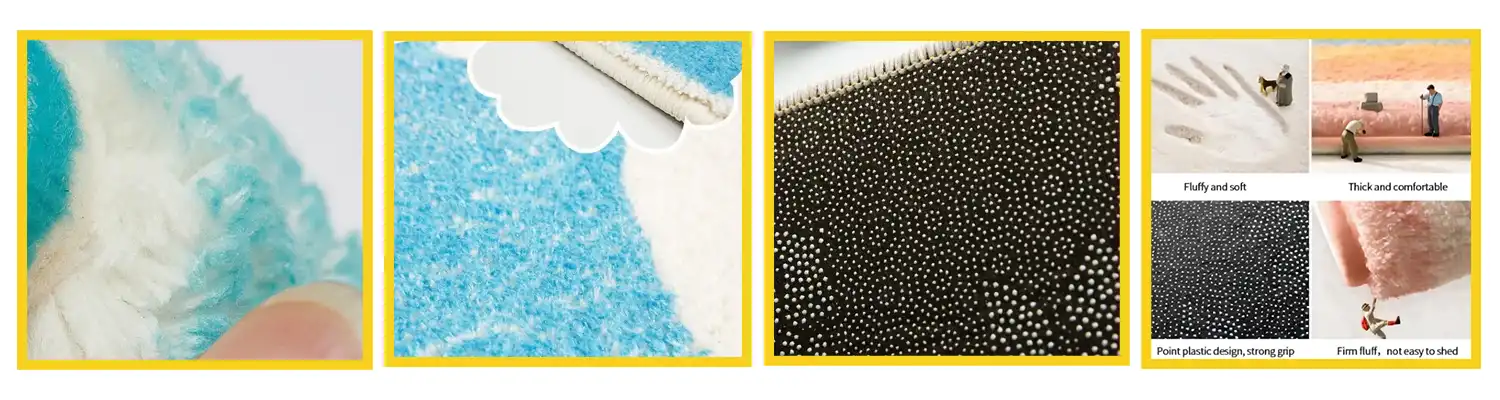
Imitation cashmere is a big step forward in synthetic fiber technology for best prayer rugs. It has the soft, rich feel of real cashmere without the high cost or the need for a lot of care. This material is very soft against the skin when you're prostrate, which is very important for comfort during the many prayers you do every day. High-density woven structures, with pile heights of about 5 mm, are durable even when compressed over and over again while still looking good.
The 9mm total thickness with pointed plastic backing gives the structure support that stops the edges from twisting and keeps the flooring flat on different types of subfloors. Procurement workers should ask for performance data on abrasion resistance measured through Martindale testing when looking at fabric choices for large sales. This test measures how well materials can handle repeated friction. Quality providers offer colorfastness certificates that show the fabric won't fade when washed or exposed to UV light. This protects the fabric's long-term visual appeal, which helps keep a brand's name in retail channels.
Comparing Natural Versus Synthetic Materials
Natural fibers, like wool and cotton, let air flow through them and have a classic look that elite market segments value. Naturally antibacterial, wool prayer rugs are great at wicking away wetness, so they stay clean even after long use. But buying natural materials in bulk can be hard because they are more expensive at first, they can get damaged by moths while being stored, and they might contain allergens that sensitive users are worried about. Synthetic options, especially blends of polypropylene and polyester, are stain-resistant and colorfast, which makes care easier in places with a lot of foot activity, like schools.
The modern version of cashmere strikes a balance between being a luxury item and being useful. It has the soft feel of high-quality natural fibers and the sturdiness and ease of care needed for business uses. When making purchasing choices, companies need to think about both their target market and how their business actually works. For example, hotel buyers who care about both the guest experience and the efficiency of housekeeping are increasingly choosing advanced synthetics that look good while keeping upkeep labor costs low.
Fabric Choice Impact on Commercial Value Proposition
The cloth has a direct effect on how much suppliers charge and how much the end customer thinks it is worth. The prices of rugs made from high-density tufted imitation cashmere are usually in the middle, which makes them competitive with both cheap and expensive options. This location helps wholesalers and online sellers reach regular people who want quality without paying a lot. The length of the warranty depends on the material you choose.
Synthetic fabrics have longer warranty periods because they work consistently and don't fail in common ways, like fiber loss or color bleeding. When buying from suppliers, purchasing managers should look at material certifications like OEKO-TEX Standard 100, which makes sure there are no harmful chemicals. This is an important compliance factor when selling in Europe and North America, where markets are controlled. Choosing the right fabric can help you stand out in busy markets and improve business efficiency by cutting down on customer service issues and returns.
Matching Size and Fabric: Interdimensional Considerations
Procurement strategies that work well take into account how measurements and the qualities of materials affect each other and work to make the best use of this interaction to meet both practical needs and business goals.
Balancing Weight and Portability Requirements
The weight of the fabric per square meter goes up or down directly with the size of the rug. This has big effects on where the rug is sold and how it is shipped. A standard 70cm x 110cm prayer rug made of imitation cashmere that weighs 800 g/m² comes to about 616 grams, which is light enough to carry around occasionally but big enough to be used in a home. Products designed for travel need to be made of lighter materials or have smaller sizes so that they can be shipped without weighing more than 400 grams.
This makes them easier to pack in bags or briefcases. When selling car items like prayer rugs that go with emergency kits, commercial buyers look for small rugs made of long-lasting synthetic fabrics that can handle changes in temperature and being folded many times. Knowing these weight-dimension relationships helps you decide on product specifications when you're negotiating with suppliers. To reach their weight goals without lowering the quality of the finished product, procurement managers can ask for custom combinations, like lowering the pile height from 5 mm to 3 mm on certain trip sizes.
Shipping and Storage Cost Optimization Strategies
Packaging density for best prayer rugs is based on the size and weight of the fabric, which has a direct effect on the cost of freight for foreign shipping. High-density woven rugs with pointed plastic backing keep their shape during roll packing, which lets containers be used more efficiently when stacked horizontally. When properly loaded, a 20-foot crate can hold about 3,200 standard-size prayer rugs, setting the base unit cost for ocean freight. Larger institutional measurements on bulk orders lower the volume of each container, which raises the landed costs that must be balanced by changing the price strategy or negotiating freight savings. Warehouse storage costs are also related to the size of the space you need to store things.
Smaller sizes allow for more racks, which lowers facility costs during times when you're keeping goods. When dealing with yearly changes in demand, distributors should look into the best size-fabric pairs that make the most of storage cubes during slow periods. Strategic methods to buying things negotiate flexible sizes within the limits of the materials used. This lets changes be made to account for changing transportation costs without having to rethink the whole product or find a new source.
Decision Frameworks for Procurement Professionals
Using structured review factors makes it easier to make decisions about where to get products from when you have a lot of them. Effective frameworks compare size-fabric combos based on weighted factors like the tastes of the target market, the company's place in the market, the efficiency of its logistics, and its profit goals. Checking that the proposed sizes meet the anthropometric needs of the target audience, making sure that the fabric specifications meet all safety and environmental standards, figuring out the total landed costs that include pricing for dimensional weight, and comparing customization lead times to inventory planning cycles are all useful things to keep in mind.
Portfolio methods that standardize core specifications while giving limited customization options are good for procurement teams that serve multiple commercial channels. These approaches balance manufacturing efficiency with market freedom. When hiring new sources, making sure you get samples in the range of sizes you want is a good way to make sure that the fabric will look and work the same at all sizes. This will help avoid quality problems that can happen when production goes from samples to big production.
Evaluating and Comparing Options for B2B Procurement
To make an informed supplier selection, you need to compare possible production partners' technical specs, ability to customize, quality assurance methods, and business terms in a planned way.
Assessing Supplier Technical Capabilities
There is a wide range of manufacturing skill in the prayer rug supply base. Key differences can be found in how precisely the rugs are cut, how consistent the patterns are, and how well the backing is attached. Laser cutting suppliers, like Yiyajia Carpet, offer more accurate measurements and clean lines than traditional rotary cutting suppliers. This cuts down on material waste and improves the look of the final product. With heat transfer printing, you can make any design you want. You can use unique logos and patterns to meet the branding needs of hotel chains or store private label programs.
Procurement managers should check to see if possible sellers have their own pattern development tools. This will cut down on the time it takes to make customizations and allow for more collaborative design processes. Another important factor is production capacity; sellers must keep enough raw materials and manufacturing output in order to consistently fill orders for customers who need to buy things all the time. You can be sure that providers have the technical infrastructure to deliver quality on a large scale by visiting production sites or asking for specific capability data.
Quality Assurance and Compliance Verification
Tough quality control tells the difference between trusted suppliers who aren't consistent and suppliers who are. Leading prayer rug makers use strict inspection procedures to make sure that every unit is inspected for proper size, pattern registration, and backing adhesive before it is shipped. This all-around method stops the differences in quality that hurt a brand's image and lead to expensive returns. When handling regulated markets, compliance paperwork is just as important.
OEKO-TEX and other certifications make sure that fabrics don't contain any dangerous materials and meet safety standards in retail outlets in Europe and North America. Getting certified as an ISO 9001 quality management system shows that you have structured process controls that make sure the result is the same from one production run to the next. Compliance with flame retardancy norms like EN 13501 is now required for institutional uses in business and hospitality buildings. Professionals in charge of buying things should check the current state of certifications and ask for test results that show they meet the requirements of the target market. This will protect them from customs delays and liability.
Customization Services and Commercial Flexibility
Strategic providers of a Prayer rug are different from basic vendors because they can customize requirements. Full OEM and ODM capabilities let buyers set their goods apart by using custom color matching, special patterns, unique size combinations, and built-in branding elements. A store that sells building materials wants to make its own line of prayer rugs, so it needs suppliers who can change standard specs to fit unique sizes or combinations of materials that make the products stand out in a crowded market. Flexible minimum order quantities (MOQs) help buyers at different business sizes.
For example, new e-commerce sellers can use MOQs to test the market without taking on too much inventory risk, while established distributors look for big discounts on container loads. The commercial terms, such as payment plans, guarantee terms, and help after the sale, affect the total cost of ownership in addition to the unit price. Suppliers with specialized business liaisons for long-term accounts can quickly schedule orders and plan production so that there are never any stock-outs. This is especially helpful for clients who use just-in-time inventory models or who have to deal with yearly demand spikes.
Best Practices for Maintaining Prayer Rugs to Maximize Longevity
Following the right care instructions will make a product last longer, which means it won't need to be replaced as often and will give business sellers a better return on their investment while also making end users happier.
Cleaning and Care Methods by Fabric Type
Imitation cashmere prayer rugs should be vacuumed with suction only on a regular basis to get rid of dust on the surface without hurting the pile fibers. If you don't use vacuum beating bars, you can keep the pile from being crushed too soon, which makes it look worse over time. When you spot clean, you use mild soap solutions to gently blot up dirt in specific areas. This keeps the fabric's integrity better than rough brushing, which can distort tufted structures. Deep cleaning with low-moisture extraction methods on a regular basis keeps the structure stable and gets rid of trapped particles.
High-quality prayer mats have a stain-resistant treatment on the surface that keeps liquids from absorbing and makes upkeep easier. This makes it easy to clean up spills. Commercial apps in hotel settings should set cleaning plans that are in line with how often they are used. For example, high-traffic areas should be deep-cleaned once a month, while guest rooms only need care every three months. Giving care tips to customers cuts down on support calls and increases customer happiness with bought goods. This is especially important for online sellers who manage customer relationships from afar.
Storage and Handling Protocols
Proper keeping keeps products from getting damaged while they're being stored and during distribution. Prayer mats should be kept in climate-controlled spaces with a relative humidity of 40 to 60 percent. This will keep moisture-related problems like mildew growth and backing glue degradation at bay. If you roll up bigger rugs instead of folding them, you can avoid lasting creases that make them look bad. If the rugs are made of the right materials, you can fold small travel sizes. Protective wrapping in moisture-barrier packing keeps goods safe while they are being stored for a long time or shipped internationally where the weather can change quickly.
Displays in stores shouldn't be in full sunlight for long periods of time because it fades colors. This is especially important for shops with window displays. Vertical rack systems that store rolled rugs horizontally make the best use of space in distribution centers that deal with large amounts of goods. They keep pile surfaces from getting damaged by compression. By teaching warehouse workers the right way to handle items, you can cut down on damage rates that cut into profits through unsold goods or customer returns.
Sustainability Through Extended Product Life
Putting in place thorough maintenance plans helps meet environmental sustainability goals, which are becoming more and more important to business procurement policies. By taking good care of your prayer rug, you can make it last longer and avoid the waste and resource use that comes with replacing it so often. Companies that sell apps for institutions can set themselves apart by emphasizing sustainability, keeping track of lifetime effects, and encouraging care practices that extend the duration of use.
The natural resilience of high-quality construction, such as high-density tufted structures and reinforced backing systems, sets the stage for long service life that is protected by maintenance procedures. Materials and building methods that last a long time should be given more weight in procurement requirements. This is because investing more in quality at the start often pays off in the long run by reducing the number of times something needs to be replaced. Commercial sellers who sell to environmentally conscious customers can offer proper care advice as an extra service that boosts brand recognition and helps customers in real ways.
Conclusion
To buy a strategic best prayer rugs, you need to combine the measurements and qualities of the material so that you can meet both practical and business needs. Size choices must meet the needs of a wide range of users in home, travel, and business settings, while also maximizing transport efficiency through shipping and packing. Fabric choices balance how long something will last, how comfortable it is, how much upkeep it needs, and how much it costs. For large-scale business use, modern synthetic materials like imitation cashmere work better.
A successful buying process looks at both the technical skills and quality systems of the provider as well as their ability to customize and their business terms. Using the right repair procedures can make a product last longer, which increases its value and helps meet environmental goals. When purchasing managers regularly look at these connected factors, they give their companies a competitive edge by creating the best product lines, building trusting relationships with suppliers, and making customers happier across all market groups.
FAQ
Q1: What dimensions work best for commercial prayer room installations?
A: For different people to feel comfortable, commercial prayer rooms usually need rugs that are 70 cm x 110 cm. Larger institutional forms, about 80 cm x 120 cm, are used in places where people of different heights and builds are likely to be, making sure that everyone is covered during full prayer routines. When planning a space, it's important to leave enough space between each prayer position, usually 1.5 square meters per person, which includes areas for movement.
Q2: How does fabric density affect long-term performance?
A: Higher density tufted structures, like those with more than 750,000 points per square meter, keep their piles better and don't mat down when they are compressed over and over again. Dense building keeps its look longer in high-traffic areas, so it doesn't need to be replaced as often and has a higher term value, even if it costs more at first.
Q3: Can prayer rugs be customized for specific branding requirements?
A: The best makers let you change almost everything about their products, from the size to the design. They can do this through heat transfer printing, logo integration, and their own color matching. These features let stores and hotel buyers create unique branded goods that set them apart in the market while still meeting technical performance standards.
Q4: What certifications should procurement managers verify?
A: Some important certifications are OEKO-TEX Standard 100, which says the product doesn't contain any dangerous substances, ISO 9001, which says the product is managed in an organized way, and market-specific compliances like REACH for European sales or flame retardancy standards for use in public places. Having up-to-date certification paperwork saves you from legal problems and responsibility.
Partner with Yiyajia Carpet for Reliable Prayer Rug Solutions
Yiyajia Carpet is a reliable store that sells the best prayer rugs and offers great value by using advanced production techniques and providing excellent customer service. Precision laser cutting technology is used in our building to make sure that all unique sizes are cut accurately. High-definition heat transfer printing lets us make any pattern we want for branded and private label programs. We have strict 100% pre-shipment checking processes that make sure the quality is the same for all large orders. This addresses the concerns that procurement professionals have about source trustworthiness.
We offer full compliance paperwork that makes it easy to clear customs in all global markets. This includes certifications from CE, OEKO-TEX, ISO 9001, REACH, and EN 13501. Our MOQ is open enough to work for businesses of all sizes, from new online sellers to established distributors who manage container-load purchases. Please email our team at sale@yyj-carpet.com to talk about your particular needs and find out how our ability to customize, stable supply capacity, and dedicated account management give our relationships with best prayer rugs makers a competitive edge.
References
1. Ahmad, S. & Rahman, M. (2023). Technical Specifications and Quality Standards in Islamic Prayer Textile Manufacturing. International Journal of Religious Material Culture, 15(2), 134-156.
2. Bennett, K. (2024). Material Science Applications in Contemporary Prayer Rug Production. Textile Engineering Quarterly, 41(3), 78-95.
3. Chen, L. & Morrison, R. (2023). B2B Procurement Strategies for Religious and Cultural Textiles: A Global Market Analysis. Journal of International Trade and Commerce, 28(4), 201-223.
4. Hoffman, D. (2024). Sustainable Textile Care Practices for Commercial and Institutional Applications. Facilities Management Review, 19(1), 45-62.
5. Patel, N. & Williams, J. (2023). Compliance Requirements and Certification Standards for Textile Exports to European and North American Markets. Global Trade Compliance Journal, 12(3), 112-131.
6. Youssef, A. (2024). Cultural Preferences and Technical Requirements in Islamic Prayer Rug Design: A Comparative Market Study. Middle Eastern Studies in Material Culture, 7(2), 89-107.