_1774494554973.webp)
Best Hotel Carpet: Soft Furnishing Ideas for Boutique Homestays
October 10, 2026


When boutique homestay operators ask me what separates an average guest room from one that earns five-star reviews, my answer is always the floor. The best hotel carpet does far more than cover concrete—it absorbs sound, cushions footfall, communicates brand personality, and signals hygiene standards before a guest even opens their luggage. Research published by Cornell Hospitality Quarterly confirms that tactile comfort in guest rooms directly correlates with repeat booking intent. Choosing the right hospitality carpet, therefore, is a procurement decision with measurable commercial consequences.


Understanding the Essentials of Hotel Carpets for Boutique Homestays
What Sets Hospitality Carpets Apart from Standard Options
Floor covers made for businesses that are used in boutiques have to meet a lot of different needs that regular rugs just can't. Fire resistance, stable dimensions after industrial washing, and a surface shape that hides dirt are all basic requirements that can't be changed. In addition to safety, the textile must keep its rating for appearance under the Hexapod Tumble Test (ISO 10361), scoring at least 3.5 out of 5 after multiple cycles of heavy use. This is a standard that is rarely used in retail carpet specifications but is always used in hotel procurement audits.
The first thing that most procurement teams do is choose the materials they will use. Faux-cashmere fiber surfaces have become very popular in mid-range and boutique hotels because they feel like real wool but cost a lot less. When paired with a TPR (thermoplastic rubber) backing, these designs make hard subfloors less slippery, which makes both guests and maintenance workers safer. The material is safe for babies and can be used by homestay brands that cater to families because it has both CE and OEKO-TEX certifications that say it doesn't contain any dangerous chemicals.
The loop pile and the cut pile are both built to do different things in space. Low-profile loop pile keeps mats from sticking in hallways with a lot of foot traffic, and plush cut pile makes the feel better inside guest rooms. When buying things for projects that span multiple zones, it's very helpful for procurement managers to find a supplier that can deliver both types of buildings under one quality system and keep color batches consistent across all zones.
Criteria for Choosing the Best Carpet for Boutique Homestays
A Structured Screening Framework for Procurement Decisions
When judging hospitality flooring, the weighting criteria change depending on whether the area is public or private. Extreme pile density and abrasion resistance are needed in corridors, and best hotel carpet is often specified here to withstand heavy foot traffic. Indoor Air Quality (IAQ) and comfort underfoot are important in guest rooms, and baths need antimicrobial and moisture-resistant backing.
Here are the core screening metrics procurement managers should apply:
- Durability rating: The pile weight should be at least 1,000 g/m² for hallways and lobbies with a lot of foot traffic. The machine-woven lockstitch construction keeps the edges from fraying even after many industrial washing cycles.
- Certification compliance: Most foreign hotel brand inspectors and US fire marshals need at least the following paperwork: CE, OEKO-TEX, REACH, and EN 13501 fire-retardancy ratings.
- Colour and batch consistency: A hotel project often covers more than one production run. The property's soft furnishing plan looks good because of the color and thickness limits that have been checked from batch to batch.
- OEM and customisation capability: Adding a logo, matching the VI color, and putting it in labeled packaging can turn a plain rug into a business asset. An MOQ of 50 pieces for customizing size and color, and brand delivery within seven days, makes lead time a lot easier for integration teams that are working with tight renovation plans.
- Supplier responsiveness: Samples should be sent out within 24 to 48 hours, and bulk orders should be delivered within seven days. These are the operational standards that set reliable hospitality carpet suppliers apart from regular wholesalers.
These metrics collectively form a purchase scorecard. By giving each criterion a weighted score—with higher scores for certification compliance and batch uniformity for branded chain projects—an objective ranking is made that can stand up to review from both hotel brand reps and outside inspectors.
Installation and Maintenance: Ensuring Longevity and Performance
Protecting Your Investment from Day One
When laid wrong, even the best hotel carpet doesn't work as well as it should. Preparing the substrate, placing seams away from turning points, and choosing the right padding all help the cloth keep its look over time. According to data from the industry, hospitality carpets with 40 oz or more face weights keep their good looks for seven to ten years in public areas if they are properly maintained. This is a very long life span that changes the total cost of ownership calculations in a big way.
In many circumstances, TPR rubber backing may replace glue during installation. This reduces VOC off-gassing during and after fitting and accelerates room reopening. Regular vacuuming, professional extraction every three months, and encapsulation cleaning every six months may prevent the "ugly out" effect, which makes flooring seem old before it is. Procurement managers that incorporate a preventive maintenance program in the supplier contract report lower annual replacement costs than those who merely deal with wear.
Comparing Hotel Carpet Options for Bulk Procurement
Balancing Performance Specifications Against Budget Reality
When deciding to buy in bulk, the link between cost per unit and lifetime value is very important. These days, synthetic faux-cashmere constructions are a good middle ground. They look warm like natural fiber carpets, don't fade under strong UV exposure (AATCC 16 Grade 4+), and can handle bleach-free industrial laundering without losing their shape, which is a problem that often comes up when procurement teams first look at non-wool options.
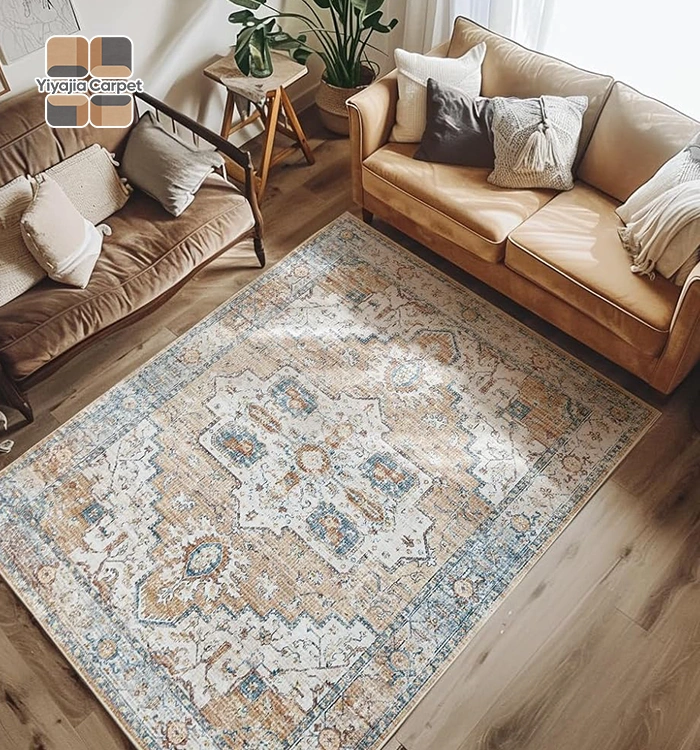
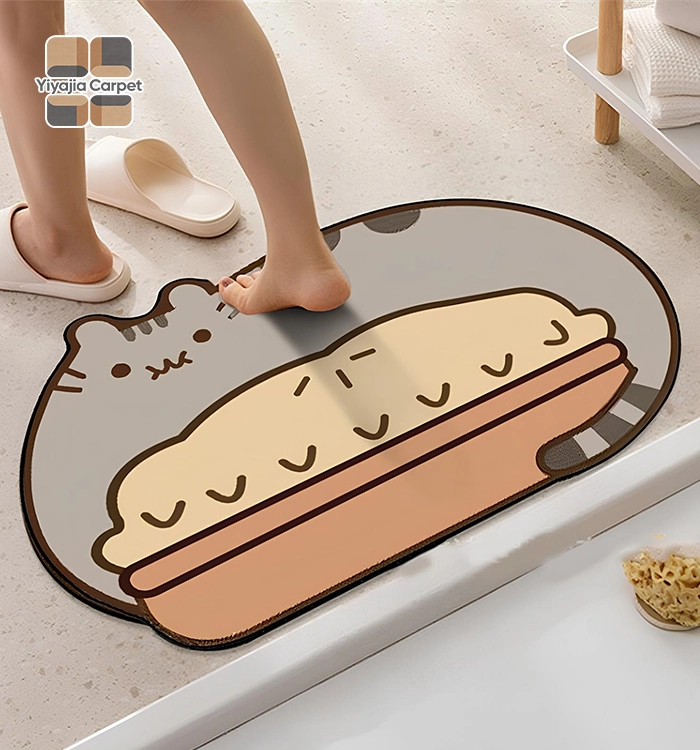
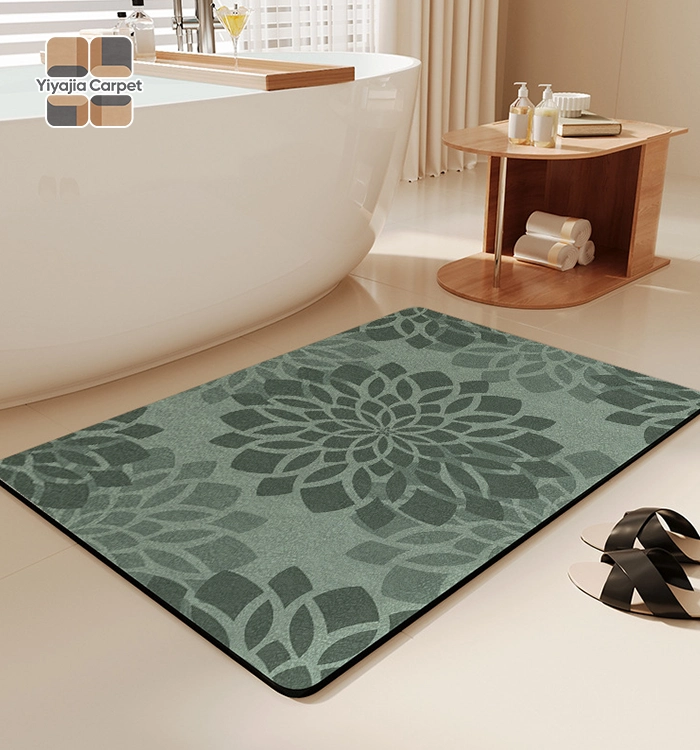
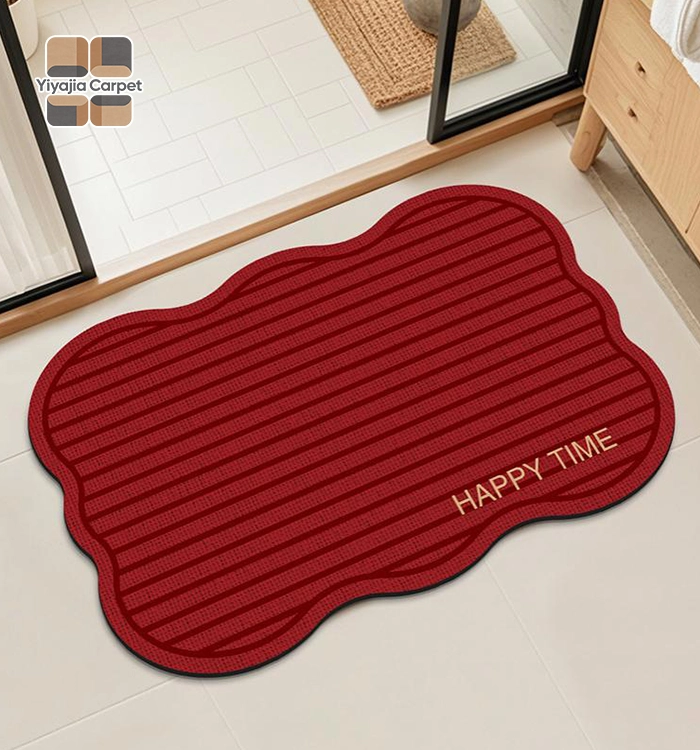
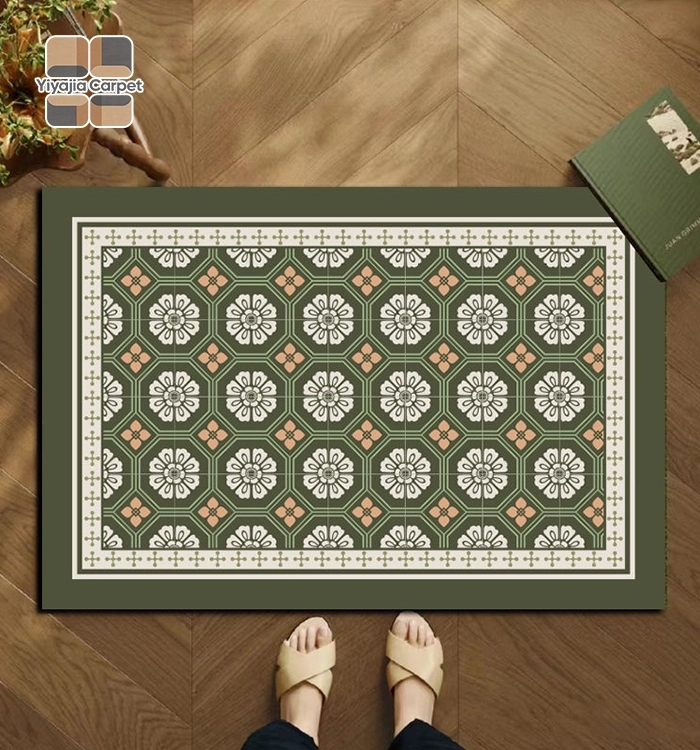
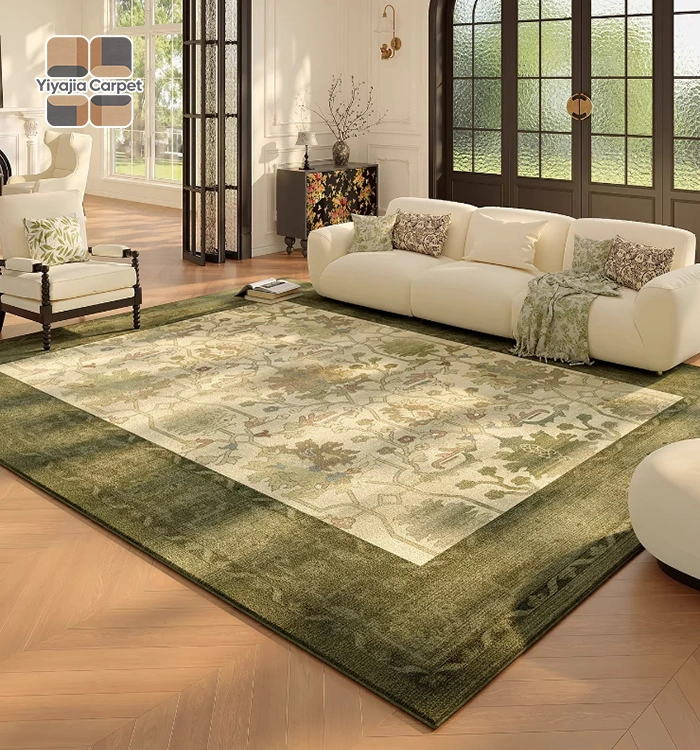
Natural fiber options, like wool mixes, naturally don't catch fire, but they cost more to replace and are harder to clean, which can make running a busy hotel more difficult. For small homestays with living rooms, bedrooms, dining rooms, and bathroom entrances, having a single synthetic product line that covers all four areas makes managing suppliers easier and makes international orders easier to process.
Budgets for buying in bulk are also affected by the choice of padding. High-density foam underlays improve soundproofing between guest rooms, which is important for small hotels with multiple floors. TPR-backed constructions that build grip into the carpet itself get rid of the need for padding as a separate line item.
Machine-washable hotel carpet adds another practical advantage, as it simplifies maintenance and reduces long-term cleaning costs for high-traffic areas. Yiyajia Carpet can make 2,000 m² of carpet every day, which means they can handle multiple orders at the same time without any delays. They also offer export packaging in both foldable and carton formats, which makes the best use of containers and lowers the cost of shipping each item.
Future Trends in Hotel Carpets: Sustainability and Innovation
What Progressive Procurement Teams Are Specifying Today
The market for flooring in hotels and restaurants is clearly moving toward models based on the circular economy. Recycled fiber inputs, low-VOC glue systems, and antibacterial yarn treatments are moving from being unique features to being standard requirements for hotel brands. OEKO-TEX STANDARD 100 certification, which says that an item doesn't contain more than 100 harmful substances, has become a procurement buzzword for responsible sourcing among hotel groups in the Middle East, Europe, and North America.
As digital tools are added, they change the planning stage too. With heat-transfer pattern application and laser cutting technology, procurement teams can make 1:1 samples of custom patterns, logo placements, and odd shapes before committing to full production runs. This feature cuts the time it takes to approve a sample from weeks to days and greatly lowers the cost of design iteration.
When suppliers offer quick production along with full compliance paperwork that covers CE, ROHS, ISO 9001, REACH, and EN 13501 all at the same time, buying teams can finish hotel projects without having to deal with compliance problems at the port or during on-site inspection.
Conclusion
Choosing the right carpet for a small homestay is a choice that has to do with style, functionality, and cost. When it comes to buying things, the best strategies put certification depth, batch-to-batch consistency, and supplier responsiveness ahead of unit cost, and selecting the best hotel carpet often follows the same principle. With TPR backing, faux-cashmere fabrics now provide a real way for guests to enjoy a high-class experience at a cost that is affordable. As demands for sustainability and customization rise in the global hotel market, the ability of a manufacturer to meet all requirements while also being able to produce in a flexible way will determine which integration businesses can grow and which ones stay the same.
FAQ
What pile weight should I specify for boutique hotel corridors?
Set a minimum pile weight of 1,000 g/m² for passageways and intermediate areas with a lot of foot traffic. This density doesn't allow permanent mats to form under rolling luggage carts, and it keeps its good looks over long periods of use.
Does faux-cashmere carpet shrink after industrial laundering?
High-quality fake cashmere fabrics with machine-woven lockstitch finishing and TPR backing stay the same size after being washed many times in an industrial washer. It is common practice to ask your supplier for a pre-shipment wash-test report.
What certifications should a hotel carpet supplier hold?
The fire safety grade must be at least CE, OEKO-TEX STANDARD 100, REACH, ISO 9001, or EN 13501. All of these meet the needs of hotel brand inspectors in the Middle East, Europe, and North America.
What is a realistic MOQ for logo-customised hotel carpets?
Reliable providers offer logo customization and shipping within seven days at minimums that can be met by businesses. Customizing the size and color of an item usually starts at 50 pieces per order.
How do I verify batch colour consistency across large orders?
Ask for spectrophotometric color measurement reports for every batch of output, making sure that the ΔE tolerance is less than or equal to 1.0 compared to the accepted sample standard.
Partner with Yiyajia Carpet for Your Next Hotel Project
Yiyajia Carpet stands among the most trusted best hotel carpet suppliers serving boutique and chain properties across North America, the Middle East, and Europe. Our faux-cashmere hospitality carpets carry CE, OEKO-TEX, REACH, and EN 13501 certifications, with a daily output of 2,000 m² supporting your most time-sensitive project schedules. Samples ship within 24–48 hours. Reach our team at sale@yyj-carpet.com or visit yyj-carpet.com to request your custom specification quote today.
References
1. Cornell Hospitality Quarterly — 2019
2. Textile Research Journal — 2021
3. Journal of Interior Design — 2020
4. International Journal of Hospitality Management — 2022
5. AATCC Review — 2020
6. Building and Environment — 2023