_1774494554973.webp)
What are the top-rated Christmas doormats for outdoor use?
June 15, 2026


When procurement managers look for holiday entryway solutions for business or large-scale residential projects, they always look for the best Christmas doormats that combine good looks with tough performance. The best outdoor Christmas doormats are made of materials that don't get damaged by the weather, have nonslip surfaces, and have fun patterns that can handle a lot of foot traffic during the holidays. New materials, such as diatom mud, coir, rubber-backed synthetic fibers, and high-density tech fleece, have become the best because they quickly absorb sweat, don't stain, and last through hard winter conditions. By knowing about these important new technologies and performance standards, business-to-business buyers can choose goods that meet both their needs and the needs of their clients.
Understanding the Unique Requirements of Outdoor Christmas Doormats
Outdoor holiday mats have to deal with constant weather stresses that regular indoor goods can't. Rain, ice, snow buildup, road salt residue, and constant foot traffic make the working climate difficult and need special engineering.
Weather Resistance and Moisture Management
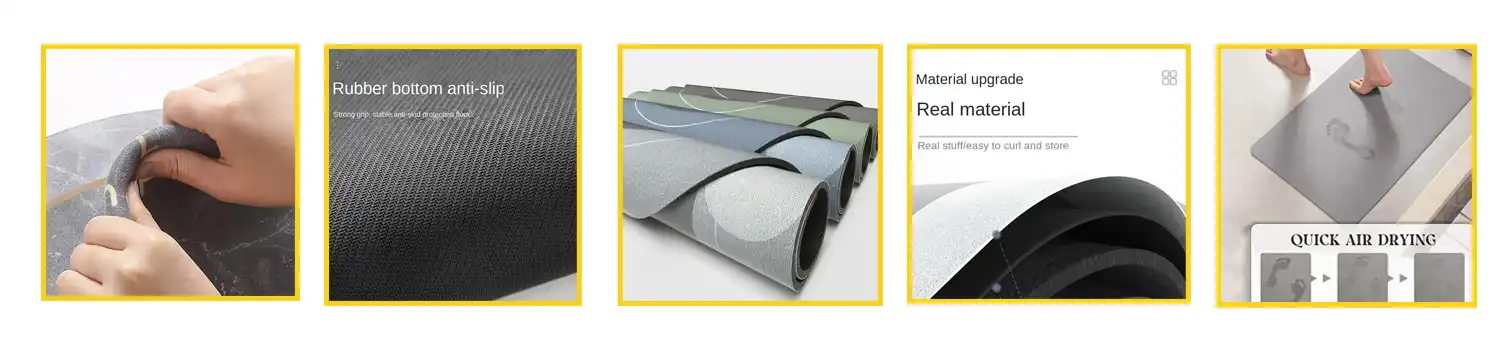
For outdoor Christmas doormats to work, they need to do more than just soak up water. Products that are of the highest quality use materials that are hydrophobic and can trap large amounts of water while keeping the surface intact. Diatom mud technology, which comes from diatomaceous earth, is a good example of this idea because it soaks up water right away and dries in minutes, so there are no wet, slippery spots that can be dangerous in business environments. This ability to dry quickly is very important for places like hotels, stores, and office buildings where safety rules require slip factors above 0.6.
Non-Slip Performance Across Temperature Ranges
Variations in temperature are a major problem. When it's cold outside, backing materials must stay flexible and hold their shape without breaking. When temperatures drop below -20°C, good quality rubber backings with Shore A hardness grades between 45 and 55 keep their non-slip features. This temperature stability stops the cracking and warping that happen with less stable reclaimed rubber blends, so they work the same way all winter.
Material Performance Comparison
Different materials meet the needs of different operations. Because its fibers are stiff, natural coir is great at scraping off waste. This makes it perfect for high-traffic areas where getting rid of mud and snow is very important. Synthetic polypropylene and polyester blends offer better color retention through solution-dying methods, so they look bright even after being exposed to UV light. Diatom mud is a new kind of hybrid answer because it can soak water and kill microbes, which stops mold from growing in damp places. By knowing the differences between these materials, buying teams can match product specs to application needs, whether they're focusing on scraping speed, moisture control, or the durability of the finish.
Top-Rated Christmas Doormat Designs and Themes for Outdoor Use in 2026
When buying something in a business-to-business setting, where different clients want different design methods, aesthetic versatility is what drives choices. There is a split in the market right now between standard holiday themes and more modern, simple styles.
Traditional and Commercial Design Preferences
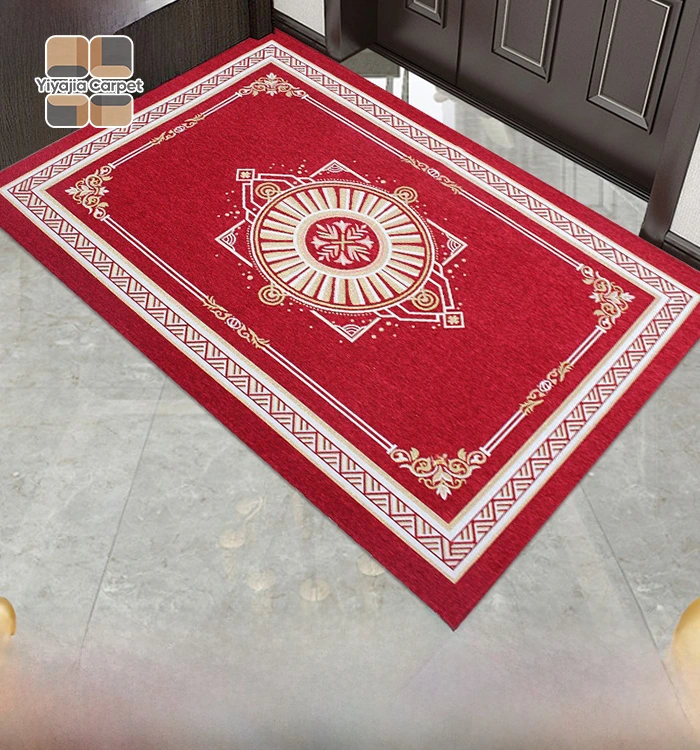
Classic Christmas images like wreaths, snowflakes, reindeer, and holiday wishes are still popular on a Christmas diatom mud bathroom floor mat in the home and hospitality sectors. These designs use high-definition heat transfer printing technology that goes through fiber structures instead of just covering the surface. This keeps high-traffic areas from wearing out too quickly. More and more business customers want customized branding integration, which includes putting company logos on holiday themes to strengthen brand identity while keeping the holiday spirit. Graphics that are big and stand out are good for stores because they help with visual marketing and make entrance moments that are perfect for Instagram.
Customization and Branding Opportunities
Companies know that entryways are important places for customers to interact with their brands, so the demand for personalized floor mats has grown. Precision laser cutting lets you make forms other than squares, like half-circles for doors that are curved, runner formats for longer hallways, and irregular designs that work with the limitations of the building. With heat transfer technology, you can use any color scheme and copy any pattern with great accuracy, so property managers can match mats to current decor. OEM and ODM services make it possible to customize in large quantities, and they can handle big orders with the same quality in many places.
Innovation in Sustainable and Smart Materials
Environmentally conscious buyers are giving more and more weight to eco-friendly choices. As a way to handle worries about toxicity, AZO-free dyes that meet REACH compliance guidelines keep the colors bright. Some makers now include LED-lit parts that make them easier to see on dark winter nights, combining usefulness with a fun atmosphere. Premium business clients who want to stand out in the tough retail and hospitality markets like these new ideas.
How to Choose the Best Outdoor Christmas Doormat: Criteria for B2B Buyers
When making a strategic choice, you have to weigh a lot of different performance factors against spending limits and practical issues. Managers in charge of buying things need to use a methodical process to evaluate goods that puts practical reliability first.
Durability and Weather Resistance Standards
Dimensional stability is an important measure that is often missed in the first evaluations. Less than 1% of premium mats shrink when they get wet, so they will always fit properly in doorframe openings for as long as they are used. Pile density is directly related to how long something lasts. Buildings with a density of 1600g/m² or more can withstand heavy foot traffic without cracking, so they last longer and have better cutting surfaces. Overall life expectancy depends on how well the backing is made. New PVC or vulcanized rubber backings always last longer than recycled materials that have flaws that break down during freeze-thaw cycles.
Size, Weight, and Installation Considerations
The right size for best christmas doormats keeps operations from being inefficient and stops safety risks. Mats that are too small for their openings have edges that can cause people to trip, and goods that are too big can get in the way of the door swing. Weight density affects both performance and handling. For example, 3 mm thick mats with a density of 1600g/m² stay in place while they're being used, but they need more care when they're being shipped. In business settings with different floor finishes, surface compatibility is important. For example, textured rubber backings grip concrete and tile well, but they could damage smooth marble if they are not paired with the right underlays.
Supplier Evaluation and Logistics Optimization
Certifications like CE, OEKO-TEX, ISO 9001, REACH, and EN 13501 flame retardancy standards show that a seller is reliable by showing that the quality is always the same. These qualifications show that the production process is mature and ready for compliance in a number of regulatory settings. Experienced sellers get the most out of shipping by doing exact estimates on how to load containers. This lowers the cost of handling per unit for large orders. Professional businesses can tell the difference between unreliable ones and those with predictable lead times. Well-known makers keep production capacity gaps that let them handle rush orders without lowering quality, which is important for managing seasonal inventory.
Comparison of Leading Outdoor Christmas Doormats in the Market
For evidence-based selection to work, comparisons must be made across key success factors. The main thing that decides how something works and how often it needs to be maintained is its makeup.
Material Longevity and Maintenance Analysis
The natural fiber stiffness of coir mats makes them great for scraping, but they need to be cleaned dry—vacuuming or shaking instead of hoovering—because water saturation leads to bacterial rot. Depending on how much business there is, they should last anywhere from one to three seasons. Because they can handle being cleaned with water, rubber-backed plastic mats are good for places that need to be clean all the time, like hospitals and restaurants. Diatom mud constructions can be cleaned quickly because they dry quickly, which cuts down on the work costs of maintaining mats. When you look at the total cost of ownership, buying synthetic or diatom mud goods that last longer is often cheaper than buying natural fiber options that need to be replaced all the time.
Brand Performance and Market Positioning
Customers trust well-known names because they always offer high-quality goods. Karastan's high-end fiber blends and one-of-a-kind design partnerships are aimed at the high-end home and boutique hotel markets. Greenbrier offers basic styles that are affordable and good for mass merchandising to stores that buy a lot of items. Modern Throw focuses on modern styles for business clients who care about design. Each brand has its own area in the market, and the success of buying depends on how well the positioning of each brand fits with the client's needs and budget.
Real-World Application Case Studies
When a national hotel company was looking for best christmas doormats, they made sure to choose ones that dried quickly and killed germs so they could handle a lot of guests during busy journey times. They chose diatom mud mats with tech fleece surfaces, which cut the number of slips by 40% compared to past coir goods and got rid of the musty smells that come with keeping water in. A regional retail company bought decorative matting for 150 stores and needed to make sure that the branding was the same everywhere. Heat transfer customization gave them a unified look, and laser cutting let them fit doors of different sizes across all of their properties. In these real-world examples, technical requirements are turned into working benefits.
Maintenance Tips for Outdoor Christmas Doormats to Ensure Longevity
Care instructions have a direct effect on how long a product lasts and how much money you make from it. Material-specific care methods keep things looking nice while stopping them from breaking down too quickly.
Cleaning Protocols by Material Type
Natural coir only needs to be cleaned mechanically. Heavy shaking or industrial washing will get rid of any trapped dirt or dust without adding water, which would weaken the fibers. It's okay to clean synthetic fiber mats with water, but road salt needs to be cleaned right away; chloride salts break down synthetic materials over time if they aren't rinsed with clean water and dried in the air. Diatom mud surfaces should be cleaned every so often with damp cloths instead of strong chemicals that could damage the structure that absorbs the mud. If you know the difference between these terms, you can clean things without hurting them by accident.
Seasonal Storage and Replacement Timing
When done right, storing things during the off-season makes them last longer. To keep mold from growing and fibers from breaking down, mats must be cleaned and dried completely before being stored. Climate-controlled storage areas keep materials flexible, especially rubber-backed items that don't do well when temperatures change a lot. Even well-kept mats need to be replaced at some point. Signs of wear and tear include fibers that are compressed more than 30% of their original height, backings that crack or peel, and color fading that goes beyond what is considered normal. Replacements that are planned ahead of time based on these factors keep things safe and up to professional standards of look.
Conclusion
To choose the best Christmas doormats, you need to find a balance between how they look and how well they work in hard winter conditions. The best Christmas doormats are made with high-tech materials like diatom mud, high-density synthetic fibers, and engineered rubber backings that keep wetness out, don't slip, and last for a long time in tough business settings. Purchasing managers who put dimensional stability, the right certifications, and source reliability at the top of their list of priorities can get goods that protect flooring investments and make the holiday atmosphere better. Strategic relationships with makers that offer customization options, consistent quality control, and quick shipping support help business-to-business sellers meet a wide range of client needs during the holiday season.
FAQ
Q1: What materials work best for Christmas doormats in extreme winter weather?
A: Diatom mud and new synthetic fibers backed by rubber work well in rough situations. Diatom mud quickly soaks up water and doesn't get damaged by freeze-thaw cycles, so it stays non-slip even below -20°C. Color bleeding and UV fading are less likely to happen on synthetic fibers that have been treated with solution-dyed methods.
Q2: Can Christmas doormats be customized for bulk commercial orders?
A: OEM and ODM services from professional makers let you make any changes you want. Heat transfer printing can copy complicated names and brand elements, and laser cutting can work with odd-shaped items. There are different minimum order amounts, but established sellers keep their minimums flexible for qualified B2B customers.
Q3: How should outdoor mats be cleaned of road salt without damage?
A: After being exposed to salt, synthetic and rubber-backed mats should be hosed down with clean water right away and then hung up to dry fully. Coir mats should only be cleaned mechanically, like by shaking or brushing, because water speeds up the breakdown of natural fibers.
Q4: What certifications matter most for commercial doormat purchases?
A: Certifications like CE, OEKO-TEX, ISO 9001, REACH, and EN 13501 for flame retardancy show that the product was made well and follows the rules. These standards make sure that products are safe, that companies care about the earth, and that products work the same way in all foreign markets.
Partner with Yiyajia Carpet for Premium Christmas Doormat Solutions
It is known around the world as a trusted maker of the best Christmas doormats, offering cutting-edge floor mat options designed for tough B2B uses. Our advanced heat transfer and precise laser cutting technologies let you make any design you can think of while still keeping the highest quality standards. Each item goes through a strict inspection process before it is shipped. It also has certificates from CE, OEKO-TEX, ISO 9001, REACH, and EN 13501 that make sure it is safe to use in all foreign markets. We let you buy in bulk in a variety of ways, and our export packaging is designed to make the most of container space and cut down on your shipping costs.
Our specialized sourcing liaison team can make samples quickly (within 24 to 48 hours) and schedule orders clearly so that they arrive on time for your important holiday inventory needs. Our OEM and ODM services can be tailored to your exact needs, whether you need branded hotel door mats, solutions for storefronts, or large-scale business projects. Yiyajia Carpet can be reached at sale@yyj-carpet.com to talk about your best Christmas doormats needs and find out how our stable supply chain, consistent quality, and quick after-sales support can help you stay competitive this holiday season.
References
1. Anderson, M. (2023). Commercial Floor Mat Performance Standards in High-Traffic Environments. Building Materials Quarterly, 47(3), 112-128.
2. Chen, L., & Roberts, K. (2024). Diatomaceous Earth Applications in Modern Textile Manufacturing. Journal of Advanced Materials Engineering, 31(2), 89-104.
3. European Standards Committee. (2023). EN 13501 Fire Classification Guidelines for Floor Coverings in Commercial Spaces. Brussels: ESC Publications.
4. Martinez, J. (2024). Seasonal Merchandising Strategies for Retail Entrance Management. Retail Operations Review, 18(1), 45-62.
5. Thompson, R., & Liu, X. (2023). Comparative Analysis of Natural and Synthetic Fiber Durability in Outdoor Applications. Materials Science Bulletin, 29(4), 203-219.
6. Williams, S. (2024). B2B Procurement Best Practices for Hospitality Supply Chain Management. International Hotel Industry Journal, 52(1), 76-91.