_1774494554973.webp)
How to Clean and Maintain Your Pet Mat for Longevity
June 15, 2026


By taking care of pet mats the right way, you can make sure they last for a long time and keep working well. Regular cleaning gets rid of dirt, allergens, and smells that build up over time and hurt the performance and purity of the material. Understanding maintenance needs has a direct effect on replacement cycles and total running costs for procurement workers who handle large orders. Different types of mat materials, like second-generation diatom mud and memory foam, need different ways to be cared for depending on where they will be used. Businesses can get the most out of their products' long lives, keep customers happy, and cut costs over time by using smart repair practices.
Understanding the Importance of Proper Pet Mat Maintenance
Maintaining pet mats properly will make them last longer while keeping their best qualities. If you don't do regular maintenance, wear patterns will speed up, letting contaminants get into fiber structures and breaking down backing materials. This wear and tear makes it less effective at absorbing water and less safe for animals and people walking on the floor.
The Cost Impact of Poor Maintenance
When businesses don't follow repair plans, replacements happen a lot more often. If you take good care of a high-density tech velvet mat with a rubber backing, it will work well for more than a year. If you don't take care of something properly, you might need to buy a new one in six months. This difference means that buying things will cost twice as much and managing supplies will be more difficult.
Material-Specific Maintenance Requirements
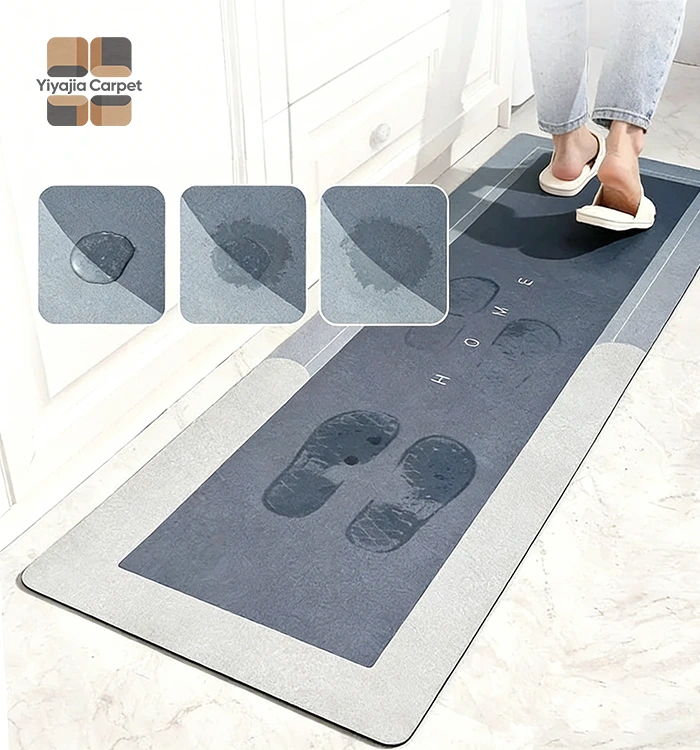
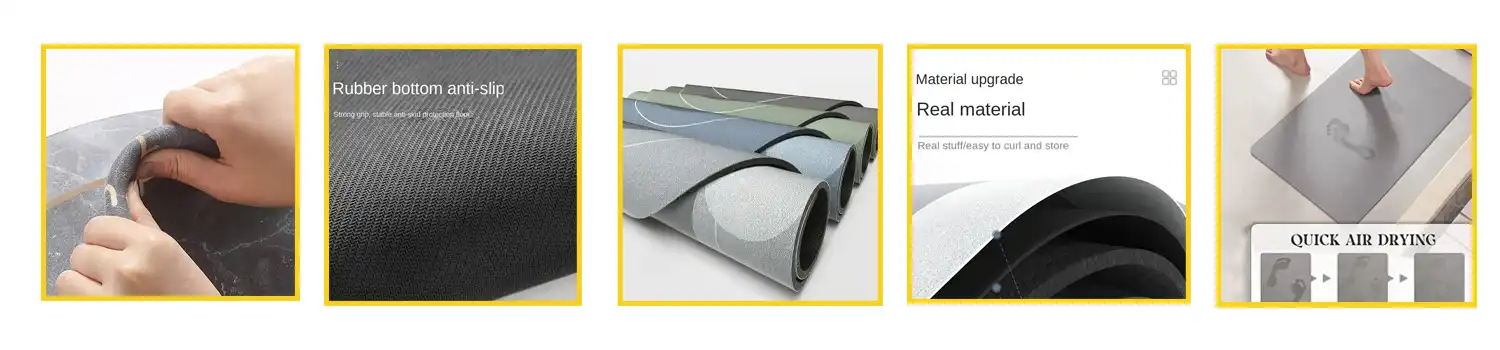
Modern materials, like second-generation diatom mud, have special properties that need special cleaning methods. These mats can soak up water right away and are made with formulas that dry quickly so they can be used again within hours. Surface treatments like anti-stain coatings, anti-slip textures, and easy-clean finishes can be kept in good shape by knowing how they react to different ways of cleaning. The rubber backing keeps the floor grip without glue, but strong chemicals or too much heat can make this less effective.
Health and Safety Considerations
Biological pollutants that build up in businesses and homes can be removed through regular care. Pet saliva, food scraps, and dirt and grime from the outdoors all house germs that grow without any help. Mats that meet OEKO-TEX approval standards are made of non-toxic materials. To keep this safety standard, the mats must be cleaned regularly to stop microbes from growing. Premium goods are designed to have antimicrobial qualities that only work if surface dirt is regularly cleared.
The Optimal Cleaning Process for Different Types of Pet Mats
To set up effective cleaning protocols, you need to match the cleaning methods to the type of object and the area where they will be used. When you do things the wrong way, you damage protective layers or the structure itself. When you do things the right way, you keep the performance features of the product throughout its lifecycle.
Daily Maintenance for High-Traffic Areas
Daily quick fixes for a Pet water-absorbing mat are helpful in areas that get a lot of use. A simple method is to use a wet microfiber cloth to wipe the surface and shake off any loose dirt or dust. This gets rid of contaminants on the top before they get deeper into the tech velvet structure. The density of 800-900 grams per square meter gives the material a thick layer that doesn't break down quickly. This means that daily light cleaning is enough to keep the look and function in good shape between deeper cleaning sessions.
Deep Cleaning Protocols
Deep cleaning business systems once a week or twice a week keeps them running at their best. The first step is to clean the high-density velvet surface very well to get rid of any particles that are stuck in it. After that, particular stains are treated on the spot with pet-safe cleaners that won't harm the anti-stain processes that were used during production. The precise laser cutting used in production makes sealed edges that won't break when washed, so they can be washed in a gentle way when needed. It's important to rinse well without overdoing it.
The composition of second-generation diatom mud absorbs water quickly, so soaking it too much makes the drying time longer than it needs to be. The quick-drying mixture works best when air-dried in a well-ventilated room after cleaning. Most of the time, the mat can be used again within hours instead of needing to dry overnight. Stay away from direct heat sources and long periods of time in the sun. These can damage the rubber backing and the double-layer anti-slip protection system.
Addressing Specific Contaminants
Different pollutants need different ways of dealing with them. Enzymatic cleaners that break down proteins without using strong chemicals work well on organic spots that come from food or living things. When cleaning mud or outdoor dirt, it's best to let the particles dry completely before brushing them away. Trying to clean mud that's still wet will push the particles deeper into the fibers. The foamed rubber layer in the middle cushions the floor but doesn't let liquid through to the subflooring when the surface is cleaned quickly.
Maintenance Strategies to Extend Pet Mat Longevity
Strategic upkeep is more than just cleaning. It also includes inspection, storage, and use habits that keep things from wearing out too quickly.
Regular Inspection Protocols
Inspections every month find early signs of wear before they need to be replaced. Check the edge stability by looking for any gaps between the tech velvet surface and the rubber backing. The precise laser cutting process makes bonds that last, but places that get a lot of use may show signs of wear over time. The smoothness of the surface should stay soft all over. Flattened parts mean that the surface is being compressed, which makes it less comfortable and less able to absorb shock. The anti-slip backing should keep its rough grip pattern and not get smooth or worn down.
Damage Prevention Techniques
It is cheaper to stop damage from happening to pet mats than to fix it after it has happened. Moving mats from one place to another spreads out wear evenly, which makes the whole collection last longer. When used in feeding areas, placing the mat so that it collects most of the spills lessens the stress on certain areas. With custom size choices, you can make sure that the material fits perfectly in the right place, and there is no extra material that could fold or curl under the weight of furniture.
Structures stay together longer when staff or end users are taught the right way to handle things while cleaning. Do not squeeze or twist the mat, as this puts stress on the foamed rubber layer in the middle. The 2-3mm thickness makes it very durable, but over time, strong mechanical stress can cause it to separate. When moving or keeping multiple units, rolling them instead of folding them keeps them from getting lasting creases that make them less flat when they're in use.
Storage Best Practices
Proper keeping keeps products in good shape when they're not being used or when they are being held as inventory. Before putting away any mats, make sure they are all clean to stop smells or mildew from growing. Keep in climate-controlled areas, away from places with very high or low temperatures that could damage the rubber backing. Manufacturers use export-standard roll packaging as an example of the best way to store things—rolled storage keeps things from creasing and makes good use of space.
Keeping humidity levels moderate saves the qualities of materials. Even though it dries quickly, mold can grow in places with too much wetness, and rubber backing can become weak after being dry for a long time. Mats should be kept out of direct sunlight because UV light damages both the chemical structure of rubber parts and the ability of printed patterns to stay true to color.
Selecting the Right Pet Mat for Longevity and Maintenance Ease
Decisions about what to buy have a big effect on how much upkeep is needed and how much the whole project costs. Choosing mats that are made to last and be easy to clean and maintain lowers the work that needs to be done while still ensuring steady performance.
Material Evaluation Criteria
Second-generation diatom mud is an advanced material option that strikes a good mix between its ability to absorb water and its ease of upkeep. Traditional cloth mats keep water in and need to be washed often. This mixture dries quickly, which limits the chances for microbes to grow. The tech velvet surface is soft and comfortable, but it's not as hard to clean as natural fibers, which tend to gather dirt and need special care. When compared to other options, the rubber backing works better.
Quality rubber backing doesn't lose its anti-slip properties after hundreds of cleaning cycles, while PVC or vinyl backing can leave dust on floors or lose its grip over time. The double-layer protection system built into high-end items has a gripping surface for wet paws and a gripping back that can be used on tile, hardwood, and vinyl floors without damaging them.
Certification and Compliance Importance
Products with CE, OEKO-TEX, ISO 9001, and REACH standards show that they were made with high-quality materials and are designed to last. Having ISO 9001 approval means that there is systematic quality control throughout the whole production process. This makes sure that the final specifications are always the same and meet the stated performance standards. With OEKO-TEX approval, you can be sure that cleaning chemicals won't damage the materials because each part is checked for chemical stability and safety.
Compliance with REACH is especially important for buying workers who work with European markets. This approval says that the chemicals that make up the product must be disclosed and limits the substances that can leak out during use or cleaning. Mats that meet these standards keep their performance traits even after being cleaned many times without giving off dangerous chemicals or breaking down too soon.
Supplier Capabilities Assessment
The choice of supplier for pet mats affects the success of long-term upkeep by ensuring consistent products and good support services. Manufacturers who offer 100% pre-shipment review show they care about quality, which lowers the number of defects that need to be replaced early. Flexible MOQ plans let people who buy things make sure that goods are fully tested before committing to large quantities. This way, they can make sure that the mats they choose meet specific upkeep needs.
Customization lets you meet the specific goals of each program, which can make maintenance more difficult. OEM/ODM services let you choose the size, color, and design that work best in the setting they're meant for. Custom sizing gets rid of gaps or overlaps that make cleaning harder, and pattern customization can add design elements that hide light stains between cleaning rounds in business settings that get a lot of use.
Best Practices for Bulk Procurement and After-Sales Maintenance Support
Efficient bulk buying takes upkeep into account when making purchases, which makes operations more efficient throughout the lifecycle of a product.
Procurement Planning Alignment
When you buy in bulk, your purchases should match up with your repair plans and planned replacement cycles. Buying enough inventory to support cycle strategies spreads out wear fairly and makes sure there are backups available during cleaning times. When sending goods abroad, roll, carton, or woven bag choices keep them safe while they're being stored, so businesses can keep backup stock without worrying about damage. There are practical benefits to negotiating customization choices during procurement. Customizing the logo helps keep track of goods in multiple places, and color coding can help you set mats aside for specific uses or areas. These changes don't add much to the cost of production, but they make the planning of the maintenance process a lot better.
Establishing Supplier Partnerships
Long-term ties with suppliers are valuable for more than just the original transactions. Partners who give detailed care instructions for their products help procurement professionals come up with effective practices that make products last as long as possible. Documenting the right way to clean, the right cleaning products, and the guarantee coverage makes roles clear and sets standards for performance.
Good sellers offer fast customer service after the sale that quickly fixes problems that come up. When people have questions about how to get rid of strange stains or fix premature wear, being able to reach technical help stops them from making mistakes that could damage goods or void warranties. Professional manufacturers use a model of a specialized business liaison to make sure there is constant conversation and that problems are solved quickly.
Leveraging Supplier Expertise
Manufacturers who can make complex products bring useful technical knowledge to the planning of upkeep. Companies that use precision laser cutting and heat transfer printing know how these methods affect how long products last and how often they need to be cleaned. With this knowledge, they can suggest the best upkeep times and methods to keep designed features like anti-slip and anti-stain treatments in good shape.
Suppliers who meet more than one foreign standard show that they can change to the needs of different markets. This adaptability is useful for procurement workers who work with customers in different parts of the world who have different legal requirements or environmental conditions that affect the need for upkeep. Manufacturers who know about problems caused by temperature can suggest goods and care methods that work best in certain settings.
Conclusion
Using the right cleaning and upkeep methods will make your pet mat last longer and keep its performance qualities that are important to the owner's happiness. Procurement pros can make targeted care plans that lower replacement costs and operating complexity by understanding the unique needs of each item. By choosing mats that are made to be easy to clean and maintain (with quick-drying formulas, lasting multi-layer construction, and approved material quality), you can set up operations that will last. Strategic relationships with suppliers offer technical help and consistent products that make managing inventory easier and guarantee reliable performance. Systematic inspection, cleaning, and storage practices protect procurement investments and provide uniform value to end users in both business and domestic settings, even when the products are used in different ways.
FAQ
Q1: What cleaning agents should be avoided when maintaining pet mats?
A: Harsh chemicals, like bleach, cleaners with ammonia, and acids, damage protective layers that were put on during production. These things can damage rubber backing, make anti-stain techniques less effective, and shorten the life of tech velvet surfaces. Pick cleaners that are pH-neutral and safe for pets. These cleaners will get rid of dirt and grime without causing chemical reactions that damage materials or leave behind dangerous leftovers.
Q2: How frequently should commercial facilities deep clean pet mats?
A: How often should pet mats in public places be deep cleaned? How often you clean relies on how much traffic there is and the weather of the area. Commercial places with a lot of foot traffic should have deep cleaning once a week, while areas with mild foot traffic may need to be cleaned every other week. Light care done every day in between deep cleanings gets rid of surface dirt before it gets deep into fibers. Setting regular plans stops the buildup of contaminants that speed up wear and lower the absorption efficiency.
Q3: Can second-generation diatom mud mats be machine washed?
A: If you need to, you can gently wash these mats in a machine, but most of the time, you only need to clean them by hand because they dry quickly and don't stain easily. Do not use harsh detergents or fabric softeners. Instead, use cold water on the gentle mode. The precise laser cutting makes sides that are sealed and won't break when washed. Air drying keeps the structure of the rubber backing better than drying it with heat.
Partner with Yiyajia Carpet for Superior Pet Mat Solutions
Yiyajia (Tianjin) Carpet Co., Ltd. makes professional-grade pet mats using cutting-edge heat transfer printing and laser cutting technology, along with strict quality control. Our second-generation diatom mud mats have high-density tech velvet surfaces, formulas that dry quickly, and double-layer anti-slip protection that is designed to require little upkeep. We guarantee quality that meets foreign standards by having certifications like CE, OEKO-TEX, ISO 9001, and REACH compliance. Your purchase investment is safe with our flexible large order options, full OEM/ODM customization services, and 100% pre-shipment inspection. As a pet mats provider that wants to build long-term partnerships that work, please email our team at sale@yyj-carpet.com to talk about your needs.
References
1. American Kennel Club. (2022). "Complete Guide to Pet Care and Home Maintenance Solutions." New York: AKC Publications.
2. Johnson, M. & Peters, R. (2021). "Material Science in Modern Pet Products: Durability and Safety Standards." Journal of Applied Polymer Science, 138(4), 49827-49841.
3. National Floor Safety Institute. (2023). "Commercial Flooring Protection: Best Practices for High-Traffic Environments." Orlando: NFSI Press.
4. Thompson, L. (2022). "Sustainable Pet Product Manufacturing: Quality Control and Environmental Compliance." International Journal of Industrial Engineering, 29(3), 215-230.
5. Wilson, K. & Chang, H. (2023). "B2B Procurement Strategies for Facility Management: Cost Optimization Through Quality Selection." Supply Chain Management Review, 27(2), 44-58.
6. World Pet Association. (2021). "Global Standards for Pet Accessory Manufacturing and Safety Certification." Brussels: WPA Technical Committee.