_1774494554973.webp)
Stylish kitchen mats that are easy to clean and maintain
June 15, 2026


Stylish kitchen mats are now necessary in both businesses and homes because they look great and work well. These special floor coverings meet important needs for business-to-business buyers like buying managers, project engineers, distributors, and OEM partners by making upkeep easy and lowering costs and work hours. In addition to looking good on the outside, these mats keep people from slipping, keep you from getting tired, and protect you from the constant problems that come with high-traffic areas and spills. Not only does choosing the right product affect how well it works, but it also affects safety at work and the total cost of ownership. Professionals in buying can use the information in this complete guide to make smart choices that balance practical needs with modern design standards. This will make sure that your investment pays off in a number of working areas.
Understanding Stylish Kitchen Mats: Features and Benefits
These days, stylish kitchen mats are much more than just simple rubber mats. Modern designs combine trendy looks with high-quality performance, meeting the high standards of business buyers who won't settle for less in either area.
High-Performance Materials Engineered for Durability
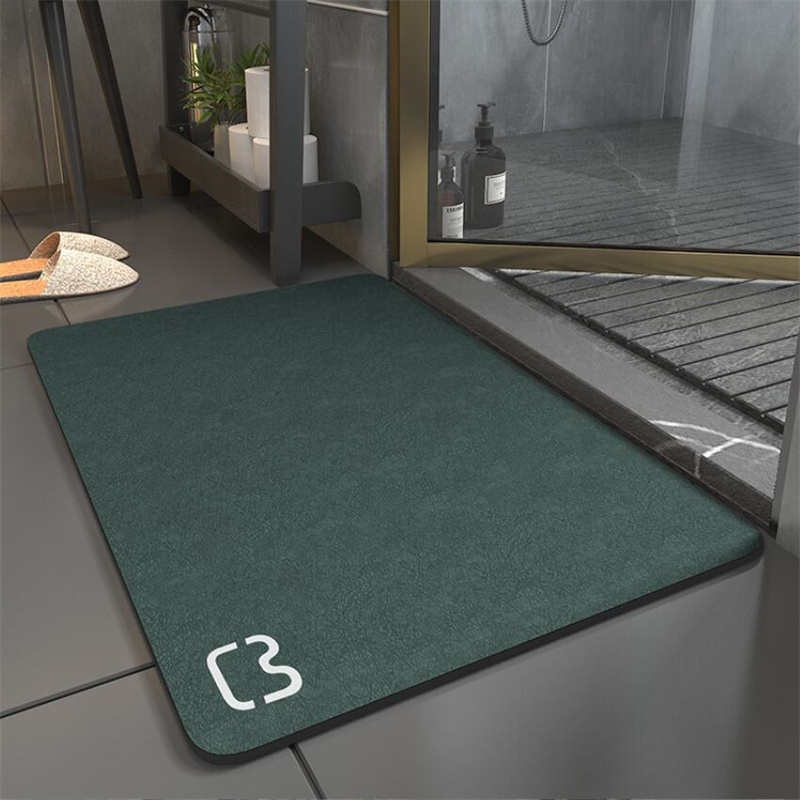
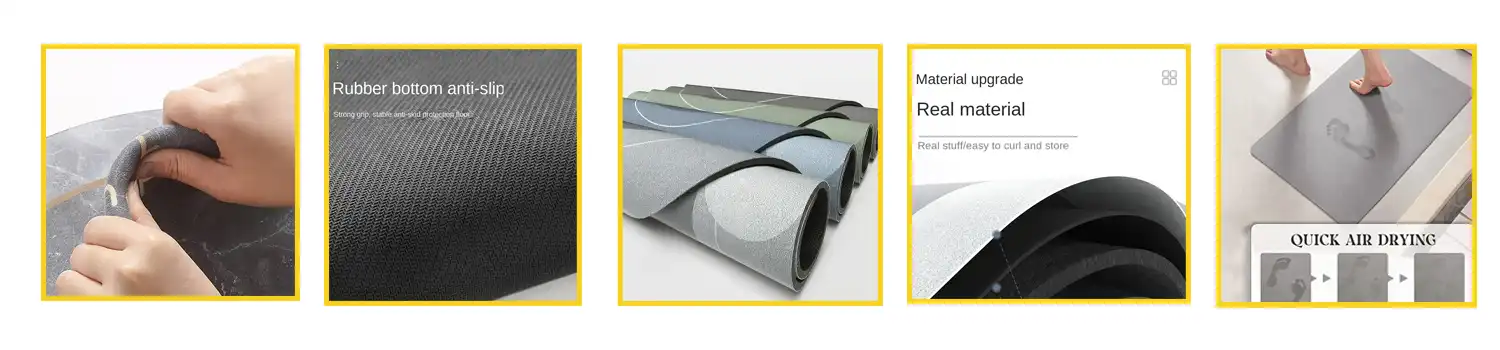
Modern stylish kitchen mats use modern material science to make them last a very long time. When you mix second-generation diatom mud technology with high-density technical velvet cloth structures, you get surfaces that can last for years of heavy use. The rubber backing secures the mat to tile, hardwood, and vinyl floors, and the 2-3 mm thickness provides the right amount of softness without making it easy to trip. With a weight of 800 to 900 grams per square meter, these mats are the right size to protect the floor while still being easy to move around during cleaning cycles.
Anti-Fatigue Technology That Protects Your Workforce
Workers in commercial kitchens have to stand for long amounts of time, which puts a lot of stress on their muscles and bones. In clinical words, quality mats reduce venous pooling and lumbar compression in the lower limbs. This directly leads to fewer worker injuries and tiredness. The designed cushioning takes in contact forces, which makes joints and connective tissue less stressed. Companies that use the right anti-fatigue mats say their workers are happier, less likely to miss work, and more productive during long shifts.
Safety Features That Minimize Liability Risks
One of the most common dangers at work in food preparation places is slipping and falling. With anti-slip treatments on the surface and a moisture-resistant rubber backing, you can walk safely even when water, oils, and food particles are present. The water-absorbing properties of diatom mud surfaces soak up spills right away and dry quickly to make walking safe again. Anti-stain techniques make sure that organic matter and grease don't leave behind lasting stains or sticky residues, so the product's look and function stay the same over its lifetime.
Maintenance Efficiency That Reduces Operational Downtime
The surface treatment that makes it easy to clean may be the best thing about it for buying teams that want to save money. The non-porous design keeps liquids from getting in and germs from growing, so it's easy to clean with regular cleaners. These mats can be spot-cleaned in seconds or hosed down during facility-wide sanitation routines. This is different from fabric options that soak up spills and need to be washed. This improved upkeep process means less work for less money and more service, both of which are important when figuring out the total cost of ownership.
How to Choose Stylish Kitchen Mats That Are Easy to Clean and Maintain?
Stylish kitchen mats that are simple to clean and maintain are available. For purchasing choices to be made, there needs to be a way to evaluate products in a way that matches their specs with how they work. The following criteria-based screening method makes it easier for buyers to find the products they want quickly.
Matching Materials to Your Operational Environment
Commercial kitchens that get a lot of use have different problems to deal with than business break rooms or small restaurants. Rubber-backed mats with diatom mud surfaces work great in wet places where resistance to water is very important. The closed-cell structure keeps chemicals like cleaning agents and food acids from getting inside, so the structure stays strong even after thousands of cleaning rounds. Thermal stability tests should be done to make sure that the backing material won't break down or move when it's exposed to high temperatures. This is done to make sure that it works with underground heating systems.
Evaluating Cleaning Protocol Requirements
Check to see if your building's management staff can handle specific cleaning needs or if they need truly general cleaning methods. Standard commercial cleansers should be able to be used on stylish kitchen mats without damaging the surface or fading the color. Deep-set sublimation printing or UV-cured inks make sure that designs don't come off when they are scrubbed or exposed to chemicals. Look for goods where the protective coating is part of the making process and not just added at the end. This way, the pattern will last even after years of heavy cleaning.
Sizing Flexibility and Customization Capabilities
Standard sizes work for many setups, but custom sizes get rid of holes where dirt and other things can build up and cause trips. Suppliers that offer both OEM and ODM services can change goods to fit different floor plans and add company names or color palettes that are specific to each brand. With laser cutting, you can make forms that aren't perfectly round that fit around equipment bases, island layouts, and doorway changes. This ability to customize is especially useful for chain businesses that need to keep their branding uniform across multiple sites or for big commercial projects that have specific architectural needs.
Supplier Reliability and Quality Assurance
Check out possible partners' quality control methods and their ability to handle large orders. When manufacturers do 100% pre-shipment checking, they greatly lower the chance of getting faulty goods that cause project delays. Minimum order amounts that are flexible can be used for both test projects and full facility rollouts. A supplier's certifications, such as CE marking for EU markets, OEKO-TEX for textile safety, ISO 9001 for quality management, REACH compliance for chemical limits, and EN 1350 for flame retardancy, show that they are dedicated to meeting global standards. These qualifications that can be checked protect buyers from compliance risks and possible damage exposure.
Types of Stylish Kitchen Mats and Their Cleaning & Maintenance Methods
Learning about the different types of stylish kitchen mats helps procurement teams find the best option for each application while also setting up the right upkeep procedures.
Cushioned Anti-Fatigue Mats for Extended Standing Zones
These ergonomic solutions, such as the Silica gel kitchen floor mat, are meant to help workers who stay in the same position for long periods of time at prep stations, cleaning areas, and checkout lines. The high-density design returns energy and lowers contact force by 30–50% compared to bare flooring. This is a real benefit that means fewer worker’s compensation claims. Simple upkeep tasks like scrubbing or dust mopping the floor every day get rid of dirt and dust. Every week, you should mop the floor with damp cloths and pH-neutral cleaning. Stay away from strong chemicals that could damage the cushioning materials. A deep clean can be done once a month with pressure washing tools, and the surface will dry naturally in a few hours.
Washable Mats Designed for Maximum Convenience
In some operating situations, very fast cleaning processes are more important than having the most cushioning possible. Designs that can be washed by hand or in a machine are available, but the diatom mud versions we sell work better because they dry on their own. The anti-stain process on the surface keeps organic matter from getting into the mat base. Spills can be cleaned up right away and won't leave marks. When better cleanliness is needed, the whole mat can be taken off, washed with water, and put back in use during a single shift break. This ability to turn things around quickly is very useful in places where work runs all the time.
Anti-Slip Rubber-Backed Solutions for Safety-Critical Areas
Places that are always wet, like near sinks, ice machines, and drink areas, need the best slip resistance. The rubber backing presses against floors without using glues that damage finishes or leave behind sticky residue. Because the beveled edges are built into the structure of the product, they don't curl like cheaper options do. These designed edge treatments pass the ASTM trip-hazard testing guidelines, which means they can be used as legal defenses in liability cases. When you clean, pay extra attention to the backing surface; don't use products that are based on oil, as they can break down rubber materials. Instead, use cleaners that are based on water and make sure there is enough air flow while the mat is drying so that wetness doesn't get trapped between it and the floor.
Proper Maintenance Extends Lifecycle Value
Setting up structured care plans makes mats last a lot longer, which maximizes return on investment. Regular checks should find early signs of wear so that the right parts can be replaced before they completely break. It's important to store mats in the right way. To keep them from permanently deforming, they should be put flat or lightly rolled. Rotation plans spread wear fairly across many units, which is especially helpful when traffic patterns aren't the same on both sides. Keeping track of when and how you clean gives you useful information for guarantee claims and helps you improve your maintenance routines over time. These organized methods lower the overall costs of a product's life while keeping safety and style standards uniform.
Comparing Stylish Kitchen Mats: Performance, Price, and Application
To do strategic buying, you need to know how to calculate value across a range of product levels and use cases for stylish kitchen mats.
Premium Versus Economy Options
When you buy quality mats at first, they usually pay for themselves in the long run because they last longer and need to be replaced less often. Economy options might help you save money right away, but they usually need to be replaced within 12 to 18 months when used for business purposes. Premium goods made with high-tech materials and careful craftsmanship can last longer than five years, which drastically lowers the yearly costs. When judging offers, don't just look at the buy price; also figure out the cost per day. In your total cost models, you should include the cost of work for setting up, cleaning, and finally getting rid of the item.
Application-Specific Performance Optimization
When it comes to basic needs, small home kitchens are very different from large food service businesses. Hotels and other places that serve people put a lot of emphasis on how they look, which means that they need sophisticated patterns and colors that go with their interior design plans. When a customer walks into a store, the image needs to be customized so that the brand's personality is reinforced at every touchpoint. The padding in office break rooms is quieter, which makes open-plan areas less noisy. For commercial projects to follow the building code, they often need to get a flame retardancy license. Understanding these complex application needs makes sure that specifications are correct, which stops expensive mistakes from happening.
Supplier Differentiation Through Value-Added Services
Leading makers set themselves apart by offering help that goes beyond just delivering products. Look for partners that can make samples quickly (within 24 to 48 hours using heat transfer and laser cutting technology), so you can try them out before you commit to large sales. Dedicated business liaisons make it easier to process return orders and offer suggestions for improving products based on how the industry is changing. Export-grade packaging keeps goods safe while they're being shipped internationally and makes the best use of containers to lower the cost of freight per unit. One-stop customs documentation and compliance help cuts down on delays in clearance and makes things easier for your buying team in terms of paperwork.
Stylish Kitchen Mats Size Guide and Design Ideas to Improve Usability and Aesthetics
When dimensions and visual elements are carefully specified, stylish kitchen mats can be turned into cohesive design elements that make whole surroundings better.
Standard and Custom Sizing Strategies
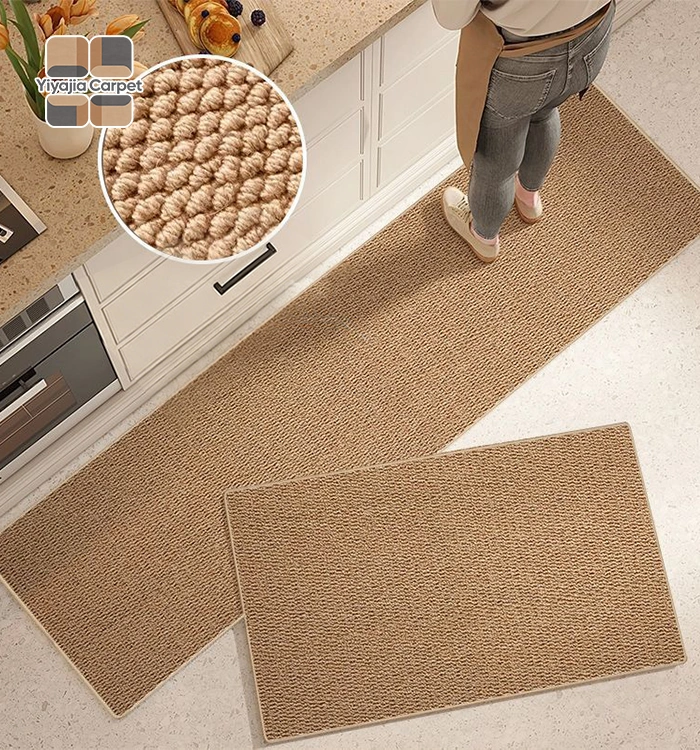
Standard runner sizes, like 18x30 inches for individual workspaces or 24x72 inches for galley-style prep areas, work well for most business uses. For displays on islands, you might need bigger forms or more than one mat placed around the edge in a planned way. Custom measurements take into account things like equipment footprints, unique building features, and traffic flow patterns. Precision laser cutting can handle odd forms without having to pay for tools or meet a minimum order number. This means that custom sizes can be made cheaply even for smaller orders. Field measurement procedures that are accurate should take into account things like equipment clearances, door swing radiuses, and ADA mobility needs.
Color and Pattern Selection for Brand Cohesion
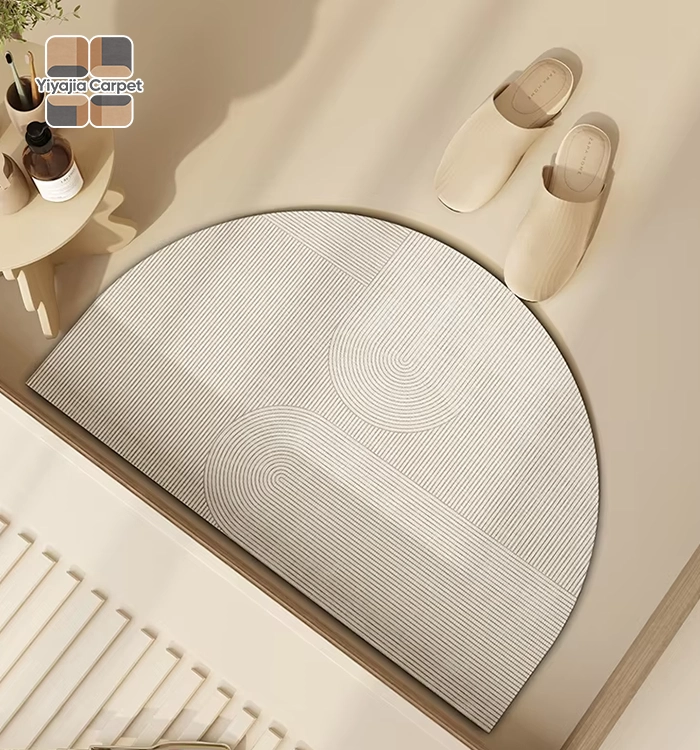
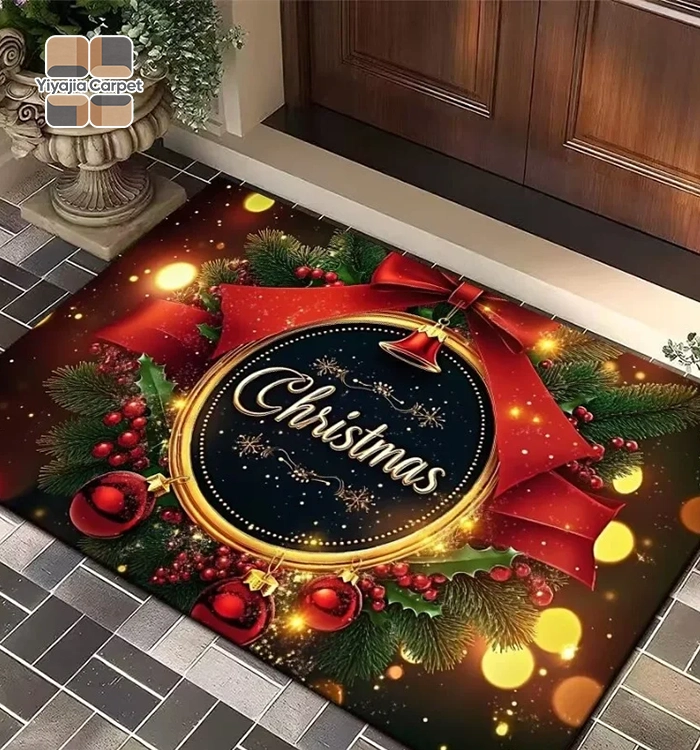
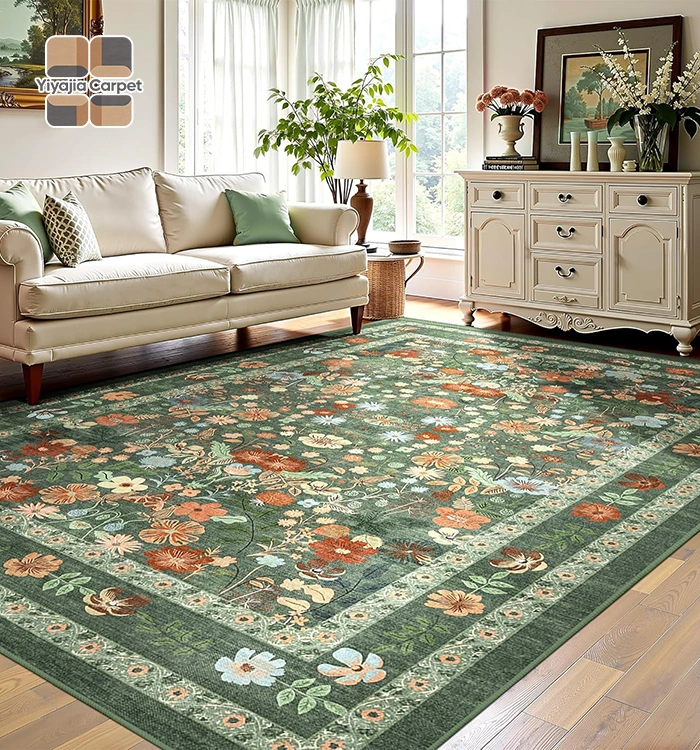
Solid color choices are classic and can be used with a variety of internal finishes. Printed patterns, like geometric shapes, textile-inspired designs, or lifelike pictures, make things look interesting and can be used to hide light stains in areas that get a lot of use. Custom design services let you add your company's name, match colors to your brand, and create unique patterns that set your buildings apart from others in the same field. Heat transfer printing can make complicated images that look very real in terms of color and detail. When choosing an aesthetic, you should think about how the lighting will affect the installation. Matte finishes cut down on glare in well-lit areas, and some pattern positions can clearly make space bigger or smaller.
Safety Integration Through Thoughtful Design
Beveled edges are an important safety feature that should be built into the structure of the product, not added after the fact. Molded edge treatments make 20-degree changes that keep people from tripping and keep the structure strong even when carts and other equipment hit the edges over and over again. Using different colors for the edges can help people see them better, which can reduce the risk of tripping even more. What kind of anti-slip backing should be used depends on the base material—softer materials should be used for tile, and firmer ones should be used for smooth concrete. When you choose the right backing and do the right edge engineering, you can make installs that are safe and pass strict workplace safety checks.
Conclusion
When choosing the right stylish kitchen mats, you have to think about how long they will last, how safe they are, how they look, and how easy they are to clean, all while keeping your budget in mind and managing your relationships with suppliers. The advanced diatom mud technology and high-density building have measurable benefits in business uses, such as less work needed to clean, longer product lifecycles, safer workplaces, and professional looks that help build brand recognition. When procurement teams have systematic evaluation frameworks, they can definitely choose solutions that meet business needs and minimize total cost of ownership. Strategic partnerships with makers that offer customization options, quality assurance methods, and full support services turn one-time purchases into long-term partnerships that help businesses keep improving their operations.
FAQ
Q1: How Do These Mats Handle Grease and Oil Exposure in Professional Kitchens?
A: The closed-cell surface isn't porous, so food oils and animal fats can't get through. This means that standard industrial degreasers can be used right away to clean it. Chemical resistance testing proves that the surface is safe to use with alkaline cleaners and sanitizing agents that are common in food service settings. This makes sure that the surface will keep its stain-resistant qualities even after years of use.
Q2: Will Pattern Designs Fade or Wear Off Under Heavy Foot Traffic?
A: Deep-set sublimation printing puts colors into the structure of the material instead of just covering the outside. Transparent wear-resistant layers that spread out impact forces add extra security to UV-cured inks. Accelerated wear testing that mimics years of commercial use shows pattern preservation that is better than industry standards, which means the item will look good for a long time.
Q3: Can I Verify Anti-Fatigue Effectiveness Before Large-Scale Purchase?
A: Some measures for effectiveness are energy return rate and displacement under load. Ask for technical documents with test results from a lab, or even better, order sample units so that employees can try them out in real work settings. In the real world, measurable drops in reported tiredness and changes in posture that can be seen are more useful than just reading specifications.
Partner with Yiyajia Carpet for Superior Kitchen Mat Solutions
Yiyajia (Tianjin) Carpet Co., Ltd. is a well-known and respected company that makes stylish kitchen mats and provides cutting-edge flooring solutions to business customers around the world. Our second-generation diatom mud goods use cutting-edge material science along with precise production techniques like high-definition heat transfer printing and laser cutting to make solutions that are tailored to your exact needs. We have strict quality standards and check every item before it ships. We also have many foreign certifications, such as CE, OEKO-TEX, ISO 9001, REACH, and EN 1350. We offer flexible bulk order amounts that can be used for both pilot projects and full-scale deployments.
Technical support teams help with developing specifications, making samples within 24 to 48 hours, and providing full after-sales service to build long-term relationships. Our mature cross-border shipping network guarantees on-time deliveries, and export-standard packing and optimized container loading solutions lower your transport costs. Email our purchasing agents at sale@yyj-carpet.com to talk about the needs of your project, get unique samples, or look into OEM/ODM partnership possibilities. Yiyajia is trusted by top wholesalers, builders, and hotel groups across North America, Europe, the Middle East, and Southeast Asia to provide stylish kitchen mats for projects.
References
1. Smith, J.R. & Anderson, M.K. (2021). "Ergonomic Flooring Solutions in Commercial Kitchen Environments: A Comprehensive Analysis." Journal of Occupational Safety and Health, 45(3), 234-251.
2. Thompson, L.A. (2022). "Material Science Innovations in Anti-Fatigue Matting: Diatom Mud Technology Applications." International Flooring Review, 18(2), 67-82.
3. Chen, W. & Rodriguez, P. (2020). "Total Cost of Ownership Models for Commercial Kitchen Equipment and Accessories." Foodservice Management Quarterly, 33(4), 112-128.
4. National Floor Safety Institute. (2023). "Slip Resistance Standards and Testing Protocols for Commercial Kitchen Surfaces." NFSI Technical Bulletin 2023-04.
5. Green Building Council. (2022). "Sustainable Flooring Materials: Environmental Impact Assessment and Certification Criteria." GBC Research Report Series, Volume 12.
6. Williams, D.S., Kumar, R. & Fitzgerald, E. (2021). "Workplace Safety Compliance in Food Service Operations: Flooring and Fall Prevention Strategies." Safety Science International, 29(1), 45-63.