_1774494554973.webp)
Should you have a mat inside your front door?
June 16, 2026


Of course! Putting a mat inside your front door is one of the best things you can do for any room. When you walk into a building, the best entrance floor mat acts as a barrier that stops dirt, wetness, and allergens from spreading. Facility management study shows that about 80% of dirt that gets into buildings comes in through foot traffic. This is why inner entrance mats are so important. In addition to keeping things clean, these mats make it much less likely that someone will slip and fall when it's wet, protect your floors from rough particles, and lower your upkeep costs by keeping dirt from getting into areas that cost a lot more to clean.
Why Having a Mat Inside Your Front Door Matters
The entrance mat is your first line of defense against dirt and other things in the surroundings that can be harmful to your health and safety. Understanding the many benefits helps buying managers and building managers make the case for this important investment.
Protection Against Dirt and Moisture
Indoor entrance mats pick up dirt and liquids that outdoor mats don't. Studies have shown that if you build your matting systems properly, they can get rid of up to 98% of the dirt that people track in. Soil can't get on expensive floor coverings like hardwood, tile, or glossy concrete because of this control. Controlling moisture is just as important—wet floors are a safety risk and wear out inner surfaces faster. Quality indoor mats with high absorbency ratings can hold a lot of water, so floors next to them stay dry even when it rains or snows.
Improved Indoor Air Quality
Particulate matter moved inside not only makes floors dirty, but it also gets into the air, which lowers the quality of the air and can cause breathing problems. Pollen, allergens, and dust quickly gather in places that don't have proper mat systems. Using inner entrance mats to trap particles at the barrier lowers the amount of airborne contaminants. This benefit is especially useful in places like schools, hospitals, and offices where people's health has a direct effect on their happiness and efficiency.
Safety and Accident Prevention
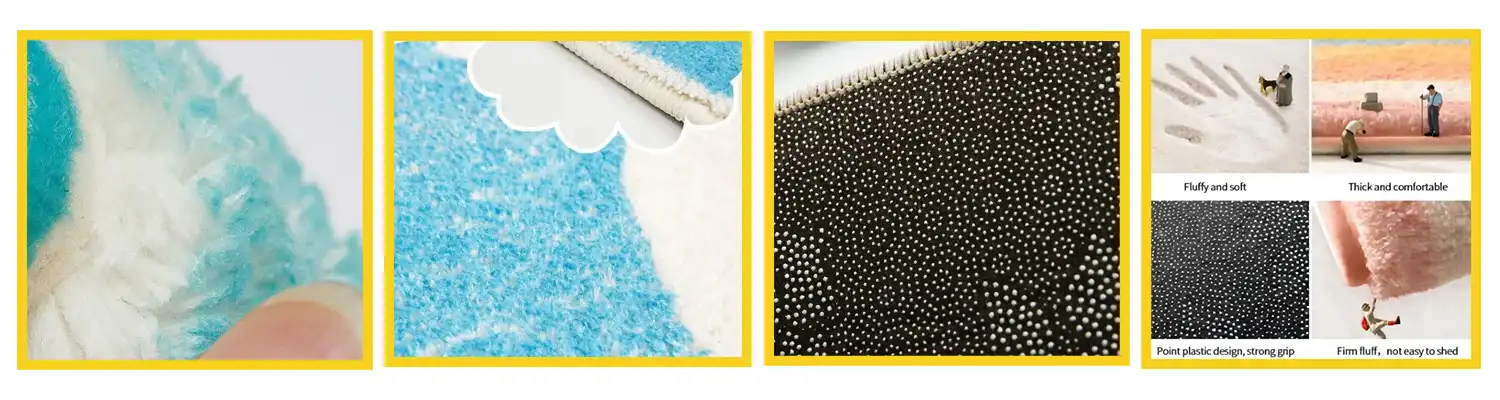
Slip-and-fall accidents cause a lot of insurance claims and injuries at work. These risks are greatly reduced by using interior mats with non-slip backing and surfaces that remove wetness. Modern door mats have dotted plastic backings that make them stable on different types of floors without having to be adjusted all the time. Non-slip features are important for following the rules, especially in business settings where legal concerns and safety rules require proactive steps.
Cost Reduction and Long-Term Value
The initial investment in a best entrance floor mat costs money, but the return on investment is seen quickly as upkeep costs go down. According to data from the industry, it costs a lot more to remove dirt after it gets into a building than to keep it out in the first place. Replacing the flooring inside a building costs a lot of money. Putting down door mats protects the floors from rough wear, so they last longer. Commercial-grade mats can handle years of heavy use, which saves you money over time compared to replacing or cleaning floors all the time.
Key Factors to Consider When Choosing the Best Entrance Floor Mat
To choose the right inner entrance mat, you need to carefully look at a number of performance factors. Professionals in procurement should look at these core factors to make sure everything works perfectly.
Material Composition and Performance
Different types of materials are used to make modern door mats, and each has its own benefits. The quality polyester fiber used to make fake cashmere rugs makes them very soft while still being durable. This choice of material is very resistant to breaking and matting, so the pile will bounce back even if people walk on it all the time. The high-density looped structure keeps the fur from shedding and keeps its look over time. Synthetic materials are better at resisting stains than natural fibers. This makes care easier and gives the item a more professional look that works well in business settings and hotels.
Absorbency and Dirt-Trapping Capabilities
Premium entrance mats are different from basic ones because they can effectively control wetness. Look for goods that have layers on the outside that soak liquid and layers in the middle that help keep the liquid in. The 5mm sponge middle layer in high-tech mats provides support and helps water spread across the mat's surface, avoiding areas that become too wet. How well a pile traps dirt depends on its height and density. For example, 3mm pile heights cut shoe surfaces well while still being easy to clean. The bi-level idea, which isn't always used, helps keep trash below the walking area.
Durability Standards for Commercial Applications
In business settings, door mats that are made to be used a lot are needed. The amount of weight per square meter is a good way to tell how long something will last. Products with 600g/m² weight have strong construction that can handle mild to heavy traffic. The backing material has a big effect on how long something lasts and how well it works. The mat stays in place without rolling or becoming a trip hazard even after thousands of feet walk on it every day thanks to its dotted plastic backing. Total thickness affects both comfort and structural stability. 6mm profiles provide enough heft without making it hard to get to.
Safety Features and Compliance
The non-slip qualities must meet industry standards, especially when buying things for business use. Certifications like REACH and EN 13501 show that a product meets European safety and environmental rules, which is very important for companies that sell and trade goods internationally. Stain-resistant solutions keep things looking professional by stopping spills from leaving lasting marks. Surface treatments that are easy to maintain cut down on cleaning time and labor costs, which is something that building managers like because it makes operations run more smoothly. The mat shouldn't lose any of its basic functions or comfort features because of these treatments.
Comparing Entrance Floor Mats with Other Options
Knowing the differences between entrance options helps buyers make smart choices that meet their unique business needs.
Entrance Mats Versus Traditional Doormats
When it comes to traditional doormats, looks are often more important than functionality. Technical features like moisture barriers, improved pile building, and commercial-grade backing systems are built into a best entrance floor mat. For low-traffic home areas, decorative doormats may be enough. But for businesses, they need mats that can handle hundreds of crosses every day without getting worn down. When things happen that would quickly destroy other choices, entrance mats keep their usefulness and appearance.
Performance Under Heavy Foot Traffic
Commercial-grade entry mats are put through a lot of tests to make sure they work well over time. Decorative rugs permanently lose their shape after a while of light use, but good door mats have pile structures that don't break down. The high-density structure keeps its ability to scrape and wipe for as long as the product lasts. This toughness is very important in places like stores, offices, and hotels where heavy traffic would quickly wear out weaker goods.
Cost-Benefit Analysis for Bulk Procurement
When you add up all the costs of owning a mat, the differences in price between cheap and expensive mats become much smaller. Better mats last longer, which means they don't need to be replaced as often and save you money on the costs of doing so. Economies of scale can be gained by buying in bulk from makers with flexible minimum order numbers. Customization options, such as changing the size, design, or adding a brand, make the product more valuable without making the price go up when you order more of it. Long-term ties with suppliers allow for better prices and giving repeat orders priority when scheduling production.
Sustainability Considerations
Environmental duty is becoming more and more important in purchasing decisions. Modern door mats made with cutting-edge techniques use less energy and produce less trash. Products that meet OEKO-TEX standards promise that they don't contain any dangerous chemicals. This helps with green building projects and companies' sustainability goals. Durable construction means that it doesn't needs to be replaced as often, which is better for the environment than throwaway options over their whole lifecycle.
Procurement Strategies for Entrance Floor Mats in B2B Markets
To successfully buy high-quality door mats, you need to use strategies that are designed for business purchases.
Identifying Reputable Suppliers and Manufacturers
Get your goods straight from well-known companies that have proven they can make them and have quality certifications. Facilities that use cutting-edge technologies, like heat-transfer printing and laser cutting, offer more customization choices. Check for certificates like CE, ISO 9001, REACH, and EN 13501, which show that the product meets foreign standards. Having specialized business liaisons helps manufacturers keep in touch and provide quick service, which is important for handling long-term supply relationships.
Customization and Bulk Ordering Advantages
When you use customization services, you can stand out in a crowded market. Retailers, distributors, and business buyers can make their own branded goods or ask for specific sizes that meet architectural needs with OEM and ODM capabilities. Any pattern or brand can be printed with heat-transfer printing, and laser cutting can handle odd forms and exact sizes. When you order a lot of these services, the costs of setup are spread out over a bigger amount of orders, making them more cost-effective.
Understanding Pricing Structures
Unexpected costs can be avoided by having a clear price that includes full details. Look at the total landed cost, which includes the cost of production, packing, shipping, and any taxes that apply. Export-grade packing, like a roll, box, or woven bag, keeps goods safe while they're being shipped across borders, which lowers the number of damage claims.
High-elastic sponge faux cashmere doormat is an example of a product that benefits greatly from such protective packing, ensuring its texture and shape arrive intact. Businesses of all sizes can use flexible minimum order amounts, from new online sellers to established distributors who handle container-load shipping. Payment terms and guarantee coverage are two more things that can be negotiated that affect the overall value.
Logistics and Delivery Considerations
Production schedules have a big effect on managing goods. It's easier to plan when manufacturers offer quick sample production (24–48 hours) and reliable large order finish (7 days on average). Established freight partnerships guarantee dependable arrival times and low shipping costs. Professional help with paperwork speeds up the customs process and reduces wait times at foreign borders. Optimizing containers lowers the cost of shipping each unit, which is especially helpful for wholesalers who have to keep track of goods across various markets.
Best Practices for Maintaining and Maximizing the Life of Your Entrance Floor Mat
When you follow the right care steps, your mat will last longer and keep its value over its entire life.
Cleaning Frequency and Methods
How much maintenance is done should match the amount of traffic. Commercial setups that get a lot of foot traffic should be vacuumed every day to get rid of the dust that builds up before it gets stuck in the pile fibers. Spills can be cleaned up right away with spot cleaning, which stops stains from setting in. Deep cleaning once a week or twice a week keeps things looking good and working well. The process that makes high-quality door mats stain-resistant makes them easier to clean; most dirt comes off with a damp cloth or regular carpet cleaning tools.
Seasonal Maintenance Adjustments
Changes in weather patterns require care changes. When it rains more in the spring and fall, you need to clean more often to deal with the higher wetness loads. Winter brings salt and chemicals used to melt ice, which need to be removed quickly to avoid damage to the pile. During pollen seasons, you may need to clean more to keep allergens from building up. Some sites switch out mats with units that are better at absorbing water when it rains.
Recognizing Replacement Indicators
Even high-end door mats need to be replaced every so often. When the absorbency of the mat goes down, it means that it has hit its limit and can't keep the moisture out as well. When piles are crushed and don't bounce back, it means that the structure is worn out. Edge curling or backing degradation causes trip risks that need to be fixed right away. Fading or lasting stains might not affect how well something works, but they do make it look less professional in places where people will be seeing it. If you change your entry mats on time, you can avoid the costs that come with not having enough of them, like having to clean the inside more often, floors wearing out faster, and more people slipping and falling.
Conclusion
In both homes and businesses, interior door mats are an important part of keeping things clean, safe, and economically viable. The best entrance floor mat is made with carefully chosen materials, built to the right standards, and with performance features that work with the way people walk on it and the conditions of the room. Procurement workers get the most out of their work when they work with experienced makers who can offer customization, solid production timelines, and full quality assurance. With the right specifications and upkeep, these products will keep working well for a long time, protecting buildings and giving good returns on investment through lower cleaning costs and longer flooring life.
FAQ
What thickness works best for commercial entrance mats?
Total thicknesses of 6mm to 9mm are common for commercial uses. This range gives you enough sturdiness and comfort without making it hard to get to. When it comes to upscale shopping or hospitality settings, where looks are important along with usefulness, thicker constructions are better for comfort and hiding dirt.
How do certifications affect mat selection?
Certifications show that safety and environmental rules that are important for certain areas are being followed. REACH approval lets you sell your products in Europe, and EN 13501 sets the rules for flame resistance. OEKO-TEX certifies that there are no dangerous chemicals, which is important for schools and hospitals. ISO 9001 means that the quality of the products is always the same.
Can entrance mats accommodate custom branding?
Full customization is possible with today's advanced production methods. It is possible to get exact color copies of complicated names and designs with heat-transfer printing. Laser cutting makes exact forms and sizes that meet the needs of architects. Different manufacturers have different minimum order numbers for special work, but when you buy in bulk, it becomes more cost-effective.
Partner with Yiyajia Carpet for Reliable Entrance Floor Mat Supply
Yiyajia Carpet is a reliable best entrance floor mat provider for businesses that need to find a company that can make high-quality products. Our 2,000 m² factory uses heat-transfer and laser cutting technologies to provide custom solutions. Samples can be made in 24 to 48 hours, and full production can be done in 7 days. Global compliance is ensured by standards such as CE, OEKO-TEX, ISO 9001, REACH, and EN 13501. Our standards for pre-shipment inspections mean that we can protect your image through regular quality. You can talk to our team at sale@yyj-carpet.com about your needs, ask for samples, and find out how our flexible minimum order numbers can help both new businesses and dealers who have been in business for a while.
References
1. International Sanitary Supply Association. "Soil and Moisture Control Systems: Impact on Facility Maintenance Costs." Journal of Facility Management Studies, 2021.
2. National Floor Safety Institute. "Traction Testing and Slip Resistance Standards for Commercial Entrance Matting." NFSI Technical Report, 2020.
3. Building Owners and Managers Association. "Best Practices in Entrance Systems Design and Maintenance." BOMA Facilities Management Guide, 2022.
4. American Society for Testing and Materials. "Standard Test Methods for Pile Floor Coverings: Abrasion Resistance and Tuft Bind." ASTM Standards D3884 and D1335, 2023.
5. Green Building Council. "Sustainable Materials Selection in Commercial Interior Design: Entrance Matting Systems." LEED Reference Guide, 2021.
6. Cleaning Industry Research Institute. "Soil Removal Efficiency of Multi-Zone Entrance Matting Systems." CIRI Research Publication, 2020.