_1774494554973.webp)
Bedroom carpeting styles popular for minimalist interior design
June 16, 2026


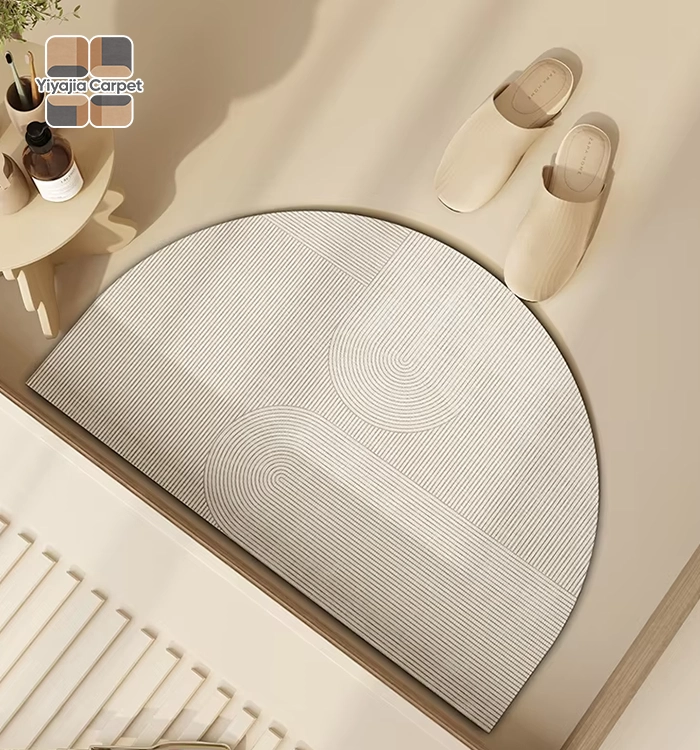
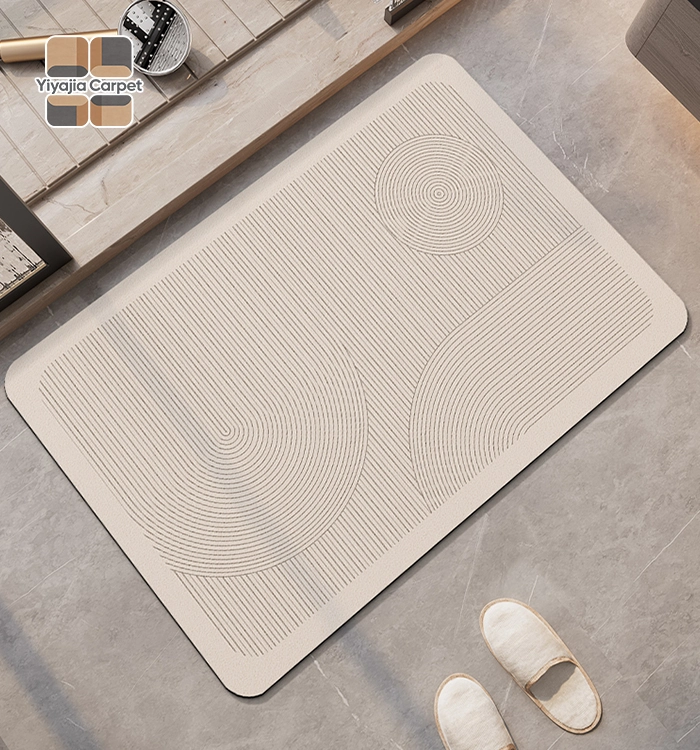
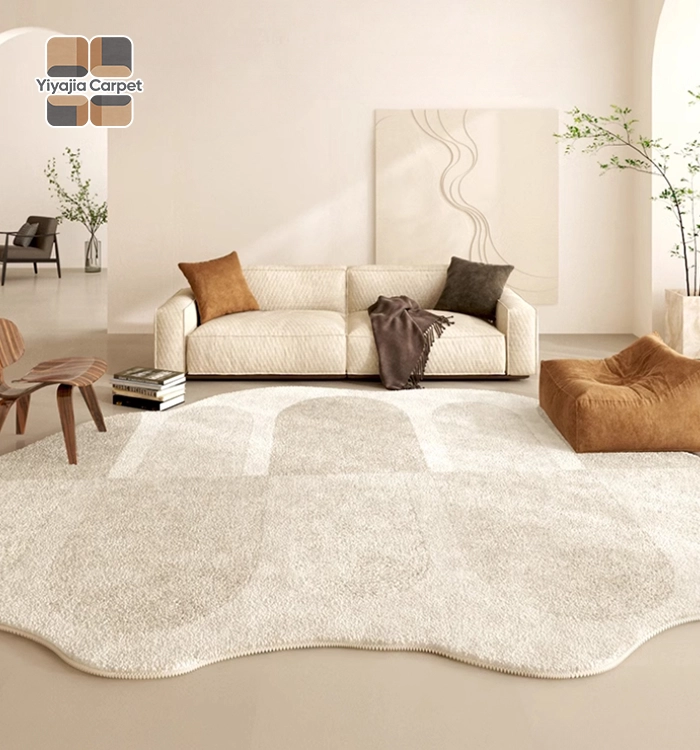
Bedrooms have become peaceful havens thanks to minimalist interior design, and bedroom carpeting is a key part of making this happen. The most popular styles focus on simple shapes, neutral color schemes, and textures that don't take over but instead add to the look. Low-pile rugs in soft gray, warm beige, and muted taupe are common in minimalist beds. They add a little visual interest without getting in the way of the clean, simple look that is important to this design theory. These rugs provide a calm base that goes well with modern furniture and encourages the relaxing mood that is necessary for private living areas.

Understanding Minimalist Bedroom Carpeting Styles
Defining Features of Minimalist Carpeting
Its simplicity makes plain bedroom carpeting beautiful. The main colors in this style are neutral tones, such as off-white, pale gray, soft sand, and soft charcoal. The visual coherence of these colours makes the space seem larger and warmer. Texture matters when colour is subdued. Subtle weaving, consistent pile heights, and repeated patterns draw attention without competing. Any clean geometric designs should be minimal and reflect the room's architecture.
Edge-locking technology and machine-woven patterns provide smooth, fray-free edges for minimalist environments. When the surface is designed but not too obvious, the furniture and architecture may shine while the flooring provides comfort and noise reduction.
Natural or synthetic fibres?
Procurement managers must choose between natural and synthetic fibre systems. High-end residential and small hotel projects choose wool carpeting because it resists fire, retains moisture, and feels excellent underfoot. Its natural toughness helps it keep its good looks, but it costs a lot and needs special care.
Solution-dyed nylon and PTT (Triexta) provide attractive performance. Nylon is wonderful for guest rooms and multi-family living since it doesn't wear out rapidly and looks beautiful with little usage. Modern imitation cashmere surfaces rival natural fibres in softness and stain resistance thanks to molecular protection rather than topical treatments that deteriorate.
Environmental factors increasingly impact material choice. CE and ROHS certifications guarantee minimal VOC emissions and non-toxicity by meeting strict European safety requirements. These qualifications are important for health-conscious and green construction projects. The new thermoplastic rubber backing technologies provide dimensional stability without latex adhesive's environmental impact.
Pile Height and Texture Considerations
In simple settings, pile architecture has a big impact on both how things look and how they work. Buildings with low piles, which are usually between 0.25 and 0.5 inches, are naturally in line with minimalist principles. Their flat profile creates clean visual lines, simplifies furniture placement, and resists the shadowing effects that high-pile carpets exhibit. These carpets facilitate easy maintenance and present a contemporary appearance that complements modern furnishings.
Plush textures offer unmatched softness underfoot, creating the tactile warmth that counterbalances minimalist design's visual restraint. The uniform surface catches light consistently, avoiding the directional pile reversal (pooling) that can disrupt visual harmony. Berber loop constructions provide exceptional durability while maintaining a subtle, textured appearance. Their tight loop structure resists crushing in high-traffic zones near doorways and closets, extending service life in commercial applications.
Twist level directly impacts performance longevity. Specifications requiring 5.0 or more turns per inch prevent fiber blooming and maintain the carpet's original appearance through extended use cycles. This metric proves particularly relevant for hospitality buyers managing replacement schedules across multiple properties or developers seeking finishes that preserve market appeal throughout lease periods.
Key Considerations When Procuring Bedroom Carpeting for Minimalist Interiors
Durability and Performance Metrics
When it comes to professional procurement, performance standards that can be measured are more important than personal opinions. A face weight of 40 to 80 ounces per square yard indicates that the fiber density is high enough for high-end residential luxury applications. A pile density calculation above 3000 ensures resistance to crushing and matting. These specifications translate directly to lifecycle costs, as carpets meeting these thresholds maintain appearance longer, reducing replacement frequency.
Stain resistance technologies have evolved beyond topical coatings. Modern PTT fibers incorporate hydrophobic properties at the molecular level, causing liquids to bead on the surface rather than penetrating fiber cores. This characteristic proves essential for hospitality applications where sanitation protocols involve aggressive cleaning agents, and for family-oriented developments where biological accidents challenge flooring systems.
Quality carpet padding functions as the hidden performance multiplier, and bedroom carpeting benefits significantly from this approach. High-density urethane foam cushions at 8-pound density or greater absorb impact forces, extending carpet life while enhancing acoustic performance. The padding's contribution to Impact Insulation Class (IIC) ratings matters critically for multi-story buildings where sound transmission creates tenant friction. Specifying appropriate padding systems from project inception prevents performance failures that damage client relationships and generate warranty claims.
Budget Management and Bulk Purchasing Strategies
Cost management includes knowing initial investment and total ownership costs. Premium materials cost more to acquire, but their endurance frequently lowers per-year expenses over commercial replacement cycles. Before committing to minimum order quantities, procurement personnel may accurately analyse samples that match final production standards.
Order volume boosts negotiation power, especially in long-term supplier partnerships. Manufacturers with size and colour customisation MOQs of 50 pieces let customers assess market reaction before escalating purchases. Delivery capacity matters too—suppliers with daily production rates of 2000 square meters can meet project schedules, especially for phased developments or seasonal inventory replenishment.
Transparent pricing that separates material and customisation fees allows proper budgeting. Logo customisation in seven days enables boutique hotel and corporate housing branding without affecting installation timelines. Foldable packaging vs carton systems affects container loading efficiency and international shipping costs per unit.
Sustainability and Certification Requirements
Environmental compliance has transitioned from competitive differentiator to baseline expectation. OEKO-TEX certification validates absence of harmful substances throughout the textile production chain, addressing health concerns particularly relevant for spaces where occupants spend extended periods. This certification resonates strongly with European and North American buyers navigating increasingly stringent chemical regulations.
REACH compliance confirms conformity with European Union restrictions on hazardous substances, essential for exporters serving those markets. Flame retardant ratings meeting EN 1350 standards enable use in commercial hospitality and multi-family residential applications where fire safety codes mandate specific performance levels. Procurement teams simplify specification processes by partnering with manufacturers maintaining current certifications across multiple regulatory frameworks.
Long-term sustainability extends beyond certifications to encompass supply chain reliability. Stable production capacity prevents the delivery delays that cascade through project timelines, damaging client relationships and creating penalty exposure. Manufacturers demonstrating consistent quality through ISO 9001 certification provide the process controls that minimize batch variation, particularly important when projects require multiple shipments or future matching for expansions.
Installation and Maintenance Best Practices for Minimalist Bedroom Carpets
The best ways to install and take care of minimalist bedroom carpeting preserves both aesthetic integrity and performance characteristics.
Professional Installation Standards
Professional fitting preserves product appearance and performance. For residential applications that prioritise underfoot comfort and acoustics, bedroom carpeting installed via stretch-in procedures over quality padding works best. For commercial applications with baggage or service cart loads, direct glue-down installations guarantee dimensional stability. Clear installation technique definition is crucial during procurement conversations since warranty validity depends on it.
Proper subfloor preparation hides faults that ruin minimalist aesthetics. In ground-floor installations or on concrete slabs, moisture tests and vapour barriers prevent delamination. Skilled installers align seams parallel to principal sight lines and under furniture zones in minimalist interiors to maintain visual coherence.
High-quality adhesives provide lifespan to installations. Professional solutions provide bond strength in climate-controlled business settings with temperature and humidity changes. Fraying-resistant edge treatments keep minimalist design's clean perimeters, maintaining the investment over time.
Maintenance Protocols for Extended Performance
Routine maintenance directly impacts lifecycle costs and appearance retention. Regular vacuuming using HEPA filtration systems removes particulate matter before it abrases fiber surfaces, extending the carpet's serviceable life. The frequency depends on traffic levels—hospitality applications may require daily attention while residential installations succeed with weekly protocols. Vacuum equipment should feature adjustable height settings to prevent excessive agitation that damages pile structure.
Spot cleaning procedures matter critically for stain resistance. Immediate attention to spills using pH-neutral cleaners prevents permanent marking. The carpet's inherent stain resistance performs optimally when coupled with prompt response protocols, particularly relevant for environments accommodating children or food service. Professional extraction cleaning annually or bi-annually removes embedded soils that routine vacuuming cannot address, refreshing appearance and extending replacement intervals.
TPR thermoplastic rubber backing systems simplify maintenance by resisting moisture penetration that traditional backings absorb. This characteristic prevents mold and mildew development in humid climates or areas experiencing occasional water exposure. The backing's flexibility also accommodates minor subfloor irregularities without creating permanent depressions, maintaining surface uniformity critical to minimalist aesthetics.
Comparing Bedroom Carpeting to Alternative Flooring for Minimalist Interiors
Taking a look at different types of flooring for minimalist bedroom carpeting involves balancing multiple performance dimensions.
Carpeting Versus Hard Surface Flooring
Multiple performance dimensions affect bedroom floor covering options. Carpeting has a higher R-value than hardwood and laminate, lowering heating expenditures in colder climes. This produces the apparent warmth needed for bedroom comfort, especially in the morning when occupants first touch flooring. Carpeting reduces sound transmission by 0.35–0.55, compared to hard surfaces around 0.05.
Maintenance difficulty varies greatly by category. Hard surfaces are easy to maintain but may disrupt multi-story building inhabitants with every dropped item and footfall. While carpeting takes more upkeep, it filters airborne particles, improving interior air quality when vacuumed regularly. Occupant satisfaction surveys regularly score carpeted bedrooms better for luxury and restfulness, making comfort subjective yet economically valuable.
Initial installation and lifespan costs differ. Premium hardwood costs more but lasts decades with refinishing. Quality carpeting is cheaper but needs replacing every 10-15 years depending on traffic and care. This timeframe fits hospitality and residential rental redecoration cycles, enabling style upgrades without premature flooring disposal.
Emerging Trends: Modular Carpet Tiles
Modular carpet tile systems represent an innovation particularly relevant for commercial buyers seeking flexibility. These products enable zone-specific replacement when localized wear occurs, avoiding full-room renovation expenses. Installation simplicity reduces labor costs and allows phased implementation that minimizes operational disruption in occupied buildings. Thickened silk and wool bedroom bedside rug offers a contrasting example of a plush, non-modular option, yet within modular systems, the dimensional stability of rigid backing prevents the buckling and edge curling that occasionally affect broadloom installations.
Customization capabilities reach new levels with modular systems. Pattern mixing creates subtle visual interest within minimalist frameworks without overwhelming spaces. Color blocking defines functional zones—sleeping areas versus dressing spaces—while maintaining cohesive aesthetics. These design tools appeal particularly to boutique hospitality operators differentiating their properties through thoughtful details rather than dramatic statements.
Procurement advantages include simplified inventory management and reduced waste. Buyers stock replacement tiles rather than maintaining relationships with installers for periodic full replacements. Shipping costs decrease due to compact packaging, and installation can often proceed using existing maintenance staff rather than specialized contractors. These operational efficiencies compound over multi-property portfolios, delivering meaningful cost advantages for scaled buyers.
Leading Brands and Products Recommended for Minimalist Bedroom Carpeting
Some of the best brands and products for minimalist bedroom carpeting emphasize neutral palettes, consistent quality, and performance certifications.
Established Manufacturer Advantages
The global carpet manufacturing sector includes several producers consistently delivering products suited to minimalist applications. Their collections emphasize the neutral palettes, consistent quality, and performance certifications that professional buyers require. Beyond product characteristics, these manufacturers maintain the production capacity and supply chain infrastructure supporting bulk orders with predictable delivery schedules.
When evaluating suppliers, procurement teams should prioritize those offering comprehensive sample programs enabling hands-on assessment before committing to minimum order quantities. Physical samples reveal texture, true color under various lighting conditions, and construction quality that digital representations cannot convey. Manufacturers providing samples within 24-48 hours demonstrate the responsiveness that tight project timelines demand, particularly when serving multiple concurrent developments.
Customization Capabilities and Supply Chain Reliability
B2B customers benefit from Yiyajia Carpet's sophisticated production. Their delicate imitation cashmere surface mimics natural fibres while resisting stains thanks to polymer innovation. Unlike latex systems, TPR backing offers dimensional stability and moisture resistance without environmental problems. Machine-woven structure with edge-locking technology improves durability under prolonged usage, which is important for commercial applications where replacement costs include materials and operational disturbance.
Mid-sized customers investigating new markets or property ideas may customise size, colour, and logos with MOQ thresholds. Scalability for rising clients is provided by daily manufacturing capacity of 2000 square meters, and seven-day logo customisation allows branding campaigns without project delays. CE and ROHS certificates simplify specification for purchasers in controlled areas by confirming compliance with strict international safety requirements.
Quality control techniques throughout manufacturing assure shipping uniformity, which is crucial for repeated orders or expansion matches. Professional export packaging optimises container loading and protects items throughout international travel, lowering per-unit logistical expenses. These operational characteristics separate long-term supply-chain producers from opportunistic ones.
Conclusion
Minimalist bedroom flooring must be useful and attractive. Modern bedroom carpeting has neutral colours, refined textures, and engineered materials that satisfy safety and durability requirements. Understanding technological standards that drive lifespan costs, customisation possibilities that differentiate markets, and certification needs that assure regulatory compliance helps procurement professionals. Strategic supplier selection based on manufacturing capacity, quality consistency, and quick service turns flooring from a commodity into a competitive advantage for residential, hotel, and commercial applications.
FAQ
What carpet material offers the best comfort for minimalist bedrooms?
Faux cashmere surfaces provide exceptional softness replicating natural fibers while offering superior stain resistance and lower maintenance requirements. These synthetic alternatives achieve the tactile warmth bedroom carpeting require without the cost and care demands of wool, making them ideal for both residential and commercial applications where comfort and practicality intersect.
How can I verify a carpet's environmental safety credentials?
Request documentation of CE, ROHS, and OEKO-TEX certifications directly from manufacturers. These third-party validations confirm absence of harmful substances and low VOC emissions. Reputable suppliers maintain current certificates and provide them readily, while hesitation suggests potential compliance gaps that could create liability exposure in regulated markets.
Which carpeting options resist stains in family environments?
PTT (Triexta) fibers and advanced faux cashmere materials incorporate molecular-level hydrophobic properties causing liquids to bead rather than penetrate. This built-in protection outperforms topical treatments that wear away, providing lasting defense against the biological accidents and food spills common in family settings. Combining stain-resistant fibers with prompt spot-cleaning protocols maximizes long-term appearance retention.
Partner with Yiyajia Carpet for Your Minimalist Flooring Projects
Procurement managers and project specifiers seeking reliable bedroom carpeting suppliers will find comprehensive solutions at Yiyajia Carpet. Our manufacturing capabilities combine advanced heat transfer printing and precision laser cutting with rigorous quality control, ensuring every shipment meets your specifications. We understand the challenges of managing bulk orders across international supply chains—inconsistent quality, delivery delays, and limited customization plague many sourcing relationships.
Our CE and ROHS certified products address these pain points through stable production capacity, flexible MOQ terms starting at 50 pieces, and rapid sampling within 48 hours. Contact our team at sale@yyj-carpet.com to discuss your specific project requirements, request physical samples, or obtain detailed bulk quotations. Visit yyj-carpet.com to explore our complete range of customizable solutions designed for discerning buyers prioritizing quality, reliability, and competitive pricing.
References
1. Anderson, P. (2021). Textile Flooring in Contemporary Interior Design: Materials and Methods. New York: Design Publishing House.
2. Chen, L., & Williams, R. (2022). "Performance Characteristics of Synthetic Carpet Fibers in Residential Applications." Journal of Interior Architecture, 18(3), 145-162.
3. European Carpet Standards Committee. (2020). Technical Guidelines for Commercial Carpet Procurement. Brussels: ECSC Publications.
4. Harrison, M. (2023). Minimalist Interiors: Principles and Practice for Professional Designers. London: Architectural Press.
5. Nakamura, K. (2022). "Acoustic Performance of Soft Floor Coverings in Multi-Family Housing." Building Science Review, 34(2), 78-94.
6. Thompson, S., & Rodriguez, A. (2021). Sustainable Sourcing in the Global Textile Industry: Certifications and Compliance. Chicago: Supply Chain Institute Press.