_1774494554973.webp)
Top-rated utility door mats for mud and dirt
June 12, 2026


When evaluating top-rated options for managing mud and dirt in commercial settings, the utility door mat stands as the most effective first-line defense against soil infiltration. These engineered floor coverings trap up to 80% of incoming debris within the entryway, dramatically reducing maintenance costs while protecting interior flooring from abrasive damage. Unlike decorative rugs, a high-performance entrance mat features technical construction—often combining moisture-absorbing surfaces with anti-slip backing—to address critical operational challenges in warehouses, retail vestibules, hotel lobbies, and industrial facilities where consistent cleanliness and safety compliance remain non-negotiable priorities.
Introduction
Facility managers and people who work in buying know that the barrier is where successful soil control starts. Thousands of feet walk through business buildings every day, bringing mud, wetness, and dust with them. This damages floors faster and costs more for cleaning staff. Choosing long-lasting utility door mats has a direct effect on how well operations run, how safe the workplace is, and how much it costs in the long run.
Across North America, we've worked with importers, wholesalers, and building workers who all had the same problems: quality from different suppliers that wasn't always consistent, shipments that were late, and not enough customization options. To help you deal with these problems, this complete guide looks at technical specs, how well materials work, and how to buy them in a way that meets your needs for bulk buying. Whether you're buying mats for a nationwide retail chain or putting together a 50-unit apartment complex, understanding these basic ideas will make sure that your investment pays off in the form of lower slip-and-fall liability, longer flooring life, and easier maintenance procedures.
Understanding Utility Door Mats and Their Benefits
The Functional Architecture of Commercial Entrance Mats
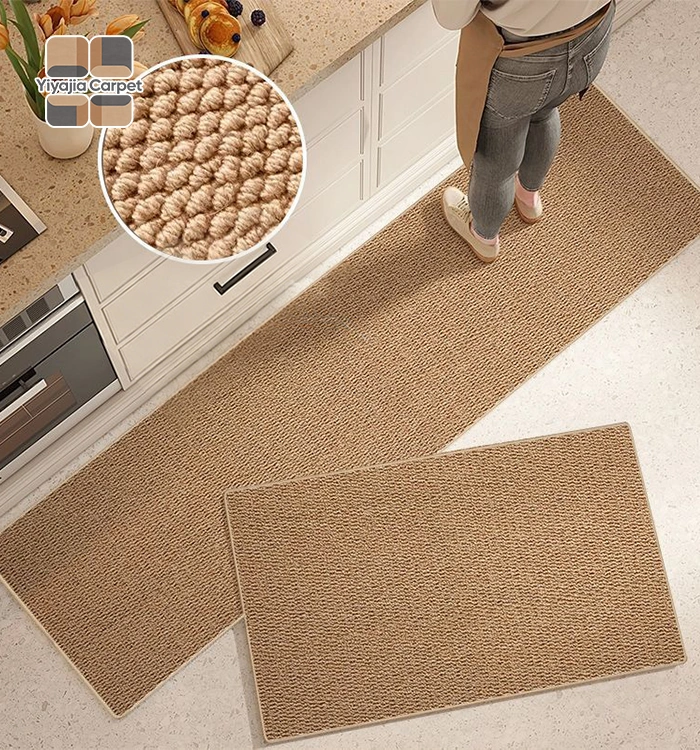
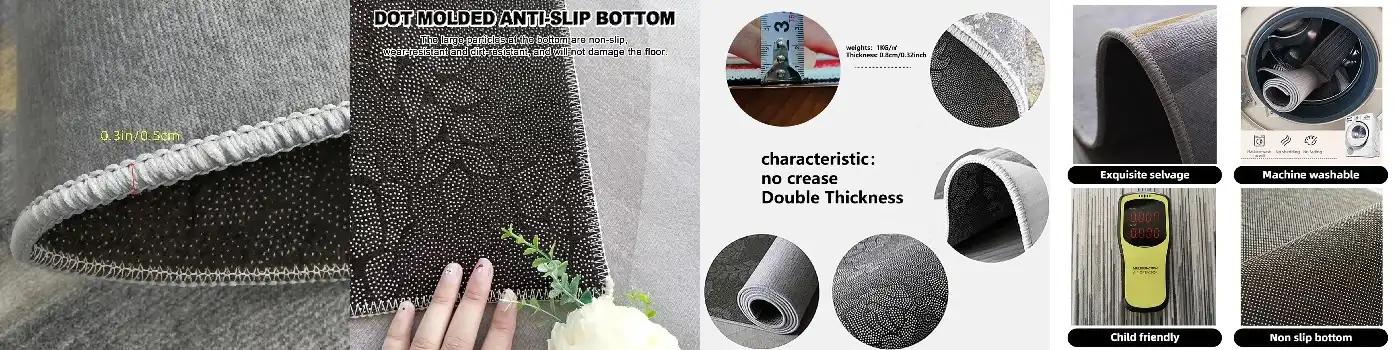
There is a two-level scraper-wiper device in commercial-grade entrance matting systems that removes waste automatically before it comes into the building. The top layer is usually made of solution-dyed polyester, nylon fibers, or advanced synthetic materials with rough surfaces that get rid of particles stuck in shoe grooves. Simultaneously, the lower pathways collect and hold on to dirt and wetness below the walking surface, stopping them from spreading again. Modern utility door mats made for areas with a lot of foot traffic have thermoplastic rubber (TPR) backing that keeps its shape very well when temperatures change and resists de-icing chemicals.
Quantifiable Operational Advantages
The financial case for good entrance mats goes beyond the cost of the original buy. Independent facility management studies show that properly specified mats reduce interior cleaning frequency by 40-60%, leading to significant labor savings over a fiscal year. Buildings without enough walk-off mats see their glossy concrete, vinyl composition tile, and carpet systems wear out faster, often needing replacement 10–15 times earlier than buildings using preventative matting. Safety compliance is another important benefit, as mats meeting NFSI high-traction standards keep walking areas dry during bad weather, which greatly lowers the number of slip-and-fall accidents.
Comprehensive Comparison of Top-Rated Utility Door Mats for Mud and Dirt
Material Performance in Harsh Environmental Conditions
How well door matting works when it's exposed to mud and water for a long time depends on the material composition. Industrial areas with heavy dirt loads and forklift traffic need mats with a rubber backing and coarse fiber construction that can handle rough cleaning methods like hot water extraction and pressure washing without losing their shape. Eco-conscious buyers increasingly ask for utility door mats made from recycled rubber or materials that grow quickly, supporting corporate environmental efforts while matching the longevity of regular goods.
Integrated Scraper Systems Versus Standard Configurations
Raised geometric designs or built-in rake bars give mats better mechanical action against caked-on mud and packed snow. These aggressive surface profiles physically move material that regular loop designs might miss, making them especially useful in building site trucks, farms, and other places where shoes often leave behind heavy dirt deposits. The downside is a more complicated cleaning requirement; scraper mats should be cleaned weekly with compressed air or a stiff brush to keep channels from getting clogged, whereas standard rain mats only need occasional vacuuming.
Budget-Conscious Procurement Without Performance Compromise
You can still get a high-quality Home entrance foot mat no matter what your budget is, as professional-grade options are priced competitively when bought directly from the maker. Our factory can make more than 2,000 square meters of goods every day, utilizing economies of scale to offer big orders better prices while still meeting strict quality control standards. It's important to look at the overall cost of ownership instead of just the unit price; a reasonably expensive mat that lasts five years under heavy foot traffic is a better deal than cheaper options that need to be replaced every year.
How to Choose the Best Utility Door Mat for Procurement?
Critical Evaluation Criteria for B2B Purchases
Material purity is what guides choices about what to buy, so pay close attention to the backing construction. Nitrile rubber is better than regular vinyl at resisting chemicals and being flexible, especially in places that use oil-based products. The face fiber denier directly affects how well it resists being crushed; for business use, the face weight must be at least 24 ounces to stand up to years of foot traffic. Being able to change the size is very important for buildings with non-standard entrances, and we support custom dimensions for utility door mats with a minimum order of just 50 pieces.
Application-Specific Product Mapping
Mats that can stand up to pallet jack wheels and hydraulic fluids are needed in warehouses and distribution centers, where heavy-duty rubber and reinforced backing layers prevent rippling and edge curling. Corporate office halls put an emphasis on both how they look and how well they work, using heat transfer printing technology for company names or artistic patterns. Fine fake cashmere fabric on the surface looks great and is effective at keeping dirt out, while specialized backing formulations are designed for factories using metal shavings or chemicals to ensure the mats maintain their shape near loading docks.
Leveraging Bulk Ordering and Supplier Partnerships
Getting in touch with makers who can keep their delivery plans stable takes away the uncertainty about procurement that throws off project schedules. Our clear order ordering system lets you know about the state of production in real time, and our high on-time delivery rate prevents costly installation delays. Professional sellers are different from transactional vendors because they offer warranties and help after delivery; all our goods come with a warranty against manufacturing defects and we offer full after-sales service, including instructions on how to clean them and the ability to get new parts.
Maintenance and Installation Best Practices for Long-Term Performance
Material-Specific Cleaning Protocols
Hot water extraction done every three months in high-traffic areas works well on mats with synthetic fiber sides that are backed with rubber. This deep-cleaning method gets rid of oils and small particles that regular brushing can't reach, bringing the mat back to its original ability to hold soil. Daily vacuum care with beater-bar agitation removes surface dirt and keeps the carpet looking nice between extraction rounds. If you put down utility door mats in very dirty conditions, you should shake them out outside once a week or use compressed air to prevent the fibers from becoming saturated.
Strategic Installation for Maximum Effectiveness
For the mat to be placed correctly, it needs to cover at least four full strides of space at each entry, which research suggests is between 12 and 15 feet. Place mats both outside and inside the door threshold in hallway designs to clean up the dirt that gets tracked in when the door is opened. By keeping mats from moving around with our naturally sticking TPR backing, you can stop the edges from curling and eliminate trip risks; however, areas with a lot of foot traffic might benefit from perimeter glue application or deep mat wells for even more stability.
Procurement Channels and Supplier Insights
Navigating B2B Marketplaces and Direct Manufacturer Relationships
Wholesale wholesalers make it easy to get a wide range of products, but their prices are usually 20–35% higher than those offered directly by manufacturers. Having direct ties with manufacturers gives procurement pros who handle ongoing needs or large-scale installations significant benefits, including better cost-effectiveness and customization choices. Digital business-to-business (B2B) platforms are connecting more foreign buyers with qualified producers, but buyers still need to do their research and verify quality certifications, such as ISO 9001 and REACH compliance, to ensure they are getting high-quality utility door mats.
Economics of Bulk Purchasing and Negotiation Strategies
Optimizing the loads that go into containers cuts transportation costs by a huge amount per unit; a 40-foot container can hold between 15,000 and 20,000 square feet of folded door mats. When talking about volume commitments, you should talk about both the needs of the current job and the expected repeat orders. Manufacturers value stable production plans and often give special deals to long-term partners. Payment terms are usually negotiated based on the size of the order, and we have clear price structures that include freight estimates and tax calculations to help you make accurate budget predictions.
Conclusion
Strategically buying utility door mats has a direct effect on how well facilities are maintained, how safe the people who work there are, and the long-term costs of running the business. This guide gives you the information you need to make decisions that meet the needs of your company by explaining technical specifications and material performance traits. When implementations go well, they balance immediate budget limits against the total cost of ownership, putting durability, compliance, and source reliability ahead of unit price alone. Spending time creating detailed specifications and checking out potential suppliers pays off in lower care costs, longer flooring life, and better safety measures at work.
FAQ
Q1: What material choice works best for extreme mud conditions?
A: When utility door mats get a lot of mud on them, the best ones are made of thick polyester or nylon fibers and have nitrile rubber backing. The rough fiber texture physically breaks up caked-on dirt, and the nitrile backing is more resistant to damage from water and cleaning agents than regular vinyl options. Mats with two-level geometric patterns keep dirt below the walking surface so that it doesn't get dirty again when more people walk on it.
Q2: Can we customize mats with company logos for branding purposes?
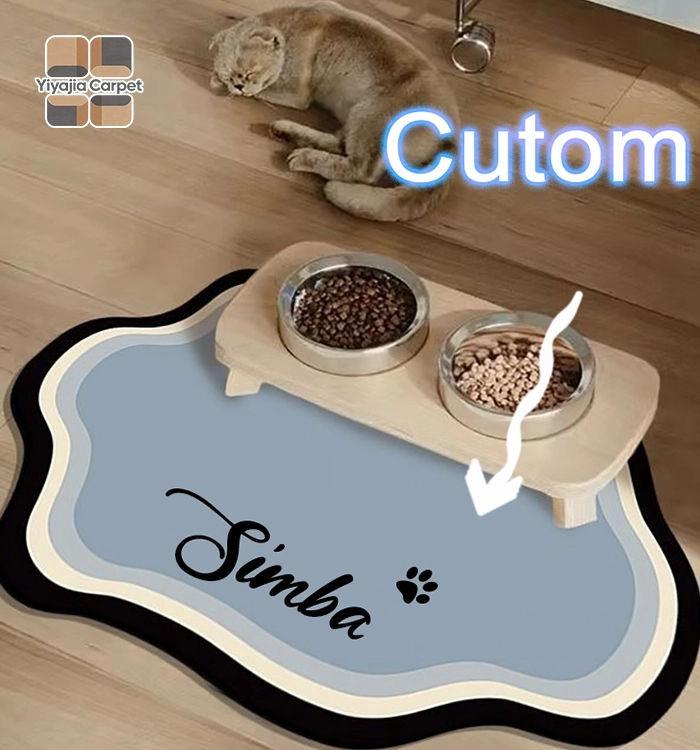
A: Complex logos, text, and decorative designs can be printed with great color accuracy and longevity using advanced heat transfer printing technology. We offer full customization with a 50-piece minimum order and send finished orders within 7 days of receiving approval of the artwork. The laser cutting process can handle both odd forms and exact measurements, so branded mats will match the architecture perfectly while still working properly.
Q3: How frequently should commercial entrance mats be cleaned?
A: Daily cleaning with agitation from a beater bar gets rid of surface dirt and keeps the floor looking good in all business settings. In places with a lot of foot traffic, hot water extraction once every three months can help recover the soil's full holding capacity. In places with a lot of mud, debris may need to be removed every week using compressed air or an outdoor shakeout to improve both the mat's performance and its life.
Partner with Yiyajia Carpet for Reliable Utility Door Mat Supply
Yiyajia Carpet has all the options that procurement workers need to find a reliable utility door mat manufacturer. Our factory in Tianjin uses advanced heat transfer printing and precise laser cutting technology along with strict quality control to make door matting systems that are built to last in business settings. Along with CE, ROHS, OEKO-TEX, and REACH compliance, we keep our ISO 9001 certification up to date, ensuring that our goods meet the highest international safety and environmental standards.
Over 2,000 square meters of space are used every day for production, which can handle both big container loads and flexible smaller orders with customization minimums of 50 pieces. Our special export team handles all the paperwork, makes sure containers are loaded correctly, and coordinates freight, which makes the process of buying things internationally easier. Contact our experts at sale@yyj-carpet.com to request examples, talk about project details, or get full quotes.
References
1. National Floor Safety Institute. (2019). Walkway Surface Characteristics and Slip Resistance: Technical Guidelines for Commercial Facilities. NFSI Publications.
2. International Sanitary Supply Association. (2021). The Economics of Soil Prevention: ROI Analysis of Commercial Entrance Matting Systems. ISSA Research Report 2021-07.
3. Building Owners and Managers Association. (2020). Facility Maintenance Cost Benchmarking Study: Impact of Preventive Measures on Operating Expenses. BOMA International.
4. American Society for Testing and Materials. (2022). ASTM F1637-22: Standard Practice for Safe Walking Surfaces. ASTM International Standards.
5. Green Building Council. (2021). Sustainable Material Selection in Commercial Interiors: Life Cycle Assessment of Flooring Protection Systems. USGBC Technical Manual.
6. Occupational Safety and Health Administration. (2020). Workplace Slip, Trip and Fall Prevention: Engineering Controls and Best Practices. OSHA Publication 3885.