_1774494554973.webp)
What are the best hotel carpets for durability and style?
May 28, 2026


The best hotel carpet strikes a mix between being very durable and looking nice. It makes rooms look nice while still being able to handle a lot of foot traffic. Hotel-grade rugs have to be able to handle luggage carts, lots of cleaning, and thousands of people without getting worn out too quickly. The choice of material is very important. Solution-dyed fibers don't fade or stain, and new backing methods keep the fabric from coming apart under rolling loads. In addition to being good at their job, these rugs help build brand recognition through designs and colors that can be changed. This makes them strategic assets instead of just floor coverings for hospitality businesses.
Understanding Key Criteria for Hotel Carpet Selection
When buying flooring for a hotel setting, people have to deal with problems that can't be solved by flooring options for homes. The factors go beyond how it looks at first glance and include things like lifecycle performance, upkeep costs, and how guests feel about it.
Defining Durability in High-Traffic Environments
Durability means not breaking down physically when used a lot. The amount of traffic in hotel hallways is much higher than in private areas, and there are areas with a lot of wear and tear near lifts and entrances. If you use good hotel flooring, it will keep its shape and look for seven to ten years, based on how much traffic it gets. The security of the backing keeps it from ripping under cleaning tools, and the strength of the tuft bind keeps it from coming apart at the seams. During their service life, rugs either get traffic lines or keep their uniform look, depending on things like pile density and fiber resilience.
Style Considerations That Reinforce Brand Identity
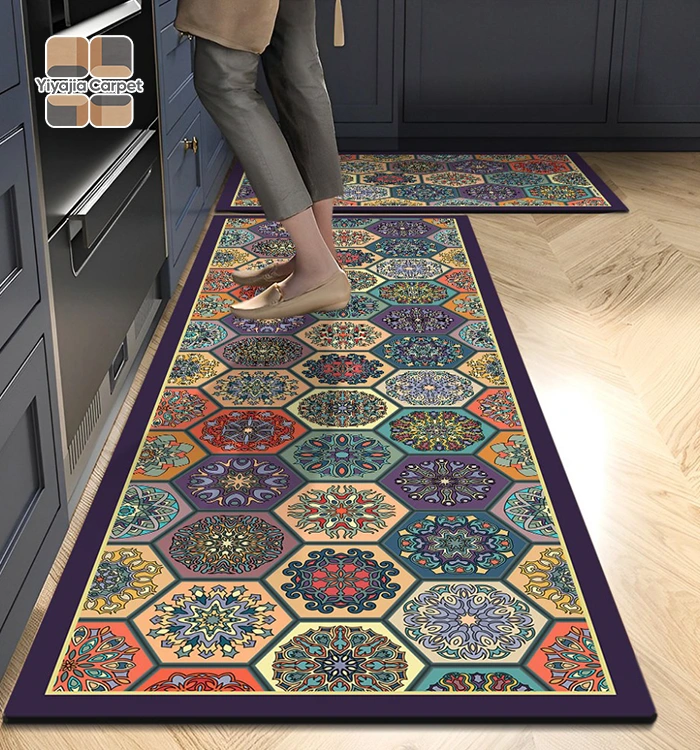
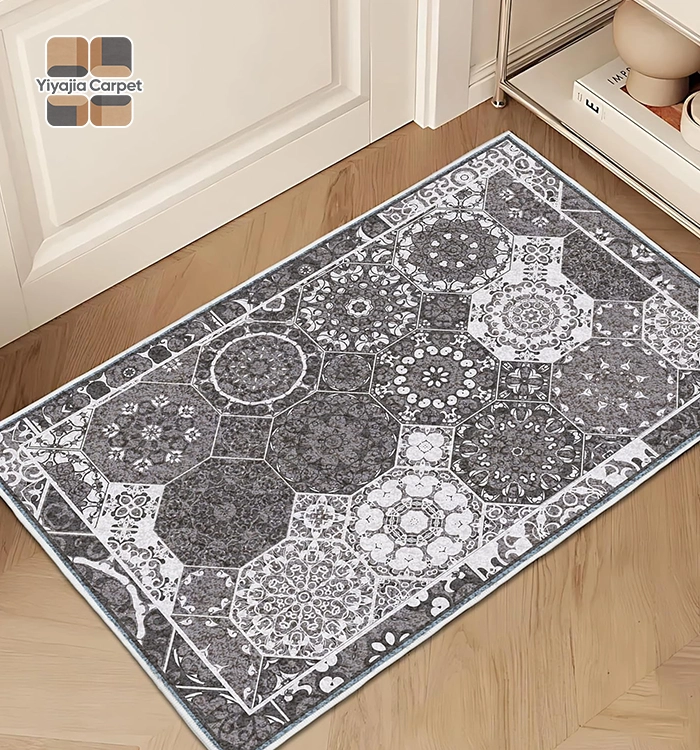
Visual design is used for both functionality and marketing at the same time. Color choice hides dirt in expected ways—patterns of medium-value colors hide normal dirt better than solid light or dark colors. Pattern size should match the size of the room. Big patterns look good in big halls, while small copies look good in hallways without making your eyes tired. Texture affects how expensive something seems. For example, cut pile suggests formality, loop pile suggests easy comfort, and cut-loop combos give designers a lot of options. Style choices made with strategy show how the brand is positioned, whether it's a boutique-style elegance or a family-friendly friendliness.
Cost-Effectiveness Through Lifecycle Analysis
More and more, procurement pros look at the total cost of ownership for the best hotel carpet instead of just the purchase price. Carpets of higher quality that are more resistant to wear and tear need to be replaced less often, which cuts down on disruptions and labor costs. Soil-resistant treatments cut down on how often you have to clean and how much chemical you use. Dimensional stability cuts down on construction waste and fixes that need to be done again. When comparing providers, you should look at more than just unit price. You should also look at sample availability, customization options, and shipping reliability, all of which have a direct effect on project timelines and budgets.
Top Types of Hotel Carpets for Durability and Style
Choosing the right material affects both how well it works and how it looks. Knowing the pros and cons of each choice makes it easier to choose rugs that are right for each area of the hotel and its needs.
Nylon is still the most popular choice for business hospitality floors. Its chemical structure makes it very strong; fibers spring back after being compressed, so it keeps its look in high-traffic places. Solution-dyed nylon locks the color into the fiber while it is being made, so it doesn't fade and can be cleaned with bleach. This material works well in public areas like hallways, meeting rooms, and places where keeping the area looking good is important. Modern nylon rugs have anti-static features that keep you from getting unpleasant shocks in dry places.
Wool is a natural treat that naturally resists fire and absorbs sound. The twisted structure of the fiber creates air gaps that insulate and reduce noise, which is very important for floors in guest rooms and hallways. Wool's protective top scales keep it from getting dirty, and the fibers themselves put out fires, so they often meet fire rules without any extra treatment. Blends that are 80% wool and 20% nylon are the best of both worlds. The luxury and natural benefits of wool are improved by nylon's sturdiness and low cost.
Triexta is a younger type of fiber that was made to prevent stains. Its molecular structure keeps water- and oil-based messes from spreading, which makes cleaning easier in areas like food service and hallways. This material is as soft as wool but costs less than wool. It also has damage protection built in that won't wear off over time. Triexta works well for hotels that care about the environment because some versions have bio-based material made from natural resources.
Polyester solutions are good for projects that need to stay within a budget without giving up bright style choices. Solution-dyed polyester keeps its color even when exposed to UV light, so it can be used in hallways and atriums that get a lot of sun. Polyester doesn't work as well in high-traffic areas as nylon does, but it does work well in moderate-traffic areas like back-of-house hallways and office areas. Its smooth fiber surface doesn't let water in, so it dries faster after being washed.
Specialty and custom rugs are made to fit the needs of each job. Replacement of damaged parts of modular carpet tiles can be done without redoing the whole floor, which lowers the cost of upkeep over the life of the carpet. Green building standards and business responsibility goals are met by sustainable choices that use recycled or renewable materials. Modern ways of making things, like heat transfer printing and laser cutting, make it possible to make complex custom designs and logos that strengthen brand identity across properties.
These material choices for the best hotel carpet give you the information you need to make smart design decisions. Different types of carpet are often used in different areas of a building to get the best performance and value for money across the whole property. Working with experienced sources makes sure that the materials chosen are in line with the design purpose, expected traffic, and maintainability.
Comparing Hotel Carpets with Alternative Flooring
The choice of flooring affects how guests feel, how well the business runs, and how much it costs in the long run. Comparing rugs to other options makes it clear when textile flooring is the best deal.
Performance Under Heavy Commercial Use
Hard floors like ceramic tile and luxury vinyl plank don't get damaged by water and are easier to clean in wet places like spa doors and pool decks. However, rugs are better at controlling noise than hard surfaces because the threads in them stop sound from traveling between floors and quieten down noise in hallways, which is very important for guest comfort. Carpet also keeps people from slipping and provides softness that keeps workers from getting tired during long shifts. Different surfaces wear in different ways. Hard surfaces get scratches and chips, while rugs can get traffic lanes if they're not properly installed. Matching the type of flooring to the role of the zone improves efficiency.
Maintenance Requirements and Long-Term Economics
Taking care of hard floors is different from taking care of rugs. Tile grout needs to be cleaned and sealed every so often, while hardwood floors need to be refinished when the top coat wears off. Carpets need to be vacuumed regularly and deep-cleaned every so often. Spills should be cleaned up right away with spot cleaning. Modern treatments that make carpets less likely to get dirty make upkeep a lot easier. When it comes to lifecycle costs, quality rugs are better in areas that guests see because replacing them can be expensive. On the other hand, hard surfaces may be more cost-effective in areas in the back of the house that get wet.
The Critical Role of Underlay Systems
Carpet underlay makes the surface last longer and feel better. Underlays made of dense foam or rubber absorb shock from people walking on them and heavy moving loads, which keeps the piles from breaking. Underlay also makes the soundproofing better and adds to the insulation. Getting the right underlay width and density for the amount of traffic will help you get the most out of your carpet purchase. During specification, this part often doesn't get enough attention, even though it has a big effect on speed and guest happiness.
Leading Hotel Carpet Brands and Solutions to Trust
Leaders in the traditional business have built their names over decades of work on hospitality projects. These companies have a lot of different products that meet a wide range of performance and style needs. Their size lets them offer reasonable bulk prices and a wide range of marketing channels. A lot of well-known brands put a lot of emphasis on environmental responsibility and sustainability certificates, which is important for hotels that want to get green building recognition.
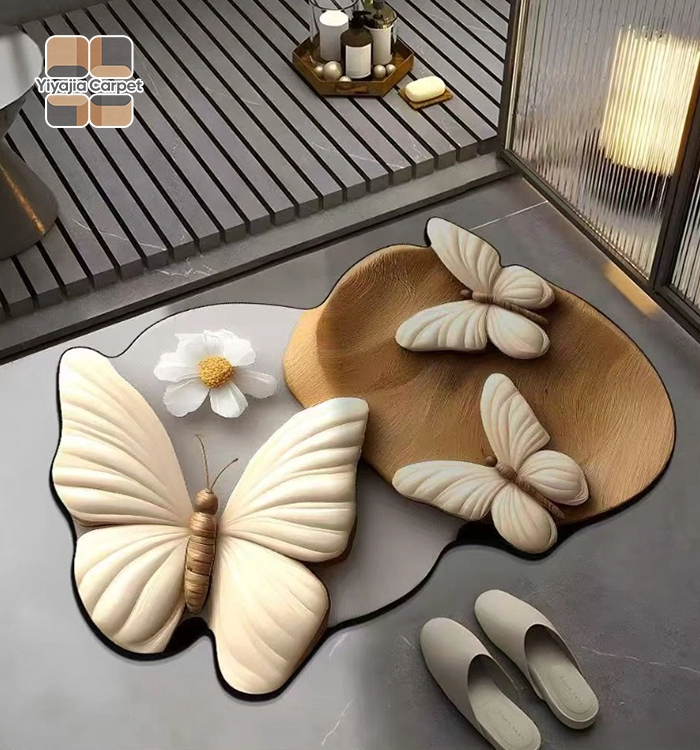
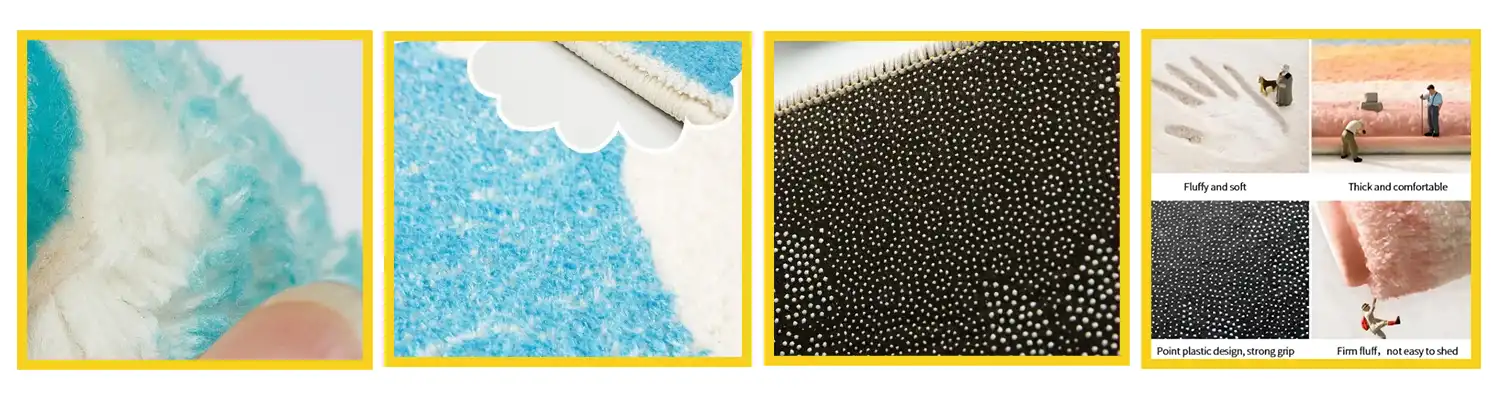
Yiyajia Carpet takes a different method by mixing modern manufacturing with service that is quick to respond and flexible customization. We make hotel-quality rugs that meet international safety standards, such as CE and ROHS approval, by using high-definition heat transfer printing and precise laser cutting. Our fine fake cashmere surface feels luxurious to the touch, and the TPR thermoplastic rubber backing keeps the shape and keeps it from slipping. With a daily production capacity of up to 2,000 square meters, we keep our goods moving quickly enough to meet tight project deadlines.
What sets current providers apart is how easy it is to customize. For custom work, traditional providers often have high minimum order numbers and long wait times. Our low customization threshold—just 50 pieces for size and color changes, and brand customization delivered within seven days—allows designers and purchasing managers to make properties stand out without taking on too much inventory risk. This freedom is especially helpful for small hotel chains and improvements that need to keep the hotel's unique look.
Quality assurance methods make sure that all production runs are the same. Our lockstitching and machine-woven construction give it smooth edges that won't break, and full-process quality control finds flaws before the product ships. We promise quality for large orders by offering free rework or replacement if standards are not met. This takes away the risk of buying from us. Dedicated account management for return customers makes it easier to reorder and gives practical advice on how to improve their style.
Getting certifications shows that you care about safety and the world. Along with CE and ROHS compliance, we also offer the EN 1350 flame retardant grade that is needed for business setups, as well as OEKO-TEX certification that says there are no dangerous chemicals. These certificates make it easier for foreign markets to approve specifications and follow codes.
Best Practices for Hotel Carpet Maintenance to Preserve Durability and Style
To get the most out of their lifetime value, even the best hotel carpet needs to be taken care of properly. Systematic care saves the look and cleanliness of the carpet while also getting the most out of your purchase.
Establishing Routine Cleaning Protocols
Setting up regular cleaning schedules helps preserve performance. Vacuuming every day gets rid of rough soil particles that damage fibers and make things look dull. Commercial vacuums with spinning brushes and strong suction should go over areas with a lot of foot traffic several times a day. Spot treatments done once a week use pH-neutral cleaners that won't harm the fibers or backing and get rid of spills before they set. Deep extraction once a month gets rid of embedded dirt and returns pile structure. Planning these jobs ahead of time stops the slow decline that leads to replacements being needed too soon.
Implementing Preventive Strategies
Putting walk-off mats at the exits in a smart way collects dirt before it gets to the carpet, which greatly reduces the total soil load. Furniture cushions spread out the weight so that heavy pieces don't leave lasting marks. Controlling traffic at events by putting up temporary barriers to spread out foot traffic lowers the amount of wear that happens in one place. These easy, low-cost steps will help you keep your good looks for longer.
Recognizing Replacement Indicators
Even rugs that are well taken care of need to be replaced at some point. Permanent mats in traffic lanes, color loss from cleaning or UV exposure, delamination (where the backing comes apart), and smells that won't go away after cleaning are all signs of wear that can be seen. When repair is needed, hiring experienced installation workers makes sure that the seams are placed correctly, the patterns are lined up correctly, and the adhesive is applied correctly. By asking for samples before full production runs, you can be sure of the color accuracy and quality of the construction, which saves you money on costly fixes.
Professional repair teams offer skills and tools that an in-house staff might not have. Professional service providers know how to clean fibers properly and have truck-mounted filtration systems that work very well. Setting up these relationships before problems happen makes sure that they are dealt with quickly, which protects both the value of the product and the happiness of the guests.
Conclusion
Finding the best hotel carpet means finding a balance between how well they work technically, how they look, and how much they cost. Long-lasting materials made for heavy use in businesses, like solution-dyed nylon and wool blends, keep their look over time, which saves your investment. Style choices should support a brand's personality while using patterns that hide dirt and the right size. When you compare rugs to other types of flooring, it's easy to see where textile options are better at controlling noise and making guests feel comfortable. Working with dependable providers who offer flexible design, quality guarantees, and quick service makes buying easier and lowers the risk of the project. Systematic care plans keep rugs looking good and increase their value over time, so they should be thought of as investments rather than things to buy.
FAQ
What makes carpets better than hard flooring for hotels?
Carpets improve sound quality by blocking sound from floors and reducing noise in hallways, which is important for guests' comfort. They keep people from slipping and provide support that keeps workers from getting tired during long shifts. The warmth and softness that you can feel and see make places that face guests seem more luxurious. Hard surfaces work well in areas that get wet, but rugs are more comfortable, better at blocking out noise, and easier to plan in most hotel rooms.
How long should quality hotel carpets last?
If you keep your hotel clean and the rugs are of good quality, they should look good in public rooms and hallways for seven to ten years. Because there is less foot traffic in guest rooms, rugs tend to last a little longer. Lifespan is based on the quality at the start, the amount of traffic, the upkeep schedule, and the exposure to dirt. When you buy higher pile density and quality fibers, you can go longer between replacements, which lowers lifetime costs and downtime.
Can hotel carpets be customized with logos?
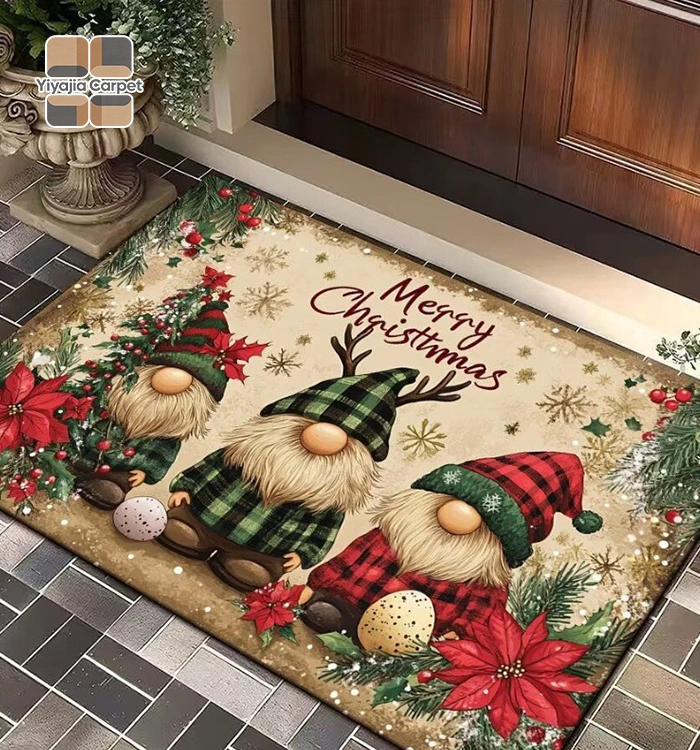
Modern methods for making things make customizing logos easy and cheap. With heat transfer printing, even the most complicated designs look like they were printed on a picture. Laser cutting, on the other hand, makes unique shapes and sizes. We can add your name and send the carpets within seven days, and there is no minimum order size, so even small businesses can use branded carpets. In places like lobbies, ballrooms, and upper floors, where unique design is most important, custom rugs help build brand identity.
Partner with Yiyajia Carpet for Your Next Hotel Project
Yiyajia Carpet meets the performance, customization, and service needs of business hospitality, making it the best choice for hotel operators and procurement professionals looking for a trusted hotel carpet provider. Our cutting-edge heat transfer and laser cutting technologies let us make any design or shape that fits the needs of your brand. Our goods meet foreign safety and environmental standards in the European, American, and Middle Eastern markets because they are certified by CE, ROHS, OEKO-TEX, and EN 1350.
We keep the quality high by inspecting every step of the process carefully. Our quality promise covers the cost of rework and shipping for any failures to meet specifications. Our daily production capacity of 2,000 square meters guarantees on-time delivery for even the biggest projects, and our low 50-piece MOQ for customization makes it easy to stand out, no matter how big the project is. Email our team at sale@yyj-carpet.com to get samples, talk about your unique needs, or find out how our best hotel carpet manufacturer services can help with your future upgrades and new builds.
References
1. Hospitality Design Magazine, "Flooring Specification Guide for Commercial Hotels," 2023 Edition.
2. American Hotel & Lodging Association, "Sustainable Procurement Standards for Hospitality Interiors," 2022.
3. Journal of Interior Design, "Lifecycle Cost Analysis of Commercial Flooring Systems in High-Traffic Environments," Volume 48, 2023.
4. International Facility Management Association, "Maintenance Best Practices for Textile Floor Coverings in Commercial Settings," 2022.
5. National Fire Protection Association, "NFPA 253 Standard Method of Test for Critical Radiant Flux of Floor Covering Systems," 2024 Edition.
6. Green Building Council, "Material Health and Transparency Standards for Commercial Textile Products," 2023 Guidelines.