_1774494554973.webp)
Best carpet styles for small living rooms
May 28, 2026


The way a small living room looks, feels, and works can be changed by the carpet you choose. People who are looking for small living room carpet options need useful information that strikes a mix between how the carpet looks, how long it lasts, and how well it fits in the room. The best carpet does more than just cover the floors; it changes how things are split, keeps noise out, and makes rooms cozier in places where every square inch counts. If you're a designer picking out materials for city flats or a dealer looking for materials for private projects, you need to know which styles work best in small spaces. This will make your customers happy and encourage them to come back.
Understanding the Unique Needs of Carpets for Small Living Rooms
There are issues in small living room carpet selection that don't happen in larger ones. A lot of people walk on floors that don't have much room, which speeds up wear patterns that follow straight lines. It's very important to control noise in apartments where units next to each other share walls and floors. Protecting against heat loss is more important when heating or cooling a smaller area.
Space Perception and Visual Engineering
The carpet you pick can make a room look bigger or smaller. This room feels lighter because of the neutral-colored threads that reflect light and spread it around. Building walls all the way to the ceiling can make a room feel crowded. Leaving 12 to 18 inches of floor space around the edges can help. This frame makes the room look bigger and keeps furniture groups in place.
Traffic Concentration and Durability Requirements
People can move around easily in big living rooms, but they have to go through narrow areas in small ones. A lot of people walk through these halls, so the rugs need to be very durable. People often move solution-dyed fibers back and forth a lot, which is normal near places where people sit. The fibers still keep their color. When placed in a small area, lighter area rugs can "walk" across hard surfaces if they are not properly grounded. This means that the backing system must not move.
Acoustic and Thermal Advantages
Carpets are great for small living rooms because they keep noise out and keep heat in. If you have a house with more than one floor, you might want to think about getting the right padding to cut down on impact noise transfer. Because of this, the heater works better in the winter, and the floor is more comfortable to walk on. This is helpful when the living room is used for more than one thing, like watching TV, resting, or working from home.
Top Carpet Styles and Materials Ideal for Small Living Rooms
What it's made of determines how long it lasts, how well it looks, and how much care it needs. We've helped a huge number of purchasing managers figure out which small living room carpet options are the best deals for their projects.
Low-Pile vs. High-Pile Construction
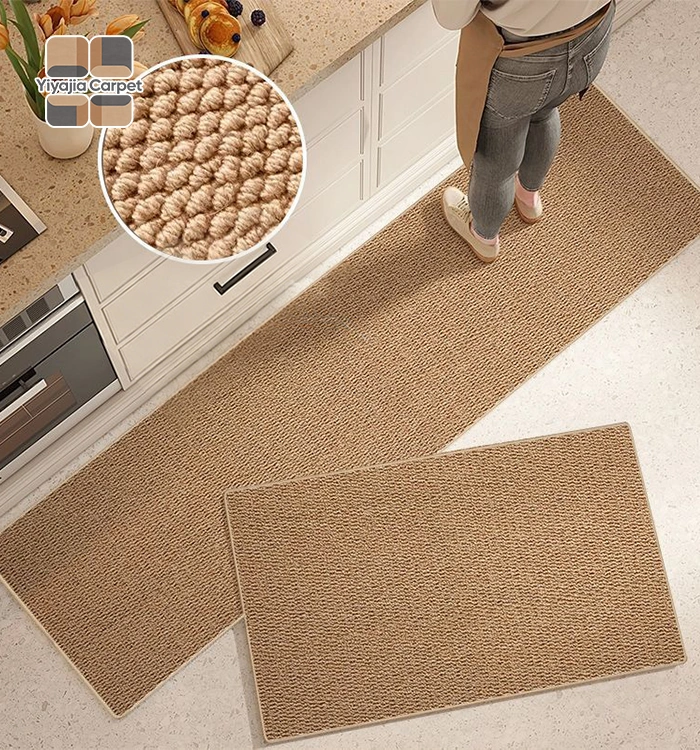
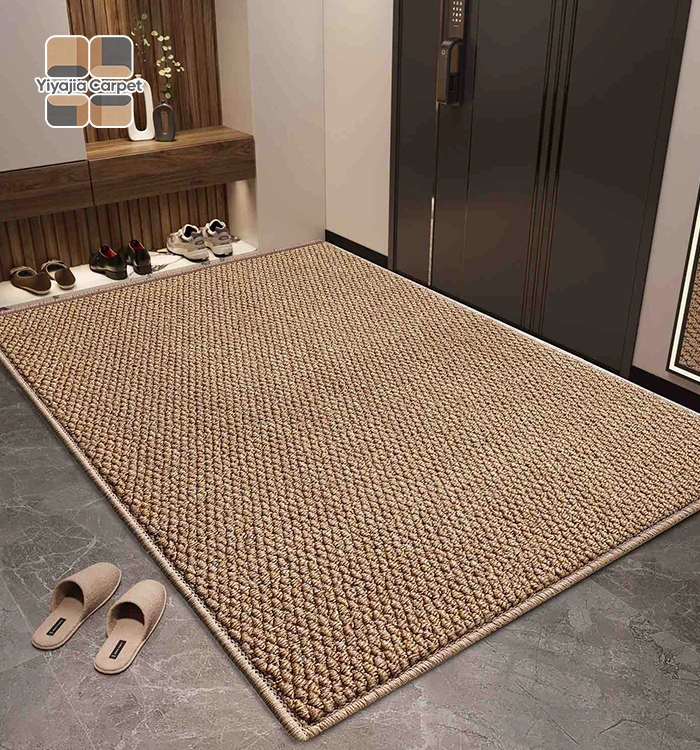
In small living rooms, rugs with a pile height of 0.25 to 0.5 inches look good. The shapes of these mats keep them from getting squished when furniture is put on top of them, and they also make cleaning easy. High-density weaves are strong and durable, and they bounce back after being squished. They weigh more than 2000 ounces per cubic yard. Plush high-pile options are very soft, but they block a lot of light and hold dust in places where air flow is already low.
Synthetic Fiber Advantages
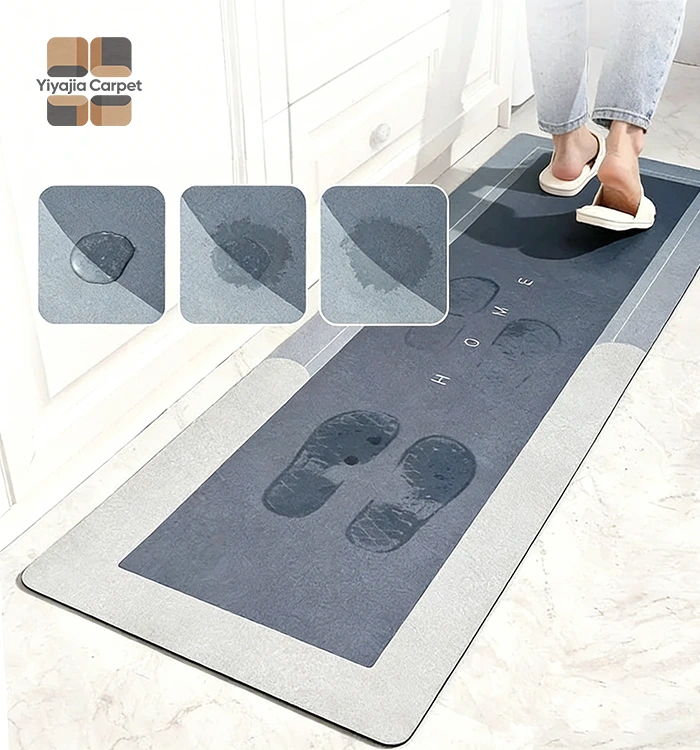
Modern synthetic materials are very efficient, which is great for people who live in small areas. The surfaces of faux cashmere are soft and helpful because they don't stain easily, stay true to color, and are simple to clean. Because polypropylene and polyester blends don't soak up water, they can be used in places that are used for more than one thing and where people may eat and drink near the floor. These things won't lose their color or fibers no matter how many times you clean them.
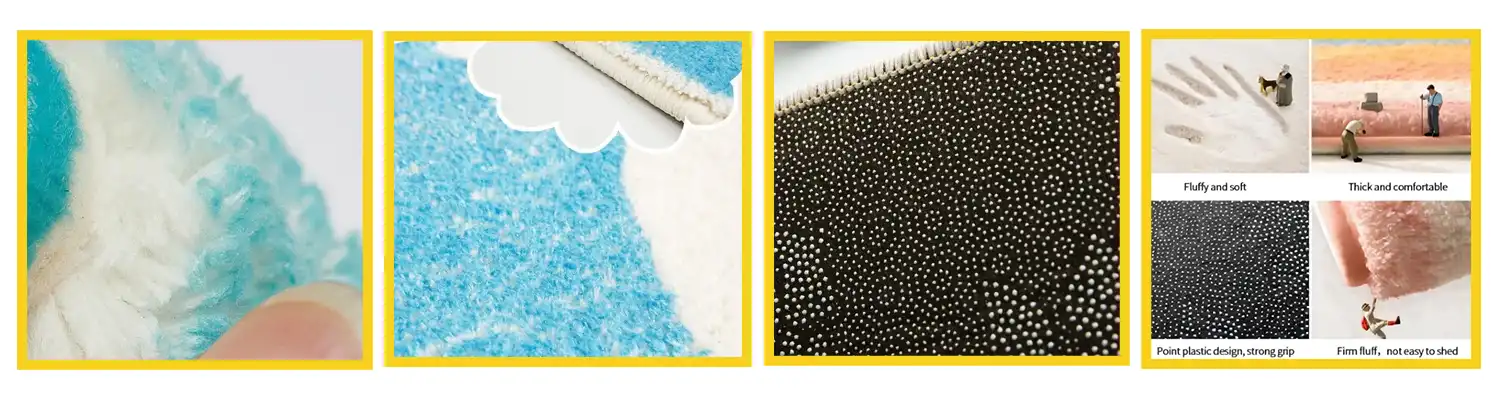
These days, people want rugs that can handle homes with kids, pets, and other animals. Things that are backed with TPR backing don't slip on hard floors, and they're still flexible enough to be rolled up and sent. This carpet doesn't tear easily like cheaper ones do because it is machine-woven and has edges that are fixed. This means that the carpet will still look good even after being used every day for years.
Pattern and Texture Considerations
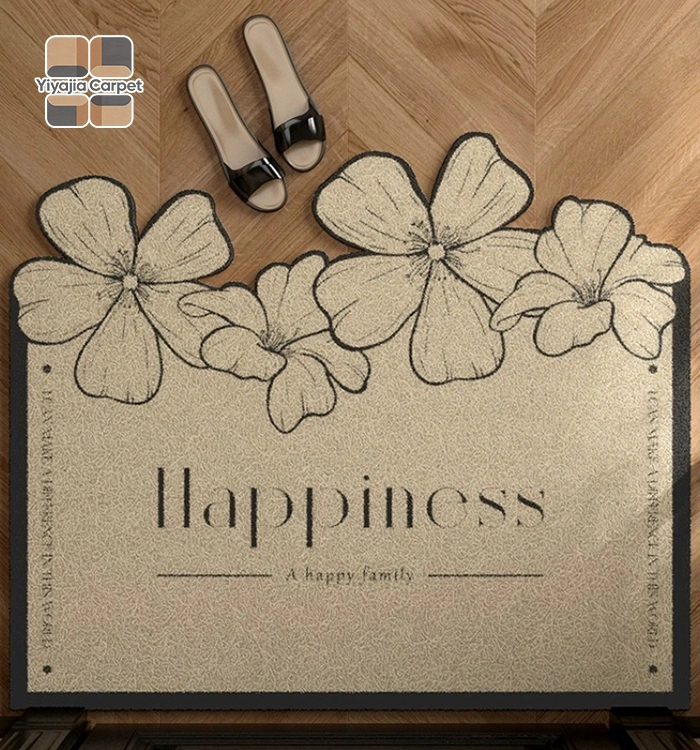
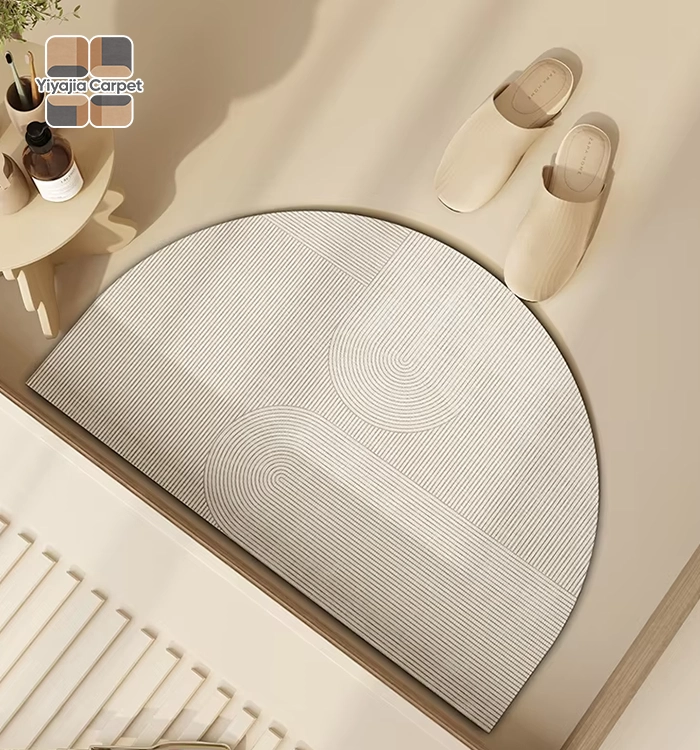
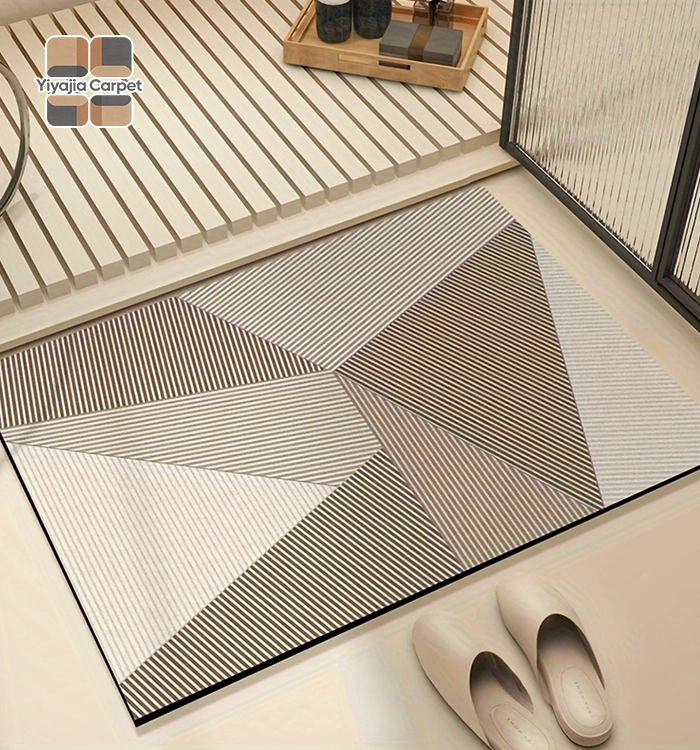
Simple patterns are better at hiding dirt than solid colors because they keep the design simple. Designs or geometric shapes with little difference make rooms more interesting without taking over small ones. There is a sense of depth when you look at floors with different layers, and floors with cut-and-loop pile combinations look bigger than they really are.
Carpet Size, Color, and Placement Strategies for Maximizing Small Living Rooms
Installations that change things only happen when they are placed, sized, and colored with great care. These small living room carpet options have a direct impact on how buyers see value and how everyday users feel snug.
The Front Legs Rule for Optimal Sizing
Usually, area rugs should be put down so that furniture's front legs rest on the carpet and its back legs stay on the floor. With this method, the seats are put together without taking up the whole floor plan. If you measure the footprints of your current furniture before choosing the carpet's dimensions, you can avoid buying mistakes and make the room run smoothly. This is why being able to change sizes is useful: normal sizes don't always work well with different styles.
Color Psychology and Light Reflection
Lighter color choices let in more natural and artificial light, which makes places look bigger. Tone choices like cream, light gray, soft beige, and pale blue make spaces look bigger without sacrificing style. Shades of dark colors help furniture groups stay put, but they also soak up light, which can make small rooms feel smaller. People should think about how they will use the things they buy before they buy them. Surfaces that are shiny are better for apartments on the ground floor with few windows than for apartments on the top floor with lots of skylights.
Placement Techniques for Functionality
Some open-plan studios have a mat in the middle of the main sitting area to separate the living area. This soft border gets rid of the need for walls but still keeps the areas where you eat and sleep separate. Put the right padding under the carpet to make it more comfy, protect the floor, and make it last longer by taking up touch stress. Good rug pads or backings that don't slip keep the rug from moving around while it's being used. This makes it less likely that someone will trip in places where movement is already limited.
Comparing Procurement Options: What to Consider When Buying Carpets for Small Living Rooms?
When choosing where to source a small living room carpet, you need to think about a lot of things, like wait times, the ability to adjust, quality control, and price. Purchasing managers rate sellers based on how well they meet project dates and make sure that all of their work is the same.
Customization, Flexibility and MOQ Requirements
For many jobs, you need specific sizes that you can't get with normal materials. When it comes to suppliers, those who don't require big minimum order quantities and let you change the size, color, and name are ahead of the rest. For mid-sized jobs, a 50-piece MOQ for changes in size or color means that tailoring can be used without having to keep too much stock on hand. It's faster to make decisions when samples are made quickly (within 24 to 48 hours), and it costs less to make mistakes during the planning phase.
Quality Certifications and Compliance
To make sure a product is safe and good for the climate in European and North American markets, it must have CE and RoHS approvals. These papers make it less likely that people will break the rules when they clear customs, and they also comfort buyers who are worried about the air quality in their homes. More and more people want healthy homes, which is great for home builders and stores that want to bring in families. Materials that don't smell and are safe for kids meet this need.
Production Capacity and Delivery Reliability
The fact that the business can handle more than 2000 square meters of production every day shows that it is stable and can grow. You can use this skill to handle both large orders that come in all at once and steady supplies for projects that are already under way. The cost to ship and keep depends on the type of packing, such as whether it is foldable or made of cartons. Projects stay on schedule when lead times are clear. This is especially important when adding rugs in the middle of bigger buildings or repair projects.
Installation, Maintenance, and After-Sales Support for Small Living Room Carpets
It's not just the quality of the goods that makes people happy in the long run. It also depends on how long the small living room carpet lasts and how well it fits in the rooms that are already there. You can tell the difference between transactional sellers and known sources with the help of support tools.
Professional Installation Best Practices
Before putting something down, the surface needs to be cleaned, leveled, and made sure it is dry. When you use the right padding, noise is lessened and wear doesn't happen too quickly. Putting things in small spaces is more important than putting them in big ones because mistakes are easy to see. Getting the edges of furniture groups and building parts to line up makes them look smoother, which makes them look better.
Maintenance Protocols for High-Traffic Areas
In small sitting rooms, dirt and other things tend to pile up in predictable ways. Two or three times a week, you should use a vacuum with a HEPA-filter to pick up small bits without spreading them out again. Stains don't stick around long if you clean up spills right away. This is especially important for synthetic fibers that don't soak up water. Every 12 to 18 months, a deep clean with hot water extraction gets rid of the grit that gets deep into the fibers and wears them down over time. This helps the fabric keep its shape and look.
Warranty Coverage and Communication Channels
You can trust suppliers to back up their goods with clear guarantees that cover flaws in the way they were made, stable measurements, and consistent color. Business liaisons help you talk to people about repeat sales and make sure that output plans match up with due dates for projects. Help after the sale that includes how to fix things, how to replace things, and how to make the process better builds trust and leads to long-term relationships. This idea of long-term relationships is very important for workers and wholesalers who have a lot of jobs going on at once.
Conclusion
As you look for the best small living room carpet styles, you should think about how it will look, how long it will last, and how easy it is to clean. High-density synthetic fibers used in low-pile designs make them strong against heavy foot traffic and easy to clean. You can make a room feel bigger without giving up comfort by following the front legs rule and picking colors that reflect light. It's important for buying partners to offer flexible design, keep quality standards up to date, and provide solid help after the sale for procurement to work well. These things make small living spaces look good and last a long time.
FAQ
What dimensions work best for carpets in small living rooms?
For the best fit, the front legs of furniture should sit on the carpet while the back legs should stay off. Around the sides, 12 to 18 inches of floor should show. If you cover the whole wall, it can make a small room feel even smaller. But this size makes the room look bigger. When it comes to plans, custom sizes often work better than standard sizes because they can fit a wider range of furniture arrangements and building features.
Which carpet material offers the best durability for high-traffic small spaces?
Solution-dyed nylon and high-grade polypropylene are two man-made fibers that work well in places where a lot of people walk. They stay colored and don't stain easily. They also bounce back after being pushed down by furniture. Natural cashmere fibers are rough, but faux cashmere is soft and easy to clean. This makes faux cashmere great for small rooms that are used every day for many things.
How do I prevent area rugs from shifting on hard flooring?
Rubber backing made of TPR doesn't slip by itself, but extra rug pads or grippers can help keep it in place. Carpets don't need glue to stay in place because of better backing systems with high friction coefficients. This stops the "walking" that many smaller area rugs do. It is also more comfortable and lasts longer if you use the right padding. This is because it lowers physical stress.
What cleaning frequency maintains carpet appearance in small living rooms?
Two or three times a week, use a HEPA-filter vacuum to get rid of a lot of dust and dirt in places that get a lot of use. Stains won't stick around long if you clean up spills right away. Every 12 to 18 months, you should have a professional do hot water extraction to get rid of the grit that gets stuck in the fibers and breaks them down over time. This will protect the structure and make it last longer.
Partner with a Reliable Small Living Room Carpet Supplier
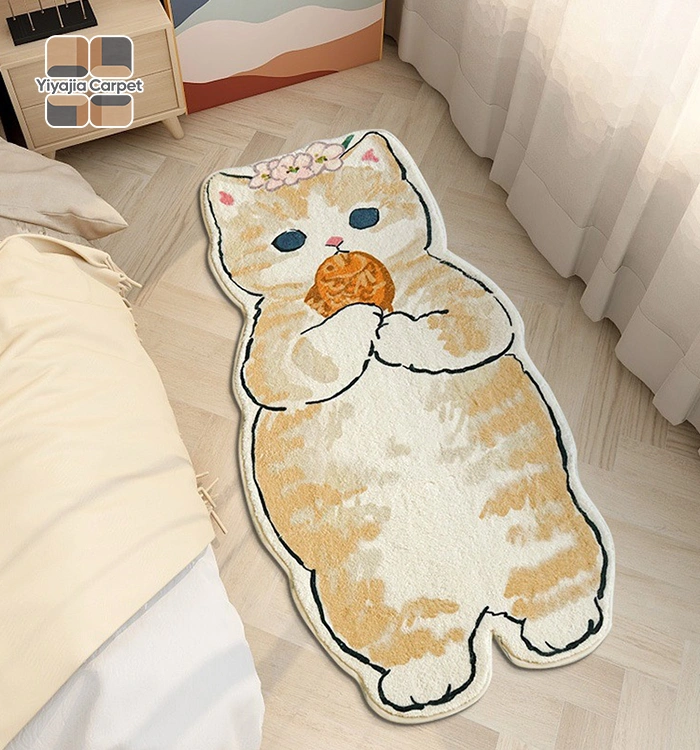
If you want to buy a small living room carpet, Yiyajia Carpet is the place to go. Our high-tech heat transfer printing can print any pattern, and our precise laser cutting can make things of any shape or size that aren't round. Since our fine faux cashmere surface rugs have CE and RoHS certifications, they are safe to use right out of the box. You don't have to worry about threads coming loose because it is machine-woven, and our 50-piece MOQ for changing the size or color is great for medium-sized projects. You can stick to your plan since 2000 square meters can be produced every day. Write to our team at sale@yyj-carpet.com and let them know what you need. Then, ask for samples that will show you the quality difference that experience makes.
References
1. Bennett, L., & Morrison, K. (2021). Interior Design Fundamentals for Residential Spaces. Architectural Press.
2. Chen, Y., & Rodriguez, M. (2022). "Textile Engineering in Floor Covering Applications," Journal of Applied Materials Science, 48(3), 215-234.
3. Harrison, T. (2020). Commercial Carpet Procurement: A Strategic Guide for Building Professionals. Construction Industry Publications.
4. Peterson, A., & Walsh, D. (2023). "Acoustic Performance of Floor Coverings in Multi-Unit Dwellings," Building Science Quarterly, 31(2), 102-118.
5. Simmons, R. (2022). Sustainable Materials in Modern Interior Design. Green Building Council Press.
6. Thompson, J., & Lee, S. (2021). "Traffic Pattern Analysis and Carpet Durability in Residential Applications," Flooring Technology Review, 19(4), 67-85.