_1774494554973.webp)
Modern Kitchen Rug Ideas For Your Home
May 29, 2026


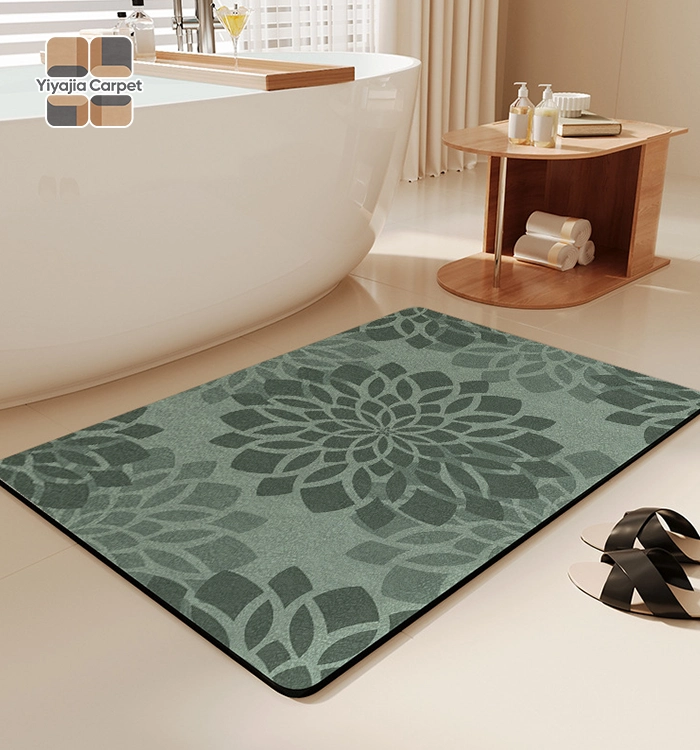
Modern kitchens need more than just useful tools. They also need design elements that combine safety, comfort, and good looks. Stylish kitchen mats have become necessary furniture that solves the physical problems of standing for long periods of time while also making the room look better. Advanced materials like second-generation diatom mud and high-density velvet fabrics are used in these specific floor coverings to make them non-slip, absorb wetness, and dry quickly. If you want to buy the right kitchen floor for a high-end home, a restaurant, or a business, you should know about the different types of modern kitchen floors. This way, you can make choices that are good for quality, style, and efficiency.
Understanding Stylish Kitchen Mats: Materials, Benefits, and Key Features
Rugs that are made for other rooms can't handle the problems that come up in the kitchen. Modern anti-fatigue kitchen walkers are the perfect compromise between industrial-grade safety gear and home design tastes. They solve important problems that designers and procurement managers face every day.
Advanced Material Engineering for Superior Performance
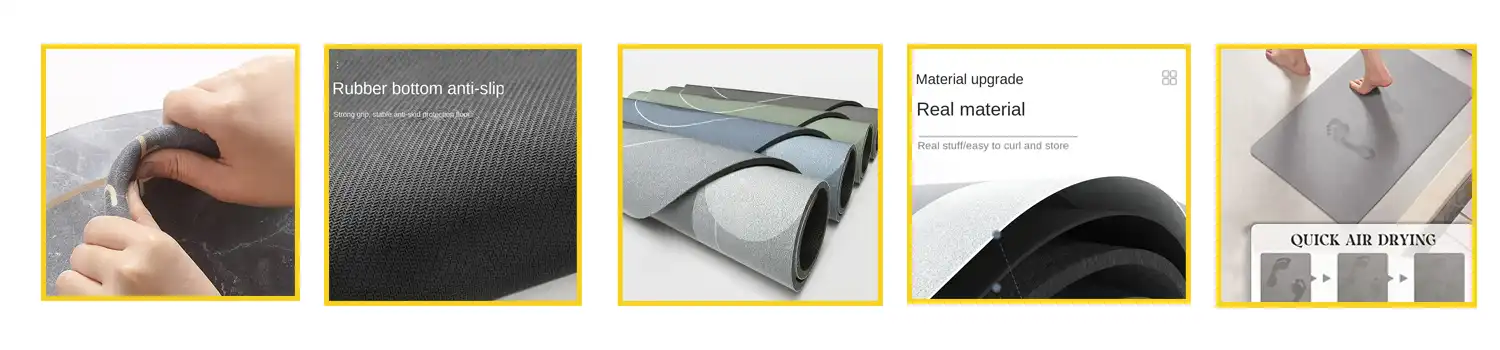
Modern floor covers for kitchens use cutting-edge material science to get great results. The second version of diatom mud is a big step forward in absorbing technology. It has a porous mineral structure that soaks up water right away and quickly evaporates it. This material solves the chronic hygiene problems that come with traditional cloth mats, which hold bacteria and produce bad smells in damp places.
In addition to their basic usefulness, high-density technology velvet cloth designs offer other benefits. These engineered materials, which weigh about 800 to 900 grams per square meter, make the surface strong enough to handle steady foot traffic without showing signs of wear. The rubber backing keeps the mat stable on a variety of surfaces, from smooth tile to hardwood. This means that the mat doesn't curl or slide around like cheaper options do, which can be dangerous. With thicknesses ranging from 2 to 3 millimeters, these mats provide comfort without creating trip risks and meet important safety standards for both home and business use.
Safety and Ergonomic Advantages That Matter
It's impossible to say enough about how standing on hard, cooking floors hurts your body. Long periods of standing on concrete or tile surfaces are regularly shown to cause venous pooling in the lower limbs, lumbar compression, and faster joint tiredness. With energy-return foam cores that lower pressure on the spine, knees, and feet by up to 32%, good anti-fatigue floor mats offset these effects.
Aside from helping with ergonomics, surface treatments are also very important for preventing accidents from happening. Slip-and-fall accidents are much less likely to happen in places where water and oil splash around because of anti-slip coatings and uneven surfaces. This is especially important in business settings where liability worries and rules about worker safety require approved safety features. Premium products have anti-stain processes that make sure that cooking oils, wine spills, and food debris can be wiped off without leaving a lasting mark. This keeps the professional look of the product throughout its lifecycle.
Maintenance Protocols for Longevity and Hygiene
If you take good care of your stylish kitchen mats, they will last longer and stay clean. The modern designs have surfaces that are easy to clean, so upkeep is easy: regular sweeping removes dry debris, and damp mopping with neutral pH cleaners eliminates spills and sticky residues. Because these mats dry quickly and are waterproof, they can be cleaned during work hours without being taken out of service for long periods.
Commercial settings benefit greatly from materials that don't allow germs to grow and can be cleaned often. Engineered kitchen mats don't need to be replaced or cleaned with extraction, but porous cloth runners do. They keep their structure after hundreds of cleaning rounds. Over time, this longevity saves money by lowering the total cost of ownership, which is a key factor that procurement professionals carefully consider when comparing what different suppliers have to offer.
Choosing the Right Stylish Kitchen Mat: A Decision Support Guide for B2B Buyers
To choose the right kitchen floor options, you need to know the exact working context and performance needs of your project or inventory.
Evaluating Material Quality and Certification Standards
When making purchases, companies should give more weight to suppliers who have strict quality control systems and valid certifications. OEKO-TEX approval proves that textile parts don't contain any dangerous chemicals, meeting the growing need for safe workplaces. CE licensing shows that a product meets European safety standards, and REACH approval shows that the product follows strict rules about chemicals that can't be used in the environment.
ISO 9001 recognition shows that a company is committed to regular quality management systems, which is a key sign for buyers looking to build long-term relationships with suppliers. In order to meet fire safety standards, EN 1350 flame retardant grades must be used on all business and hotel building projects. When looking at possible sources, asking for full inspection reports and export paperwork lowers the risk of not following the rules and stops expensive customs delays.
Aesthetic Integration With Contemporary Kitchen Design
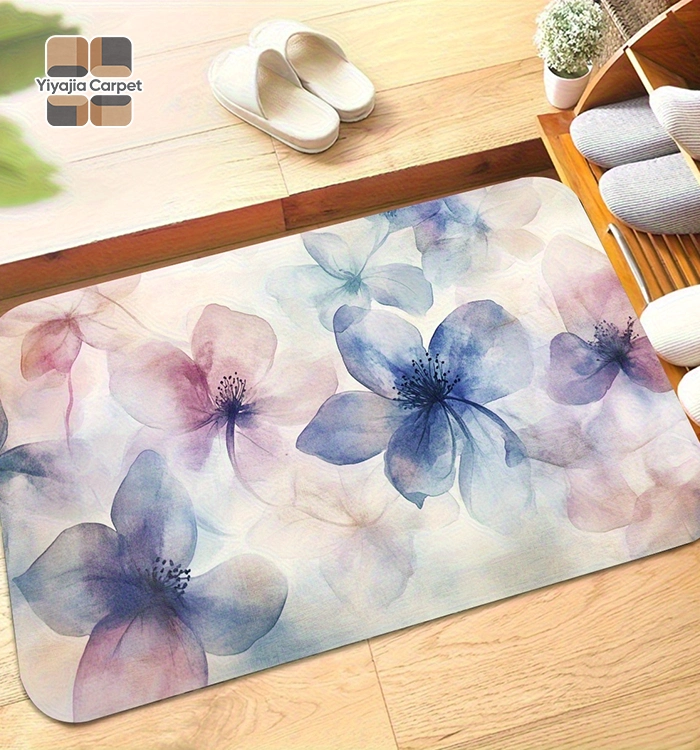
Designers have had to choose between safety and looks in the past because rubber mats that look industrial can be distracting. These problems can no longer be a problem thanks to new heat transfer printing technology that can handle any design or color requirement. Solid colors are simple and elegant, and they look great with modern cabinets. Custom printed designs can help with brand recognition in hotel settings or show off decorative patterns in home settings.
Laser cutting lets you get exact sizes and even odd shapes, so your furniture will fit perfectly in your current floor plans with no gaps or splits. This customization includes putting logos in business settings, so facilities can keep their visual branding consistent throughout their areas. When working with distributors or OEM partners, procurement managers like being able to define exact dimensions that fit the normal sizes used in their market.
Comparing Traditional Options Against Engineered Solutions
There are some problems with traditional kitchen rugs that designed mats get around. Fabric runners soak up spills instead of keeping them away, which makes them slippery and a good place for bacteria to grow, which is against health rules in business kitchens. Because they move around a lot, they are always a tripping hazard, and because they are porous, they are very hard to clean completely.
Engineered kitchen mats provide measurable performance improvements across all key metrics: they are less likely to slip thanks to approved backing systems; they also protect the base from damage; and the antimicrobial surface treatments help with cleanliness standards. Within months of installation, the difference in longevity becomes clear: traditional choices show wear patterns, while quality engineered goods keep their look and function for years of use.
Top Stylish Kitchen Mats for 2026: Trends and Best Picks for Modern Kitchens
The way the market works now shows how buyers' goals are changing when it comes to sustainability, customization, and performance standards that can be checked for stylish kitchen mats.
Sustainability and Eco-Conscious Manufacturing
Corporate social responsibility programs are having a bigger impact on buying choices, which is raising the demand for products made in ways that are good for the environment. Suppliers who use sustainable methods for everything from getting raw materials to dealing with production trash have an edge in markets where green building standards are important.
The move toward recycled and renewable products is in line with larger trends in the building business. People who want to get LEED certification points or other green building awards must get detailed paperwork from their suppliers about how their products affect the environment. Manufacturers who keep their environmental management certifications up to date and provide clear information about their supply chains become the best partners for projects that care about the environment.
Customization Capabilities for Diverse Applications
Commodity providers are different from strategic manufacturing partners because they can't always meet exact needs. OEM and ODM services let buyers make their own product lines that set their businesses apart in competitive markets. Customizing logos helps wholesalers and distributors build their brands, but real estate developers and builders need to be able to choose from a range of sizes to fit different floor plans across multiple sites.
Heat transfer printing technology supports photographic reproduction quality, which means that artists can add complex designs or brand elements that are very clear. Customizing colors makes sure that they work perfectly with existing design schemes, whether they are business colors or home decor choices. With these features, kitchen mats go from being ordinary items to important parts of design that raise the value of the whole project.
Wholesale Procurement Strategies and Volume Advantages
When buyers place large orders, they can access price levels that make earnings much better. Flexible minimum order amounts work for both new businesses trying out new product categories and established businesses that know when they need to restock. Export-standard packing keeps goods safe while they're being shipped internationally, and the best ways to load containers lower the cost of operations per unit.
Building ties with manufacturers that offer committed business liaisons has benefits that go beyond the original transactions. Prioritizing production for repeat sales keeps you from running out of stock during busy times, and regular product development meetings make sure that your inventory changes with the times. These parts of a partnership give it a competitive edge that simple business relationships can't match.
Installation and Application Tips for Stylish Kitchen Mats in Different Kitchen Environments
When it comes to different settings, strategic placing and proper fitting make the most of both safety benefits and aesthetic effects for stylish kitchen mats.
Residential Kitchen Applications
Placing mats in the kitchen work triangle—at the sink, stove, and main preparation areas where people spend a lot of time standing—is good for home settings. By choosing colors and patterns that go with the cabinets and countertops you already have, you can make the safety equipment look like it was made to be there.
When protecting a hardwood floor, you need to pay extra attention to which backing materials work with it. Premium rubber backings stop chemicals from moving and discoloring or damaging wooden surfaces. They also have enough grip to keep them from changing while they're being used. Because modern materials dry quickly, they don't let water build up under the mat, which could cause it to twist or mold to grow.
Commercial and Hospitality Environments
Professional kitchens with a lot of foot traffic need goods that are made to be used a lot. Anti-fatigue qualities become necessary for workers who put in long hours, which has a direct effect on their happiness and productivity. When you combine slip resistance with padding support, the number of injuries at work goes down. This means that insurance rates go down and staff retention goes up.
Open-concept restaurants and coffee shops with a small staff also have to keep the look of the places that customers see appealing. Careful detail is needed to choose designs that support brand identity and meet commercial-grade durable standards. Custom printing lets hospitality groups carry their visual branding from seating areas to service stations without any problems, making the whole experience for guests more consistent.
Multi-Functional Transitional Spaces
Modern home offices often have standing desk areas next to the kitchen, which creates a need for goods that work on a variety of substrates. Mats need to be stable on both tile and hardwood floors without leaving marks or hurting either surface. Since these portable options are easy to move, users can change the way their desk is set up as their needs change.
Procurement and Supply Chain Insights for Stylish Kitchen Mats
A good sourcing strategy takes into account many factors for stylish kitchen mats, such as how cheap the prices are, how reliable the deliveries are, and the quality of the seller partnerships.
Identifying Trustworthy Manufacturing Partners
Doing your research before choosing a seller keeps your operations from being interrupted by poor quality or unpredictable delivery times. Manufacturers who promise to check every single item before shipping show high standards for quality control that keep buyers from having to pay a lot of money for returns and complaints. Asking for confirmation of a sample before placing a large order cuts down on the costs of trial and error and makes sure that production skills match the stated specs.
Supplier professionalism is shown by clear conversation about output ability and realistic wait times. Established freight forwarder relationships and mature bulk cross-border logistics networks keep deadlines under control, and professional paperwork teams make customs processing go smoothly. When buyers have to meet tight project goals or meet regular inventory needs, these practical factors become even more important.
Cost Management and Total Ownership Analysis
The price you pay for something is only one part of how much it really costs. Long-term value can be fully understood by looking at how long something lasts, how often it needs to be maintained, and how often it is expected to need to be replaced. Products that wear out quickly and need to be replaced more often end up costing more than high-end options that last longer.
You can save a lot of money by negotiating bulk discounts and looking for clearance deals, especially if you have open requirements or don't need to get something quickly. Knowing about the different types of packaging, like roll forms, cartons, and woven bags, can help you save money on shipping and make your business work more efficiently. A full cost study gives buying teams the information they need to make smart choices that make the best use of their budgets.
Building Strategic Supplier Relationships
Transactional buying relationships make it harder to get source knowledge and make it harder to be flexible with operations. Strategic relationships with makers who offer advisory support give businesses an edge over their competitors by giving them early access to new products and market research. Suppliers who care about their clients' success will suggest design tweaks and process changes that make the product work better.
People who sign long-term contracts often get better prices and promised capacity during times of high demand. Both buyers and sellers benefit from stable relationships like these. Buyers get more control over the supply chain, and sellers can see how much money they're making, which helps them plan their investments in capacity. This way of working together turns suppliers from suppliers into key partners who help the business grow.
Conclusion
Stylish kitchen mats need to provide real safety benefits without sacrificing good looks for modern kitchen floors. Engineered kitchen mats made from new materials like second-generation diatom mud and high-density technology fabrics have the performance qualities that procurement workers want: they don't slip, they support your body, they're clean, and they look good. If you know about the properties of materials, licensing standards, and the abilities of suppliers, you can make confident decisions when buying inventory for delivery channels, choosing products for business projects, or looking at options for hospitality places. As time goes on, the market keeps changing toward customization, sustainability, and openness about performance. These are all trends that help buyers who work with makers who are dedicated to quality excellence and operating reliability.
FAQ
Are engineered kitchen mats safe for all floor types?
Good designed mats have rubber backings that are made to stop chemicals from moving, so they can be used on wood, tile, laminate, and stone floors. The backing gives a stable grip without using glue, so you can move it around without leaving any marks. Making sure that the backing materials used by your provider are non-reactive will protect your expensive flooring purchases.
How often should commercial operations replace kitchen mats?
Replacement times rely on how much traffic there is and how often work is done. In business kitchens with a lot of foot traffic, mats should be replaced every 12 to 18 months to keep them clean and safe. In kitchens with minimal foot traffic, mats may last longer, up to 24 to 36 months. Checking for damaged surfaces, deteriorating backing, or squeezed padding on a regular basis can help you figure out when to replace it.
Can bulk orders accommodate custom branding for corporate clients?
Reputable makers let you change a lot of things, like where the name goes, how the colors match your company's color scheme, and the size you need. Complex images can be printed with photographic accuracy using heat transfer printing technology. This lets brands be reinforced across hotel chains, stores, and business buildings. Different suppliers have different minimum order amounts for special work, so it's best to talk to them early on.
Partner With Yiyajia Carpet for Premium Kitchen Mat Solutions
Yiyajia Carpet is a well-known company around the world that makes stylish kitchen mats by mixing cutting-edge production technologies with thorough quality control systems. Precision laser cutting and high-definition heat transfer give you a lot of ways to customize your order, and our CE, OEKO-TEX, ISO 9001, REACH, and EN 1350 certifications make sure that you can sell your products in any country. Our flexible mass order amounts, export-optimized packaging solutions, and dedicated business liaison services make it easy for procurement managers to place orders again and again. We welcome you to look through our wide range of products, which are made for use in homes, hotels, and businesses. Get in touch with our team at sale@yyj-carpet.com to talk about your unique needs and find out how our OEM/ODM services can help your business reach its goals by providing reliable, low-cost kitchen flooring options.
References
1. Jones, M. & Williams, R. (2023). How to Make Flooring More Ergonomic in a Commercial Kitchen. 18(4), 234–251 in Journal of Hospitality Infrastructure.
2. Chen, L. (2024). Modern floor covering systems use high-tech materials. Journal of International Textile Research, 41(2), 89–107.
3. The European Committee for Safety Standards. (2023). Commercial flooring needs to be non-slip and not cause fatigue. It was published by ESSC in Brussels.
4. Sanchez, A. Also, Thompson, K. (2023). Sustainable ways to make things in the floor mat business. Review of Environmental Management, 29(3), 412–428.
5. The International Kitchen Design Association. (2024). Trends Report for 2024: Functional Aesthetics in Kitchen Spaces. The GKDA Press in New York.
6. Spence, S. (2023). Quality, cost, and relationships with suppliers are all important factors in how to buy commercial furniture. Journal of Supply Chain Management, 36(1), 156–174.