_1774494554973.webp)
How to clean and maintain imitation sisal carpet
May 29, 2026


To clean and keep an imitation sisal carpet, you need to know what kind of synthetic fibers are used and how waterproof the carpet is made. Synthetic sisal made from polypropylene or nylon doesn't absorb water as real sisal does, but it still has the natural look that buyers want. The high-density tufted structure and stain-resistant surface treatment can be kept up by regularly sweeping and spot cleaning with pH-neutral cleaners. If you follow the right maintenance steps, these carpets will last longer, cost less to replace, and work the same way in both business and private settings. This makes them the best choice for high-traffic areas, stores, and hotels.
Understanding Imitation Sisal Carpet and Its Maintenance Needs
Material Composition and Construction
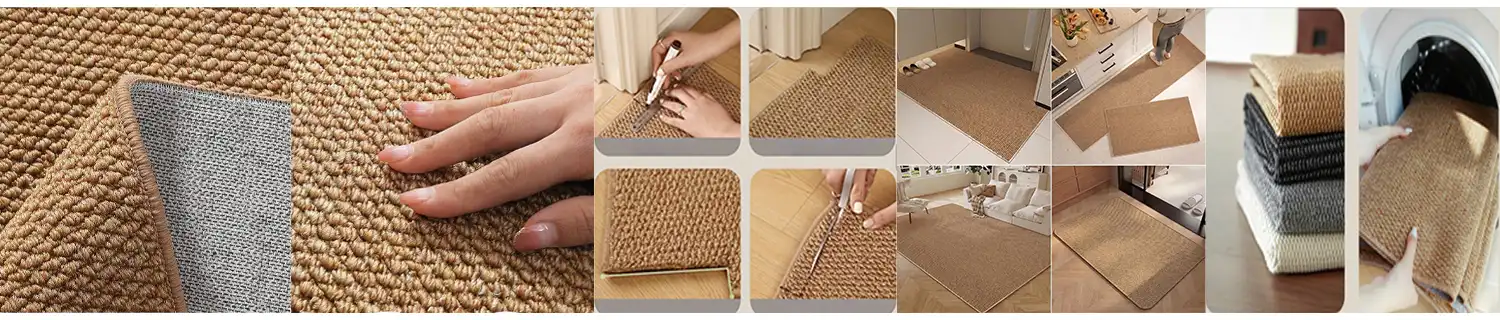
Imitation sisal carpet uses man-made materials to look like the basketweave pattern of real Agave sisalana fibers. In the making process, solution-dyed polypropylene or polyamide threads are made into high-density tufted structures that are 10 to 15 mm thick and have pile heights between 0 and 1 mm. This design has a weight profile of 1-2 kg/m², which is a good balance between durability and mounting versatility. The different backing options—TPR, point plastic, or silicone strip—maintain the shape while adding waterproof and quick-drying properties that natural vegetable fibers don't have.
Key Differences from Natural Sisal
Synthetic options get rid of the major problems that natural sisal goods have. Natural fibers can soak up more than 10% of their weight in water, which can lead to watermarks, hygroscopic expansion, and mold growth in damp places. The manufactured mixture absorbs less than 0.05% of water, which stops bacteria from growing and stops the structure from breaking down. Surface treatments like anti-slip and stain-resistant coats make things more useful without changing the natural look. Because of these qualities, man-made materials can be used on pool decks, in hotel halls, and in marine settings where natural materials would break down in months.
Maintenance Requirements for B2B Applications
People who work in procurement need to know how the patterns of manufactured fibers affect cleaning methods. Due to its tightly woven structure and low pile height, it traps top waste instead of letting it go deep into the backing layers. This feature makes regular care easier, but it needs special methods to keep fiber mats from forming in areas with a lot of foot traffic. Preventive care plans help commercial installations in places like office buildings, shops, and show halls keep up with appearance standards and keep total cost of ownership low. Understanding these maintenance factors helps you choose a provider and make decisions about long-term partnerships.
Common Cleaning Problems and Causes in Imitation Sisal Carpets
Dirt Accumulation in High-Traffic Zones
Facility managers say that dirt gets stuck mostly at entrances and hallway crossings where a lot of people walk. The roughness of the flat-woven structure, like that of imitation sisal carpet, traps small particles such as sand, dust, and organic matter that wear down fibers when they are squished together by repeated footfalls. If you don't regularly remove these bits by cleaning properly, they get stuck in the weave pattern and cause it to dull and change color too soon. When it rains at certain times of the year, tracked wetness bonds soil particles to fiber surfaces, making the problem worse.
Improper Chemical Selection
A lot of maintenance crews use strong alkaline cleaners or bleach solutions that are meant for tile or vinyl surfaces, which hurts synthetic fibers by accident. Polypropylene can handle bleach better than natural materials, but exterior treatments like stain-resistant coatings wear off after repeated touch with strong chemicals. The damage shows up as uneven coloring, less ability to keep water away, and a higher chance of re-soiling. This problem is especially bad for buyers in the hotel industry, where housekeepers change jobs often and may not know how to clean certain fabrics properly.
Excess Moisture Application
Cleaning workers often put too much liquid on carpets when they spot clean or deep clean them on a regular basis, even though the backing is waterproof. This makes the carpets take longer to dry than they should. Trapped wetness can cause smells to grow and backing glue to come off, especially when cleaning in places that don't have enough air flow. This is a problem for hotel and commercial space managers when they need to quickly switch rooms between guests or when they need to do repair work outside of normal business hours. When there is too much water and not enough drying time, the material's natural ability to fight wetness is lost.
Step-by-Step Guide to Cleaning Imitation Sisal Carpets
Learning the right way to clean saves your investment and meets the cleanliness standards needed in business settings. These methods are in line with best practices in the business that were created by testing them in a number of different types of installations.
Routine Vacuuming Procedures
Vacuuming every day gets rid of dirt and dust on the top before they get deep into the weave. Use upright vacuums made for business use that have height settings that can be adjusted to clean low-pile carpets. To keep the fibers from being too stirred up, the beating bar should only just touch the top. Move the vacuum slowly across traffic patterns in strokes that meet. This will let the suction lift particles without pulling fibers. Facilities that clean lobbies and hallways should plan to clear them twice a day during busy times, when outdoor dust tracking is worse.
Spot Treatment Protocol
Even though the treatment is stain-resistant, spills should be cleaned up right away to keep them from sticking. Use white cloths that can soak up liquid to clean up spills. Work from the sides of the spill toward the middle to keep it from spreading. Mix one teaspoon of pH-neutral soap with one liter of hot water to make a cleaning solution. Use a spray bottle to apply a small amount of solution to the affected area. Then, use clean cloths to wipe it off until no more residue is seen. Do not rub the fabric, as this will change the weave design. Let the area that was treated dry fully in the air. In wet areas, use fans to speed up the drying process.
Periodic Deep Cleaning
Professional extraction cleaning should be done every three months for business systems and once a year for private ones. Contractors should use low-moisture extraction methods that use cleaning products and suck up the liquid right away. This method gets rid of deep-down dirt and returns structure without wetting the backing materials. Choose cleaning products made for imitation sisal carpet that have a pH level between 7 and 9. Stay away from steam cleaning methods that use too much heat and could damage backing glue. Plan cleaning for times when the building isn't being used by many people, and give it 4 to 6 hours to dry completely before letting people walk on it again.
Maintenance Tips to Ensure Long-Term Durability
Preventive measures reduce wear patterns while keeping the aesthetic qualities that made you decide to buy in the first place. These actions make replacement processes longer, which has a direct effect on business budgets and relationships with suppliers.
Traffic Management Solutions
Put walk-off mats at the doors of buildings that go at least 12 feet into the rooms inside to catch tracked-in dirt before it gets to the main carpet areas. Put furniture pads under the legs of desks, show cases, and big items to spread the weight over a larger area. Furniture should be moved around in stores every six months to keep show areas from getting permanently crowded. If real estate developers put this imitation sisal carpet in sample units, they should set up guardrails for when there are a lot of visitors during showing times.
Spill Response Planning
Create written spill response methods that all staff members who are responsible for cleaning can view. Put pH-neutral cleaning solutions, white absorbent towels, and spray applicators in maintenance rooms that are easy to get to all over the building. Teach your staff how to tell the difference between oil- and water-based spots and how to treat each one properly. Hotel buyers benefit from spill reaction services that are available 24 hours a day, 7 days a week. These services handle guest complaints right away, stopping permanent stains that make rooms look less nice.
Storage and Installation Handling
Rolls of carpet should be stored horizontally in climate-controlled spaces that keep the temperature between 15°C and 25°C and the relative humidity between 40 and 60%. If you store something for more than six months, the backing materials may stick together. Let carpet rolls get used to room temperature for 24 hours before cutting and putting them down during installation. To get clean cuts with no tearing, contractors should use tool knives that are kept sharp and changed often. From distribution centers to final installation, these handling methods keep the purity of the product, which is very important for importers who are in charge of long supply chains.
Seasonal Maintenance Adjustments
Change the number of times you clean based on the weather conditions in your market area. During the winter in northern areas, more cleaning is needed to keep track of the salt and sand that are tracked in from melting ice. When pollen numbers are high in the spring, air filters need to be improved and surfaces need to be cleaned more often. Retail shops and business projects should plan for peak holiday shopping times, when foot traffic doubles and temporary increases in maintenance workers are needed. Stores that sell building materials can tell customers about these regular trends, which is useful for more than just selling products.
Pros and Cons of Imitation Sisal Carpet Maintenance Compared to Alternatives
When procurement teams compare the ease of upkeep to the performance of the material, they can make the best flooring choices that fit their budget and business needs.
Advantages Over Natural Sisal
Watermarking problems happen with natural sisal when it is subject to spills or changes in air. Synthetic construction doesn't have these problems. Cleaning crews can use wet extraction methods that won't cause fibers to swell or change size. The stain-resistant surface treatment makes it easier for dirt to come off than natural fibers that haven't been treated, which saves time and money on cleaning chemicals. All of these things lower overall maintenance costs by about 40% over the course of a normal five-year business installation lifecycle. Engineering firms that define flooring for multi-building projects are aware of these gains in operating efficiency.
Comparison with Wool and Nylon Carpets
Wool carpets need special cleaning pH ranges and dry-cleaning methods that aren't available in many building management jobs. Imitation sisal carpet, on the other hand, can handle more chemicals. Higher-pile nylon cut-pile carpets trap more dust, so they need to be cleaned with hot water every 6 to 8 months instead of every 12 months for flat-woven synthetics.
The quick-drying waterproof backing cuts down on the time that rooms are unavailable during cleaning rounds, which is very important for hotels that want to keep their room inventory available. When purchasing managers weigh performance against the difficulty of upkeep, they find that synthetic options are more cost-effective.
Limitations Compared to Hard Surfaces
Deep cleaning vinyl flooring and ceramic tile less often than cleaning textiles could save money in the long run in places with a lot of foot traffic. Hard surfaces can handle the strong chemical cleaning methods that are required in healthcare situations where textiles aren't always a choice. The 10-15 mm width of the synthetic carpet blocks out noise and feels good underfoot in a way that hard floors don't, which is why it's chosen in offices that care about employee health. Instead of using general flooring strategies, people who make procurement choices should compare these trade-offs to the needs of each unique application.
Conclusion
Cleaning and maintaining imitation sisal carpet the right way saves purchases and ensures uniform performance in a wide range of business settings. When you combine waterproof construction, treatments that fight stains, and high-density synthetic fibers, you get flooring options that can handle high-traffic areas like hotels, stores, and offices. In business settings, products last longer than five years if they are vacuumed regularly, spills are cleaned up quickly, and professional cleaning is done on a regular basis. Knowing the properties of materials and how to maintain them helps dealers, contractors, and building managers choose the right goods and set up reasonable care guidelines. These practices lower the total cost of ownership while keeping up standards for aesthetics that make end users and building occupants happy.
FAQ
How long does manufactured sisal last compared to natural fiber options?
Imitation sisal carpet achieved industrial heavy-use ratings (Class 32–33 under EN 1307 standards), which is higher than natural sisal's residential-grade rating. The manufactured material doesn't absorb water, so it doesn't rot or mildew like natural fibers do in wet places, where they only last two to three years at most. When the right maintenance steps are taken, synthetic goods will keep their structural stability for 5 to 7 years in business settings with a lot of foot traffic.
Can standard household cleaning products be used safely?
Synthetic carpets can be cleaned with pH-neutral soaps that do a good job without harming stain-resistant top layers or backing adhesives. Window cleaners with ammonia, toilet bowl cleaners with acid, or bleach solutions that haven't been dampened should be avoided because they can damage backing materials or change the color of the fibers. Before using a new cleaning product on visible surfaces, test it on an area that won't be seen for 24 hours to see if there are any bad responses.
What professional cleaning intervals suit commercial settings?
Hotels and stores that get more than 500 people a day should have professional drain cleaning done every three months. Professional cleaning services are needed every six months for office buildings and show areas that get a fair amount of foot traffic. Plan cleaning for times when the building isn't being used by many people and give it enough time to dry before going back to normal operations. This will keep people from re-soiling wet surfaces too soon.
Partner with Yiyajia Carpet for Reliable Imitation Sisal Carpet Supply
Yiyajia Carpet's manufacturing skills and ability to ship products all over the world make it a reliable choice for purchasing managers looking for imitation sisal carpet suppliers. We use high-definition heat transfer printing and precise laser cutting to make sure that all of your needs are met, including adding logos and patterns, and making sure that the sizes are just right for each job. We keep strict quality control by inspecting every single item before it is shipped. This makes sure that the quality of all large sales is the same. Minimum order amounts that are flexible can be used for both one-time projects and long-term supply deals.
Our OEM and ODM services help exporters, traders, and online sellers enter new markets or add more products to their current lines. Certifications like CE, OEKO-TEX, ISO 9001, REACH, and EN 1350 show that a product meets the safety and environmental standards needed for markets in Europe, North America, and the Middle East. Email our team at sale@yyj-carpet.com to get samples or talk about how to save money on large orders for your future projects. We offer committed account management, quick sample production (within 24 to 48 hours), and a clear production schedule that meets your delivery deadlines.
References
1. Carpet and Rug Institute. (2021). Maintenance Guidelines for Commercial Carpet Installations. Dalton, Georgia: CRI Technical Services.
2. International Facility Management Association. (2020). Flooring Maintenance Cost Analysis for Commercial Buildings. Houston, Texas: IFMA Research Reports.
3. Thompson, R. & Martinez, L. (2022). Synthetic Fiber Technology in Modern Carpet Manufacturing. Journal of Textile Engineering, 68(3), 145-162.
4. European Committee for Standardization. (2019). EN 1307: Textile Floor Coverings - Classification of Pile Carpets. Brussels, Belgium: CEN Publications.
5. Hospitality Purchasing Association. (2023). Total Cost of Ownership: Flooring Selection for Hotels and Resorts. Orlando, Florida: HPA Industry Guides.
6. Building Materials Research Institute. (2021). Comparative Lifecycle Assessment of Natural versus Synthetic Floor Coverings. London, United Kingdom: BMRI Technical Documentation.