_1774494554973.webp)
The Best List Of Small Living Room Ideas That Actually Work
May 29, 2026


People who are looking for small living room ideas often have trouble making places that are both useful and stylish without feeling crowded or crowded. When you take the right steps, even the smallest spaces can be turned into friendly places. Choosing the right floor covering, especially the right small living room carpet, is an important part of designing a small area well. These special rugs do two things: they define areas in small spaces and make spaces look bigger by using texture, color, and proportion. Modern options, such as fine fake cashmere rugs with TPR backing, combine sturdiness with good looks while still being light and portable, which is important for city life. This guide looks at tried-and-true methods that procurement workers and design teams always use to furnish small home projects.
Understanding the Challenges of Carpeting Small Living Rooms
Why Size and Proportion Matter in Confined Spaces?
Choosing floor covers for small rooms requires careful thought about how the space will change over time. Three problems keep coming up for buying managers when they try to find a small living room carpet. When oversized rugs are too close to the walls, they create visual clutter because they block the border breathing room that makes a room look bigger. Another worry is that small rooms force people to walk through shorter paths, which speeds up wear patterns in areas that can be predicted. Smaller spaces also have more acoustic amplification because sound bounces off close objects more easily.
Material Selection and Its Impact on Spatial Perception
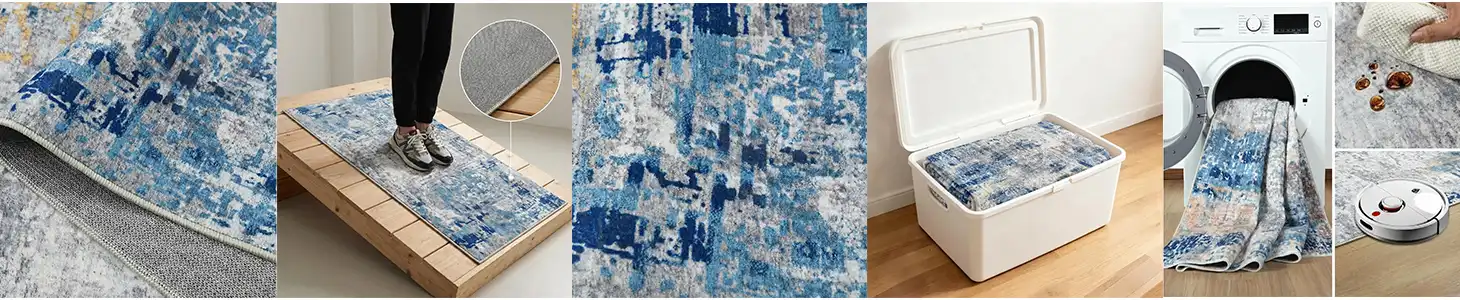
How rooms feel and work is directly related to the makeup of carpet strands. Low-pile builds made from man-made materials like fake cashmere look light while still giving enough support. When used in small spaces, these materials don't get crushed or matted like high-pile options do. The backing system is just as important—TPR thermoplastic rubber keeps things from slipping on hard ground without making the mat too big. This mixture is good for safety and space economy because it keeps the carpet from "walking" across floors when furniture is being moved around and keeps it low enough that it doesn't get in the way of doorways.
Color Theory and Texture Coordination
Colors that reflect light make things look bigger by spreading out the light in the room. Neutral colors like cream, soft gray, and warm brown blend in with the flooring around them, making it hard to tell the difference between carpets and bare areas. Textural variation adds depth without using big patterns that can make small areas look jumbled. Edge-locking technology used in machine-woven fabrics keeps the edges clean and the lines sharp, giving the impression that the fabric was designed on purpose rather than being a last-minute fix.
How to Choose the Best Carpet for Small Living Rooms: A Buyer's Guide
Evaluating Material Composition for Longevity
This guide will help you pick the best small living room carpet. Buying choices depend on how well the fiber's properties match up with how it will be used. When synthetic materials are made for home use, they strike a balance between cost and function. Faux cashmere surfaces are soft like real fibers, but they are much more resistant to stains, which is very important in places that are used for more than one thing, like living rooms that are also used as eating rooms or home offices. The fiber's natural slippery properties keep liquid spills from setting in, giving you a crucial window of time to clean up before the stain sets in for good.
Pile Height and Density Considerations
Technical specs show efficiency skills that go beyond how things look on the surface. For small spaces, the best pile height is between 0.25 and 0.5 inches, which makes the floor comfortable to walk on without looking too heavy. Both measures of density are important. Tighter constructions fight compression from furniture legs and heavy foot traffic. This is especially important in small rooms with limited exits because of the way the seats are set up, causing people to walk through repeated traffic lanes.
Certifications and Compliance Standards
For global buying to work, you need to know about the rules that apply in different areas. A CE mark makes sure that the product is legal in the European market, and a ROHS certificate makes sure that it is legal for banned substances. Wholesalers and dealers who serve a wide range of markets need these credentials because they get rid of possible customs problems and liability concerns. People who care about the environment also like environmental certifications, which can lead to chances in green building projects and eco-friendly business developments.
Customization Capabilities for Project-Specific Needs
Strategic partners are different from basic sellers because they can make things in a variety of ways. Being able to change sizes, colors, and even brand names makes it possible to stand out in a crowded market. Low minimum order numbers, like 50 pieces for size and color changes, make customization possible for medium-sized projects without needing to commit to huge amounts of inventory. This scalability is appealing to real estate developers who are setting up sample units and buyers in the hotel industry who want to make sure that all of their guest rooms look the same.
Top 7 Carpet Ideas and Styles That Maximize Small Living Room Spaces
When choosing the right carpet types, you have to balance a lot of different performance factors with aesthetic goals. The following methods have been shown to work consistently in a variety of small-space settings.
Neutral Low-Pile Rectangles for Visual Expansion
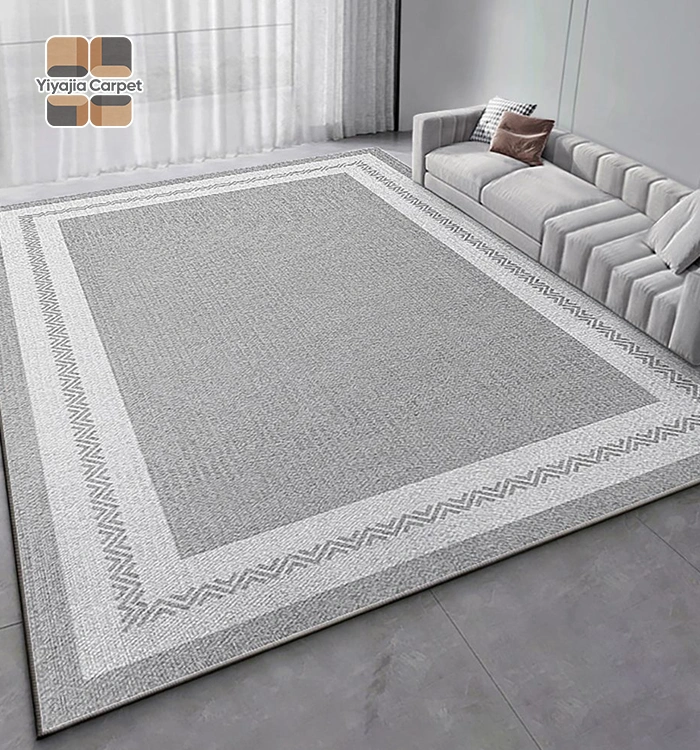
Light-colored rugs with little roughness make it easy to move from one area to another. These basic pieces hold furniture groups together without blocking your view. Because they aren't too noticeable, artistic and architectural features can stand out while still defining useful areas.
Layered Rugs for Dimensional Interest
Adding depth without making a permanent commitment is possible by putting smaller accent pieces on top of bigger base rugs. This method works well in furnished rooms where freedom is still very important. This method also saves areas that get a lot of use by focusing wear on the top layers that are easy to repair.
Geometric Patterns for Subtle Movement
Tone-on-tone color schemes with repeating patterns add visual interest without taking over small areas. These patterns hide small spots and wear patterns better than plain colors, making it look like the carpet has been cleaned more often between visits from a professional cleaner.
Borders and Frames for Defined Zones
In open-plan layouts, small living room carpets with different edge treatments are used to make clear boundaries. Visual anchoring helps people organize their minds when they're in multi-functional spaces, improving both usefulness and aesthetic cohesion.
Modular Carpet Tiles for Adaptive Layouts
Interlocking squares let you make your own arrangements that fit rooms with odd sizes. Damaged areas can be changed one at a time instead of having the whole carpet replaced, which saves a lot of money over its lifetime. This flexibility makes it good for business uses like hotel rooms and serviced homes.
Washable Constructions for Maintenance Efficiency
Carpets that can be washed in a machine help keep places clean, especially ones that allow pets or are geared toward families. Property managers can keep up with appearance standards while cutting down on practical costs by being able to refresh textiles without hiring professionals.
Eco-Friendly Materials for Sustainability Goals
Carpets with environmental standards meet the needs of green buildings and meet the tastes of the people who live there. These goods show that companies care about being responsible, which helps the brand's image for distributors who sell to environmentally aware customers.
When it comes to matching goods to project needs, these seven tactics give procurement teams a framework they can use. The range makes sure that there are options for both cheap large sales and high-end custom installs.
How to Arrange Furniture and Accessories on Carpets in Small Living Rooms?
The Front Legs Principle for Balanced Proportions
When furniture is placed correctly, it makes the carpet more visible while still allowing traffic to flow smoothly. Best practices in the industry say that the front legs of furniture should be on the carpet and the back legs should be on the ground around them. This layout physically connects the resting areas without covering the whole floor, keeping the openness around the edges that makes rooms feel bigger.
Creating Pathways and Traffic Lanes
The placement of a small living room carpet on purpose makes it easier to move around in areas. By putting rugs between talk areas and circulation paths, you can keep guests from having to walk through groups of furniture that aren't needed. This is especially important in studio flats and small houses where one room is used for more than one thing during the day.
Furniture Weight Distribution and Carpet Longevity
Heavy furniture creates compression points that forever change the shape of cheap rugs. High-density materials with strengthened backing systems don't get crushed by this effect, so they keep their look even when they're under constant pressure. When choosing goods for furnished renting homes or staged sales settings where appearance is important, procurement requirements should take furniture loads into account.
Maintenance and Cleaning Strategies for Carpets in Small Living Rooms
Routine Care Protocols for Extended Lifespan
Tips for taking care of and cleaning a small living room carpet. In small areas where pollutants build up quickly, regular care keeps both the look and the cleanliness of the area. When compared to bigger areas, small rooms should be vacuumed two or three times a week more often because particles build up faster in smaller spaces. When cleaning, HEPA filter systems keep allergens from spreading again, which is an important thing to keep in mind for homes that are trying to sell health-conscious features.
Stain Response Procedures
If you clean up spills right away, they won't change the color permanently. Blotting instead of rubbing keeps the fibers intact while they soak up liquids. For companies that sell removable carpet, machine cleaning gets rid of stains for good, restoring the item to a condition close to its original state. This feature lowers the number of times that things need to be replaced, which is good for projects that need to stick to a budget.
Professional Deep Cleaning Intervals
Even with careful regular maintenance, buried dirt and built-up oils will eventually need more than just cleaning to remove. Every 12 to 18 months, hot water extraction gets rid of underground contaminants that dull the look of fibers over time and wear them down through abrasion. Maintenance contracts backed by vendors make scheduling easier for property managers who are in charge of more than one unit. This makes sure that consistent service is delivered without putting too much pressure on each person to coordinate.
Replacement Indicators and Lifecycle Planning
Wear patterns that can be seen mean that repair is coming up. Permanent crushing along traffic lanes, fading in areas that get a lot of light, and smells that won't go away even after cleaning are all signs of poor performance. Setting replacement schedules based on known usage trends helps procurement teams manage big portfolios. This lets them plan their budgets and order in bulk, which saves money on per-unit costs.
Conclusion
To make small living rooms work, you need to choose a small living room carpet that matches how the room looks, and how long they last. When carpets are properly designed, they have special features that make them work well in small spaces. For example, they have optimized pile heights and slip-resistant backing systems. When procurement pros work with providers that offer flexible customization, compliance certifications, and lifetime support services, they can gain a competitive edge. The methods described here are tried-and-true ways to match products to different project needs, whether you're decorating flats in cities, hotels, or business showrooms.
FAQ
What dimensions work best for small living rooms?
The size of the carpet you need relies on the size of the room and how the furniture is set up. Leave 10 to 18 inches of bare floor around the edges to avoid making rooms look like they go from wall to wall, which makes them feel smaller. The front legs of the furniture should fit on the carpet, while the back legs should be able to rest on the floor around them.
How do synthetic materials compare to natural fibers?
Synthetic materials like fake cashmere are soft enough to be mistaken for natural materials, but they are harder to dirty and require less upkeep. These traits are especially useful in small areas that are used for more than one thing and where spills and heavy use happen often.
Can carpets reduce noise in apartments?
Good rugs greatly lower contact noise and sound reverberation, which are very important in apartment buildings that are stacked on top of each other. This soundproofing is improved by TPR backing systems, which also keep carpets from moving on hard floors.
What certifications matter for commercial projects?
CE marking and ROHS approval let you sell your products in Europe, and environmental certifications meet green building standards. These qualifications get rid of regulatory hurdles and appeal to end users who care about the environment, which increases the possible market reach.
Partner With Yiyajia Carpet for Your Small Living Room Carpet Supply Needs
Yiyajia Carpet is a reliable company that makes small living room carpets for dealers, sellers, and project buyers in North America and around the world. Our advanced heat transfer technology lets you change the pattern in any way you want, and our precise laser cutting can handle any form or size need. With a daily production capacity of up to 2,000 square meters and a low minimum order quantity of just 50 pieces for customizing size and color, we can meet the needs of both large-scale projects and smaller ones. Our CE and ROHS standards make sure that our products are legal in all foreign markets, and the machine-woven edge-locking construction makes sure that they will last for a long time. Get in touch with our team at sale@yyj-carpet.com to talk about the specifics of your project and get sample confirmations that show how committed we are to quality and our ability to adapt to your needs.
References
1. Interior Design Association (2023). "Space Optimization Strategies for Compact Residential Environments." Journal of Applied Interior Design, Volume 18, Issue 3.
2. Textile Performance Standards Council (2022). "Fiber Technology and Durability Metrics in High-Traffic Floor Coverings." Technical Bulletin Series.
3. Architectural Specifications Institute (2023). "Acoustic Management Through Strategic Floor Covering Selection in Multi-Unit Dwellings."
4. Global Flooring Research Consortium (2022). "Lifecycle Cost Analysis of Synthetic versus Natural Fiber Carpets in Residential Applications."
5. Sustainable Building Materials Forum (2023). "Environmental Certification Impact on Procurement Decisions in Commercial and Residential Projects."
6. Property Management Professional Association (2023). "Maintenance Protocol Development for Textile Floor Coverings in High-Density Housing."