_1774494554973.webp)
Affordable small living room carpets with modern designs
May 30, 2026


To find the best small living room carpet, you need to find a balance between style, longevity, and price without giving up modern looks. When you're working with a small area, you need flooring options that make the room look bigger instead of smaller, can handle a lot of foot traffic, and go with modern interior designs. Our research shows that inexpensive choices made from fine faux cashmere surfaces and TPR thermoplastic rubber backing are the best value for money. These rugs have CE and ROHS certifications, which means they are safe for babies and don't have any smell. This makes them perfect for wholesalers, stores, and online sellers who want to attract quality-conscious customers from a wide range of markets.
Comprehending the Needs for Small Living Room Carpets
The floor covering is more than just decoration when we talk about small living areas; it turns into a tool for designing space. Small living room carpet choices for areas less than 300 square feet usually face problems that bigger rooms don't have. Traffic flows mostly along narrow paths, making areas where fibers are constantly compressed and rubbed against each other wear out faster.
Spatial Challenges in Compact Environments
When floor space is limited, you have to think strategically. When you choose the wrong carpet, it can make a room look even smaller than it is, which turns off potential buyers or renters. Through market research, we've seen that buyers are increasingly looking for designs with light-reflective fibers and calculated border ratios. Leaving 12 to 18 inches of flooring visible around the edges creates optical expansion effects that offset the compression of space.
Acoustic and Thermal Performance Requirements
Studios, flats, and condos are small homes in cities that make sound reverberate louder inside box-like buildings. Good area rugs are very good at blocking out noise, especially impact noise, and they also keep floors warm, which is very important for installations that are close to the ground. This dual usefulness solves practical problems and improves comfort, both of which are very important to procurement managers who are looking for things for hotel or apartment building projects.
Modern Design Integration
Modern interior design trends prefer simple styles with straight lines and a wide range of colors. People who buy rugs today want them to look great with Scandinavian-style decor, industrial loft style, or transitional style. Patterns with precise geometric shapes, soft textures, and neutral tones with pops of color are what most people want. Materials that are good for the environment and buildings that are safe for pets used to be rare requests, but now they are expected as standard. This shows that both the business and residential sectors are making bigger promises to sustainability.
How to Choose Affordable Carpets for Small Living Rooms?
For purchasing choices to be made, there needs to be a way to systematically evaluate options that matches cost factors with performance requirements. We've come up with a complete method that makes the decision process easier for stores, importers, and wholesalers looking for the ideal small living room carpet.
Sizing and Spatial Optimization
In small areas, accuracy is very important. The "front legs rule" in the industry says that rugs should be big enough so that the front legs of furniture sit on them while the back legs stay off. This creates visual balance without making the room look too busy. Dimensional limits of within ±1% are very important. Differences greater than this cause fitting problems that lead to customer complaints and returns, which is especially a problem for online sellers who manage large amounts of merchandise.
Material Selection Balancing Cost and Performance
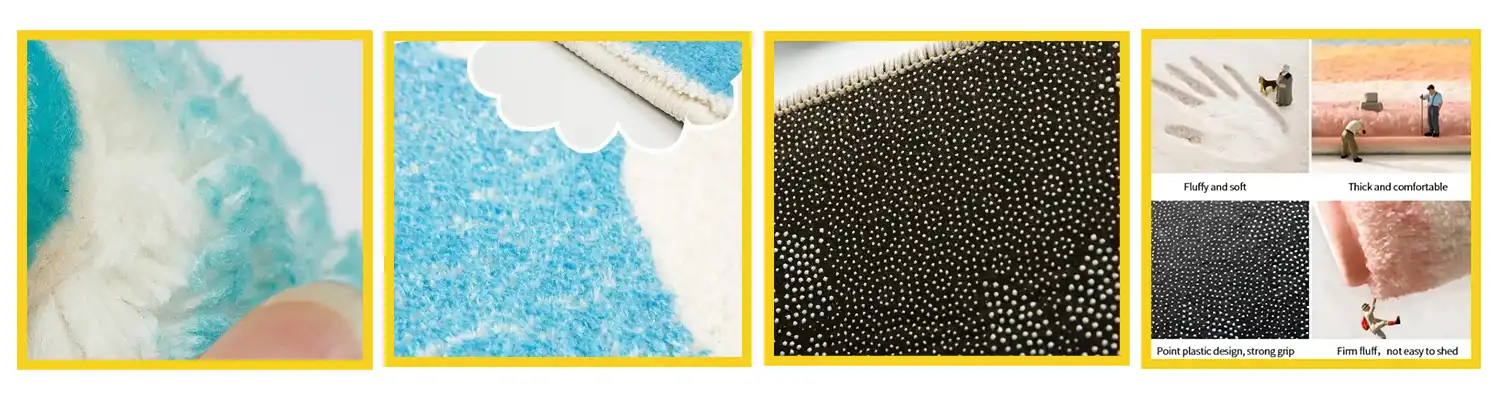
We do a lot of work with fine faux cashmere surfaces that look and feel like wool but don't cost nearly as much. This new synthetic material has pile heights of 0.25 to 0.5 inches and densities of more than 2000 ounces per cubic yard. These are the right specs to make sure that furniture won't crush the material while keeping prices low. The TPR thermoplastic rubber backing has a high friction coefficient that keeps the carpet from moving on tile or hardwood floors. This means that you don't need to buy extra rug pads, which add to the cost of the job.
Durability and Maintenance Considerations
Martindale test cycles are used to measure wear resistance in places with a lot of foot traffic. Solution-dyed fibers are very good at resisting stains and keeping their color, which are important qualities for areas that are used for more than one thing, like living and eating rooms. Machine-woven construction with edge locking stops thread shedding even after years of use, so you don't have to replace it as often and save money in the long run. This is a big selling point for the budget-conscious customers your store platforms serve.
Color and Pattern Strategy
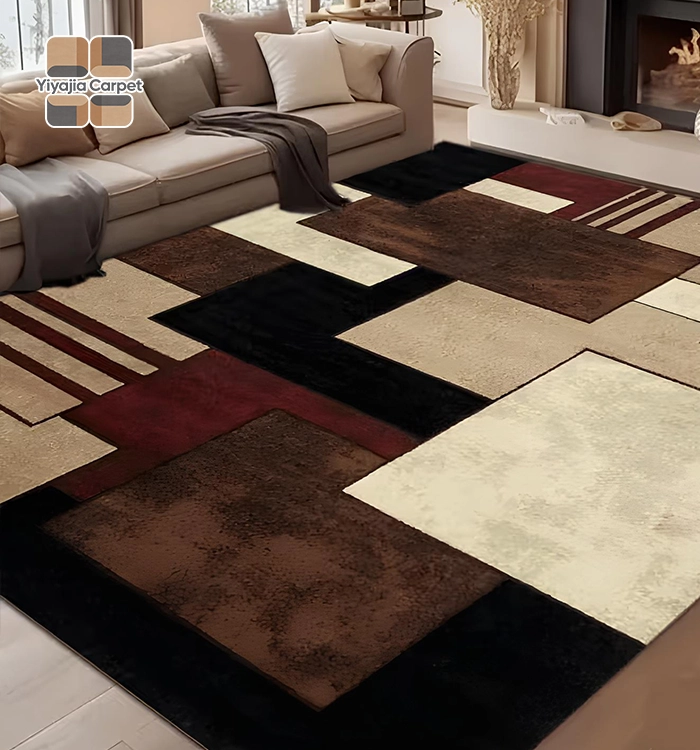
Light to medium tones, like creams, soft grays, and warm brown, reflect light and make rooms feel bigger. But solid light colors show dirt fast where there is a lot of foot traffic. Heathered patterns and small geometric shapes are a good compromise because they hide everyday wear while still being bright. This balance helps stores cut down on returns while still meeting customers' aesthetic needs. It also makes it easier to handle goods and raises profits.
Top Affordable Carpet Types and Materials for Small Living Rooms
Knowing the types of materials and how they work helps you make smart buying choices for every small living room carpet that meets the needs and price points of your target market.
Synthetic Fiber Innovations
Modern synthetic choices are the most popular in the cheap market thanks to improvements in technology that make them as good as natural materials. Blends of polypropylene and polyester don't absorb water and are easy to clean, which are qualities that pet-friendly homes really value. Solution coloring can be used on these fibers, which embeds color molecules during production instead of applying them on the surface. This makes the colors last forever and protects them from harsh cleaning chemicals without breaking down. These materials are usually 30–40% cheaper in bulk than similar wool products, which makes them a good deal for distributors who work on a volume-based plan.
Faux Cashmere Surface Technology
We use fine faux cashmere in our production, which has the softness of real fibers but is much more durable. This surface treatment gives a sense of physical luxury that appeals to middle-class people who want high-end looks without breaking the bank. The material can be printed on with heat transfer printing, which can support any pattern complexity, from simple flowers to modern abstract designs. This means that stores can make as many changes as they want to their products to make them stand out in a crowded market.
TPR Backing Systems
When compared to standard latex options, thermoplastic rubber backing is a big step forward. When the temperature changes, TPR stays flexible. It also doesn't release volatile organic compounds, so it meets strict indoor air quality standards. Finally, it links firmly to surface fibers, which stops delamination, a common failure mode that can lead to buckling and falling dangers. This backing technology passed strict tests, such as the ASTM D3936 delamination strength standards. This means that the structure will stay strong even if rugs are rolled up and down a lot during shipping and handling.
Customization and MOQ Considerations
The production process is flexible, so you can change the size, color, and add your own logo. You can place an order for as few as 50 pieces to see differences in size and color, and your logo can be added within 7 days. Because the limit is so low, smaller stores and new online brands can make their own product lines without having to spend a lot of money. A daily production capacity of up to 2000 square meters provides stable supply chains that support repeat purchase cycles. This addresses the main worries that procurement managers have about supplier stability.
Comparative Market Intelligence
Buyers should compare not only unit prices but also total landed costs, which include shipping handling, help with customs paperwork, and quality control routines, when looking at different suppliers. Manufacturers with CE, ROHS, OEKO-TEX, and ISO 9001 certifications have shown they are committed to consistent quality standards. These standards make inspections easier and reduce the risk of rejects at receiving docks, which directly affects how much money distribution networks make.
Maintaining and Installing Carpets in Small Living Rooms
Using the right installation methods and maintenance schedules for your small living room carpet can make a product last longer and look better for longer, which has a direct effect on customer happiness and company image.
Installation Best Practices for Confined Spaces
Installing things in small rooms is different from installing things in large rooms. Professional fitters say that rugs should be exposed to room temperature and humidity for 24 hours before they are finally put down. This keeps them from buckling after installation. When you don't have a lot of room to move around furniture, strategically placing a carpet is very important. To create a balanced visual flow, place the carpet in the middle of the main sitting groups while leaving enough floor space around the sides.
Maintenance Schedules Matched to Usage Intensity
Soil builds up faster in small living rooms where people move around a lot. We suggest cleaning two to three times a week with HEPA-filter equipment that collects fine particles without moving allergens into smaller air spaces. Spot cleaning with pH-neutral solutions right after a spill stops stains from setting in. This is especially important for light-colored patterns that are common in small spaces. Every 12 to 18 months, you should deep clean using hot water extraction to get rid of the trapped grit that damages fibers.
Leveraging Supplier Support Services
Quality makers give detailed instructions on how to put their products and how to keep them in good shape, which helps keep customers happy. After the sale, we promise to quickly address any quality concerns. If there are any problems with the printing, cutting, or size, we will either fix them for free or replace them, and we will cover the costs of shipping. This way, big buyers don't have to worry about any financial risks. Long-term customers are given dedicated business liaisons who make sure that production schedules work well for repeat orders. This keeps the supply going and avoids inventory gaps during busy sale times.
Strategic Layering Techniques
Putting smaller accent rugs on top of bigger, neutral base carpets in very small rooms makes the area look more interesting and gives you design options without making a permanent commitment. This method lets you change the decor with the seasons and protects areas that get the most use, like the front of sofas. This extends the life of the main carpet and gives stores more chances to sell other products to customers they already have.
Conclusion
Affordable rugs made for small living areas are a growing market segment, thanks to more people moving to cities and changing tastes in home decor. Cost-effectiveness and quality standards must be balanced in good procurement strategies to make sure that each small living room carpet meets current aesthetic standards and lasts in tough, high-traffic areas. Fine faux cashmere surfaces paired with TPR backing systems, along with flexible customization options and strict quality certifications, make these products very appealing to dealers, stores, and e-commerce platforms that serve customers from all over the world. Strategic relationships with suppliers that focus on consistent quality, quick response to customer service, and reliable shipping can turn buying carpet from a transactional activity into a competitive edge that helps your business gain market share in this fast-changing category.
FAQ
What dimensions work best for compact residential spaces?
The right carpet size depends on the size of the room. For rooms that are about 150 square feet, 5x7 or 6x9 foot rugs usually work best. This is because the front legs of the furniture should rest on the carpet, while the back legs should stay off. This creates visual grounding without making the room look too big. Larger, more cramped rooms up to 250 square feet can fit 8x10s. Precise measures that leave 12 to 18 inches of floor showing around the edges improve the sense of space.
How do synthetic options compare to natural fibers for bulk purchasing?
Synthetic materials, such as polyester and faux cashmere, are 30–40% cheaper than wool and are better at keeping their color and not getting stained. Natural fibers are the most durable and luxuriously textured, but they cost more to maintain. When it comes to price-sensitive retail outlets, synthetics offer better profit opportunities while still meeting the performance standards of most consumers. This makes them the best choice for models that depend on volume.
What certifications matter most for cross-border trade?
CE certification makes sure that products can be sold in the EU, and ROHS certification makes sure that dangerous drug limits are followed. OEKO-TEX approval proves that textiles are safe and don't harm the environment for any small living room carpet imported. Health-conscious customers are demanding this more and more. ISO 9001 shows organized quality control, which makes it easier for importers to do inspections. These licenses make it easier to get goods through customs and lower the risk of not following the rules in major areas like North America, Europe, and the Middle East.
Partner with Yiyajia Carpet for Reliable Small Living Room Carpet Supply
Purchasing managers and wholesalers looking for reliable partnerships will find complete solutions that are made to meet the needs of big buyers. Yiyajia Carpet uses advanced heat transfer printing and precise laser cutting technologies along with strict full-process quality control to make sure that all of their goods meet international safety and environmental standards. Our daily production capacity of 2,000 square meters supports stable supply lines for companies that need to buy things all the time.
At the same time, our adjustable MOQ thresholds—just 50 pieces for size and color customization—allow new brands to make their own collections. As a well-known company that makes small living room carpet products, we offer full export paperwork, professional help with customs, and committed after-sales service to make sure that everything goes smoothly throughout your supply chain. Email our team at sale@yyj-carpet.com to get samples, talk about bulk prices, or look into OEM and ODM customization options that will help your products stand out in crowded markets.
References
1. Textile Research Journal, "Performance Characteristics of Synthetic Fiber Floor Coverings in Residential Applications," Vol. 89, 2021.
2. Interior Design Standards Manual, "Spatial Optimization Techniques for Compact Urban Living Environments," Professional Publications, 2020.
3. International Carpet and Rug Institute, "Quality Standards and Testing Protocols for Residential Carpets," Technical Bulletin Series, 2022.
4. Journal of Cleaner Production, "Environmental Certifications and Consumer Purchasing Decisions in Home Textile Markets," Vol. 312, 2021.
5. Building Materials and Construction Industry Report, "Market Analysis of Affordable Flooring Solutions in North American Residential Sectors," 2023.
6. Textile Manufacturing Technology Quarterly, "Innovations in Thermoplastic Rubber Backing Systems for Area Rugs," Vol. 15, Issue 3, 2022.