_1774494554973.webp)
The Benefits of Placemats & How to Choose the Right Table Mats?
May 26, 2026


Businesses with busy dining rooms can measure placemat value. High-tech cool place mats consisting of PU leather, silicone, and woven vinyl protect surfaces from heat, moisture, and scratches while promoting brand identification. Instead of many washings, modern table mats are waterproof and easy to clean with a wet towel. Dining prices might drop 40%. They preserve pricey table surfaces and enable you modify patterns to add your name without being noticeable. Because companies spend less on upkeep and clients enjoy better experiences, restaurants, hotels, and other businesses get a rapid return.
Understanding the Benefits of Placemats for Businesses and Buyers
Hotel and corporate buying managers' major issues are solved by high-quality table mats. Hot food scratches demand costly refinishing. A single marble tabletop repair costs $300–$800 in the U.S. Heat barriers like waterproof placemats prevent this.
Cost Reduction Through Operational Efficiency
Washing traditional cotton bedding frequently takes time, water, and soap. Commercial washing cycles cost $0.75–$1.25 per garment, including power and staff labor. Contemporary table security eliminates these continuing expenditures. Staff can clean surfaces in seconds with ordinary disinfectants thanks to the anti-stain treatment. This makes moving tables during busy periods easy. Buy sturdy coasters in quantity to save money immediately. A medium-sized 80-seat restaurant needs 120 mats to keep the mats moving throughout service. Buying high-quality materials that last three to five years is cheaper than replacing textile mats, which break down in 18 to 24 months under business use.
Brand Enhancement and Guest Experience
Visual design affects client satisfaction and return. Custom-printed placemats with names, holidays, or themes enhance brand messages at every table. Labelled tables make customers 23% more likely to recall a brand, according to a hospitality industry survey. The physical sensation matters too. Premium leather-textured surfaces with high-density structures feel sumptuous in customers' hands, improving service without boosting menu pricing. This psychological influence boosts consumer satisfaction and site reviews.
Types of Cool Place Mats and Their Applications
The materials used in diverse corporate contexts affect performance. By understanding these variations, procurement staff may pick products that suit operational and aesthetic demands.
Premium Leather Variants for Upscale Environments
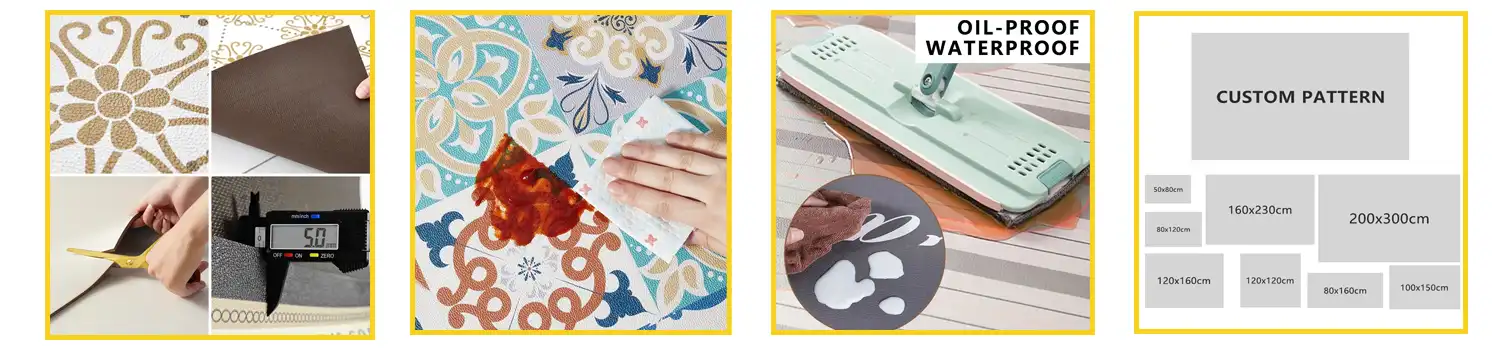
Leather cool place mats are durable and attractive. PU leather that looks natural and is 100% waterproof is vital for fine dining restaurants that offer wine and sauces. Because the 1mm thickness profile is streamlined without bulking up table settings, all dining room rooms have unobstructed vistas. These mats can withstand 80°C and protect lacquered and polished wood from thermal stress, leaving white rings. PVC anti-slip backing prevents plate from shifting during usage, preventing spills or breaks. After thousands of wipe-down rounds, precision laser cutting keeps the sides clean and fray-free. This keeps them looking professional while in use.
Woven Vinyl Solutions for High-Traffic Venues
Cafeterias and informal dining establishments benefit from 70% PVC and 30% high-strength polyester woven vinyl. This design resists wear and tear even when used daily and reduces plate noise by 15 decibels compared to standard table tops. Uv-stabilized materials don't fade or crack when exposed to light, making them ideal for outdoor dining. The micro-woven texture allows air circulate yet gathers crumbs and delays liquid spills, allowing staff time to intervene.
Silicone Options for Extreme Temperature Applications
Hot meals from the oven or stove can be placed on food-grade silicone mats that can withstand 230°C. Buffets and exciting dining concepts with hot plates require this thermal safety. Due of its flexibility, silicone may be washed in a dishwasher without breaking. This simplifies commercial kitchen cleaning. Material selection increasingly considers environmental impact. Environmentally conscious brands like recycled PET (rPET). They satisfy performance criteria and support CSR activities that environmentally conscious customers would enjoy, making them beneficial for the environment.
How to Choose the Right Placemat: A Decision Support Framework
Structured assessment is needed to balance several goals while making buying decisions. The F-1 criterion screening method organizes specification creation.
Defining Use Case Parameters
Start by listing operational requirements. Cleaning products containing quaternary ammonium compounds must withstand commercial kitchen chemicals. In conference centers, coffee and pen stains are normal. In hotel breakfast rooms, where tables are quickly switched over, surfaces must dry rapidly. Different stressors impact material choice in different situations. Thermal resistance requirements depend on temperature exposure. Standard plate temperatures seldom exceed 65°C, allowing more material choices. Restaurants that serve bibimbap in stone bowls or fajitas in cast-iron skillets must utilize products above 200°C to avoid melting or distorting.
Comparative Analysis Methodology
Traditional tablecloths cover the entire space but stain readily and require professional washing. Individual coverings like cool place mats protect particular areas and simplify cleaning while revealing attractive table tops. Paper disposables make cleaning easier but cost more and harm the environment. Technical parameters show quality differences. Weight per square meter shows density disparities.
High-end items typically weigh 900-1000g/m², indicating durability and longevity for corporate use. Lighter materials under 600g/m² exhibit rapid wear patterns, such as curling edges and cracked surfaces. Fire defense ratings affect corporate law. EN 13501-compliant products fulfill European fire safety requirements. Products in the US should meet NFPA 701 flame propagation regulations. When selecting fire-resistant furniture, verify certificates since insurance companies typically want evidence.
Supplier Reliability Assessment
Long-term buying success depends on suppliers that keep their promises. Check the factory's repeat order fulfillment to avoid delays. Ask about quality control; dependable suppliers verify before shipping instead of randomly sampling, which lets defective items in. Your certification portfolio shows your dedication to quality. Textiles without harmful chemicals are OEKO-TEX-approved. ISO 9001 demonstrates planned quality management.
REACH compliance is required to enter the European market and ensure chemical conformity. Certified vendors normally produce better than uncertified ones. A company's customisation level indicates if it can match your branding demands. OEM services let you choose where to place your name and bespoke patterns. ODMs let you pick from current style catalogs and modify colors and sizes. Early clarification of these abilities helps prevent order placement miscommunications.
Maintenance and Care: How to Clean and Prolong the Life of Cool Place Mats
By extending the product's lifespan and maintaining its appearance, proper maintenance can minimize ownership costs.
Daily Cleaning Procedures by Material Type
Leather and PU should be carefully cleaned with pH-neutral solutions and moist cotton towels. Strong alkaline degreasers harm surfaces. After washing, air-dry it for 30 seconds to prevent dampness. It's waterproof, so liquids bead on it instead of soaking in, making cleanup easier. Diluted bleach can aggressively clean woven vinyl products for sanitization. Soft-bristle brushes remove food pieces from weave structures without damaging fibers. Rinse well to avoid cleaning chemical dust that sticks and collects dirt. Silicone mats are the most flexible for cleaning since they can withstand washing cycles and high disinfection temperatures. Like plates and glasses, they may be rotated in a professional dish machine to speed up closing.
Storage and Handling Best Practices
Flat storage of a waterproof placemat prevents garments from twisting and wrinkling, making them seem worse. Commercial spaces should have shelf space for mats to be straight instead of curled up, which screws up memory. Use cores with a diameter of at least 15 cm and prevent tight compression while rolling anything. Temperature-controlled storage environments prevent damage. Extreme heat moves plasticizers in PVC-based products, making them sticky. Leather cracks more at freezing conditions due to reduced flexibility. Store items between 15°C and 25°C to prolong life. Rotating items ensures that all mat sets wear equally. By numbering sets and implementing rotation plans, you may prevent reusing pieces and extend the life of significant purchases.
Sourcing and Procurement: Where and How to Buy Cool Placemats in Bulk?
To execute strategic sourcing, you must understand how global supply chains, price systems, and logistics effect delivery costs.
Evaluating Manufacturing Partners
You skip intermediaries and get customisation when you deal directly with a producer. Yiyajia Carpet creates unique solutions with advanced heat transfer printing and laser cutting, like this model. Their factory follows CE, OEKO-TEX, ISO 9001, REACH, and RoHS regulations, so they can export worldwide.
Negotiating Commercial Terms
Production capacities determine order fulfillment reliability. Multiple manufacturing lines allow manufacturers to handle massive projects and urgent replenishment. Compare first-order and reorder wait times. Standard manufacturing runs ship in 5–7 business days, while unusual designs require 15–20 days for tooling and setup. Minimum order quantities (MOQ) greatly impact unit price. Depending on customisation complexity, MOQs are 500–2000 pcs. Sales exceeding 5000 units receive 15–25% lower base prices through tiered pricing. Long-term agreements that guarantee a set amount of commodities each year lead to concessions.
Payment structures balance buyer cash flow with supplier risk control. The normal payment arrangements are 30% deposit upon order confirmation and 70% before shipment. After numerous successful transactions, business partners might consider net-30 or net-60 conditions. Shipping techniques can impact cost and delivery time. Sea freight costs $0.08–$0.15 per kilogram in the U.S. Delivery to the West Coast takes 25–35 days. Air shipping takes 5–7 days but costs $2.50–4.00 per kilogram. Procurement managers must compare delayed product availability against delivery costs to determine the break-even point.
Quality Verification Procedures
Third-party checking firms verify packages before shipping. SGS, Bureau Veritas, and Intertek on-site inspections verify product standards, quantities, and package quality. This $300–$500 investment prevents you from buying unnecessary items that would be costly to return or discard. Request packing details such carton size, item count, and weight.
You can precisely calculate freight costs and organize your warehouse with this knowledge. Export-standard water-resistant packaging protects products during ocean passage and wet port storage. Countries have distinct paperwork requirements. Goods entering the U.S. need business papers, packing lists, and bills of lading. For improved EU tariff processing, exports need EUR.1 certifications. Government-legalized certificates of origin are required in several Middle Eastern markets. Making paperwork requirements explicit helps reduce customs delays.
Conclusion
Strategic purchase of cool place mats balances protection, style, and affordability. Modern waterproof, heat-resistant, and easy-to-clean fabrics offer clear surfaces that outperform older textiles. Instead of unit pricing, procurement staff should evaluate a supplier's production abilities, certifications, and flexibility. Structured selection approaches like F-1 criteria ensure requirements meet real-world application scenarios. With proper maintenance, your product will last longer, offering you a higher return on your investment and retaining its beautiful looks for years of commercial usage.
FAQ
Q1: What temperature can premium leather placemats withstand safely?
A: Up to 80°C, leather plates with PVC backing don't deform or transfer heat. Normal restaurant plate temperatures rarely exceed 70°C, thus this recommendation works. Serving hot platters or cast-iron cookware requires silicone replacements certified to 230°C for thermal safety.
Q2: How do waterproof placemats compare to traditional tablecloths for maintenance costs?
A: Waterproof plates don't need washing, saving $0.75–$1.25 every cycle. A 100-seat restaurant that utilizes placemats instead of cloth sheets saves $15,000 to $20,000 a year on cleaning and moves tables 30% faster by making them simpler to wipe down.
Q3: Can placemats be customized with company logos for branding purposes?
A: Heat transfer printing allows any graphic design, logo location, and color option. Laser cutting can handle strange shapes and precise specifications. OEM services allow you full design control, while ODM lets you semi-customize recognized products. Both boost brand-building.
Q4: Which certifications should I verify when sourcing placemats internationally?
Important credentials include OEKO-TEX for chemical safety, ISO 9001 for quality management systems, REACH for EU chemical compliance, and EN 13501 for fire protection. These permits prove items comply with local laws, reducing firms' liability and danger of noncompliance.
Partner With Yiyajia Carpet for Premium Cool Place Mats Supply
Yiyajia Carpet uses cutting-edge technology and rigorous engineering to manufacture high-performance table protectors. 100% waterproof 1mm PU leather placemats. Their anti-slip PVC backing and colors won't fade after years of commercial use. You can apply logos, patterns, and distinctive pictures to anything with heat transfer technology. Laser cutting creates clean, unbreakable lines.
To meet worldwide markets, we maintain CE, OEKO-TEX, ISO 9001, REACH, and RoHS requirements. Flexible MOQs can handle project orders and supplier relationships. Before shipping, we verify every item for quality control, protecting your purchase. Export-standard packaging maximizes container utilization, lowering shipping costs.
Contact our purchasing specialists at sale@yyj-carpet.com to discuss customized possibilities. Whether you need samples to test, technical specs to assist you choose, or bulk prices for large purchases, our staff can help. Find out why top hospitality brands choose Yiyajia to produce cool place mats on schedule and in excellent quality.
References
1. Anderson, M. (2023). Commercial Table Protection: Material Science and Performance Standards. Hospitality Equipment Publications.
2. Chen, L. & Roberts, K. (2024). Sustainable Procurement Strategies for Food Service Operations. International Journal of Hospitality Management, 98, 145-159.
3. European Committee for Standardization. (2022). EN 13501: Fire Classification of Construction Products and Building Elements. CEN Publishing.
4. Johnson, P. (2023). Cost Analysis of Textile vs. Synthetic Table Linens in Restaurant Operations. Food Service Research Quarterly, 41(3), 287-304.
5. Martinez, S. (2024). Brand Touchpoints in Hospitality: Visual Merchandising Impact on Guest Experience. Cornell Hospitality Review, 15(1), 22-37.
6. Williams, T. & Zhang, H. (2023). Advanced Materials in Commercial Interior Design: Performance and Aesthetics. Journal of Applied Textile Research, 56(4), 412-428.