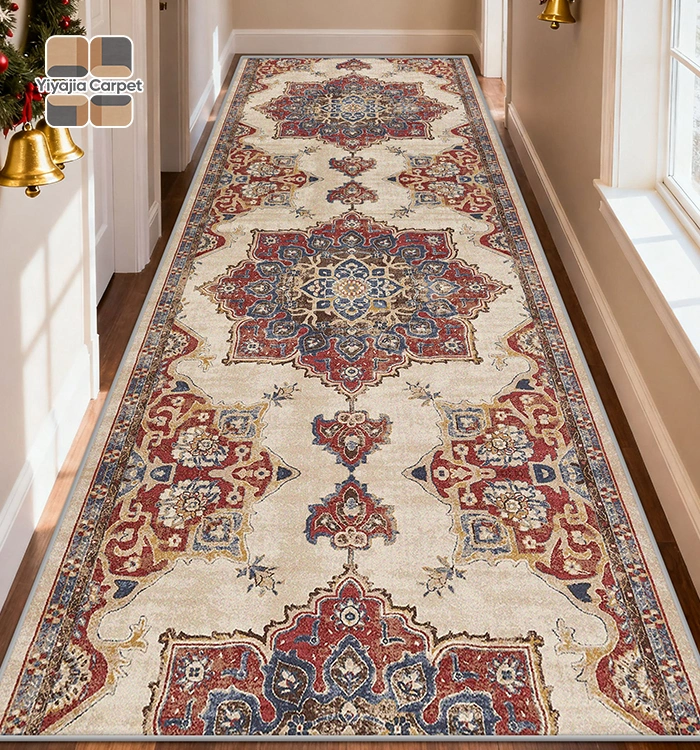
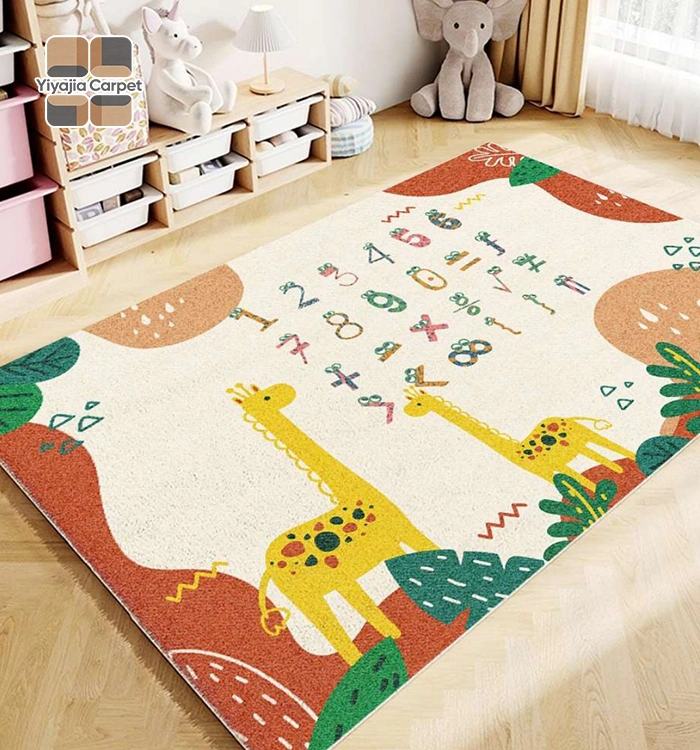
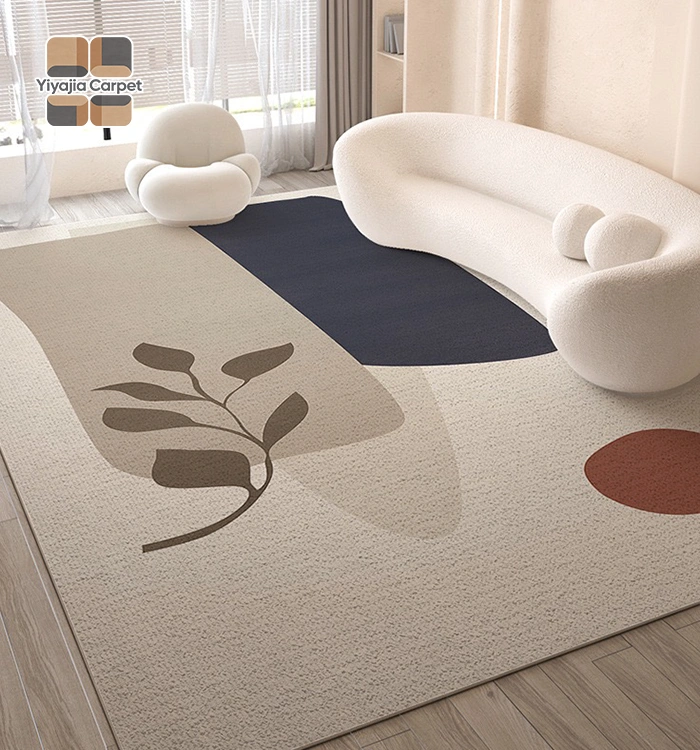
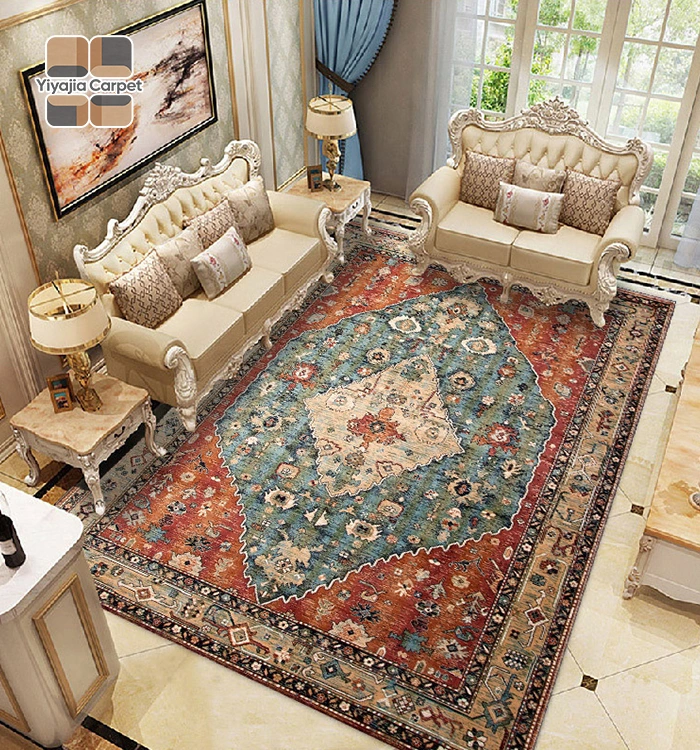
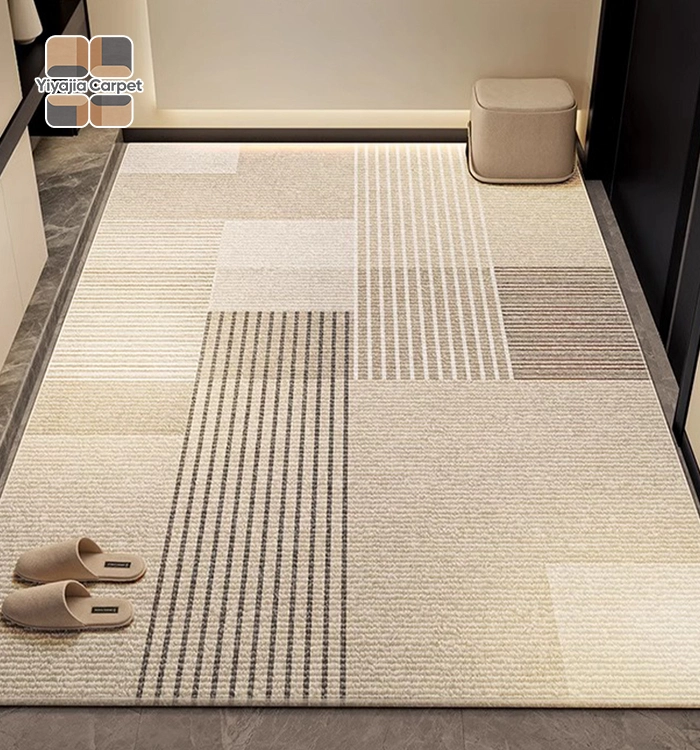
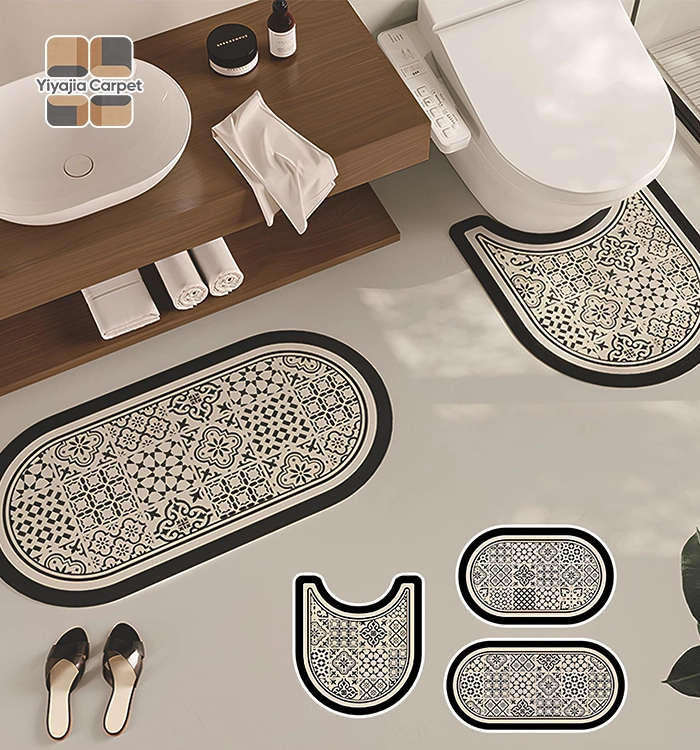
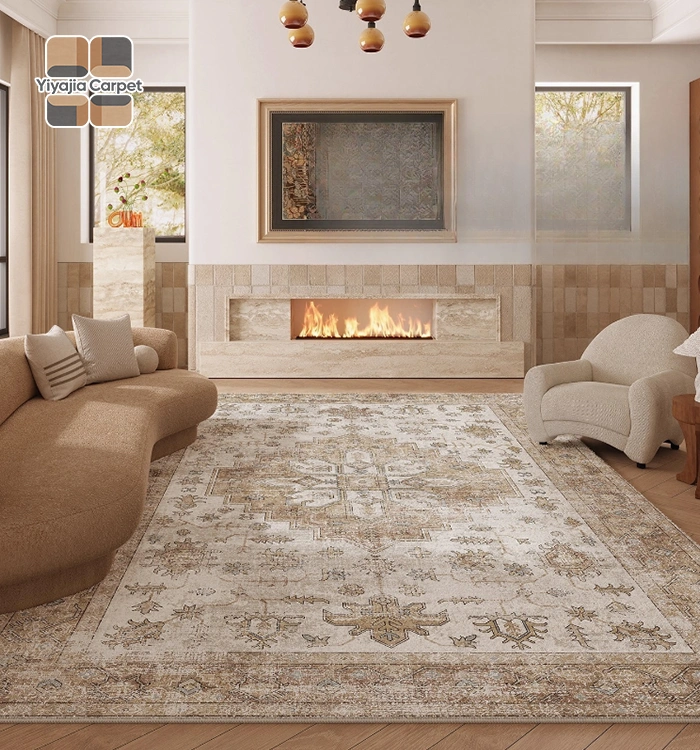
_1774494554973.webp)
Reviews of plush bedroom carpeting for a cozy feel
May 27, 2026


When considering flooring solutions for intimate residential or hospitality spaces, plush bedroom carpeting stands out as a premium choice that balances tactile comfort with functional performance. Drawing from industry feedback and procurement data across wholesalers, hotel developers, and e-commerce retailers, the consensus highlights that plush carpets deliver unmatched softness underfoot while addressing critical concerns like acoustic dampening and thermal insulation. This review consolidates insights from purchasing managers and project teams who prioritize consistent quality, competitive pricing, and reliable supplier partnerships when sourcing soft flooring solutions for diverse environments.
Introducing Plush Bedroom Carpeting: Key Features and Benefits
Defining Plush Carpeting Characteristics
The thick, cut-pile construction of plush bedroom carpeting means that each yarn tuft is sheared to the same height, giving the surface a smooth, velvety feel. Plush carpet strands stand upright, unlike looped types like Berber. This gives the carpet a luxurious feel that works well in high-end homes and small hotels. Some modern plush choices, like those made from fine fake cashmere with a TPR thermoplastic rubber backing, look nice and last a long time. The material's makeup and machine-woven locking methods keep the edges stable and stop threads from coming out even after long use.
Core Advantages for Bedroom Environments
Putting in soft, plush flooring in bedrooms has a number of measured benefits that procurement workers who handle large orders can relate to. Better ground comfort lowers joint stress when moving around first thing in the morning. This is especially important in high-end master rooms and senior living communities. Better thermal insulation, measured by higher R-values, keeps heat from escaping through subfloors, which lowers the need for HVAC systems in buildings with more than one floor. Impact Insulation Class (IIC) ratings show how well acoustic dampening works. These ratings show how much walking noise is transmitted between floors, which is a very important feature for developers and hotel owners of high-rise buildings in cities.
Plush rugs do more than just look good; they also filter the air by catching particles in the air until they can be vacuumed up. Products with the CRI Green Label Plus certification don't give off many volatile organic compounds (VOCs), which is good for health-conscious buyers who are worried about home air quality. This safety for the environment, along with the CE/ROHS certifications found in current faux cashmere choices, makes sure that baby-safe installations are ready to be moved into right away without any off-gassing delays.
Addressing Allergy and Maintenance Concerns
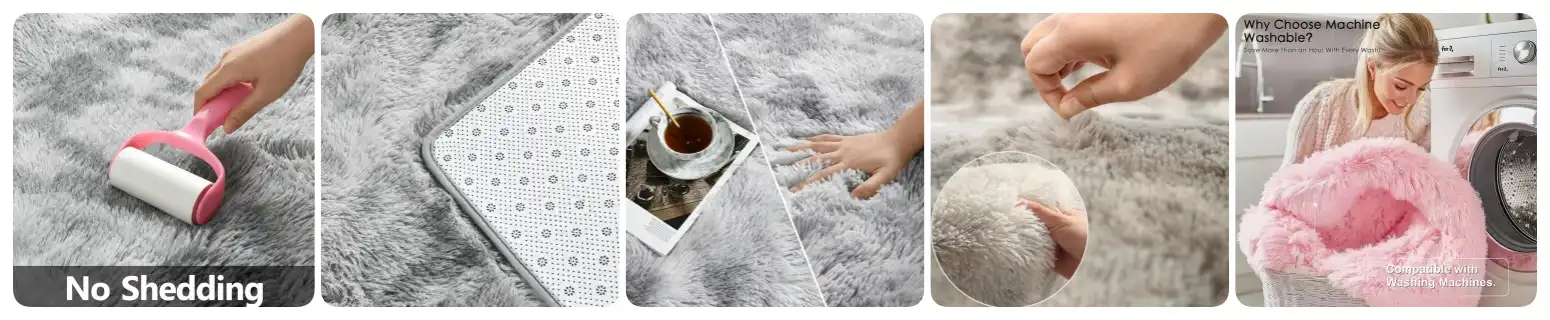
Purchasing teams often wonder how well soft flooring keeps allergens in. According to research from textile health groups, well-kept rugs trap dust particles below the breathing zones, while allergens move around on hard surfaces. If you choose continuous filament fibers over staple yarns, you won't have to worry about shedding after installation, which is a regular problem with wool mixes. Weekly sweeping with HEPA-filtered systems and a professional steam cleaning once a year are still the best ways to keep things in good shape without having to pay extra for extra workers.
Plush Bedroom Carpeting vs. Other Flooring Options: An In-Depth Comparison
Comfort and Cost-Efficiency Analysis
There are clear trade-offs between soft rugs and hardwood floors. Hardwood floors last longer than 30 years, but the cost of the materials and installation is 40 to 60 percent higher than for mid-range carpet systems. Plush bedroom carpeting provides instant warmth and comfort that hard surfaces can't match, so you don't need extra area rugs in bedrooms. Laminate flooring is a cheaper option, but it doesn't have the soundproofing qualities needed to meet multi-family living code requirements.
In terms of softness, plush carpet is better than Berber loops, but it needs more regular upkeep to keep from getting crushed in high-traffic routes. Carpets from Saxony, which have twisted threads, are just as luxurious but don't show footprints as much. Cut-and-loop patterns add visual texture that works well for business hospitality, but they don't have the constant smoothness that makes plush look nice.
Environmental Footprint Considerations
Buyers who care about the environment are looking more closely at where fibers come from and how they are treated. Plush rugs made from recycled polyester (PET) from used bottles reduce the amount of trash that ends up in landfills while still being stain-resistant. Advanced stain-guard technologies that use molecular-level treatments instead of top-coats remove the need to reapply, which means that chemical upkeep is not needed to extend the service life. OEKO-TEX-certified options ensure that non-toxic dye processes are used throughout the entire production chain. These options meet strict European environmental standards that are in line with global ESG buying requirements.
How to Choose the Best Plush Bedroom Carpeting for Your Project?
Implementing F-1 Criteria Screening
To successfully buy in bulk, you need to do more than just look at the items. The F-1 screening method looks at five main factors: the quality of the fibers, the face weight density, the integrity of the backing, the guarantee terms, and the track record of the provider. Choosing between nylon 6,6 and triexta (PTT) fibers affects how well they heal from being crushed and how long they last. Nylon has better molecular memory for high-traffic situations, while triexta is perfect for family home projects because it doesn't stain easily. When the face weight density is above 50 ounces per square yard, it means that the fabric is commercial-grade and can handle moving suitcase loads in hotel rooms for any bedroom carpeting installation.
Backing methods need to be looked at carefully. Products with a strengthened secondary backing and moisture barriers stop delamination in humid areas, which is a common failure point that wholesalers of subtropical market products report. A warranty that lasts 10 to 15 years for home use shows that the maker is confident in their product. However, buying managers should check to see if there are any exclusions for pile reversal shading, which is a normal optical effect that happens with plush textures and is not a flaw.
Supplier Reputation and Service Value
Partnering with well-known sellers who offer flexible minimum order numbers (MOQs) for bedroom carpeting lowers the risk of losing money during the testing phase. Small to medium-sized businesses can test the market without spending too much money by using operations that can customize sizes, colors, and logos for orders as low as 50 pieces. Heat transfer and laser cutting technologies help make sample return times as fast as 24 to 48 hours. This speeds up the decision-making process. Suppliers whose daily production abilities are more than 2,000 square meters show that they can be scaled up for repeat purchases. This meets the main need of trading companies and exporters for stable supply chains.
Installation and Maintenance Guide for Plush Bedroom Carpeting
Professional Installation Best Practices
Preparing the ground correctly is the first step to getting the best performance from your bedroom carpeting. To keep glue from failing, concrete surfaces need to be tested for moisture levels below 3 pounds per 1,000 square feet per 24 hours. Under L/360 guidelines, wood subfloors need to be inspected for displacement limits. Adding the right padding, which is usually 8-pound density urethane foam that is 7/16-inch thick, makes carpet last longer by reducing contact stress and making the floor more comfortable to walk on. Stretch-in methods work well for home use, while straight glue-down methods meet fire safety standards for businesses.
Long-Term Care Protocols
To keep smooth softness, you need to do regular care routines that are based on how much you use it. Hospitality areas with a lot of foot traffic should be vacuumed every day with beating bars that can be adjusted to protect the fibers. After deep cleaning, carpet protectants should be used every three months to make the fibers less likely to damage. Putting furniture on protected mats spreads out the weight and stops compression marks from showing up. Using blotting methods instead of rubbing to clean up spills within 30 minutes protects the pile's structure. When these rules are written down and followed by building management teams, they protect the investment in both looks and functionality over the life of the project.
Real-World Case Studies and User Reviews of Plush Bedroom Carpeting
Hospitality Sector Success
A small hotel company with 15 locations in the Southwest US replaced the wooden floors in 320 guest rooms with handmade bedroom carpeting. After the installation, polls showed that guests were 23% happier with their room comfort, which was directly linked to the warmer rooms and lower noise levels. The purchasing director said that negotiating bulk price with a source that offered volume savings cut the cost of flooring for each room by 18% compared to the first quotes for hardwood, while still meeting ASTM E648 Class I fire ratings.
Luxury Residential Applications
The builders of a 200-unit condo tower chose soft rugs to make the higher-end units stand out. People who lived there were very happy with the thermal insulation during the winter, which was matched by a noticeable drop in the use of extra warmth. The project manager brought up the supplier's promise to deliver logo-customized items in seven days, which fit with tight building schedules and didn't cost extra for being late.
Distributor Procurement Insights
A well-known floor covering wholesaler in the Mid-Atlantic region said that switching to a source with strict quality control measures fixed problems with dye lots that weren't matching up, which was a problem that was causing customers to send back products. Because CE-certified, odor-free goods were available, they could be put on display right away in stores without having to wait for airing times. This sped up the turnover of inventory. Responding quickly to warranty service requests, such as offering free rework for rare production flaws, built trust with customers and led to return business.
Conclusion
Plush bedroom carpeting is a smart choice for flooring for procurement workers who need to balance comfort, soundproofing, and cost-effectiveness for both home and business projects. Advanced fiber technologies, environmental certifications, and source freedom all work together to solve some of the biggest problems in the industry, such as inconsistent quality, unreliable delivery, and the ability to customize and scale up. Partnering with makers that offer clear quality assurance and quick after-sales support lowers sourcing risks and raises end-user happiness, as shown by hotel case studies and dealer reviews. Using structured criteria screening to evaluate providers makes sure that they meet the performance needs of the project and that the supply chain will be stable in the long run.
FAQ
What causes plush carpeting to show footprints or shading patterns?
This visual effect is called pile reversal shading, and it happens when carpet fibers reflect light in different ways because of changes in direction caused by foot traffic or wind. It's a normal feature of thick soft textures, not a mistake in the way they were made. Higher pile densities and twisted fiber constructions make it harder to see in bedroom carpeting, but in soft types, it's still physically impossible to get rid of it completely.
Can plush carpets be installed over existing flooring substrates?
It is possible to install over hard surfaces that are already there as long as the base stays level within a 3/16-inch range over 10 feet. When choosing padding, you need to think about how high the floors are all together, especially around openings and changes. When placing over concrete or in places below grade, moisture barriers are needed to keep mildew from growing.
How do I verify supplier quality before committing to bulk orders?
Asking for real models that match the final production specs lets you evaluate them visually and tactilely. Third-party approvals like OEKO-TEX, CE, and ISO 9001 can be used to back up claims of compliance. Reviewing case studies from similar projects and making sure of output capacity through building audits or video documentation are two ways to lower the risks of a relationship.
Partner with Yiyajia Carpet for Your Plush Bedroom Carpeting Needs
Yiyajia Carpet's full range of services should be considered by procurement professionals looking for a reliable bedroom carpeting seller with a history of customization and quick delivery. Our high-quality fake cashmere plush flooring has a TPR thermoplastic rubber backing that makes it stronger. It meets strict CE/ROHS standards and is safe for babies and doesn't smell. Our daily production capacity of up to 2,000 square meters and machine-woven edge locking that stops thread loss make it easy for us to handle both special orders and large orders.
Yiyajia's low MOQ threshold of just 50 pieces for custom size and color lets wholesalers and online sellers test market demand without taking on too much inventory risk. Logo integration services give within seven days, which helps with the start of branded products. You can email our team at sale@yyj-carpet.com to get free samples that meet the needs of your project.
References
1. Carpet and Rug Institute. (2021). Indoor Air Quality and Carpet: Understanding the Science. Dalton: CRI Publications.
2. Mehta, P. K., & Singh, R. (2019). Textile Flooring Systems: Engineering Comfort and Acoustic Performance. Journal of Building Acoustics, 26(3), 187-204.
3. Hospitality Design Magazine. (2022). Material Selections in Boutique Hotel Development: A Case Study Analysis. New York: Nielsen Business Media.
4. American Society for Testing and Materials. (2020). ASTM E648 Standard Test Method for Critical Radiant Flux of Floor-Covering Systems. West Conshohocken: ASTM International.
5. Green Building Council. (2021). Sustainable Flooring Materials: Lifecycle Assessment and Certification Standards. Washington: USGBC Press.
6. Williams, T. D. (2023). Commercial Carpet Procurement Strategies for Multi-Family Housing Developers. Facilities Management Quarterly, 18(2), 45-62.