_1774494554973.webp)
Imitation sisal carpet vs jute carpet: which is better?
May 26, 2026


Your practical aims will influence your choice of imitation sisal carpet or jute flooring. Imitation sisal carpet outperforms real jute in terms of performance consistency since it lasts longer, doesn't absorb moisture, and is easier to maintain. Imitation sisal carpet looks like plant-based fibers but doesn't become soiled by water, mildew, or break down. It is suitable for corporate projects, high-traffic areas, and hospitality situations where reliability and lifetime cost are more essential than biodegradability.
Understanding Imitation Sisal and Jute Carpets
Material Composition and Manufacturing Processes
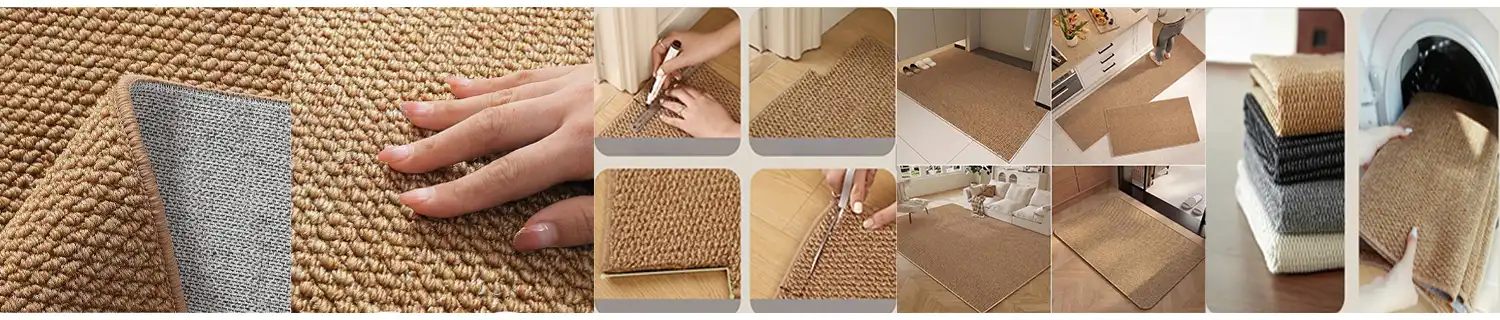
100% UV-stabilized polypropylene or nylon threads are woven into imitation sisal carpet to appear like Agave sisalana. To maintain shape, heavy-duty looms flat-weave synthetic yarns and add high-density backings like TPR, point plastic, or silicone strips. Natural fabrics expand as they absorb water, but our design keeps moisture absorption rates near to 0.01%. Jute carpets are made from biodegradable Corchorus plant fibers. Jute fibers are popular because they are eco-friendly and rustic. They absorb water quickly, causing buildings to bloat and shrink and mold to form in wet locations. Raw jute is spun into yarn and made into a carpet. A rubber or cotton backing is generally put last.
Distinctive Characteristics for B2B Procurement
Stress response is crucial while choosing business flooring. With EN 1307 Class 32–33 wear resistance, Blue Wool Scale Grade 7-8 lightfastness, and bleach-cleanable surfaces, imitation sisal carpet operates reliably. Replacements will last longer and cost less under these requirements. Eco-friendly companies and small hotels like jute because it's warm and soft. However, it retains water and may only be utilized in climate-controlled, low-traffic locations. Procurement teams must assess how great something looks against its practicalities, such as being rough on the feet, easy to stamp, and unable to withstand severe cleaning procedures in healthcare or food service situations.
Typical Commercial Applications
Used in most business. Different sorts of individuals utilize both floors. In hotel corridors, office lobbies, stores, and exhibition halls, where people walk, wheel baggage, and move stuff, imitation sisal carpet works nicely. It's waterproof and dries rapidly, making it suitable for sunrooms and covered walks. Jute rugs are perfect for low-traffic locations like bedrooms, executive offices, and boutique changing rooms, where environmental considerations trump performance. Real estate businesses use jute in model houses to promote sustainability, but long-term residents must maintain it.
Comparing Performance and Durability
Wear Resistance in High-Traffic Environments
Testing data demonstrates huge skill differences. Imitation sisal carpets will retain their form after 100,000 traffic cycles and Castor Chair testing. Synthetic fabrics don't wear down by rolling machinery, making it ideal for airport lobbies and conference facilities. Jute fibers reveal worn patterns after 12–18 months of moderate commercial use. Repeated rubbing tears down cellulose's structure. This causes frizz and fiber loss. Despite a smaller initial investment, hospitality clients claim they must replace jute items three times more often than synthetic ones, increasing lifetime expenses.
Moisture Damage and Environmental Resilience
This photo shows the biggest change. Imitation sisal carpet resists spills, humidity, and wet cleaning. Hydrophobic fibers may be washed rapidly without losing form or color since liquids don't soak in. Jute is sensitive to dampness, making it difficult to deal with. Fibers absorb water and expand the weave structure. This immediately stains dark. The surface retains watermarks after drying. Purchasing managers in coastal or high-humidity locations claim mildew grows within weeks of installation, requiring expensive repairs or replacement. Builders are increasingly rejecting jute regulations for ground-floor business rooms, where moisture penetration is a problem.
Backing Systems and Installation Stability
Modern imitation sisal carpets function better with engineered backings. Public safety is ensured by the mats' non-slip TPR backing. Point plastic backing reduces weight to 1-2 kg/m² while maintaining a 10-15 mm width, reducing shipping expenses for international customers. Installing over existing flooring without adhesive is straightforward with silicone strip backing. This reduces labor costs and speeds venue turnover. Most jute rugs contain rubber or cotton backing, making them heavier and less shapely than synthetic ones. Moisture-sensitive fibers and adhesives that don't perform properly during acclimation cause installation issues.
Environmental and Maintenance Considerations
Sustainability and Environmental Footprint
Jute is eco-friendly since it breaks down naturally and originates from green sources. Fibers decompose biologically when no longer needed, reducing landfill waste. Sustainability studies must consider the complete lifecycle. Shorter product lifetimes require additional production, shipping, and disposal, which may negate any initial environmental gains. Responsible suppliers are making more imitation sisal carpets with recycled polypropylene and solution-dying technologies that use 80% less water. Synthetic materials stay in landfills longer, while longer product lifespans—often over 10 years in business—use less resources. Certifications like OEKO-TEX Standard 100 ensure completed items are safe. This addresses synthetic material health concerns.
Maintenance Protocols and Operational Costs
Maintenance costs affect total cost of ownership. Imitation sisal carpet is stain-resistant, so standard home cleaners can remove stains. Healthcare and food service facilities need material that can be steam-cleaned, removed, and germ-killed with mild bleach. There are little particular handling demands other than sweeping and deep cleaning occasionally. Jute must be handled tenderly, which goes against commercial practice. Wet cleaning might cause permanent harm, so vacuum it dry and treat stains with pH-neutral chemicals. Professional cleaners charge extra for jute since the procedure takes longer and may harm the fibers. Hospitality procurement managers say jute flooring maintenance costs 40–60% more than synthetic choices. This diminishes the original price benefits.
Fire Safety and Compliance Standards
Compliance with regulations is crucial. Reputable imitation sisal carpets fulfill EN 13501 flame retardant certifications for commercial installations. Without additional chemical treatments, produced fibers may be made Class B or Class C fire-resistant. Jute fibers inherently resist fire. Even such treatments reduce fire risk, they typically include chemicals that make the material less stable. In regions with severe fire safety regulations, large commercial projects struggle to meet construction rules.
Cost, Availability, and Procurement Insights
Pricing Structures and Bulk Purchasing Advantages
Imitation sisal carpet costs $8–15 USD per square meter, depending on backing complexity, personalization, and order size. Tiered rates can lower unit expenses by 20–30% when you buy in bulk at MOQ levels of 500–1000 square meters. Due to the material's structural integrity, installation waste is low, and cutting rates are above 95% on conventional floor layouts. At first, $6 to $12 USD per square meter for jute looks excellent, but hidden costs mount up rapidly. Natural fibers are unpredictable, therefore 10-15% more material is needed to match colors and repair faults. Buying teams must replenish synthetic choices every 18–24 months instead of 5–7 years due to shorter replacement cycles. This raises long-term costs.
Supplier Landscapes and Quality Assurance
Trustworthy suppliers have certificates and quality control. The top imitation sisal carpet manufacturers utilize ISO 9001 quality control systems, inspect every item before shipping, and validate samples within 24 to 48 hours utilizing heat transfer and laser cutting technologies. Fast sampling reduces buyer risk and buying time. Jute supply chain agricultural sources vary in quality with the seasons and weather. Batch consistency issues hinder large projects that require constant color across orders. Procurement managers say harvest cycles fluctuate, making it challenging to acquire fresh material that fulfills criteria after 12–18 months.
Logistics and Delivery Optimization
Export packaging affects landing costs. Rolls that don't absorb moisture and boxes that enhance container loading speeds work well for imitation sisal carpets. Manufacturers optimize container utilization for space and cost. Professional aid with paperwork and customs declarations ensures quick passage, reducing port delays. Jute is sensitive to dampness, hence climate-controlled shipping is expensive and complicated. The material's bulk mass reduces container efficiency, raising freight costs. More foreign shipments are recalled due to moisture damage. Ocean freight routes that sail slower are notably affected.
Customization Services and OEM Capabilities
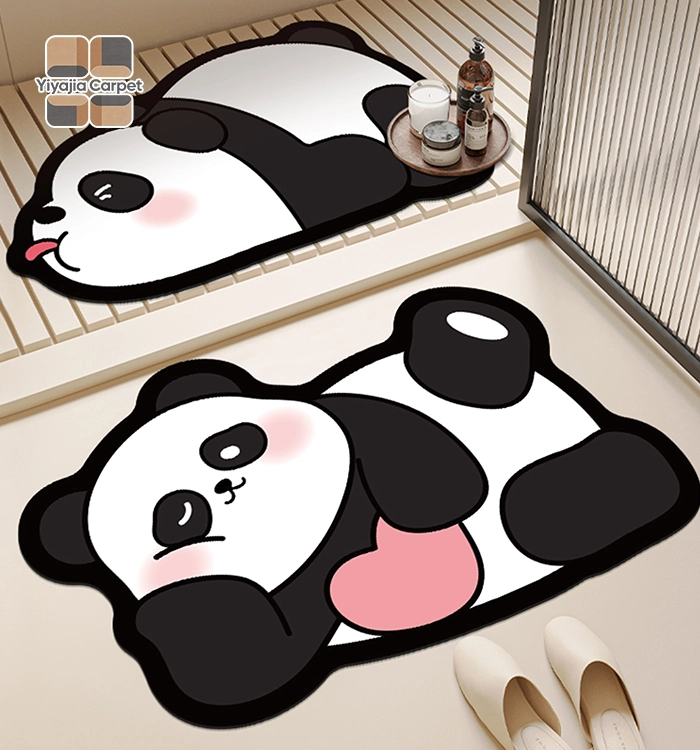
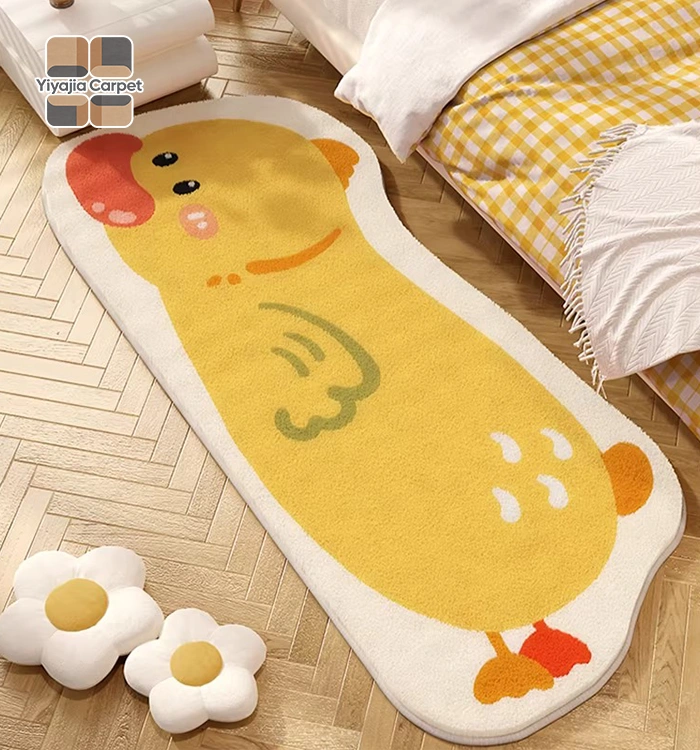
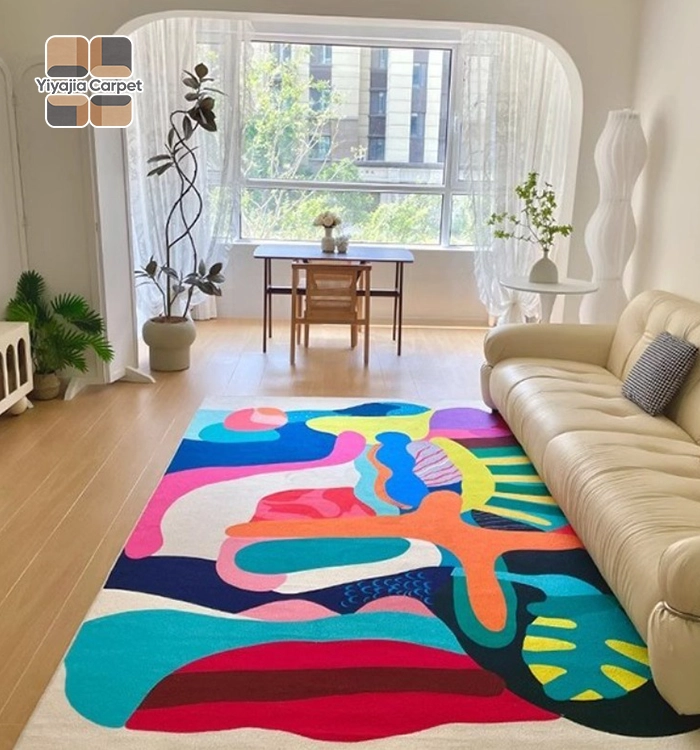
Today's shopping demands flexibility. Modern imitation sisal carpet manufacturers provide OEM/ODM services including color matching, brand personalization, and heat transfer pattern printing. Laser cutting creates odd-shaped architectural features and trademarks. Production minimum orders are still open, so they may be used for little and large activities. Jute's natural properties limit customization. Dyeing natural textiles may distort colors, and printing on porous surfaces is difficult. Procurement teams are increasingly using imitation sisal carpet choices to differentiate their brands and allow them more creative freedom.
Making the Right Choice for Your Business
Decision Framework for Procurement Professionals
Practical goals should guide material selection for an Imitation sisal living room carpet in four dimensions. Durability measures whether natural beauty is worth the effort to preserve. In a cost analysis, you must consider more than the original purchase price. Environmental impact assessments should consider biodegradability and replacement frequency. Aesthetics balance efficiency with naturalness.
Use Case Recommendations
Imitation sisal carpet's durability and low maintenance serve high-traffic locations including retailers, hotel lobbys, and workplace welcoming areas. Waterproofing is crucial in establishments that sell beverages or in severe weather. Hospitality and healthcare facilities that must meet fire safety requirements use synthetic specifications. Jute may be a suitable budget option for projects with light traffic and regulated humidity for aesthetics. In homes and small establishments, renovations often require replacements. When sustainability rules advocate greater maintenance costs and shorter lifespans, environmental positioning matters.
Trade-Off Analysis
Procurement managers must weigh cheaper initial investment vs total cost of ownership. Although imitation sisal carpet costs more, it lasts three to five times longer and requires less care. The continuous quality of the material eliminates batch variation concerns and simplifies reordering for multi-step projects. Jute attracts environmentally conscious enterprises prepared to compromise. The natural material may express environmental stories in commercial marketing, but it must be maintained and the environment regulated. Jute, constructed from reused materials, may be acceptable for LEED or green construction projects.
Conclusion
For workers who value performance consistency, cost-effectiveness, and convenience of use, imitation sisal carpet is optimal. The material solves natural jute's water damage, maintenance issues, and inconsistent quality. Synthetic buildings should survive, keep water out, and exceed fire safety regulations, which are crucial for corporate success. Jute has some appeal in regulated environments, but imitation sisal carpet fits wholesalers, contractors, and commercial purchasers' expectations for long-term value and supply chain security. It blends natural aesthetics with engineering performance.
FAQ
Q1: Can imitation sisal carpet handle outdoor installations?
A: UV-stabilized synthetic sisal retains its color and structure in enclosed patios and porches. Check Grades 7-8 lightfastness for full sun exposure. Jute degrades fast outside due to dampness and UV radiation, thus it may only be used indoors.
Q2: How do cleaning requirements differ between these materials?
A: Janitorial processes can be used to clean imitation sisal carpet with steam, wet extraction, and industrial cleaners. Jute can only be washed dry, and stains need professional treatment. This neglect raises operating expenses in organizations that must deep clean often to maintain sanitary requirements.
Q3: What certifications should buyers verify before bulk purchasing?
A: Reputable suppliers offer OEKO-TEX chemical safety certification, ISO 9001 quality system certification, and EN 13501 fire protection certification. REACH documentation is crucial for EU shipping. Instead of trusting the source, acquire third-party test results.
Partner with Yiyajia Carpet for Reliable Imitation Sisal Carpet Solutions
Yiyajia (Tianjin) Carpet Co., Ltd. stands as a trusted imitation sisal carpet supplier delivering performance-engineered flooring solutions to procurement professionals worldwide. Our advanced heat transfer printing and precision laser cutting technology enable rapid sample production within 24-48 hours, reducing your decision cycle and project risk. We maintain rigorous quality control with 100% pre-shipment inspection, ensuring every roll meets international standards including CE, OEKO-TEX, ISO 9001, REACH, and EN 13501 fire safety compliance.
Our customization services adapt to your exact specifications—whether you need specific backing types, custom colors, printed patterns, or irregular shapes. Flexible MOQ structures accommodate both test orders and large-scale projects, while our export-optimized packaging reduces your logistics costs through maximized container utilization. Contact our team at sale@yyj-carpet.com to discuss your project requirements and receive tailored recommendations backed by technical expertise.
References
1. Thompson, R., & Martinez, L. (2021). Synthetic vs. Natural Fiber Floor Coverings: A Lifecycle Cost Analysis for Commercial Applications. Journal of Facility Management Research, 15(3), 187-203.
2. European Flooring Association. (2022). Performance Standards for Contract Carpets: EN 1307 Classification and Testing Protocols. Brussels: EFA Technical Publications.
3. Peterson, K. (2020). Moisture Management in Commercial Flooring: Comparative Study of Natural and Synthetic Materials. Building Materials Science Quarterly, 28(4), 412-429.
4. International Standards Organization. (2019). ISO 2551: Textile Floor Coverings - Determination of Dimensional Changes Due to the Effects of Varied Water and Heat Conditions. Geneva: ISO Press.
5. Chen, W., & Roberts, D. (2023). Sustainable Procurement in the Flooring Industry: Balancing Environmental Impact with Performance Requirements. Corporate Sustainability Review, 12(1), 56-74.
6. Hargrove, S. (2022). Fire Safety Compliance in Commercial Interiors: Materials Selection and Regulatory Frameworks. Safety Engineering Journal, 39(2), 145-162.