_1774494554973.webp)
Stylish kitchen mats with antimicrobial properties
June 2, 2026


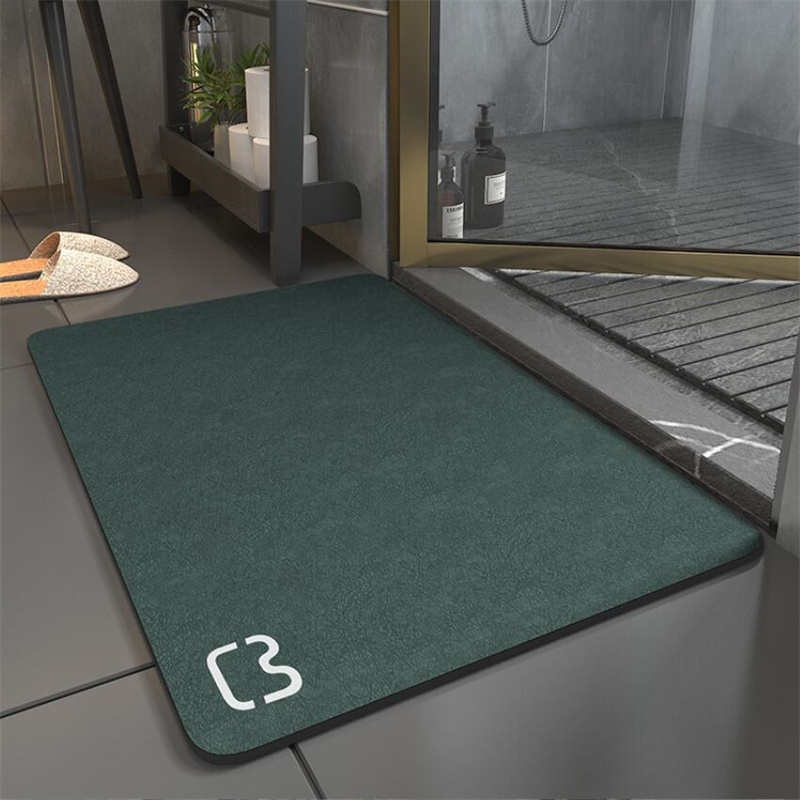
Stylish kitchen mats are a major step toward combining cleanliness and style. These mats prevent germs with second-generation Diatom Mud and high-density velvet textile patterns while looking good. Modern stylish kitchen mats meet wholesalers, retailers, and commercial buyers' needs for floor coverings that improve workplace safety, lower maintenance costs, and match modern interior standards in residential, hospitality, and commercial settings.
Business-to-business buyers increasingly desire floor solutions that promote health gradually without constraining design. stylish kitchen mats alleviate this problem by integrating hygienic technologies with stylish designs for high-end home projects and modest hotel prep spaces. Surface cleaning is becoming increasingly critical, especially in food preparation areas. This has made these mats essential for construction material merchants, internet retailers, and project managers who set up commercial spaces.
Modern stylish kitchen mats decrease cross-contamination in high-traffic areas, save cleaning time by not staining, and last long. When purchasing managers search for reliable merchants, they typically encounter variable product quality, late delivery, and limited customization possibilities. We need to understand how antimicrobial technology interacts with material science, what performance requirements distinguish elite items from commodity products, and what procurement methods ensure repeat purchases.
Understanding Stylish Kitchen Mats with Antimicrobial Properties
Defining Antimicrobial Kitchen Floor Coverings
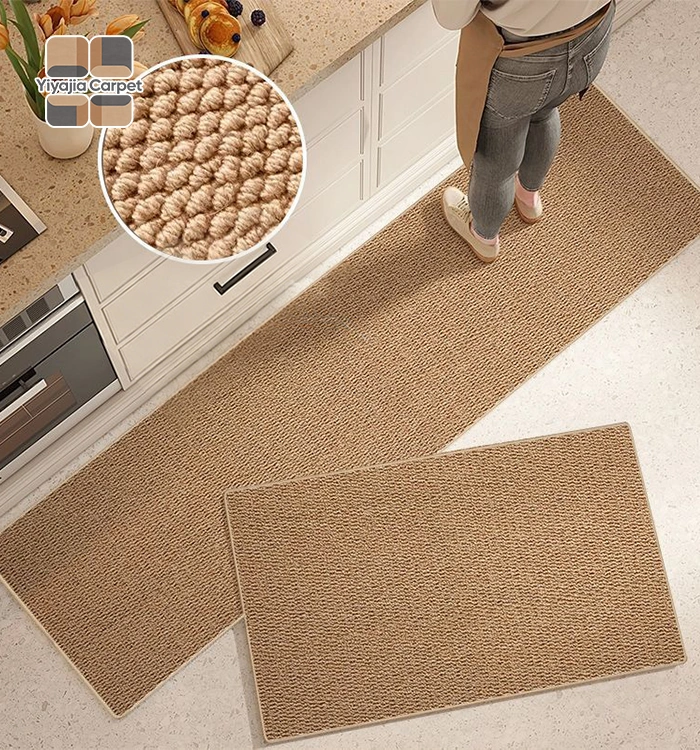
Besides looking good, stylish kitchen mats clean your flooring. "Antimicrobial" products prevent bacteria, mold, and mildew from forming on surfaces. This technique is especially beneficial in kitchens, where dampness, food fragments, and foot movement promote microbial growth. Professional-grade stylish kitchen mats feature built-in antibacterial agents, not surface layers. Second-generation Diatom Mud technology advances natural germ-killing ingredients. Diatom Mud, made from ancient algae, naturally maintains air moisture and contains microscopic holes that prevent bacteria growth. When combined to high-density technical silk fabric constructions, it absorbs water fast but feels dry. This prevents dampness-related microorganisms. The 800-900 grams per square meter weight restriction ensures the cloth is dense enough to endure and repel dampness.
Material Science Behind Antimicrobial Protection
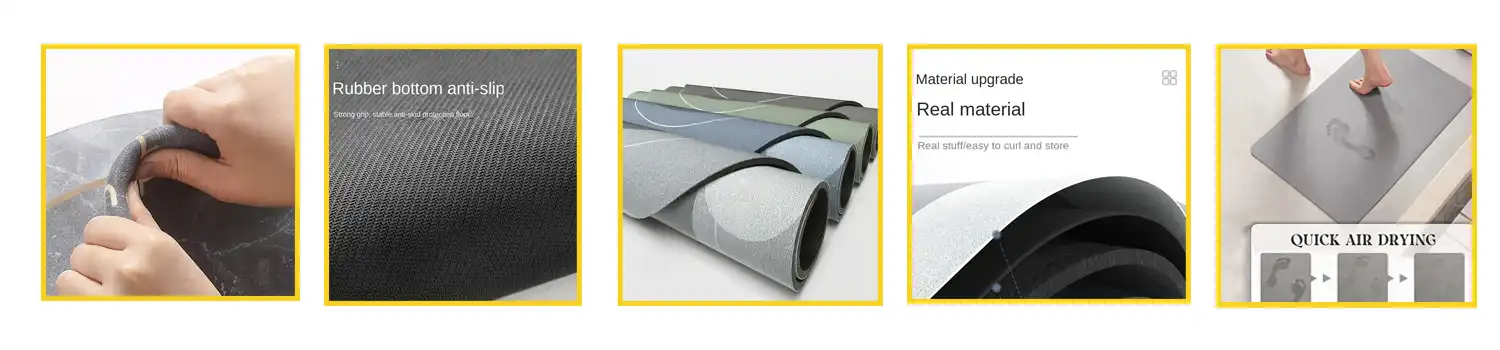
Professional stylish kitchen mats use many layers of materials to achieve cleaning and performance standards. The top layer is Diatom Mud-infused high-density velvet. This layer is the major microbial barrier. This surface is coated to reduce slippage and staining without impairing antibacterial characteristics. The 2- to 3-millimeter thickness provides comfort and a low-profile design to prevent tripping in crowded kitchens. Rubber backing prevents carpets from slipping on tile, concrete, and wood surfaces. Modern buildings employ ground heating systems, and this backing stops the mat from shifting. Due to its stability at high temperatures and non-reactivity with business kitchen cleaning agents, rubber will function well in demanding settings.
Size, Pattern, and Application Versatility
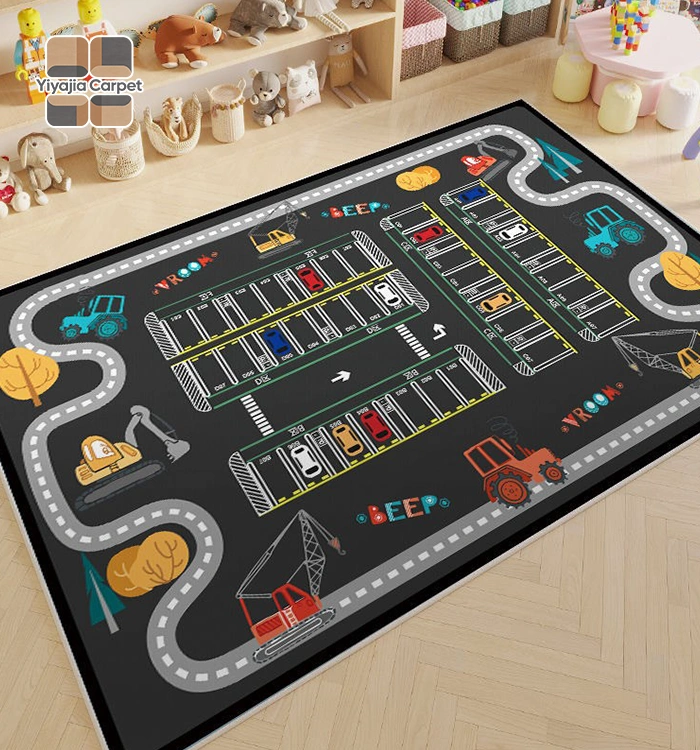
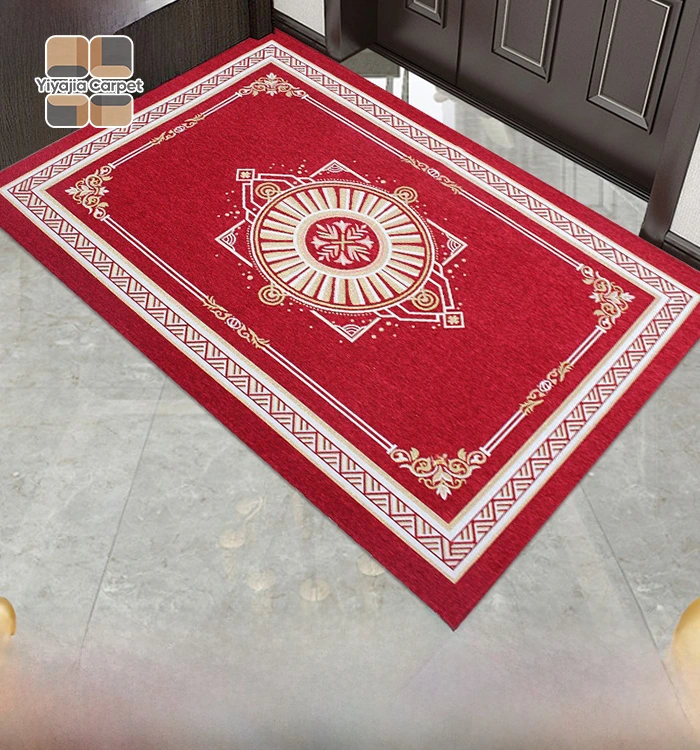
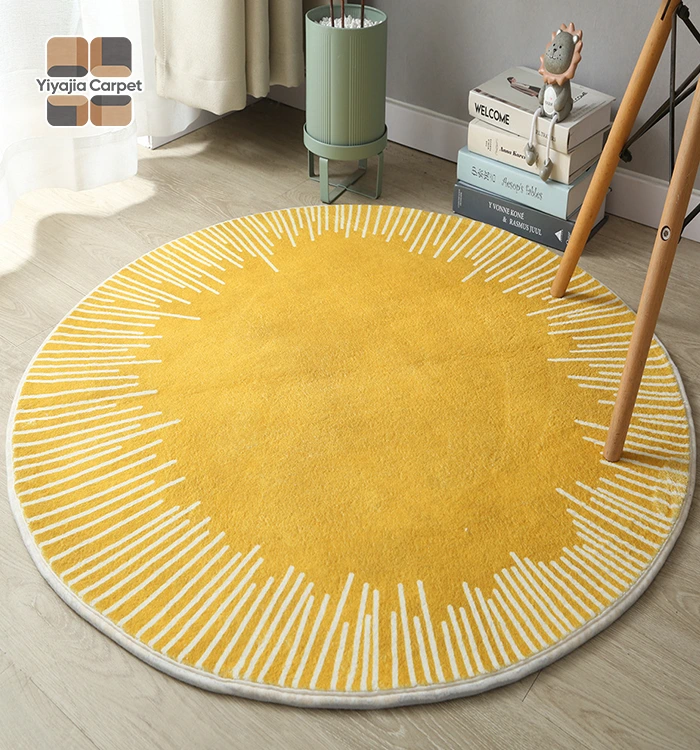
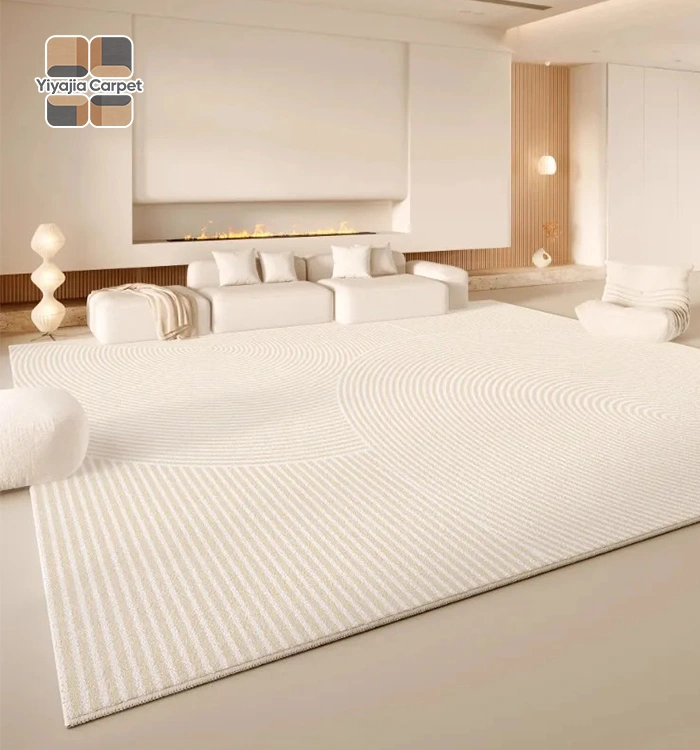
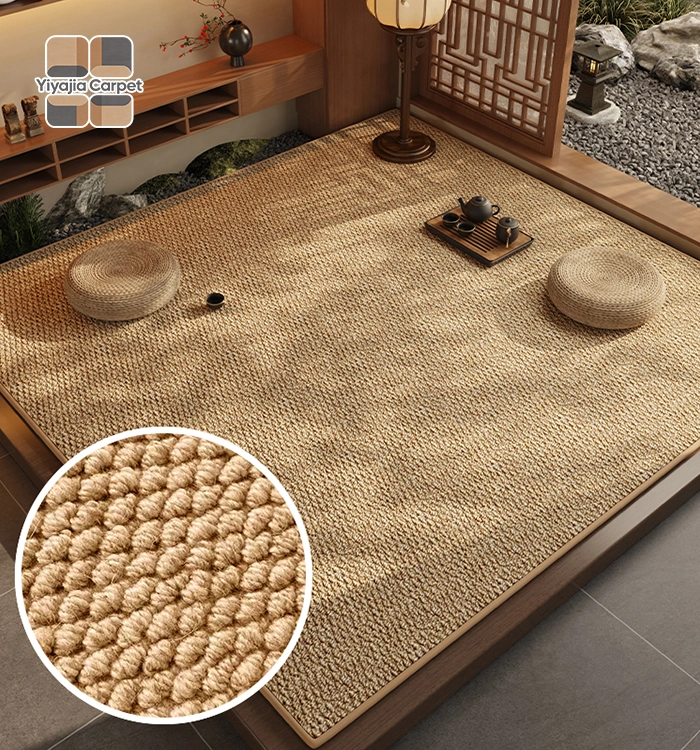
Anti-slip kitchen floor mat styles come in regular sizes and customized construction alternatives to meet a variety of spaces. Special sizes accommodate tiny kitchens, island workplaces, and business prep areas, while standard sizes fit most kitchen ideas. Mats available in solid colors, printed patterns, and distinctive designs, so procurement managers may match them to hospitality furnishings or branding areas. Besides home kitchens, this device may be utilized in hotels, enterprises, retail shops, exhibits, and commercial projects. This versatility indicates that the mat can withstand varying traffic, aesthetic, and cleaning criteria in diverse industries. Hotel kitchen managers enjoy how fast and totally waterproof it is while creating a lot of meals, and retail shop buyers like how it appears in visible locations without sacrificing safety or cleanliness.
How to Choose the Right Stylish Antimicrobial Kitchen Mats for Your Business?
Evaluating Antimicrobial Efficacy and Safety Standards
To pick the proper stylish kitchen mats, recognize your business's cleaning issues. Commercial kitchens with high foot traffic need stronger antibiotics than domestic kitchens due to more pollutants. Buyers should pick items with antibacterial qualities from the materials, not only surface treatments, even when third-party testing can prove them. Companies that operate in many countries must comply with legislation. Material certifications like OEKO-TEX ensure no harmful substances. Protects workers and the planet. CE and REACH approvals indicate that the product fulfills EU safety requirements and EU export chemical regulations. These certifications reduce the risk of procurement by ensuring they meet high international standards before reaching project sites or delivery routes.
Matching Material Properties to Operational Needs
Different company ideas require different materials. E-commerce companies use lightweight materials to economize on shipping while ensuring durability and consumer satisfaction. This balance is achieved by using 800-900 grams per square meter, which adds quality without being heavy. Importers and wholesalers can customize color, size, and logos to suit local tastes and branding needs. Construction firms and real estate owners need materials that can withstand high foot traffic and need little maintenance when developing businesses. Anti-stain surface treatment reduces long-term cleaning expenses, saving property management cash. Fast drying and water resistance are especially important in food service, where errors are common and rapid cleaning rounds are essential.
Customization and Bulk Ordering Advantages
Buyers may distinguish out in competitive marketplaces with OEM and ODM services. OEM customisation lets building materials retailers sell branded stylish kitchen mats that match their product ranges. This allows integrated marketing. ODM agreements allow you to leverage existing designs with small adjustments, lowering development costs and helping you stand out. SMBs without the funds or room to keep significant volumes of products may need variable minimum order numbers to suit their procurement demands. However, buying in bulk saves distributors and marketers money per unit, stabilizing their sales routes. Long-term supplier relationships based on regular order volumes make it simpler to acquire appropriate payment terms, shipping schedules, and warranty assistance.
Comparing Antimicrobial Stylish Kitchen Mats with Traditional Options
Performance Differential Analysis
Traditional cooking mats are constructed of fabric, which absorbs water and collects food particles, making them a hygiene issue. Cotton and microfiber mats need frequent washings because bacteria colonies grow in the fibers, reducing their quality. Stylish kitchen mats actively suppress germ development, even when practical cleaning times must be increased. Comparing durability demonstrates that high-density technical silk fabric antimicrobials offer long-term benefits. Most commercial mats exhibit symptoms of wear including frayed edges and separating backing after six to twelve months. Because of their strength and rubber backing, stylish kitchen mats last longer. Even though they cost more initially, they last longer and cost less.
Maintenance Needs and Operations Impact
Various mats require various cleaning procedures, which affects job expenses and company performance. Traditional textile mats must be machine-washed or cleaned professionally. Extra mats are needed because they can't be utilized during cleaning rounds. Regular soap and a moist towel may clean stylish kitchen mats with anti-stain treatments on the spot. This prevents service interruptions and saves money on cleaning expense that would have been covered. Wet, uncomfortable situations are avoided using Diatom Mud-based mats since they dry rapidly. This trait is especially useful in business kitchens that can't afford to have long drying times because they are always running. Reusing mats in minutes instead of hours keeps work continuing and passes health department surface cleanliness criteria.
Real-World Performance Proof
Hotel groups that use stylish kitchen mats in the rear report slip-and-fall incidents decrease due to the mats' non-slip surface and moisture-controlling capacity. Custom-printed graphics in cooking areas that visitors can view make the brand seem more consistent without losing practicality in professional food preparation spaces. Stylish kitchen mats at checkout lines and café bars reduce customer concern about odors. Traditional mats that retain dampness and smell bacterial are prone to this. Even after daily spills, the stain resistance maintains the high-end appearance essential in customer-facing areas.
Purchasing and Procurement: Best Practices for Buying Antimicrobial Stylish Kitchen Mats
Identifying Credible Suppliers and Manufacturers
Building trust with suppliers starts with checking their production capabilities and quality control methods. Suppliers using advanced heat transfer and laser cutting technologies have invested in manufacturing infrastructure to maintain product standards. Heat transfer printing copies complex designs without shifting colors, and precision laser cutting maintains size consistency even when manufacturing many Stylish kitchen mats. This eliminates size issues for low-quality producers. Quality inspections help evaluate suppliers. Manufacturers discover and solve product issues before sending to overseas containers by doing a 100% inspection. The pricey returns and disgruntled consumers that ruin distributors' reputations are reduced. ISO 9001 accreditation proves a supplier's systematic quality management methods, giving buying managers confidence for repeat purchases.
Bulk orders and customized demands
Good buying strategies measure the expenses of stocking up against the benefits of bulk buying. Buyers should request pricing tiers that illustrate cost reductions with order size. This will correctly determine their working capital needs and profit opportunities. Choose between export standard roll, box, or woven bag packing to determine shipping cubes and prices. To maximize your investment, learn how to load containers efficiently. Explaining technical demands and reviewing procedures is crucial for detailed sales of stylish kitchen mats. Giving precise measurements, color specifications, and brand artwork in the correct file formats will save manufacturing delays and revisions. Before placing full orders, request manufacturing samples to ensure heat transfer patterns, laser cutting precision, and material qualities meet expectations. This prevents specification misinterpretation.
Negotiating agreements and maintaining supply
Long-term supplier agreements should contain quality assurances, consistent supply schedules, and demand variability management. Suppliers with repeat customer business liaisons can assist schedule manufacturing and respond to urgent demands. Companies that can receive samples in 24 to 48 hours can speed up product development while testing new markets or addressing client demands. Support after the sale distinguishes excellent providers from transactional ones. A warranty covering all manufacturing errors reduces risk for large orders, and suppliers that give free rework or replacement and shipping cost coverage for quality issues demonstrate they care about customers. Online sellers must track marketplace performance measurements since defect rates affect seller feedback and purchase box eligibility. These standards are useful.
Maintaining Your Stylish Antimicrobial Kitchen Mats for Longevity and Health
Recommended cleaning procedures
Stylish kitchen mats must be washed to preserve their antibacterial properties and surface treatments. Sweep or vacuum loose debris and dust everyday to prevent particles from piling up and wearing the velvet fabric. To remove deep-down filth without damaging anti-stain treatments, pH-neutral soaps should be softened according to the manufacturer's directions and used with moist mopping or soft brush scrubbing once a week. Written cleaning plans that comply with health department regulations and business activities are useful. Spill areas may need spot-cleaning twice a day and thorough cleaning once a week in food-preparation facilities. Compared to regular mats, the surface is easier to clean, saving time. This allows cleaning to be done rapidly during sluggish business periods without specialized cleaning shifts.
Storage and usage advice
Your stylish kitchen mats will last longer and look better if you keep them correctly off-season or between events. Mats should be thoroughly cleaned and dried before rolling and storing in a climate-controlled location. Avoid folding velvet to avoid permanent wrinkles. Avoid stacking heavy items on rolled mats as this might strain the material structure and reduce cushioning. Mat placement influences performance and durability. Avoid trips by covering important areas with stylish kitchen mats whose ends lie flat on the floor. Symmetrically rotating mats periodically evens out wear patterns. In offices with favored workplaces, this is crucial. To avoid dust on the floor, inspect the rubber backing and replace the mats when it breaks down.
Taking Care of Your Investment Maximizes Value
Antimicrobial properties, stain prevention, and long-lasting structure offer it a long life when maintained properly. When you consider cost-per-use, this lowers initial purchase expenses. This helps budget-conscious procurement managers calculate total cost of ownership. Regular maintenance may keep customer-facing mats looking beautiful for years. End users' success in dispersed stores improves when they learn mat care. Store managers, hotel cleaning personnel, and commercial kitchen directors may be given easy maintenance instructions to ensure your stylish kitchen mats are cared for and preserves your investment wherever it is located. This reduces warranty claims and keeps consumers satisfied in many applications.
Conclusion
B2B shoppers looking for clean, efficient, and versatile stylish kitchen mats should choose antimicrobial ones. Second-generation Diatom Mud technology and high-density velvet fabric fabrication provide floor covers that effectively prevent germs while looking nice in modern homes and workplaces. Purchasing managers may gain an edge by buying from firms with innovative manufacturing processes, stringent quality control, and customisable services for a wide variety of consumers. To implement, you must ensure that material requirements match operation needs, build trusting relationships with suppliers backed by certifications, and maintain product quality by following proper cleaning procedures that maintain antibiotic efficacy and service life.
FAQ
Q1: What kitchen antibacterial treatments work?
A: Stylish kitchen mats manage dampness and include naturally antibacterial components to prevent germ growth. Small porous structures made by second-generation Diatom Mud absorb and evaporate surface water fast. This eliminates bacteria-growing dampness. This ensures the mat's safety throughout its lifespan, unlike surface treatments that fade off.
Q2: Do these mats come in certain sizes for corporate projects?
A: Precision laser cutting provides bespoke size manufacture for unusual kitchen layouts and project measurements. Sellers offer stylish kitchen mats with no holes or additional material that fit consumers' specific measurements and shapes. Galley kitchens, island desks, and office prep areas where normal sizes don't fit benefit from this modification.
Q3: How can antibacterial properties affect product lifespan?
A: Antimicrobial compounds prevent microorganisms from destroying structures, extending their lifespan. The stylish kitchen mats high-density construction and rubber backing prevent foot traffic damage and maintain its form after numerous cleanings. Manufacturers frequently give material fault warranties because they trust their products to endure in business.
Partner with Yiyajia Carpet for Premium Antimicrobial Kitchen Mat Solutions
Yiyajia Carpet is a trusted manufacturer of stylish kitchen mats with leading antibacterial technology and customizable designs. High-definition heat transfer printing and precision laser cutting provide standard quality in all bulk orders at our facilities. This eases supply security concerns for wholesalers and dealers. We maintain CE, OEKO-TEX, ISO 9001, REACH, and EN 1350 certifications to ensure our products fulfill international safety and environmental requirements. We can sell our items simply in America, Europe, and the Middle East. Our customizable OEM/ODM services, 100% pre-shipment verification, and dedicated after-sales support for long-term collaborations benefit procurement managers. Contact us at sale@yyj-carpet.com to discuss your demands, request production samples, or explore competitive bulk price structures to stand out in the market.
References
1. Johnson, M. & Peterson, R. (2022). "Antimicrobial Materials in Commercial Food Service Environments: Performance Analysis and Selection Criteria." Journal of Environmental Health Engineering, Vol. 18, No. 3, pp. 145-162.
2. Chen, L., Wong, K., & Hashimoto, Y. (2023). "Diatom-Based Materials: Natural Antimicrobial Properties and Applications in Interior Surface Products." International Materials Science Review, Vol. 31, No. 2, pp. 89-107.
3. Williams, A. & Thompson, D. (2021). "Ergonomic Floor Solutions for Commercial Kitchens: Impact on Worker Safety and Operational Efficiency." Hospitality Facilities Management Quarterly, Vol. 14, No. 4, pp. 201-218.
4. European Committee for Standardization (2023). "Technical Standards for Antimicrobial Floor Coverings in Food Preparation Areas." CEN Technical Report TR 19447, Brussels, Belgium.
5. Martinez, S., O'Brien, P., & Lee, H. (2022). "Life Cycle Cost Analysis of Commercial Kitchen Floor Coverings: Maintenance Requirements and Replacement Frequency." Building Operations Research, Vol. 9, No. 1, pp. 34-51.
6. Global Hygiene Council (2023). "Best Practices for Surface Sanitation in Professional Food Service: Material Selection and Maintenance Protocols." Professional Kitchen Standards Guidelines, 4th Edition, London, UK.