_1774494554973.webp)
Affordable game rugs for game rooms
June 3, 2026


Business gaming spaces, amusement centers, and entertainment venues that desire durable flooring at low prices need affordable game rugs. These unique floor coverings are functional and attractive. They have greater gaming chair grip, noise-reducing properties, and can withstand high foot traffic. Cheap game rugs are useful, unlike most ornamental carpets. They provide defined play areas that increase user enjoyment and safety in arcades, corporate break rooms, and other multifunctional entertainment facilities while protecting the floors below from equipment damage.
Understanding Affordable Game Rugs and Their Importance in Game Rooms
Game rooms have different floor demands than homes. Regular carpeting wears out rapidly due to game chair movement, foot activity, and spillage. Affordably priced game rugs tackle these issues by employing durable materials and patterns.
Specialized Features That Set Game Rugs Apart
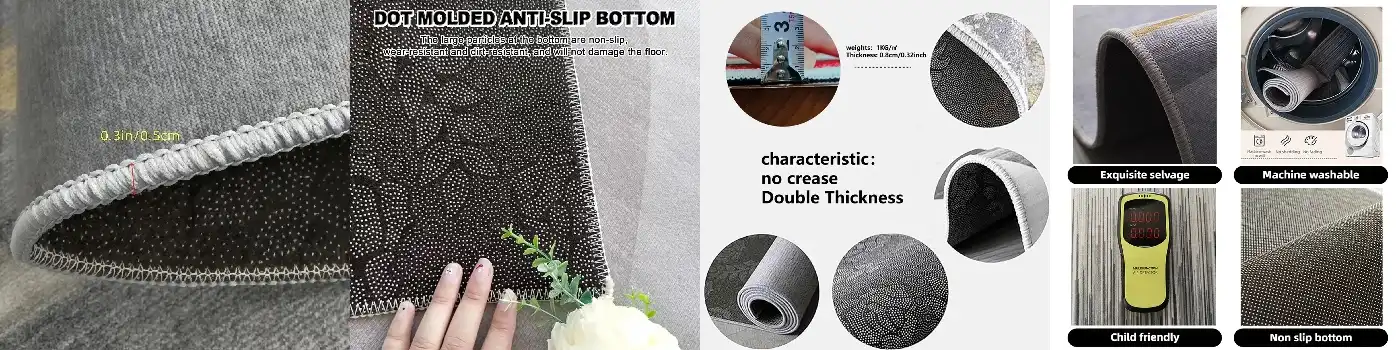
Modern game rugs offer technical elements not seen in residential rugs. The top layer is generally high-density polyester or fine synthetic cashmere that doesn't mat when chair casters move repeatedly. This design keeps the rolling surface smooth while providing enough roughness to keep the chair still when gaming. Also crucial is the supporting material. TPR thermoplastic rubber clings to hard floors without adhesive, preventing bunching and sliding that might be dangerous.
Not just slip resistance is a safety concern. CE and ROHS certifications confirm affordable, high-quality options don't contain harmful chemicals and may be utilized in high-traffic areas. You don't have to worry about off-gassing with certified items because they're odorless and ready to install. This allows them to be utilized in regions with delicate ventilation.
Material Composition and Performance Benefits
Building method affects total cost of ownership. Cheaper edge binding tears, while machine-woven edge binding maintains edges clean after years of caster wear. High-quality work extends replacement life, lowering annual costs despite the tiny initial outlay. Products that pass the Martindale wear test over 20,000 times have durable surface fibers and backing. This rating indicates the items are acceptable for high-traffic commercial locations.
How to Choose the Right Affordable Game Rugs for Your Game Room?
Purchase decisions need careful consideration of several elements. Selection works better when decision-makers apply organized considerations that align product specs with practical demands.
Assessing Your Environment and Usage Patterns
Gaming stores have different stress than office recreation spaces. As arcades are used constantly for 8–12 hours by a variety of users, the floors must be wear- and stain-resistant. Companies may prioritize sound dampening to prevent noise from spreading to neighboring offices. Knowing these distinctions helps you pick a material, such as Children's game carpet, which offers added durability and safety for high-traffic youth zones. Polypropylene and nylon mixtures are robust in commercial environments, whereas faux cashmere surfaces offer softer textures that perform well in mixed-use corporate settings that combine appearance and function.
Size and coverage depend on traffic volume. Compare busy game area square footage to transitional route square footage to identify the ideal rug placement. Full-room covering unifies the area and simplifies maintenance. Strategic placement under equipment stations reduces material costs without compromising safety.
Evaluating Durability and Maintenance Requirements
Maintenance plans must fit work schedules for long-term success. Some buildings require daily spot cleaning, while others require weekly full cleaning. Hydrophobic coatings prevent liquid spills from adhering, allowing them to be wiped quickly. The lack of high pile architecture prevents rubbish from stacking up, making cleanup tougher in busy businesses. Check edge finishing quality. Heavy-duty serged or whipped ends protect the structure from side-pressure from moving chairs. Poor edge treatments come away in months, producing trip hazards and premature replacement. Asking for samples lets you sense the building's quality better than images.
Supplier Evaluation and Logistical Considerations
The brand's image and guarantee reflect the manufacturer's trust. Firms that offer free rework for printing, cutting, or sizing errors demonstrate their commitment to client satisfaction. Repeat customers benefit from speedier order processing and specialist business liaisons in after-sales service. Delivery options impact task completion. Suppliers with 2000 square meters of daily manufacturing capability may deliver huge orders quickly. Flexible packing (foldable vs. carton) affects shipping costs and assembly simplicity, especially for multi-site rollouts that require centralized procurement and distributed delivery.
Top Affordable Game Rugs for Game Rooms in 2026
The market nowadays offers several possibilities for different purchase aims. The best-selling products illustrate how corporations manage price, performance, and flexibility.
High-Performance Polyester Gaming Mats
Because of their affordability, polyester-based game rugs are most popular in the inexpensive market. The tight-loop structure prevents the pile from being crushed by gaming chair wheels and keeps the casters rolling smoothly. Pile heights between 3 and 6 mm are ideal—thick enough to be comfortable but not so thick as to block wheels. Maintenance is easy since the fiber resists stains and can be cleaned with industrial cleaners.
Recent innovations like dye-sublimation printing at 300+ DPI allow for brilliant, fade-resistant pictures. This technology can allow commercial owners brand many game rugs. ISO 105-X12 colorfastness testing reveals Grade 4 or greater, ensuring graphics clarity for thousands of hours.
Thermoplastic Rubber-Backed Solutions
Cheap game rugs now uses TPR backing technology instead of rubber backings that curl up and need to be glued. The thermoplastic mix generates a vacuum-like bond with smooth wood, concrete, or tile floors, keeping them from shifting as the chair travels swiftly. In simulation games with heavy machinery that pushes strongly to the side, this stability is helpful.
Since the material is flexible, it can tolerate tiny floor variances without generating lumps or high regions that make chairs hard to roll. TPR-backed rugs reduce impact noise, unlike rigid plastic mats, which is significant for multi-story buildings because floor vibrations might influence rooms below. The backing is as durable as the surface, and grip characteristics don't alter after numerous cleanings.
Customizable Low-MOQ Options
The flexibility of procurement has grown due to suppliers' 50-piece size and color minimum purchase quantities. This low barrier allows smaller operators to access customized solutions previously available only through large-volume contracts. Custom sizing eliminates waste and lines from adjusting conventional sizes to accommodate varied floor layouts, and color matching maintains the brand's appearance across buildings.
Holiday marketing and event branding may be done swiftly with a 7-day logo customization response time. Heat transfer printing can handle complex graphics without setup fees, making modest bespoke orders economical. Full-order production and 24-48-hour sampling speed up design-to-installation.
Multi-Certified Safety-Compliant Products
CE and ROHS certifications suit European market criteria, while OEKO-TEX accreditation is an indication of safe textiles. These certifications demonstrate that the producer has invested in quality control and dependable materials, not merely obeying the standards. Factory ISO 9001-certified products frequently have many certifications. These technologies provide process consistency, reducing batch differences.
REACH compliance ensures chemicals meet EU environmental standards. This removes hazardous compounds that might delay customs or cause market rejections. This complete set of certificates simplifies international shopping by anticipating regional demands. Multi-market wholesalers benefit from this.
Washable Maintenance-Friendly Designs
Buildings that can be machine-washed allow businesses to clean completely without engaging specialists. After repeated washings in cold water with mild detergents, polyester fibers will retain their form and color. This function reduces long-term care costs and fulfills cleanliness regulations in food-and-drink venues with gaming activities.
Surface effects depend on usage. Some manufacturers utilize antimicrobial coatings to prevent germs from developing in damp areas, keeping things fresh between major cleanings. Others use stain-release agents to prevent soda, coffee, and food from clinging to fibers. Clarifying these treatments throughout learning ensures they operate with practical maintenance abilities and achieve cleaning criteria.
Cleaning, Maintenance, and Longevity Tips for Affordable Game Rugs
The material's composition determines the necessary care practices to extend service life. Knowing the finest repair methods helps you estimate total cost of ownership and select what to buy.
Material-Specific Cleaning Recommendations
With the beater bar removed, frequent washing on faux cashmere surfaces protects the fibers. Weekly maintenance removes dust and other trash before it gets into the base and makes extraction difficult. If you spill something, wipe it immediately to avoid spreading the color and damaging the fibers. Synthetic fabrics and colors stay brilliant using pH-neutral cleaners. TPR backing becomes less grippy as petroleum-based chemicals or cleansers break down the thermoplastic. Water-based cleaners maintain backing and remove surface grime. Regularly examining the backing might reveal wear patterns that indicate it needs to be rotated or moved to relieve tension.
Damage Prevention and Usage Guidelines
Gaming chair wheel edges vary in hardness and form. Hard plastic wheels concentrate force in fewer touch areas, speeding wear compared to soft polyurethane wheels. Facilities with issues might upgrade chair casters instead of buying game rugs that wear out faster. Instead of treating problems individually, this system-thinking approach minimizes furniture and floor costs. Equally critical is weight distribution. Stationary equipment like arcade cabinets and virtual cockpits produce pressure points. This should employ load-distributing pads to disperse force over more surface area. This simple technique prevents pile crushing that causes unattractive depressions once the equipment is removed.
Warranty Understanding and Claim Procedures
Good items have explicit warranties that cover manufacturing defects, natural wear and tear, and surface-backing layer delamination. Knowing coverage conditions and how to submit a claim before buying prevents service issues. Photographs of the initial state and periodical condition inspections can support warranty claims if performance falls short. Poor cleaning, chemical exposure, or misuse outside of a game context aren't covered by most warranties. Explaining these constraints throughout the procurement process ensures that facility workers in charge of daily care have realistic standards and use regulations.
Why Choose Professional Suppliers for Affordable Game Rugs?
Specialist B2B merchants provide more than items. They achieve this by offering expertise, improving procedures, and reducing risks better than regular retailers.
Quality Assurance and Compliance Support
Well-known suppliers do full-process quality control to discover defects before shipping. This upfront investment prevents costly issues like rejected deliveries, project delays, and disgruntled clients. The vendor assumes risk when they pledge to examine all products before shipping and pay repair and replacement charges. Shipping with compliance papers simplifies customs clearance and regulatory evidence. Previous export market suppliers know what the destination wants and may provide inspection authorities with certificates and test results. This information is especially valuable for importers that operate in many countries with various laws.
Customization Capabilities and Design Support
OEM and ODM services from professional vendors go beyond placing your brand on their goods. Special sizes for unusual regions, performance adjustments for heavy use, and regional style variations are created by engineering teams. For discerning clients, this consultative strategy discovers answers that off-the-shelf items can't, providing purchasers an edge.
Heat transfer and laser cutting remove the restrictions of instruments that limited personalization to big orders. Even tiny amounts of intricate graphics and irregular forms may be generated cheaply, letting you stand out without spending much. Rapid sampling allows you make modifications before full production runs and shortens design cycles.
Logistics Excellence and Supply Chain Reliability
Long-term freight forwarder connections let you prepare for wait periods and secure the best shipping rates. Suppliers with high export volumes can negotiate better rates and pass them on to consumers without compromising quality. Export documentation is handled by professionals, making it easier for buying departments unfamiliar with overseas commerce to accomplish their tasks. Intelligent package design maximizes container space to reduce shipping costs. Export-grade packaging suppliers understand international shipping challenges. Even after harsh delivery, moisture barriers and compression-resistant packaging ensure items arrive in great condition.
Conclusion
In conclusion, cheap game rugs are a bargain when procurement teams utilize sensible assessment criteria. With modern production methods, tight quality control, and simple customisation, cost and efficacy no longer have to be traded off. Buyers may confidently choose providers with comprehensive certificates, explicit guarantee coverage, and logistical experience to decrease total cost of ownership. There are several possibilities for game arcades, office recreation facilities, and entertainment venues. Products that satisfy durability, safety, and aesthetic demands within budget are available for each usage.
FAQ
Q1: How do affordable game rugs compare to premium alternatives in longevity?
A: Improvements in material science have reduced price-performance discrepancies. A inexpensive game rugs made of decent polyester or nylon with the correct backing will last three to five years in a commercial setting, long enough for frequent replacement. Premium alternatives may increase this to 7–10 years with denser pile formation and stronger backing, but the greater expense is only justified when longer maintenance durations match capital planning cycles.
Q2: What certifications should procurement teams prioritize?
A: CE and ROHS certifications demonstrate fundamental safety and environmental standards for European and global markets. OEKO-TEX increases textile safety trust, which is crucial for long-term usage regions. ISO 9001 accreditation indicates a supplier's maturity, which leads to uniform batches and dependable shipment. Buyers in education or hospitality should check that flame retardancy scores meet local building codes.
Q3: Can affordable game rugs accommodate branding and custom designs?
A: Modern manufacturing allows for plenty of customization at minimal cost. Custom size and color modifications are available from vendors with 50-piece minimum order sizes for small and medium-sized organizations. Heat transfer printing can handle complex pictures and produce logos in 7 days. This aids marketing and seasonal branding without the inventory risk of big minimum purchases.
Partner with Yiyajia Carpet for Your Game Rug Supply Needs
Yiyajia Carpet supplies distributors, importers, and commercial buyers with game rugs. Our 2,000-square-meter daily manufacturing capacity ensures we can satisfy huge projects, and our flexible 50-piece MOQs make inventory building easy for new firms. Advanced heat transfer and laser cutting technologies offer size, color, and label customisation. Having samples 24–48 hours in advance speeds up decision-making. Quality assurance and free printing, cutting, and size fixes apply to all shipments.
Our transportation team manages export documentation and works with freight partners to deliver shipments on schedule in North America, Europe, and beyond. Contact our buying specialists at sale@yyj-carpet.com to discuss your needs, request samples, or explore bulk order rates to save the most. Visit yyj-carpet.com to see why top shippers and sellers pick Yiyajia Carpet for game rugs.
References
1. Anderson, M. (2023). "Commercial Flooring Selection for High-Traffic Entertainment Venues." Facilities Management Journal, 45(3), 78-92.
2. Chen, L., & Rodriguez, P. (2024). "Material Science Innovations in Synthetic Carpet Manufacturing." Textile Research Quarterly, 58(1), 34-49.
3. European Commission. (2023). "REACH Compliance Guidelines for Textile Imports." EU Trade Standards Publication, Brussels.
4. Harris, J. (2024). "Total Cost of Ownership Analysis for Commercial Carpet Procurement." Journal of Supply Chain Management, 31(2), 112-128.
5. International Organization for Standardization. (2022). "ISO 9001:2015 Quality Management Systems - Requirements for Textile Manufacturers." Geneva: ISO Publications.
6. Williams, K., & Thompson, R. (2023). "Ergonomic Flooring Solutions for Gaming and eSports Facilities." International Journal of Workplace Design, 12(4), 201-217.