_1774494554973.webp)
Long corridor carpet materials comparison for longevity and comfort
June 3, 2026


The correct long corridor carpet material is crucial for long-lasting and pleasant flooring in corporate corridors, hotel halls, and institutional pathways. Material choice affects maintenance, replacement, and user satisfaction. High-traffic linear areas require long corridor carpets that can withstand steady pressure from people and loads, soundproof, and look attractive over long distances. Procurement managers, project designers, and builders must understand how strained fibers function. This helps them weigh initial investment against long-term benefit.
Understanding the Needs of Long Corridor Carpets in B2B Environments
Corridors have distinct operating demands than open floor layouts or rooms in hotels, corporate offices, healthcare institutions, and apartments. People walk often and regularly in transitional areas. Wear lanes form in the middle, while the borders remain relatively unchanged.
High Durability to Withstand Constant Foot Traffic
Commercial streets see thousands of people daily. Wear and tear resistance determines how long your long corridor carpet looks the same after three or 10 years. Heavy-contract-rated fibers with high face weights don't mat, so they stay rough and hide dirt between cleanings.
Comfort and Noise Reduction for Enhanced User Experience
Besides appearing good, long corridor carpets absorb impact sound between floors, reducing room noise. Hotel guests and business workers appreciate calm halls and less traffic echo. Material mass, pile structure, and backing systems effect floor soundproofing and comfort.
Aesthetic Requirements Reflecting Corporate Branding
Designers struggle to link long, narrow spaces. Patterns, color palettes, and textures must cover dirt and stains while maintaining brand identity. Brand strategy influences material choice since unique designs with names or directional visuals improve navigation and the company's image. The material a long corridor carpet is made of impacts its durability, comfort, and cost. High-quality materials that are properly maintained can last over fifteen years, lowering lifetime expenses and keeping processes operating smoothly. Cheaper fibers may need to be changed every five years.
Comparative Analysis of Popular Long Corridor Carpet Materials
You must understand how each fiber performs in corridor-specific scenarios to pick the optimal fiber. To make informed purchase decisions, we weigh the advantages and drawbacks of old and new options.
Wool: Natural Durability with Premium Maintenance Needs
Wool doesn't burn, stink, or become dirty and feels luxurious. It resists crushing and recovers from compression because to its twisted strands. Hospitality companies use wool mixtures in high-end buildings with greater starting costs and unique cleaning procedures for aesthetics. Wool absorbs water, so it takes longer to dry and needs pH-neutral cleansers to protect its fibers. Procurement teams must evaluate reputation versus maintenance work.
Nylon: Excellent Abrasion Resistance for Heavy-Traffic Zones
Solution-dyed nylon dominates industrial long corridor carpet. It is ideal for Class 33 heavy-contract purposes because to its strength and durability. Nylon fibres recover better than other synthetics following compression, so they stay form in rolling baggage carts. During manufacture, stain-resistant treatments are used to increase performance. Nylon's durability and affordability appeal to budget-conscious shoppers. This makes it popular in office buildings, schools, and mid-range hotels.
Polyester: Softness and Affordability with Durability Trade-offs
Polyester is suitable for budget-conscious tasks that need softness and vibrant colors. Its reduced price lets you change it more regularly when short-term savings are more essential than durability. Polyester is water- and dirt-resistant, although it stretches more than nylon when used often. This material is ideal for apartment buildings with low foot traffic or seasonal structures with replacements timed to fit renovation schedules.
Olefin: Superior Stain and Moisture Resistance
Olefin (polypropylene) performs well in wet areas like pool hallways and basement halls. Hydrophobicity makes it easy to clean and reduces germs. Olefin is colorfast when solution-dyed through the fiber. Olefin doesn't withstand heavy usage, thus it's only suitable for moderate traffic. Olefin is affordable for purchasers who choose maintenance above longevity.
Hybrid and Specialty Fibers: Tailored Performance Solutions
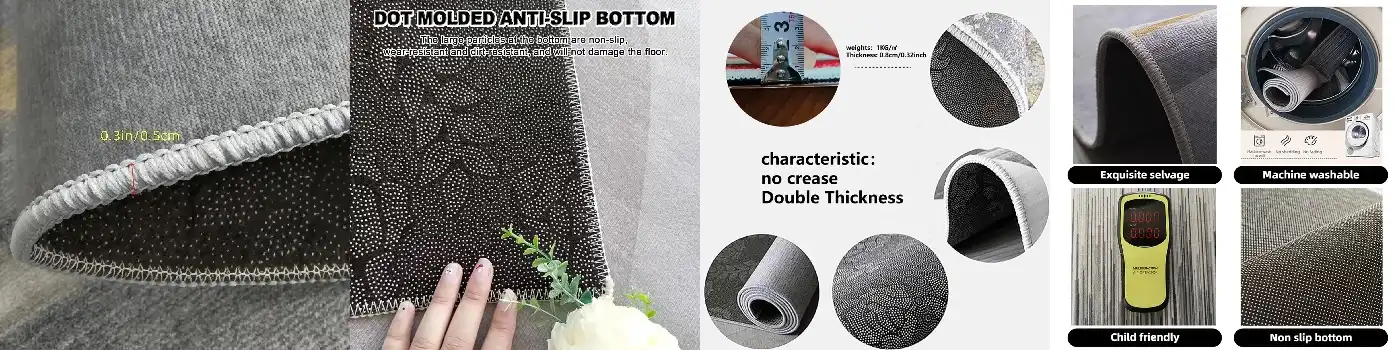
Modern carpet science blends fibers for optimal performance. Blends of wool and nylon appear natural and last longer. Recycled polyester meets environmental criteria without reducing effectiveness. Yiyajia Carpet uses TPR thermoplastic rubber base and delicate faux cashmere textures. The long corridor carpet is soft like natural fibers, retains its form, and repels water. This design prevents fraying with machine-woven locking, ensuring crisp edges. These advancements allow buying teams to customize carpets using heat transfer printing and laser cutting while satisfying CE and ROHS regulations.
Key Decision Criteria for Selecting Long Corridor Carpet Materials
Material selection must be reviewed in line with practical aims to operate successfully. Procurement professionals benefit from frameworks that quantify and match key aspects to use cases.
Matching Traffic Intensity to Material Performance Ratings
Knowing how corridors are utilized helps choose materials. Wheeled baggage is constantly moving through high-end hotel halls. Corporate office traffic zones are busy during peak hours but calm otherwise. People walking, gurneys, and wheelchairs need low-rolling-resistance surfaces at hospitals. Situations need different abrasion grades, pile densities, and backing systems. Class 33 heavy-contract long corridor carpets for light-use areas waste money, and if you don't specify enough materials for hard use, they break early.
Balancing Initial Investment Against Lifecycle Costs
The purchase price is simply one of several ownership expenditures. Long-term budgets depend on maintenance frequency, cleaning expenses, and replacement dates. Premium nylon initially costs 30% more than polyester, but it lasts twice as long and requires half the care. Comparing values is easier when you know the annual cost per square meter instead of simply the purchase price. Buyers who manage many properties know that adopting the same materials makes it easier to track supply and educate maintenance staff.
Environmental Standards and Sustainability Goals
Corporate responsibility initiatives increasingly need eco-certified products. OEKO-TEX certification ensures that textiles are safe and contain no toxic elements, addressing health hazards in inhabited spaces. Recycling percentages count toward LEED points and company environmental reports. Low VOC emissions from CRI Green Label Plus initiatives improve indoor air quality. RFPs typically need these credentials, which limit materials and supplier selection. Connecting with multi-certified manufacturers makes it easy to complete a variety of tasks.
Evaluating these criteria systematically helps procurement teams avoid price-driven judgments by carefully assessing these aspects. A comparison matrix that measures durability, comfort, maintenance, and pricing ratings against project-specific goals lets you evaluate vendors objectively and verify material requirements.
Installation, Maintenance, and Longevity Best Practices
Poor storage causes even the greatest materials to deteriorate early. Buyers must consider implementation and care to acquire the speed and longevity they want.
Professional Installation for Maximum Performance
Long corridor carpet installations have technological issues that square rooms don't. Putting gaps in doorways or alcoves instead of driving lanes, where they might demonstrate separation or peaking, requires careful design. Unlike long-run stretch-in installations, the double-stick approach prevents carpet movement under rolling loads by sticking the cushion to the foundation and the carpet to the cushion. Pattern matching at corners requires precision, and orders must accommodate for excess material. Using qualified installers and integrating monitoring in contracts prevents void maker warranty errors.
Maintenance Protocols Extending Service Life
Daily maintenance practices affect appearance and longevity. A high-filtration cleaner removes abrasive dust before it damages fibers. Zone-based cleaning strategies prioritize high-use regions and reduce cleaning frequency in low-use areas. Encapsulation, which transforms dirt into easy-to-remove crystals, lets you wait longer between jarring extraction cleanings. Immediately responding to spills prevents discoloration. Despite strong materials, structures without maintenance plans break apart faster. Buyers should get material-specific care instructions and budget for the required tools and training.
Strategic Measurement and Bulk Ordering
Measurements from the start that account for pattern repeats, seam locations, and waste factors prevent gaps or overage midway through the project. For multi-phase projects or property portfolios, buying in bulk saves money and ensures dye lot consistency. Yiyajia Carpet can create 2,000 square meters of long corridor carpet each day, therefore we can manage large orders with predictable wait periods. Foldable or carton packaging makes loading containers easier, lowering international shipping costs. Centralized ordering with staggered shipment helps purchasers handle multi-location rollouts. These operational considerations transform material specifications from abstract choices into functional assets that meet budget targets and performance expectations for the whole lifespan.
Trusted Brands and Suppliers: What to Look For?
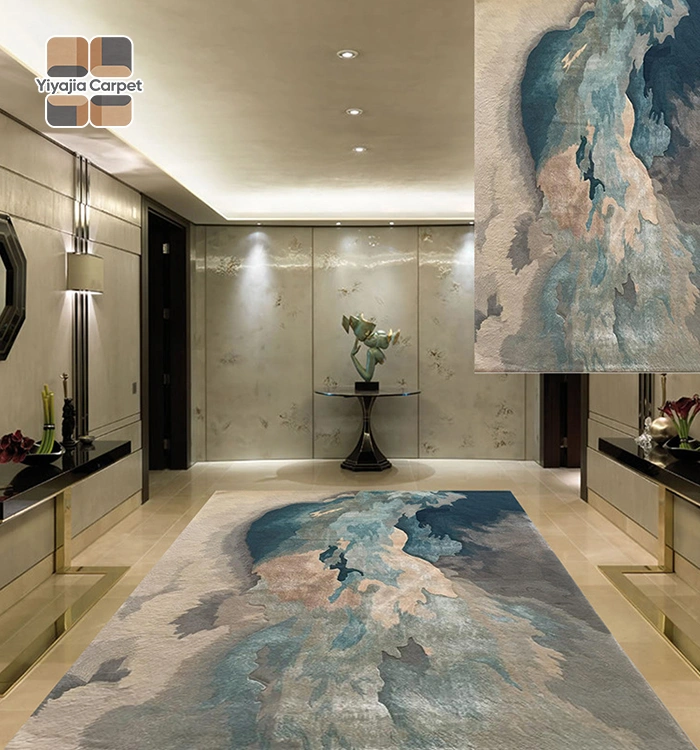
A job's supplier is equally as crucial as its supplies. Setting criteria for manufacturing partners prevents quality issues, delivery delays, and support gaps. Reputable manufacturers have ISO 9001-certified quality management systems, and they often provide options like the Corridor long runner for high-traffic pathways, ensuring consistency across product lines. This indicates their commitment to production control and continuous development. Product warranties include manufacturing defects and performance claims.
Quick expert support helps pick the proper products and addresses installation and maintenance issues. Environmental clearances demonstrate a company's responsibility and product safety. CE marking certifies compliance with EU regulations, while REACH certification ensures chemical safety. EN 13501 or ASTM E648 flame retardancy ratios provide safe escape. Certifications and third-party testing eliminate compliance concerns for buyers.
When choosing between local and overseas suppliers, consider pricing, delivery, and flexibility. Global manufacturers generally have more items and better bulk costs than localized distributors. Yiyajia Carpet customizes products to specific sizes and brand appearance using heat transfer printing and laser cutting. Our low MOQ—50 pieces for custom size and color—allows us to take on medium-sized projects that rivals sometimes reject. Business building projects have tight deadlines, therefore customizing and returning your logo in seven days helps.
Long-term supplier partnerships have benefits beyond individual negotiations. Priority clients enjoy production schedules, early access to new products, and better prices. Suppliers that know your preferences are less likely to make specification errors and make restocking easier. We provide repeat customers account liaisons to ensure they are always communicated with and problems are resolved before they arise. This advances the project. When procurement managers are busy, evaluating suppliers takes time, but it reduces risk, simplifies processes, and improves project performance with each new installation.
Conclusion
In conclusion, you should consider your budget, durability, comfort, ease of cleaning, and durability while choosing long corridor carpet. For high-traffic businesses, nylon is durable, while wool's high-end appeal is ideal for establishments with money for extra maintenance. Better backing systems provide hybrid materials good performance for many requirements. Systematic evaluation frameworks that match traffic strength to material scores prevent wasteful over-specification and costly failure. Professional installation and systematic care will maximize any fiber. Qualified producers that offer flexible customization, on-time delivery, and comprehensive support transform material selection from reactive buying to strategic asset management. Procurement specialists pick durable flooring by matching material attributes to operational demands.
FAQ
Q1: Which Material Offers the Best Longevity in High-Traffic Commercial Corridors?
A: Solution-dyed nylon excels in high-traffic areas. Its great tensile strength and durability prevent fibers from breaking and maintain structure when squeezed. Class 33 heavy-contract long corridor carpets with face weights over 36 ounces per square yard should last 10–15 years if maintained. Polyester lasts five to eight years under the same conditions.
Q2: How Often Should Professional Cleaning Occur to Maintain Carpet Longevity?
A: How often you clean depends on traffic and grime. Hotel halls with high foot traffic benefit from extraction cleaning every three months and capsule treatments monthly. Deep cleaning every six months and spot cleaning weekly are typical for corporate venues. Setting cleaning plans by appearance rather than time saves money, keeps things looking beautiful, and extends fiber life.
Q3: Can Custom Corridor Carpets Enhance Brand Identity Without Sacrificing Durability?
A: Modern manufacturing technologies provide comprehensive personalization without sacrificing efficiency. Heat transfer printing adds intricate names and patterns to sturdy materials, and precision cutting ensures accurate measurements and no waste. Yiyajia Carpet's machine-woven edge locking prevents broken edges on complex custom shapes. This keeps branded long corridor carpets sturdy. Customization makes it easy to find your way and boosts your company's character while fulfilling corporate durability criteria.
Partner with a Reliable Long Corridor Carpet Supplier
Yiyajia Carpet makes engineered carpets for harsh commercial and school environments. We use TPR thermoplastic rubber backings and beautiful faux cashmere surfaces in our goods. This provides convenience and form stability for long corridor carpet applications. CE and ROHS approvals prove items are eco-friendly and comply with international regulations. The machine-woven cloth and improved edge locking prevent tearing after years of usage.
Heat transfer printing and laser cutting allow us to customize sizes and add brand-specific patterns and logos. The minimum order number for size and color customization is fifty pieces, so mid-sized projects may employ high-end solutions. Our 2,000-square-meter daily manufacturing capability ensures on-time delivery, and specialized account management makes repeat purchases easy for portfolio clients.
If you're a buying manager seeking for reputable long corridor carpet producers, email sale@yyj-carpet.com for bespoke samples and bulk rates. We provide specifications, performance data, and fitting instructions to assist you pick a material. We can help you pick durable, attractive flooring for all your properties.
References
1. Carpet and Rug Institute (2021). Commercial Carpet Performance Standards and Testing Protocols. Dalton: CRI Technical Publications.
2. Henderson, J. & Morris, P. (2020). Textile Fiber Properties and Performance in High-Traffic Applications. Journal of Industrial Textiles, 49(6), 892-918.
3. National Floor Safety Institute (2022). Flooring Material Selection for Commercial Environments: A Lifecycle Cost Analysis. Orlando: NFSI Research Division.
4. Patterson, R. (2019). Acoustic Performance of Textile Floor Coverings in Hospitality Design. International Journal of Hospitality Management, 78, 134-145.
5. Sustainable Furnishings Council (2023). Environmental Certifications and Green Building Credits for Commercial Flooring. Washington: SFC Industry Reports.
6. Wilson, K. & Chang, L. (2021). Maintenance Strategies for Extended Carpet Lifespan in Institutional Settings. Facilities Management Journal, 33(4), 267-283.