_1774494554973.webp)
Small living room carpet options with easy maintenance
June 4, 2026


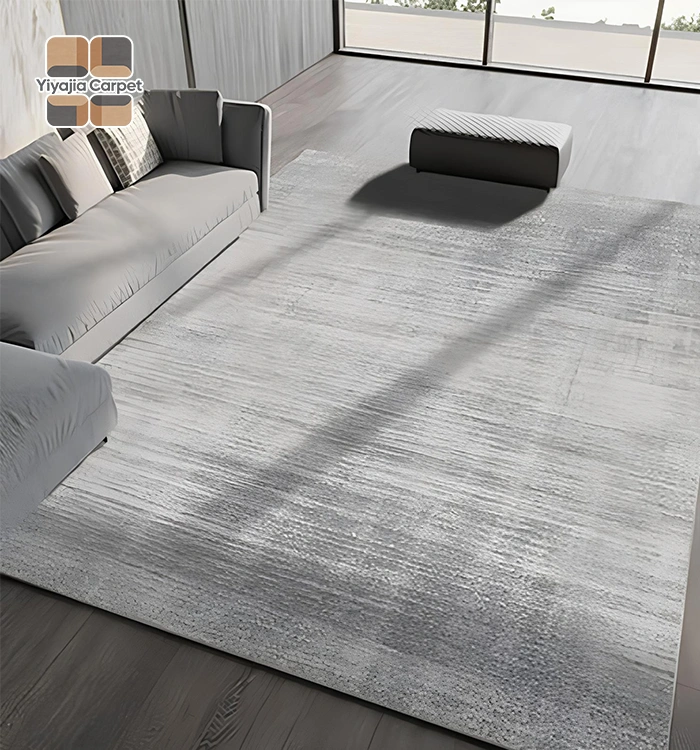
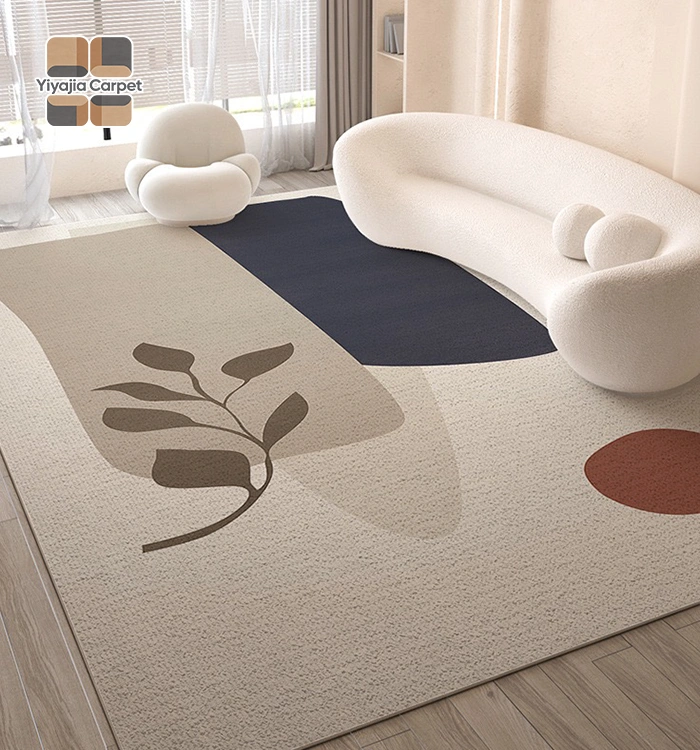
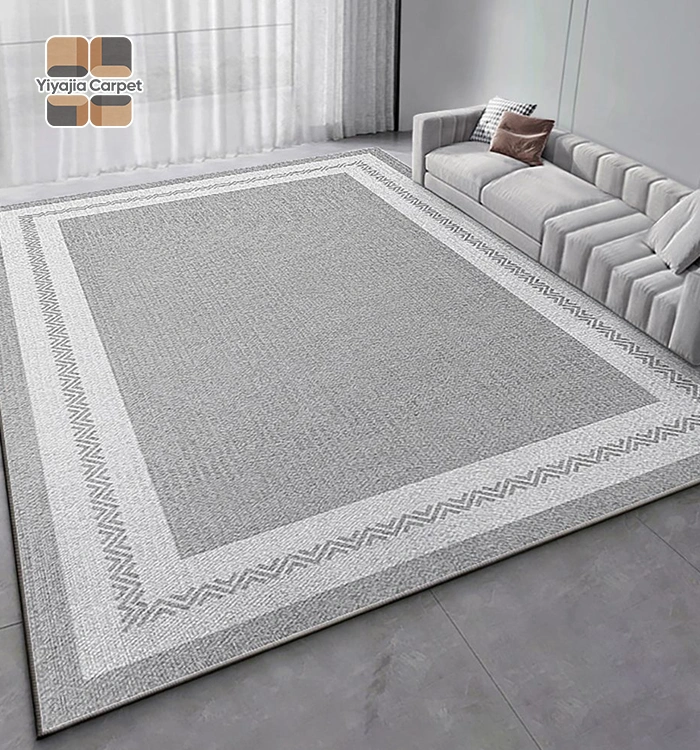
You must consider more than appearance when choosing a floor covering for a tiny room. A small living room carpet make zones without taking up too much space and is useful and attractive. Cleaning regularly in high-traffic areas may drain finances and resources, making upkeep even more crucial when space is restricted. Modern carpets have stain-resistant treatments, durable synthetic fibers, and adaptable designs for easy care. This article examines durable, easy-to-maintain, and affordable solutions. It helps procurement and corporate buyers identify long-term, stylish, and efficient solutions.
Understanding the Unique Needs of Carpets for Small Living Rooms
Carpet selection in tiny living rooms depends on several considerations. Large neighborhoods and businesses let foot traffic flow organically, whereas compact locations concentrate wear along restricted corridors. Due to targeted activity, fiber deterioration occurs faster, hence durability is critical. Smaller rooms have less airflow, so odors and allergens accumulate quicker. This requires materials that resist moisture absorption and bacteria development.
Spatial Perception and Visual Engineering
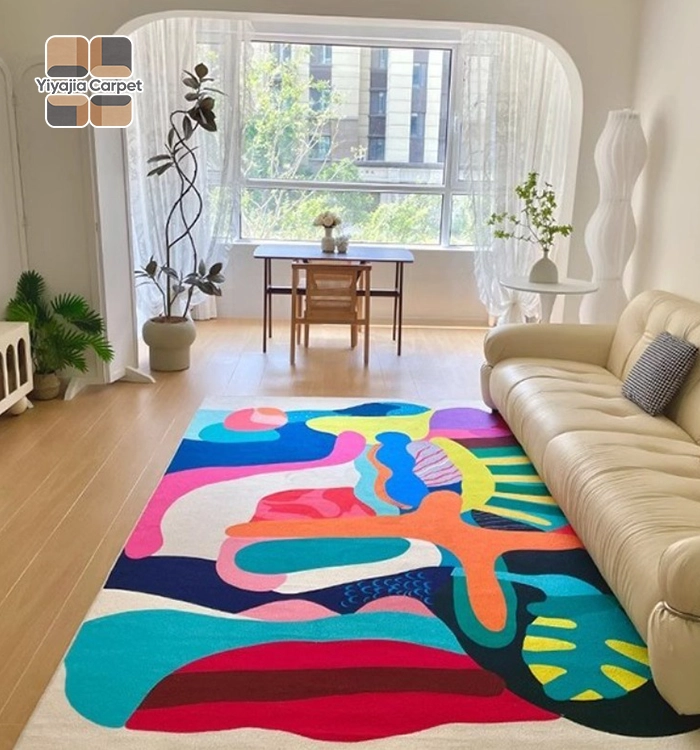
Small spaces may seem larger with the appropriate flooring. Neutral-colored fibers that reflect light make space appear larger, and leaving 12 to 18 inches of flooring around the margins prevents the wall-to-wall illusion. Procurement managers should consider how color, texture, and pile height effect atmosphere while searching for city model apartments, boutique hotels, or rental properties. Due to their lighter weight, low- to medium-pile rugs (0.25 to 0.5 inches) look better in compact spaces than high shags.
Maintenance Cost Implications
Costs of operating company beyond the initial purchase. Carpets close to kitchenettes or entryways in tiny living rooms are more likely to get soiled or spilled on. Natural stain-resistant materials reduce the need for professional cleaning. Consider the whole cost of ownership, including vacuuming, spot treatments, and long-term replacement, while buying. For home and commercial usage, environmental approvals like OEKO-TEX and CE conformity ensure product safety.
Top Carpet Types Suited for Small Living Rooms with Easy Maintenance
Fiber technology and building practices help tiny places differently. These categories provide the greatest products that are low-maintenance without sacrificing durability or style, making a small living room carpet an ideal example of balancing comfort and practicality in compact spaces. Knowing which carpet works best in different settings helps customers avoid mistakes that might lead to premature carpet replacement or high cleaning costs. Modern material technology has created artificial fabrics that are as pleasant as natural ones and better at resisting stains.
Low-Pile Synthetic Carpets
Low-pile synthetics are popular in business leasing and accommodation because of their affordability and durability. Some polypropylene (olefin) doesn't absorb water, making it ideal for spill-prone areas. These carpets frequently employ solution-dyed fibers, which are colored while pressing. This construction method prevents color fading from repeated exposure to harsh cleansers or UV radiation. Loop-pile patterns hide worn pathways by spreading weight. This is great for tiny areas with little furniture space.
Nylon Fiber Carpets
Nylon is suitable for high-traffic areas. Since its chemical composition is elastic, compressed fibers may spring back after being seated or walked on. Solution-dyed nylon 6,6 has higher wear resistance than prior generations, with Martindale test scores above 60,000 cycles. When buying managers pick nylon carpets for compact living rooms in serviced apartments or corporate housing, they last longer and look better. The cloth's suppleness provides guest comfort without sacrificing utility.
Stain-Resistant Treated Carpets
Molecular barriers prevent liquid absorption in modern therapies. Fluorochemical-free options are now environmentally friendly and effective. These carpets are ideal for pet-friendly or spill-prone homes. Small spills are easy to clean with the protective layer. Most liquids clean away in minutes without residue. Buyers should examine the warranty terms because certain treatments require cleaning with particular items to function. Despite higher upfront costs, lifecycle cost analysis frequently favors treated rugs. This is especially true in low-staff cleaning facilities.
Modular Carpet Tiles
Modular carpet tiles changing maintenance. One tile soiled or broken beyond repair doesn't mean you have to replace the floor coverings. This adaptability is beneficial in corporate environments where tenants or visitors need rapid responses. Many easy-to-use systems employ peel-and-stick bonding instead of glues, saving labor expenses. Extra tiles don't take up much room, thus repairs may be done without waiting for supplies. Tiles are easier to load than rolled carpets, which logistics managers prefer.
Fine Faux Cashmere with TPR Backing
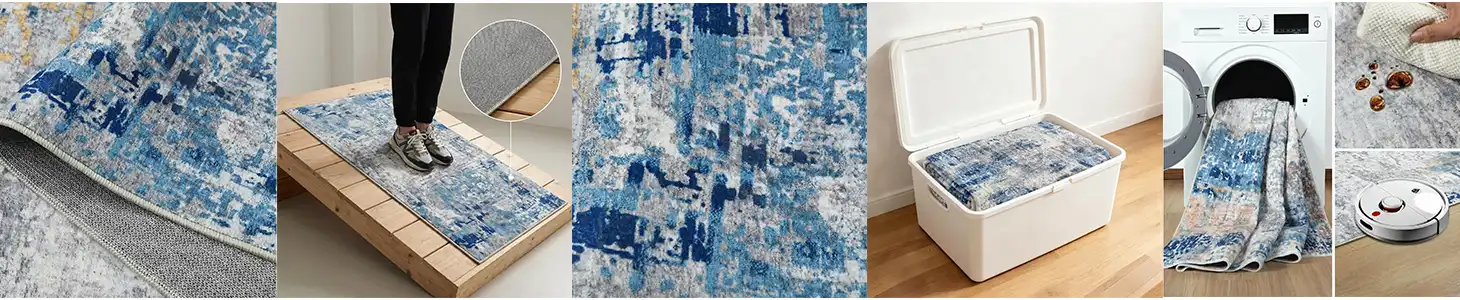
New materials blend luxury with maintenance characteristics. Fine faux cashmere is soft and durable like synthetic cashmere. For tiny rooms with rugs that move about, TPR (thermoplastic rubber) backing systems preserve the carpet's structure and offer high friction coefficients, preventing it from moving over hard surfaces. Machine-woven structure with edge locking prevents tearing, and the slick substance resists stains. CE and RoHS-certified products improve safety in household projects like young-child houses.
These factors make faux cashmere appealing to designers and purchasing managers who must combine look and usefulness. The smellless material may be put immediately without off-gassing delays that could impede project timetables.
How to Choose the Best Carpet for Small Living Rooms?
Effective purchase starts with clear selection variables. Instead of choosing the lowest option, purchasers should consider how each feature affects efficiency and maintenance costs. A systematic approach reduces expensive mismatches between product capabilities and business demands.
Traffic Volume Assessment
Finding the right hardness levels is easy with foot traffic data. Residential single-family homes need less abrasion protection than serviced apartments with plenty of mobility. Hexapod tumbler tests (ISO 10361) assess carpet tangling and breaking resistance. Commercial customers should request test results and compare product numbers. Near doorways or in open-plan flats where the living space is a walkway, a small living room carpet can help define the seating area and reduce wear on high-traffic zones, while heavy-duty carpets are essential elsewhere.
Material Selection Based on Usage Context
How often fibers need cleaning depends on kind. In humid areas, synthetic fibers function better than natural ones. Wool is beautiful but requires more care than synthetics. Professional steam cleaning is needed more regularly. Solution-dyed synthetics that don't smell and can tolerate enzyme cleaners for biological stains are best for pets. Budgets should account for these practical variances when calculating total cost of ownership.
Sizing and Design Considerations
The appropriate size enhances space and ensures furniture arrangement. Chairs and sofas should have carpeted front legs and floored rear legs. This layout highlights the seating area without dominating the room. Interior designers can help procurement teams choose model units since they understand how color temperature and pattern size affect space perception. Light, heathered hues conceal dirt better than black or white, reducing wear between cleanings.
Supplier Evaluation Criteria
Regular product, transparent communication, and excellent after-sales support distinguish reliable suppliers. Buyers should request OEKO-TEX, ISO 9001, and REACH certifications and guarantee conditions before placing significant purchases. Building texture, color correctness, and quality may be tested in person with sample evidence. Project feasibility depends on lead times and MOQ. Project portfolios with diverse demands benefit from flexible suppliers like 50-piece MOQs for size or color modifications. Makers with large daily production rates (2,000 square meters or more) keep their timetables regardless of delivery.
Maintenance Tips for Small Living Room Carpets to Maximize Longevity
Carpets stay longer and look better with preventive maintenance. Routines according to the fiber type and use reduce emergency cleaning and premature fiber replacement.
Regular vacuuming is still the best method to maintain items. Small living spaces benefit from HEPA-filter vacuums two to three times a week. This frequency prevents grit, which abrades and cuts fibers with each step. The pile should be lifted by vacuum designs in different directions to uncover rubbish.
Immediate Spot Treatment Protocols
Speed impacts spot removal. Blot liquid spills immediately with clean, white absorbent towels. Rubbing areas spread and degrade fibers. For water spills, use lukewarm water and mild soap. Special solvents may be needed for oil spills. Buying managers should provide carpet-guaranteed cleaning chemicals to the cleaning personnel, especially for a High-end Living Room rug where maintaining appearance and texture is critical. You may prevent accidentally modifying color or texture by testing solutions in hidden locations.
Protective Accessories and Traffic Management
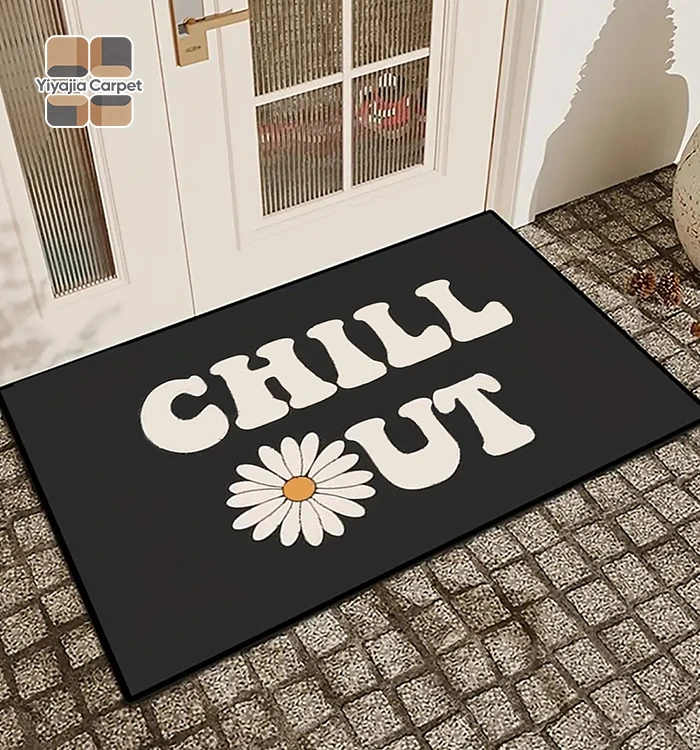
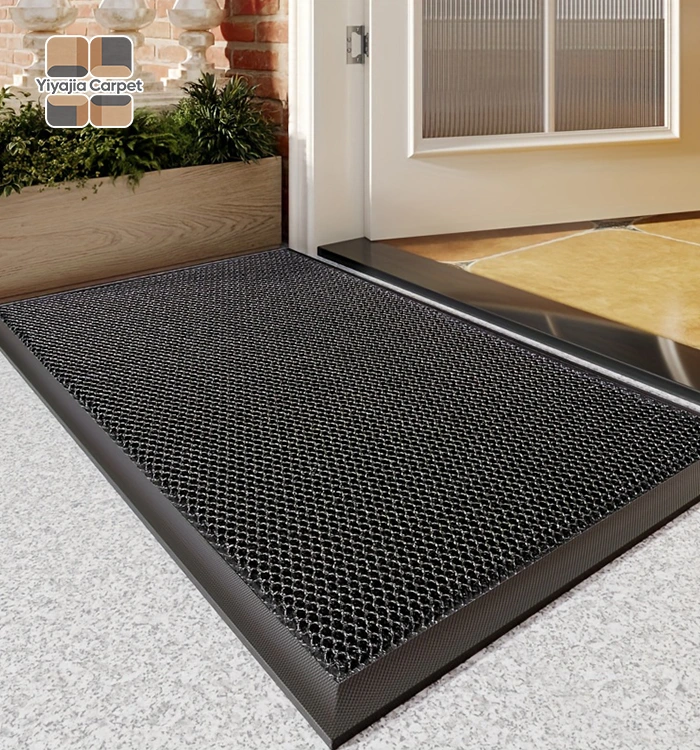
You clean less regularly with entrance mats because they capture dirt before it reaches the carpet. Protective pads under furniture legs prevent fiber crushing and damages. In tiny, furnished spaces, this is crucial. Adding area rugs to carpet between a couch and coffee table spreads wear across many layers. Move furniture once a year to mend damaged fibers and balance out wear patterns.
Professional Cleaning Schedules
Hot water extraction, or "steam cleaning," removes deep-down grime that a cleaner can't reach. Professional cleaning may be needed every 18 months for light domestic usage and once a year for corporate use, depending on traffic and fiber type. Buyers should ensure that service providers use guarantee-approved drying procedures. Wetness or lack of drying can cause backing to separate or mold to form, especially in tiny, poorly ventilated spaces.
Trusted Carpet Brands and Procurement Solutions for Small Living Room Carpets
Choosing reliable production partners reduces procurement risk and ensures product quality across projects. Established brands offer tested performance data, whereas newer brands may offer cheaper pricing and more customization. Global giants like Mohawk and Shaw have spent decades studying and ensuring fiber quality. Their products have stain-resistant technology and comprehensive warranties. Retail-focused firms like IKEA offer standard sizes to make repeating projects easier, but there may not be many options to customize them.
Evaluating Supplier Capabilities
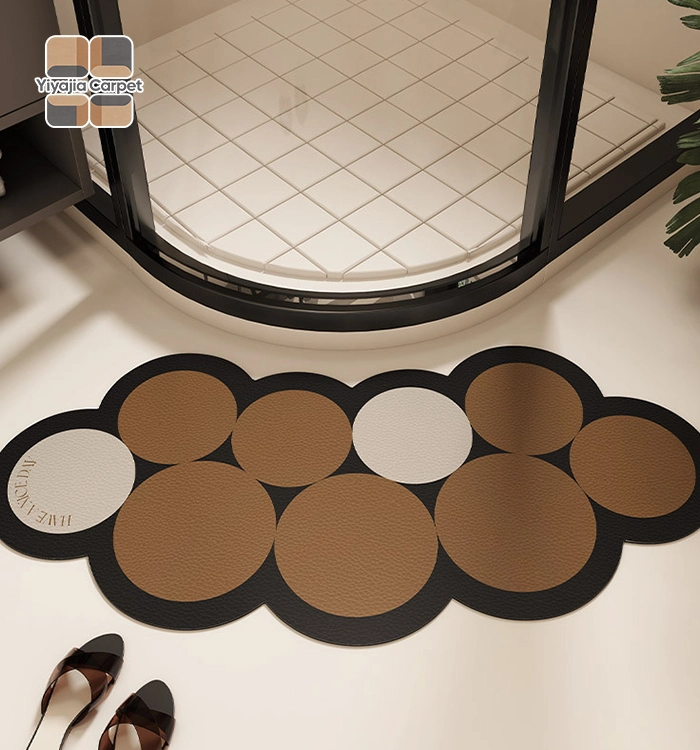
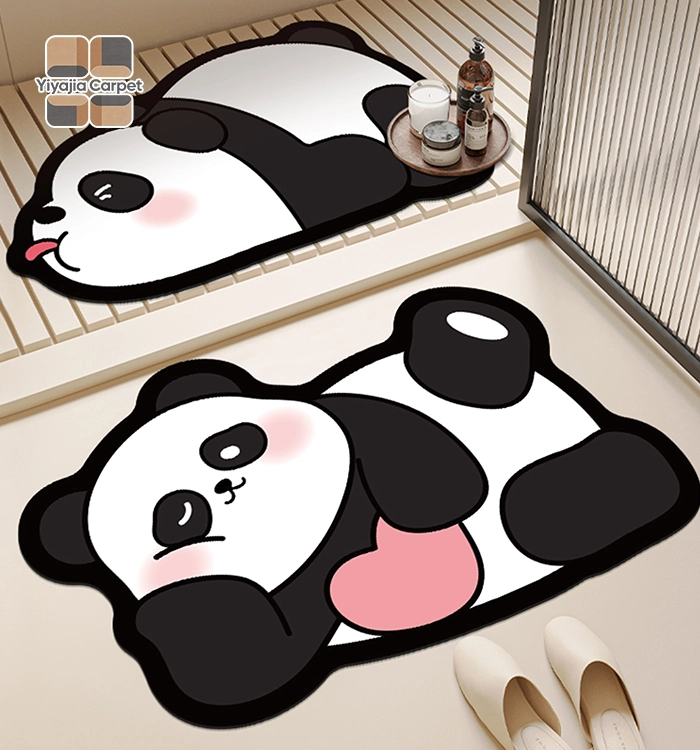
In addition to brand recognition, procurement professionals should consider how well a brand fits project technical requirements. Heat transfer printing and laser cutting let you modify patterns and construct non-round shapes without pricey equipment. These characteristics help hotel projects with branded aspects or unique aesthetics. Fast sample manufacturing (24–48 hours) from suppliers speeds up decision-making and project completion.
Production capacity affects delivery reliability. Well-developed mass-production lines and order tracking systems reduce container backlogs and late deliveries. Business liaisons for return customers maintain communication and prioritize manufacturing schedules. Quality warranties should be part of after-sales support. Guarantees to repair or replace damaged items for free, with the vendor paying shipping, demonstrate product quality.
Customization and Compliance Adaptation
International projects require suppliers who can comply with several rules. Manufacturers must have well-established testing and documentation processes for CE-certified European products, REACH-compliant chemical items, and flame-retardant industrial products (EN 1350). With one-stop compliance adaption, buyers have less documentation and customs clearance runs easily. Flexible customization fits many markets' needs. OEM (complete custom manufacture) and ODM (select-style modification) suppliers can save money by working with specific project goals and bulk procurement. Establishing customizable minimums early benefits buyers. Low MOQs like 50 pieces for size or color modifications and seven-day brand customisation allow smaller projects or test markets.
Yiyajia (Tianjin) Carpet Co., Ltd. shows this all-around approach. Our powerful heat transfer and precision laser cutting technology can handle any design or unusual form and may be modified for large orders. Due to full-process quality control, European, American, and Middle Eastern products exceed high safety and environmental criteria. We produce up to 2,000 square meters of items daily and utilize expert export-grade packaging that maximizes shipping containers to address product quality and transportation expenses. We guarantee the quality of large orders with free rework, replacement, and shipment if there are production problems as part of our after-sales service. Fast samples (24–48 hours) and low customisation needs make us an excellent partner for firms who need a continuous supply of items without delays.
Conclusion
Consider how long, how much upkeep, and how they will affect tiny areas when picking floor covers. In some cases, low-pile synthetics, nylon fibers, stain-resistant treatments, modular tiles, and novel materials like faux cashmere with TPR backing are beneficial, especially for a small living room carpet where space constraints and comfort are key. Beginning with price comparisons is not enough for effective procurement. Total cost of ownership, source trustworthiness, customization freedom, and compliance capabilities determine long-term pleasure. Regular care, spot treatment immediately, and protected accessories enhance hair life and appearance. Partnerships with manufacturers that offer tested quality processes, rapid shipment, and comprehensive after-sales support reduce risk and ensure project demands are met.
FAQ
Q1: What fiber type handles heavy foot traffic best in compact spaces?
A: Solution-dyed nylon 6,6 is durable and stretchy, making it ideal for high-traffic compact living spaces. It lasts longer than polypropylene or polyester because its molecular composition prevents breakage and matting. The material's endurance offsets greater initial costs with longer replacement intervals and lower maintenance.
Q2: How can stains be prevented rather than treated after occurrence?
A: Fluorochemical-free carpet stain solutions form molecular barriers to prevent liquid absorption. Using treated fibers and pressing within five minutes after a spill usually prevents permanent stains. The "no shoes" rule and entry mats in residences make dirt entry tougher.
Q3: Do carpet tiles truly match the aesthetic quality of broadloom options?
A: Modern carpet tiles match rolled carpets in quality. Dye technology and precision cutting have made gaps disappear when done perfectly. In businesses that prioritize lifetime costs, the modular benefit of replacing broken tiles separately generally exceeds aesthetic issues.
Partner with a Reliable Small Living Room Carpet Manufacturer
Where to buy goods affects project success long after installation. For small businesses and homes, Yiyajia Carpet makes low-maintenance floor coverings. Our high-quality TPR-backed faux cashmere rugs look fantastic and durable. Machine-woven to prevent fraying, they are CE and RoHS-compliant and safe. Flexible customisation supports projects with specified sizes, colors, or brand logos with MOQs starting at 50 units. Even large orders may be fulfilled on schedule with 2,000 square meters of daily output. Our quality guarantee includes free replacements and delivery, reducing your risk. For samples or project assistance, email sale@yyj-carpet.com. Discover how our engineering expertise and fast service may benefit small living room carpet suppliers.
References
1. Thompson, M. (2021). Carpet Fiber Technology and Performance Standards in Commercial Applications. Textile Research Journal Press.
2. Harrison, L., & Chen, R. (2020). Sustainable Flooring Solutions: Material Science and Maintenance Economics. International Facilities Management Association.
3. Rodriguez, P. (2022). Space Optimization Through Interior Textiles: A Designer's Technical Guide. Urban Living Publications.
4. European Standards Organization. (2019). EN 1350 Fire Performance Classification for Textile Floor Coverings. Brussels: ESO Technical Committee.
5. Klein, S., & Nakamura, T. (2023). Lifecycle Cost Analysis in Hospitality Procurement: Flooring Case Studies. Journal of Commercial Interior Management, 18(3), 45-67.
6. American Society for Testing and Materials. (2020). ASTM D1335: Standard Test Method for Tuft Bind of Pile Yarn Floor Covering. West Conshohocken: ASTM International.