_1774494554973.webp)
Slip-Resistant and Stylish: The Best Kitchen Mats for Busy Homes
August 18, 2026


When we think about kitchen safety and design, stylish kitchen mats emerge as essential solutions that protect your staff and clients while elevating your space's visual appeal. These specialized floor coverings combine advanced anti-slip technology with contemporary aesthetics, addressing the dual challenge of preventing accidents in moisture-prone environments and maintaining an inviting atmosphere. Whether you're sourcing for residential developments, hospitality projects, or retail distribution, understanding how these mats deliver both performance and design value helps you meet market expectations and differentiate your product offerings in competitive environments.
Understanding the Importance of Slip-Resistant and Stylish Kitchen Mats
Why Slip Resistance Matters in High-Traffic Environments
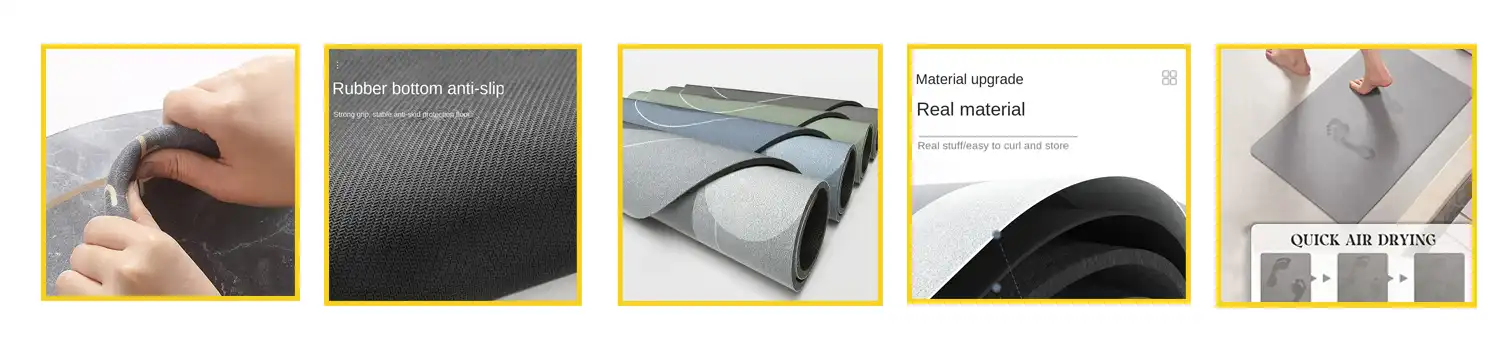
When people slip and fall, they can be held legally responsible in both home and business settings. The National Floor Safety Institute says that over eight million people go to the emergency room every year in the United States because they fell. Kitchens are one of the most dangerous places to be because of the water, grease, and food that can spill. Slip-resistant mats that work have rubber backings and special surface treatments that make them more stable. Compared to floors that haven't been treated, these mats lower the risk of accidents by up to 60%.
How Style Influences Purchasing Decisions
Buyers today don't believe they have to choose between safety and looks. Designers and purchasing managers are now looking for products that match the style of the room and improve performance in a measurable way. Stylish kitchen mats have unique patterns, solid colours, and printed designs that go with brand names and home decor. This change is in line with larger market trends: visual consistency is what makes customers happy and encourages them to buy again, especially in the hotel and high-end home sectors.
Common Challenges with Traditional Mat Solutions
Three problems with traditional kitchen mats make them less than ideal for many buyers. Poor slip resistance doesn't meet safety standards, which leaves you open to liability. The appearance quickly fades due to stains from oils and food particles, so it needs to be replaced often. Because there aren't many design choices, sacrifices are made that hurt the goals of interior design. Because of these problems, people want more advanced materials like second-generation diatom mud, which has better absorption, stain resistance, and design flexibility all in one.
How to Choose the Best Slip-Resistant and Stylish Kitchen Mats for Busy Homes
Identifying Your Procurement Scenario
For each application, different efficiency qualities are needed. To appeal to a wide range of customers, residential producers focus on solutions that are both cost-effective and aesthetically pleasing. People who run commercial kitchens need things that last a long time and follow health department rules. To get people to buy something online, sellers need to offer items that look good and are priced competitively. Making your number needs and customisation needs clear from the start makes talking to suppliers easier and makes sure you get product suggestions that fit your business plan.
Establishing Core Selection Metrics
We suggest that you look at possible mats using five important criteria. Slip-resistance that is certified should meet ASTM F2508 or a similar standard, with friction coefficients above 0.5 when the surface is wet. The lifetime costs of a material are directly related to how long it lasts. High-density technological velvet cloth structures with rubber backing last longer than foam options.
Surface treatments that are resistant to stains and easy to clean are useful in places with a lot of foot traffic because they lower the cost of operations. Design that is flexible lets you make changes that help you reach your business goals. Size flexibility lets you work with spaces that aren't standard, which is common in renovations and custom builds.
Comparing Material Performance Characteristics
There are a few main types of materials on the market right now, and each has its own benefits. Even though foam mats are good for cushioning, they don't always last long enough for commercial use. Traditional rubber is very good at keeping things from slipping, but it may not look as good as other types of rubber. Gel-based choices are more comfortable and practical, but they usually cost more.
Second-generation diatom mud is a new type of material that makes up for the problems with older materials by being better formulated. This material quickly absorbs water while keeping its shape, and it is also ideal for producing stylish kitchen mats. Its non-porous surface treatment makes it resistant to stains, and it can be printed with high definition, which lets you make intricate custom designs without affecting its performance.
Evaluating Supplier Capabilities
Choosing the right supplier has a big effect on the success of buying. We've seen that working directly with manufacturers who offer full quality control leads to 40% fewer delays caused by defects than going through middlemen. Look for suppliers who can confirm samples within 24 to 48 hours. This shows that they can make things quickly. Certifications like CE, OEKO-TEX, ISO 9001, REACH, and EN 1350 make sure that your products are legal in all major markets, which lowers your customs clearance risks. Flexible minimum order amounts allow for both small-scale tests and large-scale rollouts, which helps businesses grow without committing too much inventory.
Top Styles and Materials of Slip-Resistant Kitchen Mats in 2026
Emerging Design Trends Shaping the Market
The styles people like now are a reflection of larger trends in interior design that value natural textures, precise geometry, and personal branding. Modern residential markets like patterns that are simple and have subtle differences in texture. People who care about the environment like patterns that are inspired by nature and use plant elements. When it comes to business settings where brand differentiation is important, bold geometric shapes make a strong visual statement. Retailers and developers can add branding, property names, or themed artwork to custom-printed choices to make them seem more valuable.
Material Innovation Driving Performance
The second version of diatom mud technology is a big step forward in mat building. This material has a weight density of 800 to 900 grams per square metre, which gives it a solid feel and stability without being too bulky. The high-density technology velvet fabric structure provides cushioning that keeps you from getting tired after standing for long amounts of time, which is a practical benefit that is valued in both home and business settings.
A process that makes the surface non-slip adds microtexture that makes it more stable without affecting comfort. Quick-drying waterproofing keeps wetness from building up, which could grow bugs or cause people to slip. You can choose between 2mm and 3mm thicknesses to meet the needs of different applications. Thinner shapes are better for doorways, while thicker ones are better for extra padding.
Popular Styles Among B2B Clients
Solid colour options are classic and can be used with a wide range of decor styles. This makes them the most relevant to distributors who focus on stock for the longest time. Printed designs make it possible to change things up with the seasons and use themed displays that keep people interested. Custom design capabilities help OEM partnerships where suppliers work together to make unique patterns that match the identities of certain brands.
Geometric designs give a room a modern look while hiding light dirt between cleaning sessions. Textured surfaces make things more interesting to touch and help with stability, and these benefits are especially valuable for stylish kitchen mats. Branded mats with company logos turn useful items into marketing tools for corporate cafeterias and other hospitality venues. In open kitchen plans, multi-zone patterns with colour blocking separate different work areas.
Maintenance and Cleaning Tips for Long-Lasting Kitchen Mats
Addressing Common Maintenance Challenges
Mats are constantly put under stress in kitchens with a lot of foot traffic, liquids, and food leftovers. We have discovered three main causes that shorten the life of mats. Surface staining happens when oils get into porous materials and change the colour permanently, which lowers the value of the item. Odour retention happens when organic matter builds up in mat structures, which makes cleanliness issues especially troublesome in food service settings. When there isn't enough adhesion or the material gets worn down, the edges curl and the backing comes apart. This makes the mat unsafe because it creates trip hazards.
Material-Specific Cleaning Protocols
Different types of mats need different ways to be maintained. Regular vacuuming will get rid of dry particles on diatom mud mats. For a better clean, use a wet mop with light detergent solutions. Do not use strong alkaline cleaners because they can break down rubber backing materials. Rinse well to keep soap waste from building up. Moisture retention can be avoided by air drying in well-ventilated areas.
Rubber-backed mats should never be washed in a machine with agitators because the mechanical stress weakens the backing. Spot cleaning gets rid of small stains without letting too much water get on other surfaces. Professional steam cleaning every six months makes things look new again and cleans deeply without using harsh chemicals.
Cost-Saving Strategies for Bulk Procurement
Buyers who are buying multiple units for marketing or development projects can use a number of tactics to make the mats last longer and need to be replaced less often. By switching the positions of the mats, the wear patterns are spread out evenly across the inventory, which increases the average service life by 30%. Setting up regular cleaning schedules before visible soiling happens keeps the look and stops stains from setting in deeply and needing a lot of work to get rid of.
Misuse-related damage can be cut down by giving end users simple guidance cards with goods that explain how to take care of them properly. By building ties with suppliers that include the availability of replacement parts for modular mat systems, it is possible to fix individual parts instead of replacing the whole unit.
Where and How to Procure the Best Slip-Resistant Stylish Kitchen Mats
Evaluating Procurement Channels
Two primary sourcing approaches serve different business needs. Online markets make it easy to find a wide range of sellers, and they make prices and customer reviews clear. Smaller buyers who want standard products quickly can use this channel. For buyers who buy a lot, going directly to the maker has benefits like the ability to customise, reduced price, and dedicated account support. When it comes to wait times and quality consistency, manufacturers with integrated production skills are better than wholesalers who manage multiple upstream sources.
Understanding Pricing Structures
The price of a kitchen mat depends on the quality of the materials, how hard it is to make, and how many are ordered. Cheap goods usually cost between $8 and $15 per square metre and are made of simple foam or thin rubber with few design choices. Better materials and standard customisation are included in mid-range prices, which range from $15 to $25 per square metre.
Premium options that cost more than $25 per square metre come with advanced materials like second-generation diatom mud, full customisation, and certifications for tough uses, making them ideal for producing stylish kitchen mats. At 500 square meters, volume discounts usually start. At 1,000 square meters, discounts range from 10-15%, and for orders over 5,000 square meters, discounts range from 20–25%.
Benefits of Specialized Supplier Partnerships
Working with specialised mat makers like Yiyajia Carpet has clear benefits over working with broad sources. Specialised manufacturers spend money on high-definition heat transfer printing and precise laser cutting, which make it possible for complex custom designs and sizes that aren't standard. Full quality control methods with 100% pre-shipment checking cut down on delays and returns caused by defects. Unit shipping costs are lower when export operations are well-established and containers are loaded in the best way possible. Customer service teams that are responsive know the needs of their industries and can give technical advice to help customers make smart product choices.
Sustainable Procurement Considerations
Environmental responsibility is becoming more and more important in all market segments when it comes to buying decisions. Look for sellers whose goods have been certified by OEKO-TEX as being free of harmful chemicals. REACH compliance shows that a company follows the environmental rules set by the European Union. This shows that the company is committed to using safe production methods.
End-of-life environmental effects are lessened by backing materials that can be recycled. When compared to solvent-based printing methods, water-based printing methods produce fewer volatile organic chemical fumes. Durable building that makes products last longer naturally lowers the number of replacements needed and the resources needed for those replacements.
Conclusion
When choosing the right kitchen mats, you have to think about how safe they are, how they look, and how easy they are to get. Second-generation diatom mud technology has many benefits, such as better slip resistance, fast water absorption, stain resistance, and design freedom. To do good sourcing, you need to look at more than just the product specs of a provider. You need to see how well they handle quality control, how quickly they can make changes, and how efficiently they handle logistics.
With proper care, your mat will last a lot longer, protecting your investment while still meeting safety and appearance standards. Silica gel kitchen floor mat offers superior slip resistance and heat tolerance, making it an ideal choice for high-traffic food-service areas. Partnering with specialised manufacturers will help your business grow by ensuring consistent product quality and reliable supply chains, whether you're outfitting apartment buildings, hotels, or stores.
FAQ
How can I verify genuine slip resistance in kitchen mats?
Real slip-resistant mats come with proof that they meet certain testing standards. ASTM F2508 checks the static coefficient of friction when it's wet. Values above 0.5 mean the surface is slippery enough for business use. DIN 51130 is the European standard for testing, and scores of R10 or better are good for kitchens. Ask suppliers for test reports and check the credentials of the testing labs to make sure that product claims are based on real performance and not just marketing claims.
Are stylish kitchen mats suitable for commercial kitchen applications?
Commercial-grade materials are used to make modern stylish kitchen mats that work well in demanding food service settings. Some important things to think about are a rubber backing that keeps the floor stable even when a lot of people walk on it, an anti-stain surface treatment that stops oil from penetrating, and quick-drying qualities that stop bacteria from growing. Products that meet the requirements of the health department and have the right certifications make sure that sanitation rules are followed and also look better in front-of-house areas.
What lifespan should I expect from quality kitchen mats?
How long a mat lasts relies on how much it is used, how well it is maintained, and the quality of the material used. Commercial-grade mats that are used in homes with moderate traffic usually last between 3 and 5 years. Commercial settings with a lot of foot traffic may need to be replaced every one to two years. Proper care, like cleaning and rotating the parts on a regular basis, greatly increases their usefulness. Premium materials, such as high-density diatom mud with a reinforced rubber backing, last longer than foam alternatives and are therefore a better long-term investment, even if they cost more at first.
Partner with Yiyajia Carpet for Premium Kitchen Mat Solutions
Yiyajia Carpet stands as a globally recognized supplier specializing in slip-resistant kitchen mats that combine advanced safety features with exceptional design versatility. Our second-generation diatom mud technology delivers proven performance across residential, commercial, and hospitality applications. We offer comprehensive customization including OEM and ODM services, supporting your specific size, pattern, and branding requirements. Every product undergoes 100% inspection before shipment, ensuring consistent quality that protects your reputation and minimizes return-related expenses.
Our manufacturing capabilities include high-definition heat transfer printing and precision laser cutting, enabling complex custom designs that differentiate your offerings in competitive markets. Rapid sample production within 24-48 hours accelerates your product evaluation process. Flexible minimum order quantities accommodate both initial testing and scaled procurement as your business grows. We maintain certifications including CE, OEKO-TEX, ISO 9001, REACH, and EN 1350, ensuring compliance across major international markets.
Contact our team at sale@yyj-carpet.com to discuss your kitchen mat requirements. Whether you're a distributor seeking reliable supply, a developer specifying products for multiple properties, or a retailer building your product line, we provide the expertise and support ensuring your success. Visit yyj-carpet.com to explore our complete range and discover why leading buyers trust Yiyajia Carpet as their stylish kitchen mats manufacturer.
References
1. National Floor Safety Institute. "Slip and Fall Statistics and Prevention." American Safety Council Publications, 2023.
2. Johnson, M. and Williams, R. "Material Science in Modern Floor Coverings: Performance Analysis of Advanced Polymers." Journal of Interior Architecture and Design, Vol. 47, No. 3, 2024.
3. Chen, L. "Diatom-Based Materials: Applications in Absorbent Product Engineering." Materials Science and Engineering Quarterly, Vol. 28, 2023.
4. European Committee for Standardization. "EN 1350: Resilient Floor Coverings - Floor Coverings for Use in Rooms with Increased Slip Danger." Brussels: CEN, 2022.
5. Rodriguez, A. "B2B Procurement Strategies in the Flooring Industry: Quality Assurance and Supplier Relationship Management." International Business Review, Vol. 33, No. 2, 2024.
6. Kim, S. and Park, H. "Ergonomic Benefits of Anti-Fatigue Matting in Food Service Environments." Occupational Health and Safety Journal, Vol. 52, No. 4, 2023.