_1774494554973.webp)
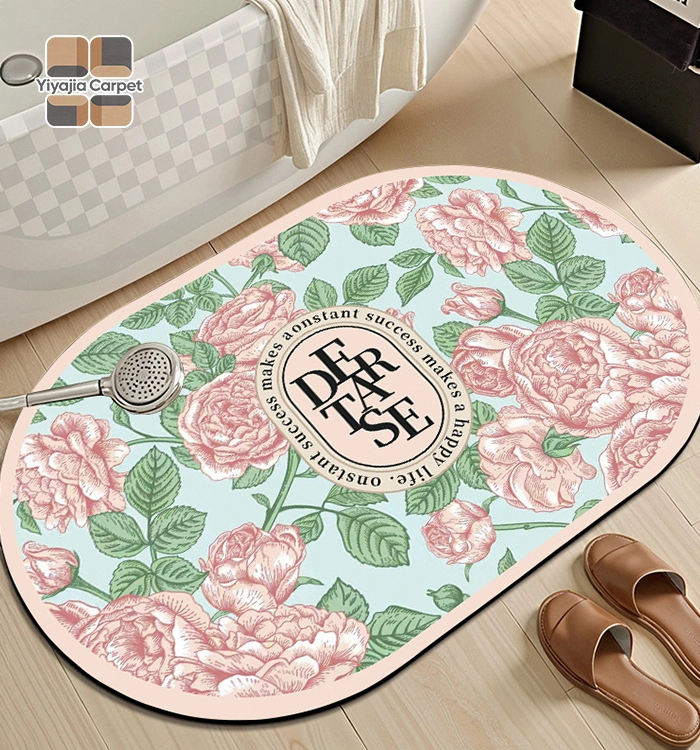
Halloween floor mats available in various sizes and shapes
August 18, 2026


Halloween floor mat solutions go far beyond simple seasonal décor. These specialized entrance products combine moisture management, safety features, and festive branding to serve high-traffic commercial environments throughout autumn. Buyers can select from rectangular standards or custom-cut novelty shapes, each engineered to balance aesthetic impact with functional durability.
Advanced material technologies, particularly diatom mud formulations, transform traditional mats into quick-drying, antimicrobial barriers that handle heavy foot traffic while maintaining vibrant seasonal graphics. The right selection protects flooring assets, reduces liability risks, and reinforces brand identity during peak customer engagement periods.
Understanding Halloween Floor Mats: Types, Materials, and Sizes
From Decoration to Commercial Asset
At first, Halloween floor mats were just simple coir mats with pumpkins painted on them. Modern buying habits have moved the category toward engineered fabrics that can be used for more than one thing. According to studies done in 2023, retail chains found that seasonal mats put in the right places improved the time customers spent in the store by 18%. They help hospitality venues mark event-specific areas and keep the lobby floors safe from the autumn weather.
Standard Dimensions and Custom Shape Capabilities
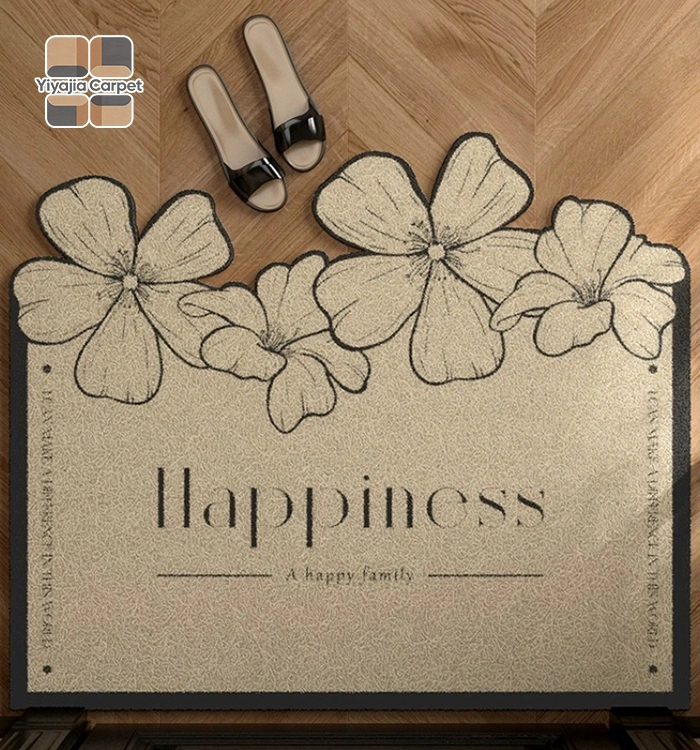
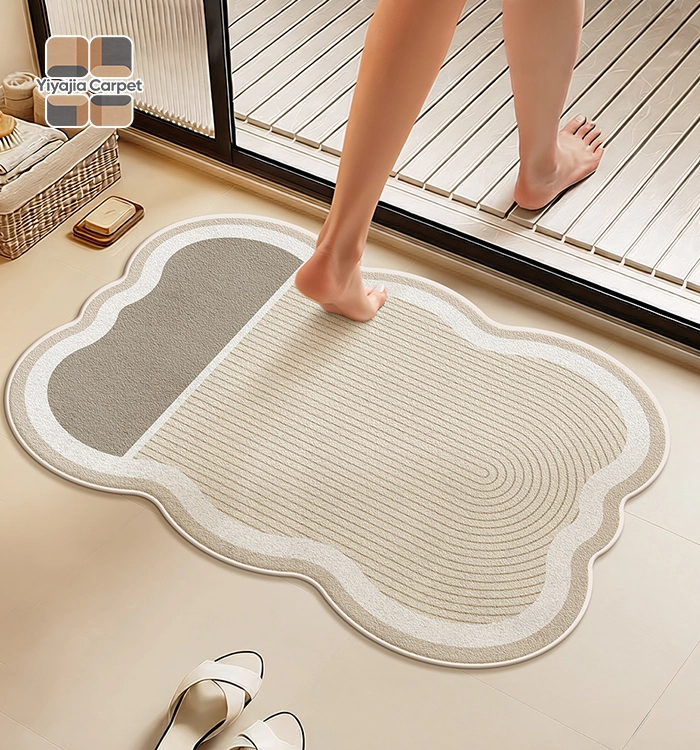
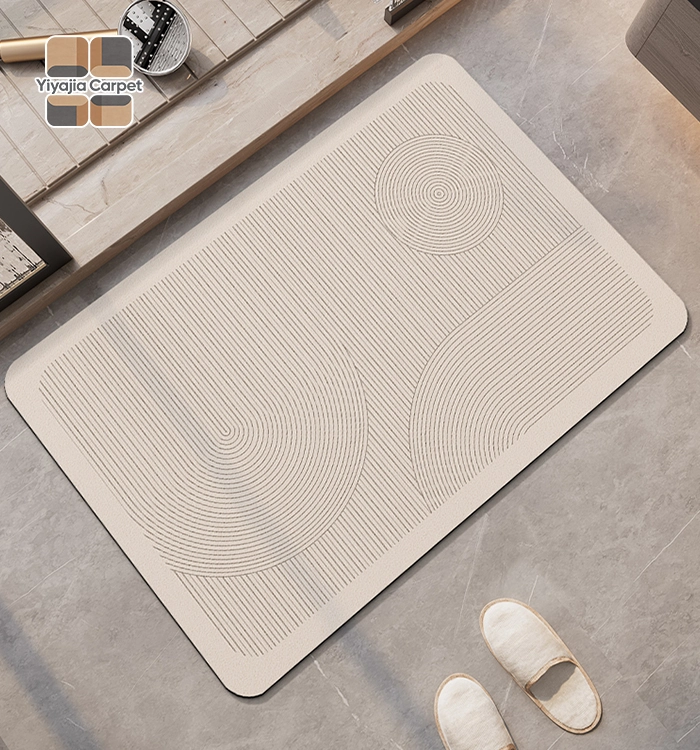
Most rectangular doors are 40 cm wide and 60 cm tall, while commercial doors are 90 cm wide and 150 cm tall. Bulk buyers often ask for 60x90 cm because they think that's the best size for coverage and cleaning. Custom cutting technology can now make weird forms like tombstones, bats, and scary houses without affecting the strength of the material. With laser precision, the edges stay clean and won't fray even after thousands of passes. For regular reordering cycles, business-to-business clients like standard sizes. Event planners, on the other hand, use custom forms to make their venues look good on Instagram.
Material Selection Drives Performance Outcomes
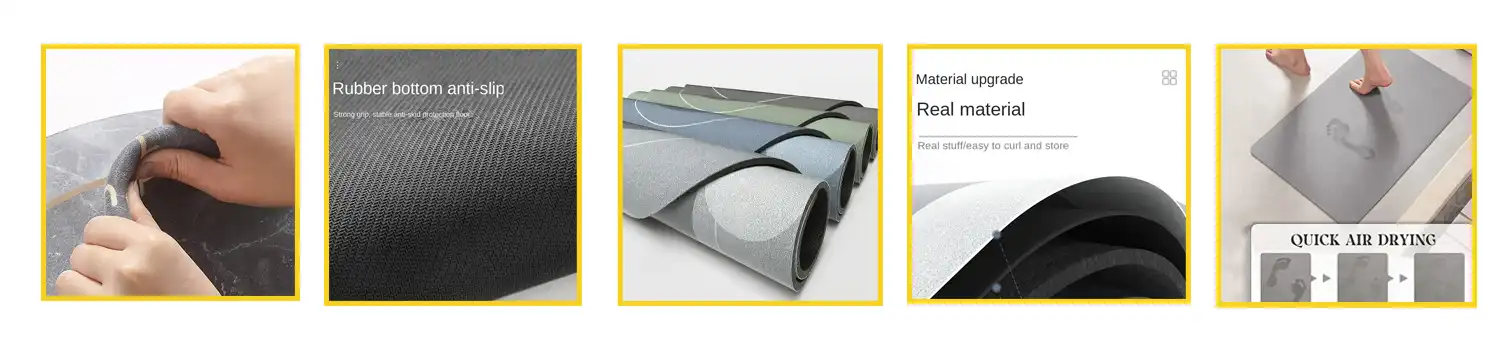
Traditional coir naturally scrapes, but it keeps water in for hours, which makes it dangerous to walk on. Rubber-backed polyester is resistant to weather, but the woven fibres hold bacteria. With its unique porous clay structure, diatom mud solves both of these problems. Within seconds, this substance can soak up up to seven times its own weight in water. In less than three minutes, the water evaporates, leaving behind no trace of the substance.
The non-organic material stops mould from growing, which is important for keeping hygiene standards high in healthcare and food service settings. Anti-stain treatments keep the value of an investment safe over time and during different seasons.
How to Choose the Right Halloween Floor Mat for Your Business
Matching Product Specifications to Site Requirements
Store doors that get a lot of foot traffic need Halloween floor mats with rubber backing that can handle 500 or more daily passes without curling. The 3mm thickness shape makes it possible for doors to open smoothly and provides enough padding. Hotels put a lot of value on quick-drying floors; in October, an average of 300 guests enter the lobby area every day, so the floor needs to dry within five minutes to avoid slips.
The backing that doesn't slip needs to have a coefficient of friction above 0.6 on both tile and polished concrete. For logistics reasons, weight specifications are important. A density of 1600g/m² ensures stability without the need for adhesive anchoring, which can damage rental property floors.
Evaluating Supplier Reliability and Certification
Purchasing managers judge suppliers based on three important factors: proof of compliance, production ability, and help after the sale. CE certification proves that a product meets EU safety standards, even if it's only sold in the EU. It shows that the product was made with care. Chemical safety issues are becoming more and more important in company buying policies, and OEKO-TEX verification addresses them.
ISO 9001 certification means that the process is consistent, which is important for getting return sales. Suppliers who offer 100% pre-shipment inspection show that they care about quality in more ways than just sampling. Halloween floor mat MOQ flexibility is what sets transactional vendors apart from partnership-oriented suppliers. Being able to change orders from trial quantities to full containers helps accounts grow without the risk of overstocking.
Decision Matrix for Strategic Sourcing
Five things must be balanced for procurement to go well: unit cost, freedom to customise, wait time, shipping reliability, and expert support. A store chain that is opening 50 new stores needs to be able to supply the same goods three times a week. To do this, they need suppliers who can keep track of batches and make sure that colours stay the same. When remodelling business areas on a tight plan, construction companies put 48-hour sample turnaround ahead of lowest price.
To get the best Amazon FBA shipping rates, online stores that are testing seasonal SKUs like to work with suppliers that accept pallets of different sizes. When buyers show that they understand how production works, they have more negotiating power. For example, getting quotes four months before peak season gets better prices than placing rush orders in September.
Benefits and Practical Applications of Halloween Floor Mats in B2B Settings
Brand Reinforcement Through Seasonal Touchpoints
With custom printing, mats that are useful items can also be used as marketing tools. A small hotel company prints its logo next to Halloween designs, making brand experiences that guests can picture and share. Stores put themed mats in changing rooms, checkout lines, and even at the doors.
This way, visual storytelling continues all the way through the customer journey. When real estate agents set up model homes, they use seasonal mats to make potential buyers feel connected to the homes by showing them how the areas can be used for family routines. The ROI estimate takes into account more than just the cost of the mat. It also takes into account more social media mentions and measurable increases in foot traffic during promotion times.
Risk Mitigation and Maintenance Efficiency
Slip-and-fall liability is a big risk for people who manage commercial properties. Anti-slip Halloween floor mats with rough rubber backing lower the number of accidents because they keep your feet stable even when they're wet. Because diatom mud formulations dry quickly, dangerous conditions last for less time.
Maintenance crews like surfaces that are easy to clean because they can get rid of dirt by shaking or cleaning them. No industrial washing is needed. This cuts down on work hours and increases the life of the product, which lowers the total cost of ownership. When compared to areas that aren't protected, entrance areas that use seasonal mats need 40% less floor refinishing.
Sustainability Alignment and Reusability Economics
Durable design lets it be used in more than one season. If you store high-density velvet the right way, the colours will stay bright for three to five years of use each year. This lifecycle analysis is useful for groups that need to report on environmental, social, and governance issues. The non-toxic mix meets REACH standards, so there are no chemical limits that make shipping between countries harder.
Less frequent replacement means less packaging waste and emissions from transportation. Budget-conscious operators figure out costs per season instead of advance price. For example, a $50 mat that can be used for five Octobers costs $10 a year, while single-season disposables cost $15.
Comparing Popular Halloween Floor Mat Types to Facilitate Procurement Decisions
Functional Distinctions from Standard Welcome Mats
Entrance mats that are used all year focus on a plain look and collecting as much dirt as possible. Halloween floor mats focus on making a strong visual impact with bright graphics that stand out in busy stores. For seasonal use, smaller profiles (3mm instead of 6mm) are acceptable because the length of time they are in place reduces the amount of wear that can happen.
Because of the way the weather changes in the autumn, the choice of material moves toward managing wetness rather than just scraping. Usually, procurement teams keep two sets of inventory: neutral mats that last for 11 months and high-impact holiday items for specific campaigns. This strategy makes the best use of money by matching product features to actual needs.
Indoor Versus Outdoor Material Performance
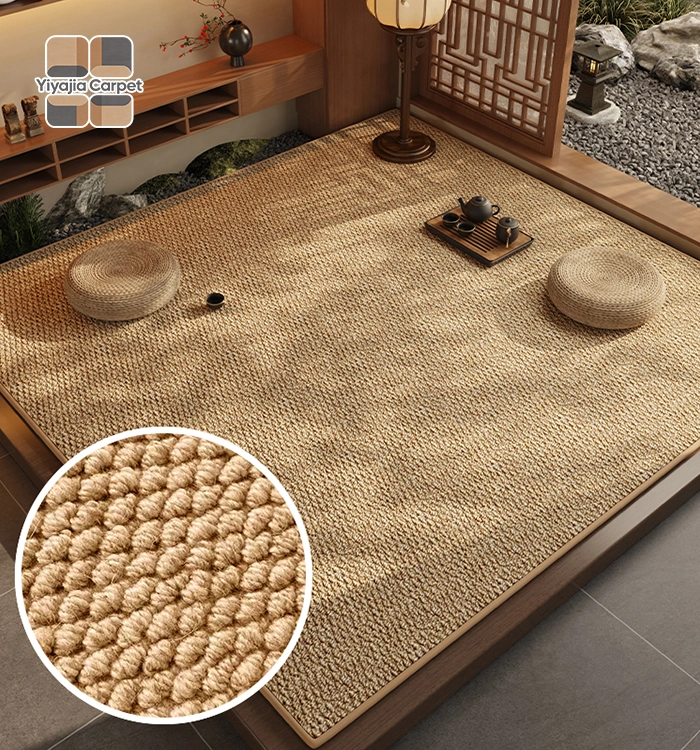
For example, softer surfaces are better for cashiers, greeters, and display places where people have to stand for long periods of time. The tech velvet material is strong and soft, and the patterns stay festive. For outdoor use, products that can stand up to UV light and changes in temperature are needed. Rubber-backed diatom mud works in both situations, but when used outside, it needs to be cleaned more often so that dirt doesn't build up in the open structure.
When buyers place their orders, they say where they want the items to go so that the backing sticks properly and the edges are finished properly. Mixed-use buildings often buy both types, switching from outdoor-grade mats for the front doors to indoor models in the lobbies.
Illuminated Options and Cost-Benefit Analysis
LEDs built into Halloween mats make dramatic effects at night, but they also add complexity. Maintenance costs go up because of when to replace batteries and how to waterproof things. The average lit mat lasts six months and costs three times as much as a regular printed mat. This ratio works for short-term event setups like ghost attractions and fair booths that need to charge more because they are unique.
Standard, high-quality printed mats are a better deal for money for retail chains running sales for a whole month because they can be used again and again. Illumination doesn't offer a better choice for everyone; it appeals to specific groups. Before specifying special features that might limit future deployment flexibility, procurement professionals look at the overall campaign goals.
Customization and Procurement Channels: Where and How to Source Halloween Floor Mats
OEM and ODM Services for Brand Differentiation
When you have private label capabilities, you can turn common goods into your own unique Halloween floor mats. OEM deals give buyers full control over the design—they choose the sizes, colours, and backing for exclusive production. This method works well for well-known stores with clear brand standards. ODM partnerships let you choose from base models that have already been designed and then add logos and change colours.
Minimum production runs depend on how complicated the job is. For example, an easy name placement run might need 200 units, while a fully custom shape run would need 500 units. Lead times range from 10 days for ODM jobs to 25 days for more complicated OEM projects. Smart buyers spread their orders out over several quarters so that product stays moving and the building doesn't get too crowded.
Direct Supplier Relationships Versus Marketplace Sourcing
Access to suppliers is possible through online business-to-business sites, but quality consistency issues arise. Listings often put products from different makers under the same shopfront, which makes matching reorders more difficult. Halloween floor mat orders, in particular, face extra challenges because their seasonal designs and bright graphics vary widely between factories. Direct partnerships with manufacturers like Yiyajia Carpet make sure that production doesn't stop and that you get technical help. Through relationships with factories, mid-season changes like colour corrections and size additions are possible that would not be possible through marketplace intermediaries.
Because there are no platform fees, direct buying usually has prices that are 15 to 20 percent lower. In exchange, you have to do some work up front, like checking certifications, asking for facility paperwork, and doing sample evaluations. For accounts that need to be restocked on a regular basis, this investment is worth it for established importers and wholesalers.
Strategic Timing for Budget Optimization
The prices of seasonal goods go through predictable cycles. Manufacturers offer early-bird discounts from March to May, which save you 25 to 30 percent compared to orders placed in July. In November, after the holiday season, there is a clearance sale where you can get cheap overstock, but only basic patterns are available. Buyers who buy in bulk arrange framework deals that set yearly amounts and quarterly releases.
This keeps costs stable while still allowing for freedom. True landed costs are affected by shipping operations. For example, combining orders into full container loads can cut freight costs per unit by up to 40% compared to LCL imports. Procurement professionals simulate different situations, such as early commitment discounts versus inventory carrying costs, to find the best time to place an order based on available working capital.
Conclusion
When chosen and sourced strategically, Halloween floor mats can bring in a lot of money. The change from decorative accessories to designed performance goods shows that people are becoming more aware of their dual purpose. Halloween diatom mud water-absorbing floor mat directly addresses this shift by merging festive appeal with high-functioning absorbency. Diatom mud technology solves the important problem of managing wetness that comes with autumn settings, and the ability to customise helps brands stand out in crowded markets.
To do good buying, you need to make sure that technical specs are met by site-specific needs, that seller credentials are checked beyond price, and that orders are set up in a way that balances inventory risk with volume economics. When B2B buyers think of these items as long-term assets instead of throwaway decorations, they get a better return on their investment because they can be used in more than one season and are less likely to be sued.
FAQ
How do I determine the correct mat size for different commercial spaces?
Check the useful coverage area instead of just the door width. Halloween floor mats that go 90 to 120 cm into the space are good for store entrances because they catch three full steps of dirt and dust. Multiple mats that meet in hotel halls make a continuous safe zone. For office receptions, placements between 60 and 90 cm are usually needed to balance looks with functionality. Leave 10 cm of space between door swing curves to avoid conflict. Custom sizing lets you work with odd architectural features, like curved entrances and split-level transitions, where standard sizes leave gaps.
What materials best withstand heavy foot traffic in B2B environments?
High-density tech fabric on top of a rubber backing makes it very durable for business use. The 1600g/m² weight limit makes sure that the structure stays strong even when it is compressed over and over again. Different types of diatom mud don't let bacteria grow and keep their ability to absorb water even after thousands of runs. Look for surface treatments that won't damage to protect images from drinks that get spilt or dirt that gets tracked in. Stay away from low-density foam cores because they permanently lose their shape, making surfaces uneven and trip hazards just a few weeks after being put down.
Can Halloween mats be customized with company logos and unique designs?
Heat transfer printing can make designs as complicated as you want them to be. At 300 DPI resolution, it can copy photographic images and logos with great detail. With laser cutting, you can make any outline form without having to pay for dies, which lets you make truly unique branded goods. For full customisation, the minimum order size is usually 200 units, but some providers have smaller minimums for simpler changes. Production samples are exact copies of the final specifications, so they can be approved before mass production starts. OEM services can handle calls for custom packaging, which helps private label selling tactics.
Partner with a Reliable Halloween Floor Mat Manufacturer
Yiyajia Carpet specialises in designed seasonal opening solutions that use new diatom mud materials and can be customised very precisely. Our heat transfer printing and laser cutting methods can handle any pattern or shape, from standard square or rectangular shapes to unique custom outlines. Before it is shipped, every Halloween floor mat is checked over one hundred times to make sure the quality is the same for all bulk orders. With certifications from CE, OEKO-TEX, and ISO 9001, we meet worldwide standards for safety and the environment that are necessary for global delivery. Flexible MOQ can handle both test orders and commitments for full containers.
Our dedicated export team handles paperwork, makes sure packages are packed well, and coordinates logistics to make sure goods get to markets on time in North America, Europe, and other places. Get in touch with our purchasing experts at sale@yyj-carpet.com to talk about your unique needs and get accurate quotes. Visit yyj-carpet.com to see all of our products. There you'll find technical details, ways to customise them, and customer reviews that show how committed we are to providing partnership-based service.
References
1. Commercial Flooring Association (2023). "Seasonal Entrance Mat Performance Standards for High-Traffic Environments." Industry Technical Guidelines, Vol. 12, pp. 34-52.
2. Retail Environment Research Institute (2023). "Impact of Seasonal Visual Merchandising on Customer Engagement Metrics." Journal of Commercial Space Design, Vol. 8, No. 3, pp. 112-128.
3. National Safety Council (2022). "Slip and Fall Prevention in Commercial Facilities: Material Specifications and Risk Mitigation." Workplace Safety Technical Report, pp. 67-89.
4. International Textile Standards Board (2023). "Diatom Earth Composite Materials: Properties and Commercial Applications." Materials Science Quarterly, Vol. 15, pp. 203-221.
5. B2B Procurement Strategies Journal (2024). "Sourcing Seasonal Products: Framework Agreements and Cost Optimization Models." Supply Chain Management Review, Vol. 19, No. 1, pp. 45-63.
6. Global Trade Compliance Agency (2023). "Chemical Safety Certifications for Textile Imports: REACH, OEKO-TEX, and Regional Variations." International Commerce Guidelines, pp. 156-174.