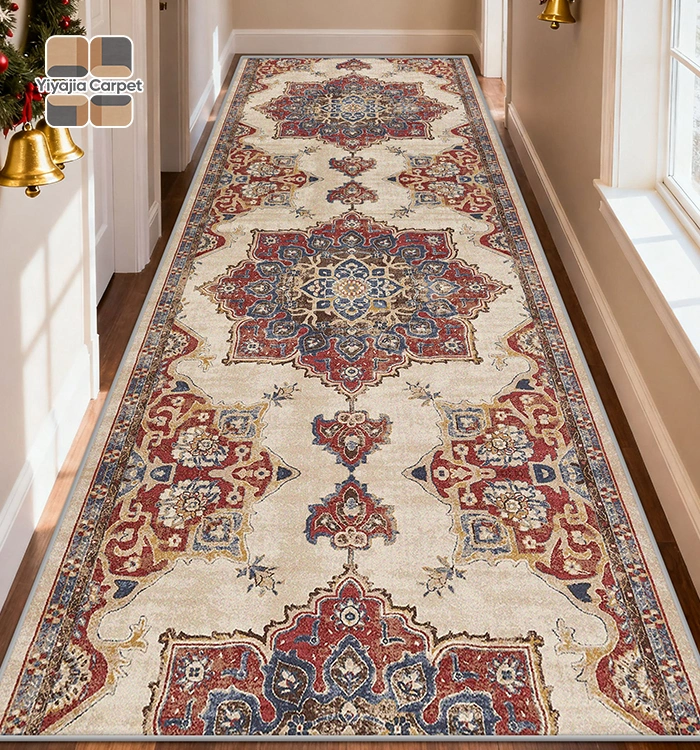
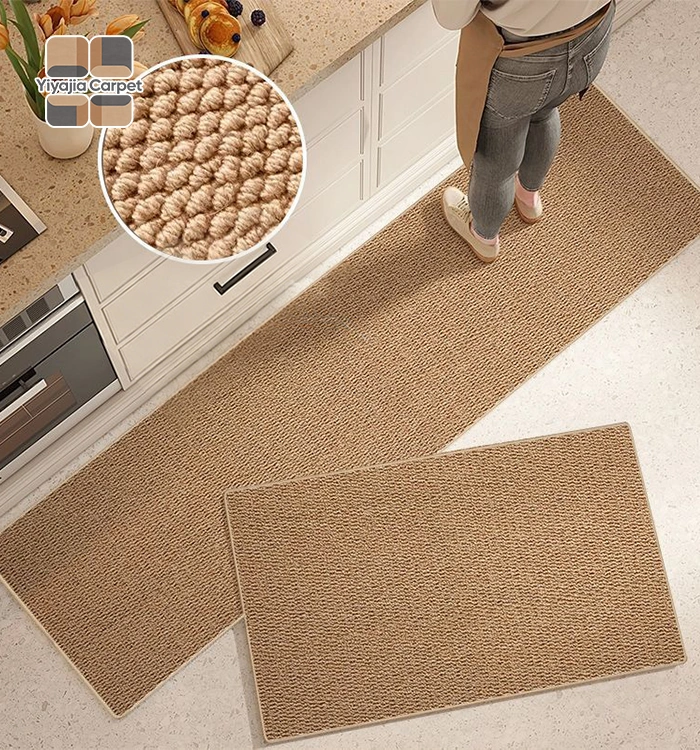
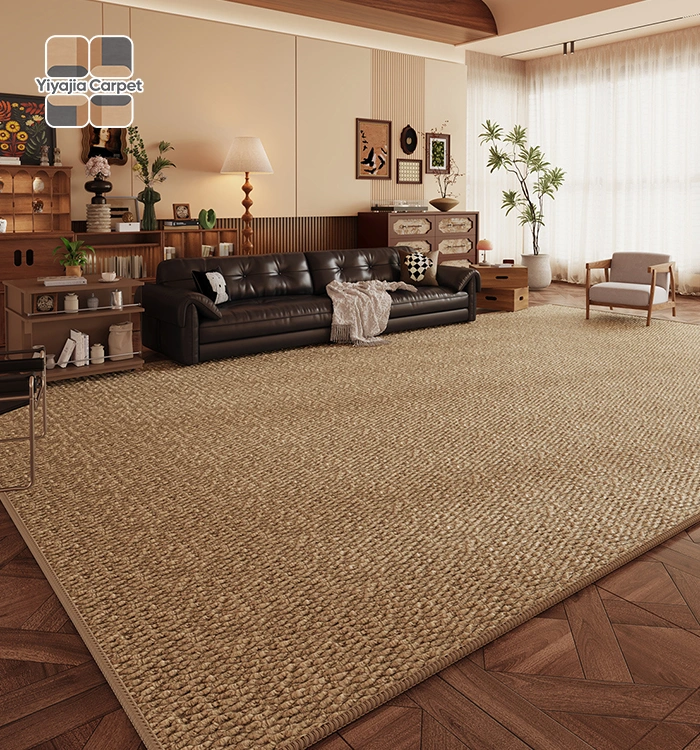
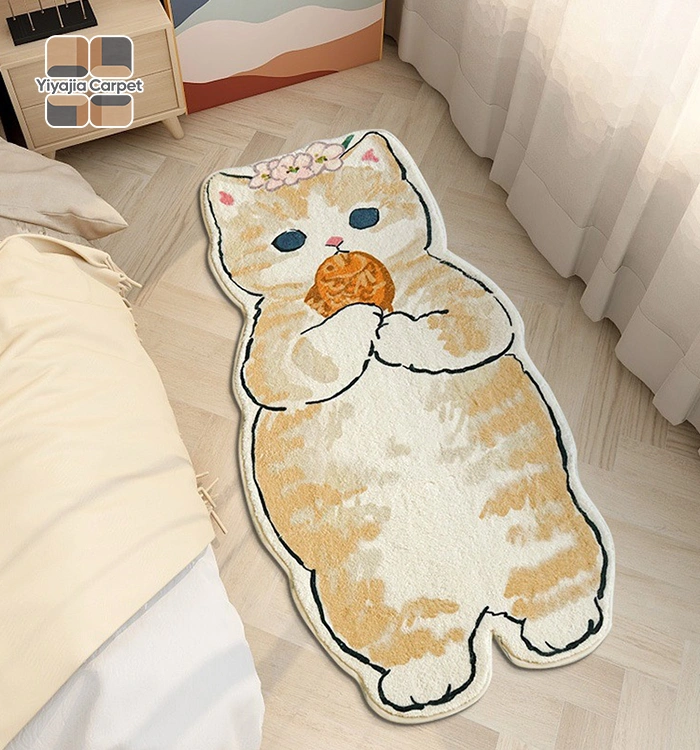
_1774494554973.webp)
Should You Choose Carpet for Your Bedroom?
July 29, 2026


If you want to know if bedroom carpeting is the best flooring for your project, you need to weigh comfort, performance, and cost-effectiveness. Carpet is the softest flooring material, better at keeping heat in, and quieter than other flooring types. These are all qualities that are highly valued in master suites, hotel guest rooms, and corporate housing developments. Modern bedroom carpeting uses advanced fiber technologies, is nontoxic, and can be styled in a variety of ways to fit different project needs. For B2B procurement professionals who handle large orders, knowing the composition of the materials, how they should be installed, and how reliable the supplier is turns this flooring choice from an aesthetically pleasing one into a smart investment that keeps operations running smoothly and makes users happier.

Understanding the Decision to Choose Carpet for Bedrooms
If you want to choose carpet for your bedroom, you need to think about more than just how it looks. The material blocks heat without doing anything, which increases the R-value and lowers energy costs in colder places. However, acoustic properties are still very important. Good carpet has an NRC rating between 0.35 and 0.55, which means it significantly reduces noise from footsteps compared to hard surfaces. This is very important in multi-story housing and hospitality projects where people often worry about sound transfer.
Comfort and Insulation Benefits
It is directly related to how people feel that bedroom carpeting affects their happiness in both home and business settings. Triexta or wool fibers used in high-pile builds give floors a rich softness that hardwood and laminate can't match. This comfort factor becomes a key selling point for hotel buyers and real estate developers who want to set their properties apart. In addition to being comfortable, carpeting keeps the floor at a constant temperature, so you don't have to deal with the cold shock that can happen with tile or concrete subfloors in the winter. Purchasing managers should know that these thermal benefits save energy over the lifetime of the product, which makes up for higher original investment costs by lowering the need for HVAC.
Addressing Common Concerns
When businesses buy things from each other, they often talk about how long the materials will last and how much maintenance they need. Today's continuous filament fibers, like Nylon 6,6 and solution-dyed materials, are very strong and don't lose their color even when they're being used in a bedroom with normal traffic. Contrary to old beliefs, well-kept carpet actually improves the quality of the air inside by holding particles until they can be vacuumed up, rather than letting dust move back and forth across hard surfaces. Products that have the CRI Green Label Plus certification give off very little VOCs (less than 0.5 mg/m² per hour), which addresses health concerns raised by designers and project managers who care about meeting occupant wellness standards.
How to Choose the Best Carpet for Your Bedroom: Criteria & Metrics
For procurement teams to be successful with bedroom carpeting, they need organized ways to compare technical requirements with project-specific needs. Different types of projects have very different decision scenarios. For example, high-end home developments want the softest materials and a wide range of looks, while hotel developments want materials that are stain-resistant and easy to clean. When you understand these subtleties, you can avoid expensive mismatches between what a product can do and what it needs to do.
Material Composition Analysis
Fiber selection is the basis for setting goals for performance and allocating funds. Wool is naturally strong and good at keeping moisture in, which makes it perfect for high-end home projects where the extra cost is worth it for the long-term use. Nylon has better molecular memory, which means that carpet fibers can recover from being compressed. This is an important quality for places where furniture moves around a lot. Triexta (PTT) adds stain resistance at the molecular level, so you don't have to use topical treatments that break down over time. People who work in procurement should ask for breakdowns of the fiber's makeup and examples that show how it performs in simulated use situations.
Performance Metrics That Matter
Technical specs give you a neutral way to compare different goods and sellers. When the face weight is between 40 and 80 ounces per square yard, it means that the density is right for use in bedrooms in homes and light businesses. Pile density estimates, which need a mathematical density of at least 3000, stop early crushing that makes traffic patterns that can be seen. Twist levels above 5.0 turns per inch stop fibers from blooming and fuzzing, so the product's appearance stays the same over time. As part of the procurement specifications, these metrics should be listed along with compliance requirements like ASTM D2859 flammability standards and ASTM D1335 tuft bind testing results greater than 6 pounds.
Customization and Certification Requirements
Projects that involve more than one property or markets in different countries need to be able to be customized easily and include a wide range of certifications. European market access is taken care of by CE marking, OEKO-TEX Standard 100 compliance, and REACH compliance. However, domestic projects may need more state-specific environmental certifications. Not only can you change the size, but you can also copy patterns, add logos, and match colorways across production runs. Heat transfer printing and laser cutting technologies from suppliers make it possible to make complicated patterns without having to wait for long lead times. This is especially useful for hotel chains that want to keep the look of their brand consistent across all of their sites.
Comparing Popular Bedroom Carpet Materials and Styles
Choices about materials and construction have a direct effect on how much something costs, how well it works, and how often it needs to be fixed. When buyers understand these trade-offs, they can make sure that product specifications match the needs of end users and the limits of their operations.
Wool carpeting is the top of the line product for bedroom carpeting because it naturally resists fire, is more durable, and is good for the environment. The fiber's hygroscopic properties control humidity, making comfortable spaces that are especially valued in high-end residential settings. However, wool is more expensive per square yard and may shed during the first few uses, so budgets need to be adjusted and clients need to be educated. Nylon alternatives are just as durable as natural fibers but cost less. Modern solution-dying methods make them just as colorfast as natural fibers. Triexta is in the middle because it is soft enough to be like wool and has built-in stain protection that lowers the cost of maintenance over the product's lifetime, which is appealing to buyers in the hospitality industry who have to clean a lot.
Style and Pile Construction Considerations
Plush cut-pile constructions offer the softest feel and the most formal look, making them perfect for the master bedroom or any other place where luxury positioning is important. These styles have different shades of gray, which is a natural optical effect that happens when directional pile produces visual structure instead of showing flaws. Loop pile constructions, like Berber styles, are more durable and hide foot traffic patterns better, which makes them good for guest bedrooms or corporate housing where maintenance needs to be done less often. Cut-and-loop combinations mix aesthetic appeal with practicality to make patterned surfaces that hide dirt buildup while keeping your feet comfortable.
Hypoallergenic and Sustainable Options
More and more, projects that care about health ask for hypoallergenic materials that meet strict emission standards and allergy control guidelines. Continuous strand synthetic fibers stop shedding that can make breathing problems worse, and low-VOC backing systems stop worries about off-gassing. When you buy things in a sustainable way, you look for ones that are made from recycled materials, renewable materials like wool, or have environmental certifications from a third party, like NSF/ANSI 140. These requirements are in line with LEED building standards and green purchasing practices that are becoming more common among business buyers.
Practical Considerations in Bedroom Carpet Procurement and Installation
For large-scale projects to go well, there must be accurate measurement methods, the right choice of underlayment, and cost estimates that take into account differences between regions and the complexity of logistics.
Measurement and Specification Accuracy
Accurate procurement starts with thorough site assessments that record room sizes, subfloor conditions, and the needs for transitioning to adjacent flooring materials. Professional estimators figure out how much material is needed by taking into account pattern matching waste (usually 10-15% more than needed for patterned goods) and seaming layouts that make joins less noticeable. These calculations have a direct effect on unit costs and installation times, so it's important to involve suppliers early on. Standardized room sizes help cut down on cutting waste and make managing goods across multiple installation sites easier for bulk sales.
Padding Selection and Installation Methods
The choice of underlayment has a big effect on how comfortable a carpet feels and how long it lasts. For residential uses, high-density urethane foam pads (minimum 8 lb density) are the best choice, while rebond padding is a more affordable option for commercial projects. If the padding is too thick—more than 7/16 inch—manufacturer warranties can be voided because the extra thickness lets the carpet bend too much, which speeds up delamination. There are two main types of installation methods: stretch-in techniques using tack strips (best for home comfort) and direct glue-down applications (common in commercial settings needing dimensional stability). The procurement specs must make it clear what needs to be installed and include enough money for labor that takes into account differences in rates between regions.
Sample Procurement and Bulk Order Logistics
Sample validation is an important part of good procurement processes for a Skin-friendly silk and wool bedside carpet before committing to large production numbers. Advanced suppliers, like Yiyajia Carpet, use heat transfer and laser cutting to make accurate samples in 24 to 48 hours, which speeds up the process of getting a design approved. Production capacity is very important. Facilities that can produce 2000 square meters or more every day make sure that time-sensitive projects can be delivered on time.
When it comes to freight efficiency, the choice between foldable and carton formats affects how fast containers can be loaded and how much each unit costs to ship. Setting minimum order quantities (MOQs) early on in the conversation process avoids unpleasant surprises during the procurement process. Products that allow customization at 50-piece MOQs offer flexibility for smaller projects or phased rollouts.
Trusted Carpet Brands and Supplier Insight for Bedrooms
Going with well-known sellers lowers the risk of buying things because they have quality systems that have been tested and proven, warranties that cover everything, and service networks that are quick to respond. Leaders in the industry have strict testing processes that make sure that all production batches of a product work the same way. This is very important for projects that need to be delivered in stages or that need to match future growth.
Evaluating Supplier Capabilities
Besides checking the supplier's name recognition, buying teams should also check their technical skills, which have a direct effect on the success of the project. Manufacturing certifications, like ISO 9001, show that quality management is mature, and environmental certifications, like REACH and OEKO-TEX, show that products meet the rules in all international markets. Modern manufacturing techniques, like heat transfer printing and precise laser cutting, make it possible to customize things in a lot of different ways without the usual delays caused by making tools. Daily metrics on production capacity show how to handle large orders, and expertise in packaging and logistics makes sure that goods get to remote project sites without damage.
Building Strategic Supplier Relationships
Long-term relationships for buying things add value beyond just the price of the deal. Preferred suppliers give repeat customers priority in scheduling production, which lowers the risk of uncertain lead times during times of high demand. Technical consulting services help with writing specifications, making sure that the product chosen meets performance needs and fits within the budget. Clear communication about the supply of raw materials and changes in prices helps with budget management, and flexible payment terms help with cash flow optimization for projects that take longer to finish. Order volume consolidation gives you more negotiating power. Committing to annual purchase volumes across multiple projects makes it easier to talk about prices and makes sure that you get supplies first when capacity is limited.
Conclusion
In conclusion, bedroom carpeting is still a good choice for flooring as long as the qualities of the materials are in line with what the project needs and what the end user wants. In both home and business settings, the mix of heat insulation, soundproofing, and comfort can be measured in terms of value. Modern fiber technologies and manufacturing methods address concerns from the past about durability and upkeep, and wide-ranging certification programs make sure that regulations are followed in a variety of markets. A good procurement process weighs the initial cost against the product's performance over its entire life, keeping in mind that better materials mean less replacements and lower maintenance costs. Partnering with capable suppliers who offer technical expertise, flexible customization, and reliable delivery can turn choosing carpet from a simple purchase into a decision that adds value to the project and makes the company more competitive.
FAQ
Q1: How does carpet padding affect commercial bedroom comfort and durability?
A: The density and width of the padding have a direct effect on how comfortable the carpet feels right away and how well it works in the long run. High-density urethane pads (8+ lb density) give better support without too much compression, which makes carpet last longer by lowering stress on the backing. It's best to keep the thickness below 7/16 inch so that it doesn't bend too much and cause delamination and seam failure, which is a common problem that makes warranties invalid. The requirements for padding should be written in the procurement specifications so that installation teams can choose the right underlayment for the type of carpet and the amount of traffic that will be expected.
Q2: Can hypoallergenic carpets genuinely improve indoor air quality in hospitality projects?
A: If you choose the right carpet, it will improve the air quality by trapping dust and other allergens in the pile fibers until they can be removed by vacuuming. Concerns about off-gassing are not caused by products that have the CRI Green Label Plus certification because they release very few VOCs. Continuous filament fibers don't shed, which can make breathing problems worse. Regular maintenance with HEPA-filtered vacuums makes these benefits even greater. This means that carpet can be a good choice for health-conscious projects as long as it is cleaned properly and certified low-emission products are used.
Partner with Yiyajia Carpet for Reliable Bedroom Carpeting Supply
Forming partnerships with skilled bedroom carpeting suppliers speeds up the buying process and lowers the risks of the project. Yiyajia Carpet supports business-to-business buyers in the wholesale distribution, hospitality development, and home building sectors by combining advanced production skills with quick response times to customer needs. With minimum order quantities as low as 50 pieces, our heat transfer printing and laser cutting technologies let us make samples quickly and make complicated customizations, such as changing the size, pattern, or adding a brand. Products are certified by CE, OEKO-TEX, and ISO 9001, which makes sure they are legal in all foreign markets. With a daily production capacity of 2000 square meters, the company can handle large orders and deliver them on time. Email our purchasing team at sale@yyj-carpet.com to talk about the details of your project and ask for unique models that show what we can do.
References
1. Carpet and Rug Institute. (2021). Indoor Air Quality and Carpet: Technical Bulletin. Dalton: CRI Publications.
2. American Society for Testing and Materials. (2020). ASTM Standards for Textile Floor Coverings: Performance Testing and Quality Metrics. West Conshohocken: ASTM International.
3. Airmid Healthgroup. (2019). Comparative Study of Flooring Materials and Indoor Air Quality in Residential Environments. Dublin: Airmid Research Publications.
4. National Institute of Standards and Technology. (2022). Acoustic Performance of Textile Floor Coverings in Residential Construction. Gaithersburg: NIST Building Science Series.
5. Textile Research Journal. (2020). "Comparative Durability Analysis of Synthetic and Natural Bedroom Carpet Fibers." Textile Research Journal, 90(15-16), 1842-1856.
6. Green Building Council. (2021). LEED v4.1 Material Selection Guidelines for Interior Finishes and Flooring Systems. Washington: USGBC Technical Documents.