_1774494554973.webp)
5 Tips on How to Choose a Hallway Carpet
July 29, 2026


Think carefully about how long the floor will last, how it looks, and how well it works when you choose it for your hallway. When buying a long corridor carpet, managers have to think about how much it costs and how well it holds up against the amount of foot traffic that will be coming through it. Not only does a good hallway runner make the room look better, it also keeps people from slipping and can last for years of heavy use. When a business knows about the long-term value, design flexibility, supplier dependability, and material composition, it can make better decisions. These five tips will help you pick long corridor carpets that work well, keep people safe, and look professional in a business, hotel, or school setting.
Understand Your Hallway Carpet Requirements
Find out what your long corridor carpet needs to work. By being clear about what your corridor needs before you buy, you can avoid mistakes that cost a lot of money. This simple step makes sure that the product specs and how it works in the real world match up.
Assess Foot Traffic Intensity and Usage Patterns
Long corridor carpets in business areas that get a lot of foot traffic need to be strong and last a long time. In hotels, people are always moving around with their bags, but in offices, people are always cleaning tools and moving around. How many people walk on the carpet every day can help you choose the right pile depth and backing strength. Commercial rugs that are meant to be used a lot usually have stronger construction and pile weights of 28 to 42 ounces per square yard. Long corridor carpets with TPR thermoplastic rubber backing are what we make at Yiyajia Carpet. The rugs last a long time and don't lose their shape when heavy things roll or rub against them.
Consider Spatial and Environmental Factors
What kind of carpet you choose will depend on how long and wide the hallway is. If you have a small hallway, use lighter colours and soft patterns to make it look bigger. If you have a wider hallway, use bigger designs. Lighting is also important. To make long corridor carpets brighter when they aren't getting enough light, they need to be more reflective. What you choose depends on how the temperature and humidity in your building change. Natural fibres don't keep water out as well as synthetic blends do. Environmental certifications are getting more and more important to people who want to buy businesses. Our items have been approved by CE and ROHS, which means they follow global rules for the environment and are safe for everyone, even children.
Evaluate Sustainability and Compliance Needs
Procurement workers today focus on materials that are good for the environment and help businesses with their efforts to be more sustainable. Certifications like OEKO-TEX make sure that fabrics don't have any chemicals that are bad for you. This protects your health and follows the law. If a business wants to get LEED certification or meet other green building standards, it should use carpets that have low VOC pollution and parts that can be recycled. Along with natural factors, following safety rules is also very important. Rules about what materials can be used in places like hotels, hospitals, and public buildings to keep people safe in case of fire are very important. One example is EN 1350. When you buy something from a seller who keeps a lot of different licenses, it's easier to make sure it's legal and there's less risk involved.
Evaluate Carpet Types and Materials for Long Corridors
In long hallways, you might want to look at different kinds of carpet and materials. If you choose the wrong material for your carpet, it won't work as well, will cost more to clean, and won't last as long. It's easier to decide what to buy when you know the technical details of each option.
Compare Pile Construction Methods
A surface made of loop piles is strong and great for places where a lot of people walk, making it ideal for a long corridor carpet. The raw loops look better for longer than cut pile options because they don't get squished and your feet are hard to see on them. There is less wear and tear on cut pile carpets, but they look more expensive and are softer. People who buy for businesses like level loop or patterned loop styles because they look good and last a long time. Berber-style loop piles look good in hallways because they hide dirt and wear on their rough surface. You should think about how your building is cleaned when you choose a pile type. It is more likely that loop piles will hold up against rough sweeping than cut piles.
Select Appropriate Fiber Materials
In every way, the material you pick affects how well your carpet works. Businesses use nylon a lot because it is strong, doesn't stain, and stays the same colour. Solution-dyed nylon is even better because the colour is built into the fibres while they are being made, rather than being added later. This keeps the colour from fading and makes it easier to keep up. Wool is naturally soft and warm, and it blocks out noise well. However, it costs more and needs more care. Olefin polypropylene is cheaper than nylon, but it doesn't resist water as well. Our fine fake cashmere surface looks like real cashmere fibres but is made of synthetic materials, so it is soft without losing its purpose. It's easy to clean and doesn't damage easily. It also keeps its look even after years of heavy use.
Assess Backing and Padding Requirements
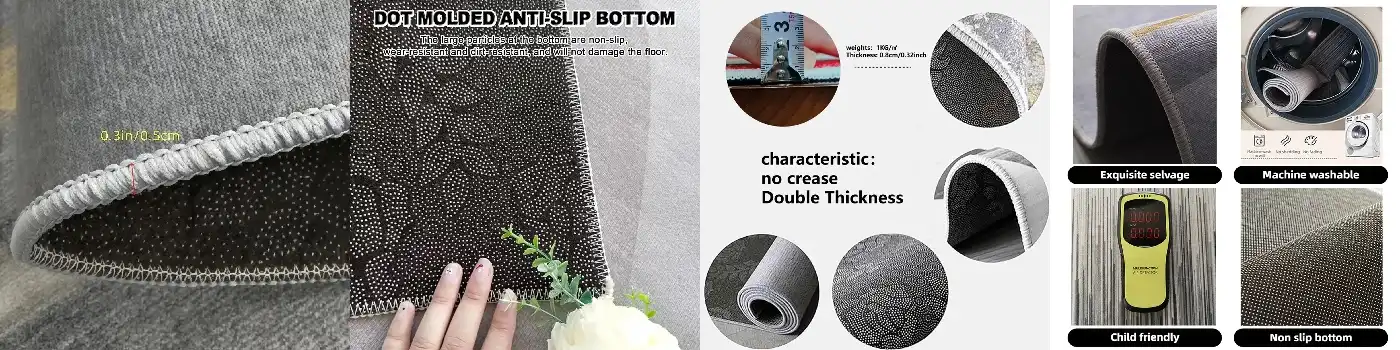
Backing systems hold things together and change how soft a surface is for walking on. Primary backings keep the tufts in place, and secondary backings make the fabric more stable in terms of its shape. Like the TPR backing in our hallway carpets, thermoplastic rubber backing makes carpets very good at sticking to a lot of different types of floors. This keeps carpets from moving and reduces the chance of slipping.
With this type of backing, spills won't get into the flooring because it keeps water out. Both comfort and durability are affected by thicker padding. For instance, fibres can wear out faster in places with a lot of foot traffic and too much padding because they are squished together awkwardly. In business corridors, moderate padding works best most of the time because it is stable and comfortable at the same time. In addition to making the carpet last longer, this keeps the floors safe and level.
Analyze Design and Pattern Options that Suit Corporate Environments
But visual design is more than just how something looks. It also impacts how good a space is thought to be, how easy it is to maintain, and how a brand is shown. Figuring out how to pick patterns will help you in real life and make you look smarter at the same time.
Choose Patterns That Conceal Wear and Stains
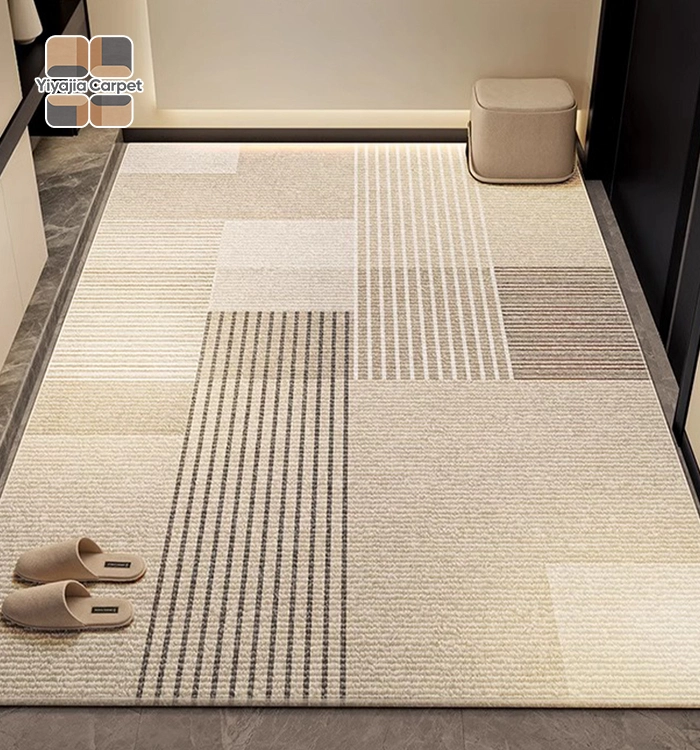
Because solid colours show every mark, stain, and wear pattern, they need to be cleaned and replaced more often. Patterns with lots of different colours, shapes, and textures can hide dirt that gets stuck between cleanings. Streaks that go with the flow of traffic make hallways look longer and wider by running parallel to them. Patterns that are diagonal give the eye something new to look at and break up long, dull areas. If you need to hide dirt at work, colours with spots or a heathered look are great. Small patterns look better in hallways than big ones because they make the room look more interesting all over. Ask for samples of the patterns you're interested in and put them in a real hallway with normal lighting to see how they look.
Incorporate Branding Elements Through Customization
Custom rugs for a long corridor carpet turn floors that are helpful into things that help a business build its name. Putting logos on entrances, using signature colour schemes in hallways, and making your own border designs are all ways to make names that look the same. Custom patterns are used by hotels to show how high-end they are, and company colours are used in a subtle way in the flooring choices of corporate offices.
One way for businesses to make their places stand out from the rest is to change the size, colour, and logo features. Yiyajia Carpet has surprisingly low minimums for customisation. To change the size or colour, you only need 50 pieces, and you can also change the image, which can be done in seven days. Our heat transfer technology can handle any design complexity, and our precise laser cutting can handle odd forms and exact size needs. This means that we can make truly unique solutions for corridors.
Balance Aesthetic Appeal with Functional Performance
It is a waste of money to buy nice rugs that don't hold up in tests. The paint colours you pick should match the wall finishes, the lights, and the floor next to them. The colours you pick should also be useful. Darker colours are good at hiding spots, but they may make small hallways feel crowded. It's easier to clean lighter shades, but they make things brighter. Area rugs with light patterns and medium tones work best most of the time.
Consider how design choices affect wayfinding—contrasting edges can guide movement, while dramatic pattern changes signal shifts between zones. It's important to have good acoustics, especially in healthcare and hospitality settings where less noise makes things better for patients and guests. The hallways are quieter and more comfortable because the dense pile construction and good padding cut down on impact sound a lot.
Procurement and Installation Considerations for B2B Buyers
To get the most for your money and cause the least amount of trouble, the best ways to buy things are to build relationships with suppliers, buy in bulk, and have professionals do the work.
Determine Appropriate Installation Methods
Runner rugs work well in halls that aren't very wide or in other places where they only cover part of the floor. It's also easier to get new ones, and making them costs less. With wall-to-wall installations, you can see everything better in longer halls and fill up more space. With modular carpet tiles, you can repair broken pieces without having to tear up the whole hallway, which is helpful in places that get a lot of use.
Because they are permanent and have a low profile height, glue-down installs are great for places where doorways are narrow. When the backing is good, loose-lay systems don't need glue to be put down. This makes it easier to make changes in the future. The best use of a product is when it is installed by a professional. Carpets that aren't stretched out right get wrinkles and wear out faster, and seams that aren't sewn right leave holes and other flaws that look bad. Putting aside money for a professional to install your carpet will protect it.
Partner with Reliable Suppliers for Consistent Quality
Stable suppliers are directly linked to long-term customer satisfaction. There are problems in the business because of bad communication, inconsistent quality between sales, and unknown arrival times. If a company has been around for a while and has good quality control systems in place, you can guess what the results will be. We use strict full-process QC and stronger backing to make sure that every meter meets the standards. Because the sides are machine-locked, they won't come apart, and they'll stay smooth for years to come.
When you look at sources, make sure to ask for samples that are made the same way the real thing will be made. Making samples in a store might not always be the same as making a lot of them. You should look at the certifications yourself and ask for references from clients who have had the same issues. When you've done business with a reputable company for a long time, it's easy to buy from them again, tell them exactly what you need, and often get better prices.
Optimize Logistics and Delivery Planning
When deliveries of Anti-slip corridor carpet happen, it changes plans for projects and the cost of storage. We can quickly fill orders because we can make 2000 square meters of things every day. This keeps project delays to a minimum. To keep goods safe while being shipped abroad, use professional export-grade bulk packaging. The best way to load containers also lowers the cost of shipping each unit. It's even faster to ship things when the boxes can be folded up.
To plan a project, it's helpful to know how long the wait times are, since it takes longer to make custom orders than stock items. Cross-border logistics partnerships that are well-established and skilled customs documentation teams make international business go smoothly. Procurement managers need to be clear about shipping terms (FOB, CIF, etc.), make sure that insurance covers everything, and set up easy ways for people to talk to each other about tracking packages. This will help keep you from having to pay a lot of money for delays at the port or with customs.
Budgeting, Warranty, and Post-Purchase Support
When you plan your finances, you think about more than just the purchase price. Cost of ownership, lowering risk through guarantees, and getting help from the provider over time are also part of it.
Calculate Total Cost of Ownership
The price per square metre at the start is only a small part of the total cost. The real value of an investment depends on things like how much it costs to install, how often it needs to be replaced, how long it is expected to last, and how much it costs to maintain. It costs more to replace a moderately priced carpet that doesn't last as long as a high-end carpet that does. Think about how much it costs to clean. Upkeep costs are lower when you use treatments that fight spots and designs that hide dirt.
It's also important to save energy. For instance, rugs that insulate well can help keep heating costs down in climate-controlled rooms. When you buy a lot, the price per unit drops by a lot. For customisation, our low minimum order quantity (MOQ) of 50 pieces means that even small projects can get unique solutions, and bigger orders get discounts for buying in bulk. To really compare your choices, you should get full quotes that include all costs.
Understand Warranty Coverage and Return Policies
Full warranties cover issues with how the item was made, wear and tear before its time, and problems with how it fits. Good product makers stand behind their goods with clear warranties that cover certain amounts of time and ways to use the goods. We make sure that all of our goods are checked before they are sent out through a QA program. For free, any mistakes in the quality, such as wrong measurements, printing flaws, or printing mistakes, will be fixed or replaced, and the customer will not have to pay for shipping.
List the things that the warranty does not cover. Usually, this includes damage caused by poor maintenance, chemical exposure, or using the product in a way that it wasn't meant to be used. It's important to keep records. For example, warranties often need proof that the product was installed by a professional and that the upkeep guidelines were followed. If you know these terms ahead of time, you won't have to argue later.
Leverage After-Sales Support for Long-Term Success
When you have a long-term relationship with a supplier, you get value beyond the deal itself. Having a dedicated business liaison makes it easier to place repeat orders and makes sure that long-term customers are given priority when planning production. Buyers can get the most out of their flooring programs if they know about new styles, better ways to do things, and the best ways to keep them in good shape.
Support for technology helps with cleaning issues, fixing things that need fixing, and making plans for growth. For long-term customers, we offer extra after-sales service that includes quick turnaround on repeat orders and ideas for how to improve the product before the customer even asks for them. When you work with providers in this way, they stop being transactional sellers and start being strategic tools. People who need to keep buying things are most helped by sellers who work hard to build relationships. This makes sure that there is a steady supply without the delays or shaky quality that come with vendors who aren't as dedicated.
Conclusion
To pick the best long corridor carpet, you need to think about a lot of things, such as how much traffic the area gets, how long the carpet will last, your design preferences, your budget, and how honest the supplier is. Being clear on what you need helps you choose the right tools and build something that works well. When you design something well, you make it look better and make it work better. Getting things done becomes more smart when you work with trustworthy manufacturers that offer full certifications, open customisation, and quick support. You can get good rugs that look good and last for years. They can also handle a lot of foot traffic. With these five helpful tips, procurement professionals can be sure to pick corridor flooring that meets operational needs, makes stakeholders happy, and provides great long-term value.
FAQ
Q1: What makes long corridor carpets different from regular carpets?
A: Long corridor carpets are different from other carpets in what ways? Rugs for long hallways are made in a special way so they can handle a lot of foot traffic. They have stronger backings, denser pile weights, and patterns that are placed in a way that keeps things from looking too plain while hiding wear. Commercial carpets for hallways have to meet stricter standards for flame resistance and are better at blocking out noise than carpets for homes. They can handle a lot of people and rolling loads like luggage carts and cleaning tools because they were built to be strong.
Q2: How do I determine the right carpet width for my corridor?
A: Take into account the gaps between the baseboards when you measure the hallway's width. A lot of runners are 27 to 48 inches wide, which means they can fit through smaller openings. For hallways that are wider, broadloom installations that are 12 to 15 feet wide and have fewer seams are better. Think about how the cars move. When there is a lot of foot traffic in the middle, center runners work well. When there is traffic spread out evenly, wall-to-wall coverage works best. Because our MOQ is only 50 pieces, most jobs can use custom sizes. This means that fit issues are gone.
Q3: Can corridor carpets incorporate company logos?
A: Of course. Thanks to modern ways of making things, like heat transfer printing, logos can be copied perfectly, no matter how big or complicated they are. Custom branding turns flooring that is useful into things that help a business build its name. Logos are often found at doorways or in the same spots along halls. Because we can customise logos in just seven days, projects can be finished quickly without giving up any personalisation.
Partner with a Trusted Long Corridor Carpet Manufacturer
Yiyajia Carpet has a lot of great options for hallway flooring because they use modern manufacturing, make it easy to make changes, and make sure the quality is good. The front of our long corridor carpet for sale is made of fine faux-cashmere, and the back is made of TPR thermoplastic rubber. This gives your places with a lot of foot traffic the strength they need and the style your brand deserves. Our prices are low because our products are approved by CE, ROHS, ISO 9001, and EN 1350. They also meet foreign standards. Find out why it's better to work with a company that can handle 2000 square meters of space every day, needs at least 50 unique pieces, and guarantees quality in full. Get in touch with us at sale@yyj-carpet.com to talk about your needs for hallway flooring and learn how our OEM and ODM services can help you make unique solutions.
References
1. Carpet and Rug Institute. Commercial Carpet Performance Standards and Testing Methods. Dalton: CRI Technical Publications, 2021.
2. Peterson, Mark and Davidson, Laura. Flooring Specification for High-Traffic Commercial Environments. New York: Interior Design Quarterly Press, 2020.
3. International Facility Management Association. Sustainable Flooring Selection Guide for Corporate Facilities. Houston: IFMA Publishing, 2022.
4. Hendricks, Robert. Acoustic Performance of Textile Floor Coverings in Hospitality Design. Journal of Architectural Acoustics, Volume 15, Issue 3, 2021.
5. National Floor Safety Institute. Slip Resistance and Trip Hazard Prevention in Commercial Corridors. Southlake: NFSI Research Division, 2020.
6. Williams, Jennifer and Thompson, Charles. Total Cost of Ownership Analysis for Commercial Flooring Systems. Procurement Management Review, Volume 28, Issue 4, 2022.