_1774494554973.webp)
Long corridor carpet styles that complement modern home interiors
July 8, 2026


Choosing the right flooring for a hallway can turn a transitional area into a fashion statement. Long corridor carpet is both aesthetically pleasing and highly useful, meeting important needs in both home and business settings. These specialized textile solutions cut down on noise transmission, improve safety with non-slip qualities, and make long places look like they flow together. Modern interiors need carpeting that is both durable and stylish. This means that procurement professionals working on projects in the hospitality, residential development, and commercial real estate sectors need to think carefully about material choice and style coordination.
Understanding Long Corridor Carpet Styles for Modern Interiors
Defining Long Corridor Carpets and Their Role in Spatial Design
Long corridor carpets are specially designed floor coverings for transitional areas with a high aspect ratio. These carpets are different from regular broadloom choices because they are made to fit the needs of narrow, long rooms that are hard to plan for because of visual monotony and reverberation. Patterns placed in a smart way break up the "tunnel effect" that often happens in long halls, and dense pile constructions stop sound from traveling through closed pathways that would otherwise echo. According to research from the Carpet and Rug Institute, corridor flooring that is properly installed can cut down on impact sound transfer by up to 30 decibels. This makes people much more comfortable in multi-unit living buildings and hospitality settings.
Key Benefits: Noise Reduction, Safety, and Style Continuity
Managing noise levels is one of the main practical benefits. Corridors are like echo chambers because people walking through them make noise that doesn't go away. This is less of a problem with good carpets because the backing and pile density reduce noise from both airborne and contact sounds. Safety concerns go beyond soundproofing; anti-slip backing systems keep things from moving under rolling loads and meet Critical Radiant Flux fire safety standards that are necessary for exit routes. Style consistency links different areas by using coordinating color schemes and patterns that make it easier to find your way and keep the design consistent across large projects.
Popular Carpet Materials: Faux Cashmere, Nylon, and Eco-Friendly Fibers
The choice of material has a direct effect on how long something works and how much upkeep it needs. Fine faux cashmere surfaces feel luxurious to the touch while still meeting useful toughness standards. This man-made option has stable quality and doesn't change prices as much as natural fibers do. Solution-dyed nylon is better at resisting stains, which is important for high-traffic business settings, and the color stays the same even after many cleaning processes. We see a rising need for eco-friendly materials that meet CE and ROHS approval standards. This is especially true for buying teams that work with environmentally conscious customers. TPR thermoplastic rubber backing systems improve the stability of dimensions and make setups baby-safe and clean so they can be moved into right away.
Top Long Corridor Carpet Styles That Suit Modern Home Interiors
Minimalist Geometric Patterns for Contemporary Corridors
The look of a long corridor carpet in a modern hallway is defined by clean lines and geometric repeat. Minimalist patterns add visual interest to small areas without being too busy, and slight changes in tone give them depth. Linear designs that run parallel to the length of a hallway make it seem like the space is bigger than it really is, while vertical designs can make narrow passages look wider. Heat transfer printing technology makes it possible to accurately copy complicated geometric patterns. This makes sure that the pattern is the same across large orders, so there are no visual problems caused by seams that aren't lined up right or color changes between production runs.
Natural Fiber Aesthetics: Balancing Luxury with Sustainability
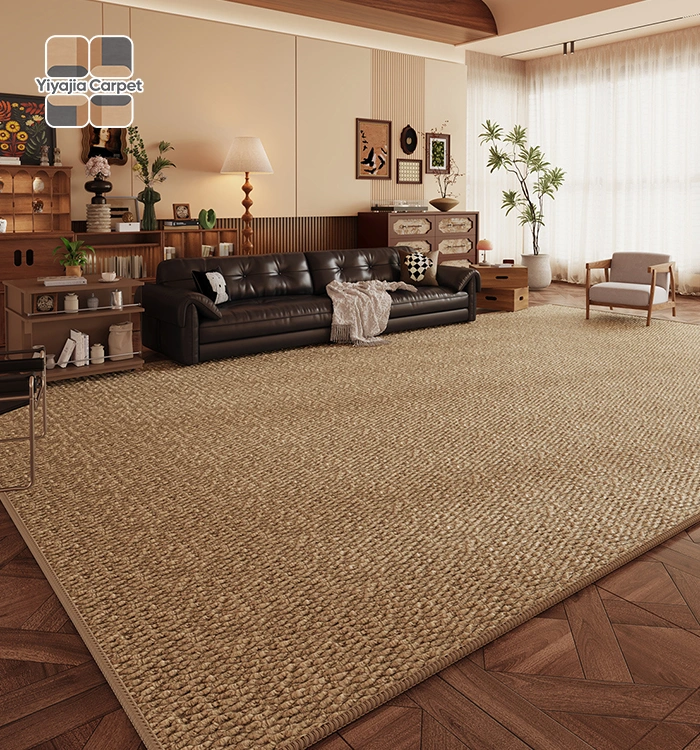
Environmental duty is becoming more and more important in modern buying without lowering performance standards. The look of natural fibers is like the warmth of wool or sisal, but they are made from modern synthetic materials that are easier to clean. These materials don't let the water that makes mildew grow in organic fibers soak in, and they keep the high-end look that customers expect from high-end installations. The OEKO-TEX approval makes sure that the materials are safe and can be used in sensitive places like schools and hospitals.
Color Impact: Bold Versus Neutral Tones in Modern Settings
The neurology of colors affects how we see space and how we feel. Neutral color schemes, like grays, brown, and soft taupes, make backgrounds that never go out of style and can adapt to new decorating styles. This protects the long-term value of investments for developers working on projects that last more than one year. Bold accent colors add personality to otherwise practical areas, and their placement can help with traffic flow or draw attention to building features. Machine-woven edge locking keeps color borders clear so that they don't bleed or fray, so the design stays true throughout the span of the product. Customization options let you match colors exactly to brand guidelines or current color schemes in your home. With minimum order quantities as low as 50 pieces, customizable solutions are easy to get for medium-sized projects.
Custom-Made Versus Ready-Made: Practical Considerations for B2B Procurement
Decision frameworks have to weigh the benefits of modification against the time limits. Ready-made choices speed up the project finishing process and are available right away. They work best when standard dimensions match the installation needs. Custom manufacturing can handle odd shapes, brand-specific patterns, or performance requirements that are higher than what a stock product can handle. Laser cutting can handle any size or form need without having to wait for tools to be made, and heat transfer methods can accurately copy artwork sent by the customer. Our daily production capacity of 2,000 square meters makes sure that customization doesn't get in the way of delivery times. Logo integration projects can be turned around in 7 days.
How to Choose the Best Long Corridor Carpet for High-Traffic Modern Areas?
Comparing Material Resilience: Synthetic Blends for Commercial-Grade Applications
Abrasion resistance ratings for Heavy Contract Use classes are needed for a long corridor carpet in places with a lot of foot traffic. It has been tested that synthetic blends made for business use wear better than natural fibers, keeping their look after thousands of foot traffic cycles. Pile density requirements of 36 to 48 oz/sq yd keep fibers from getting crushed in walking ways where 90% of the traffic is concentrated down the middle three feet of the route width. To avoid this "Traffic Lane Graying" effect, you need to be smart about the materials you use. Solution-dyed fibers are better at hiding dirt, so they look better for longer between deep cleanings.
Carpet Thickness and Anti-Slip Backing for Safety and Comfort
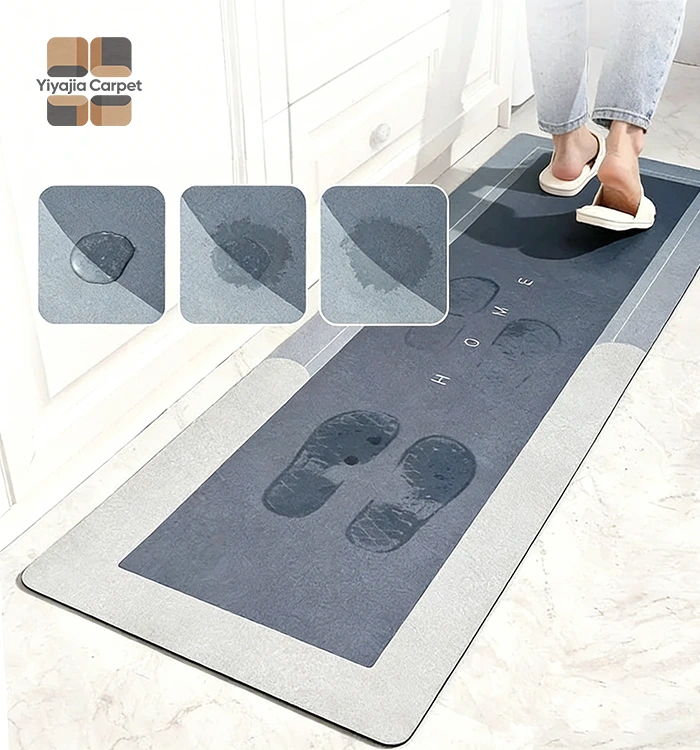
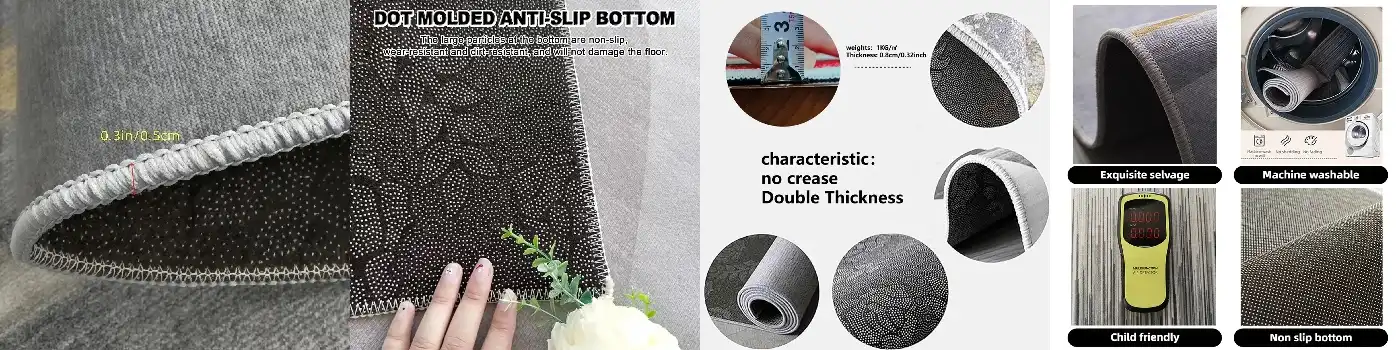
Occupant safety is an absolute requirement for buying. Anti-slip backing systems keep carpet from moving under rolling luggage carts or cleaning equipment. This gets rid of trip dangers that can put you at risk of being sued. TPR thermoplastic rubber bottoms offer better grip and don't need to be installed with glue, which makes repair easier and lowers the long-term cost of the flooring system. Thickness requirements balance how comfortable the floor is with door opening issues that often come up in remodeling projects, where profile height limits make material choices limited.
Maintenance Strategies and Lifecycle Cost Analysis
The total cost of ownership is more than just the price of the car. To find the true economic value, lifecycle analysis takes into account how often something needs to be cleaned, how long it lasts, and how often it needs to be replaced. High-filtration sweeping gets rid of rough soil particles that speed up wear, and low-moisture capsule cleaning keeps the backing in better shape than steam extraction. According to studies in the field of building management, preventive maintenance programs that follow IICRC standards increase service life by 40% compared to reactive cleaning methods. Quality guarantee promises that cover production flaws, such as free rework and new shipping, get rid of the risk of buying in bulk when evaluation happens after delivery.
Installation, Maintenance, and Care Tips for Long Corridor Carpets
Step-by-Step Installation Guide for Professional Results
Long-term success depends on how well the work was done. For hallway uses, double-stick methods are still the norm. These methods stick the cushion to the subfloor first, then the carpet to the cushion. This method stops rippling from happening when rolling loads are applied across long spans, which can't be done with stretch-in installs. During the takeoff phase, seam placement needs to be carefully planned out so that joints are placed in doors or alcoves instead of across main traffic lines, where they are easier to see. Pattern matching needs precise "drop match" methods at T-junctions, and estimates for material overage take into account the need for repeat alignment.
Best Cleaning Practices to Preserve Appearance and Functionality
Maintenance schedules for an Anti-slip corridor carpet have a direct effect on how long something looks good. Daily high-filtration sweeping gets rid of particles before they get stuck in pile structures, and zone-based cleaning programs focus on areas that get a lot of foot traffic and get dirty quickly. Spot treatment cleans up spills right away with pH-neutral liquids that don't damage the fibers or the glue on the back. Professional cleaning every 12 to 18 months improves the look and gets rid of contaminants that regular home cleaners can't reach. This helps protect warranties, which often require proof of regular upkeep.
Value-Added Supplier Services: Installation Support and Bulk Purchase Benefits
Comprehensive relationships with suppliers go beyond just delivering goods. Professional installation services make sure that the job is done right and meets the requirements, which saves the investment in the materials. Bulk purchase agreements offer better prices and ensure the availability of goods for projects that are broken up into stages that span multiple quarters. Dedicated business liaisons make it easier to handle repeat orders, and clear production schedule gets rid of container backlogs. We offer full paperwork packages that include CE, ISO 9001, and EN 1350 flame resistant certifications. This makes sure that your goods go through customs smoothly in markets in Europe, the United States, and the Middle East.
Procurement Guide: Where and How to Buy Long Corridor Carpets?
Evaluating Reputable Manufacturers and Supplier Reliability
Frameworks for choosing suppliers should look at things like service infrastructure, output ability, and quality systems. Advanced heat transfer and laser cutting technologies used by manufacturing facilities show technical skill above and beyond that of basic sellers. ISO 9001 approval checks that quality management systems give uniform results across production runs, getting rid of batch-to-batch variations that make large-scale installations harder to do. Logistics in terms of location are important. Daily production rates of 2,000 square meters show that the business can grow to meet the needs of more customers without running into capacity issues that slow down projects.
Pricing Insights: Understanding Custom and Ready-Made Options
Prices are based on how complicated the design is and how many orders are placed. Ready-made product has lower prices per unit, but it limits design options and forces you to give up on size requirements. Custom manufacturing comes with small fees that are more than made up for by the chance to perfectly match specifications and set your brand apart. Clear price models separate the costs of materials from the costs of setup, tools, and shipping, which lets you make accurate budget predictions. Minimum order quantities (MOQs) of 50 pieces for customizing size and color make customized solutions affordable for projects that could only choose from stock options before.
Ordering Logistics: Lead Times, Delivery, and After-Sales Support
Project plan obedience depends on how well the supply chain works. Cross-border logistics relationships that have been around for a while make wait times for full containers and LCL exports reliable. Professional documentation teams handle the customs requirements that are unique to each target market. Export-grade wrapping protects against damage during handling and makes the best use of containers to lower shipping costs per unit. After the sale, there are promises that must be kept between a business and a customer. For long-term customers, there is an exclusive service that includes quick processing of return orders and proactive style optimization suggestions that keep the business competitive as consumer tastes change.
Conclusion
When designing a modern corridor with a long corridor carpet, the flooring needs to meet both the aesthetic and useful needs of both business and private settings. New materials offer the softness and comfort of natural fibers in synthetic builds that are stronger than expected and meet strict safety and environmental standards. Choosing the right style can turn transitional areas into design assets that raise the value of the property and improve the living experience of the people who live there. To be successful at procurement, you need to work with suppliers who can give customization options, production that can be scaled up or down, and a full service infrastructure that can help with projects from the planning stages to installation and ongoing upkeep.
FAQ
Q1: What materials work best for high-traffic commercial corridors?
A: Solution-dyed nylon and high-quality polyester mixes are the most durable materials for business settings. These materials don't stain or break easily, and their look stays the same after thousands of foot traffic cycles. Faux cashmere surfaces covered with TPR rubber look good and work well, and they are safe for babies and don't smell bad. They meet CE and ROHS standards.
Q2: How often should corridor carpets be professionally cleaned?
A: High-filtration sweeping should be done every day, and skilled deep cleaning should be done every 12 to 18 months. Zone-based maintenance that focuses on places with a lot of foot traffic makes long corridor carpets last longer generally. Low-moisture encapsulation ways keep the backing's integrity better than steam extraction, which is especially important for keeping the non-slip qualities in situations where safety is paramount.
Q3: Can carpets be customized for specific project requirements?
A: Customization lets you change the size, color, pattern, and add a name to make it fit your project's exact needs. Any artwork can be reproduced accurately with heat transfer printing, and irregular forms can be cut with a laser without having to wait for tools to be made. With a minimum order quantity (MOQ) of 50 pieces, personalization is possible for medium-sized projects, and quick logo projects can be turned around in 7 days.
Partner with Yiyajia Carpet for Your Long Corridor Carpet Supply Needs
Yiyajia (Tianjin) Carpet Co., Ltd. offers a wide range of flooring options for hallways that are designed to meet the needs of both business and domestic customers. As a reliable long corridor carpet manufacturer, we use cutting-edge heat transfer and laser cutting technologies along with strict quality control to make sure that our products are always the best. Our OEM and ODM options are open enough to allow customization starting at 50 pieces, and we can produce up to 2,000 square meters of goods every day to meet tight project deadlines. Full certification packages that include CE, OEKO-TEX, ISO 9001, and EN 1350 make it easier to clear customs in all global markets. Dedicated after-sales support and quality assurance promises, such as free repair and new shipping, take away the risk of buying in bulk. Contact our procurement experts about your project needs and get full technical specifications that are made just for you by emailing sale@yyj-carpet.com.
References
1. Carpet and Rug Institute. (2021). Acoustic Performance of Textile Floor Coverings in Commercial Spaces. Dalton: CRI Technical Publications.
2. Miller, J. & Thompson, R. (2020). Material Selection for High-Traffic Commercial Flooring: A Lifecycle Cost Analysis. Journal of Facilities Management, 18(3), 245-262.
3. International Interior Design Association. (2022). Color Psychology in Commercial Corridor Design: Perception and Wayfinding. Chicago: IIDA Press.
4. National Fire Protection Association. (2021). ASTM E648 Critical Radiant Flux Testing for Egress Route Floor Coverings. Quincy: NFPA Standards Council.
5. Institute of Inspection, Cleaning and Restoration Certification. (2022). Commercial Carpet Maintenance: Best Practices for Extended Service Life. Vancouver: IICRC Publishing.
6. Sustainable Furnishings Council. (2021). Environmental Certification Standards for Textile Flooring Products: A Procurement Guide. High Point: SFC Education Committee.