_1774494554973.webp)
Best imitation sisal carpet styles for modern home decor
July 7, 2026


When shopping for modern flooring for large-scale residential or business uses, it's important to find the right mix between how it looks and how well it works. The natural, textured look of Agave sisalana fibers is combined with the durability of man-made materials like solution-dyed polyester and polyamide in imitation sisal carpet, which gives this balance. Unlike real plant-based options, synthetic sisal flooring doesn't have problems with water stains, fiber roughness, or mildew growth. It's a long-lasting option that purchasing managers, distributors, and project engineers can use in hotel lobbies, offices, retail spaces, and modern homes. The move toward these new floor coverings shows how market standards are changing. People want cheaper materials that offer consistent quality and easy upkeep in a variety of installation settings.


Understanding Imitation Sisal Carpets and Their Value in Modern Decor
What Defines Synthetic Sisal Flooring?
Imitation sisal products use precise flat-weaving methods to copy the basketweave and herringbone designs that are common in natural fiber carpeting. In manufacturing, UV-stabilized polymers are used that don't break down in light and have almost no moisture uptake (about 0.01%), which fixes the problems that biological materials have with hygroscopicity. Using high-density tufted structures makes the dimensions stable, so they don't expand and shrink like natural materials do when the temperature changes with the seasons.
Core Benefits for Commercial Procurement
When buying in bulk, the engineered makeup offers real benefits. Surface treatments that don't stain let you clean them harshly, including with bleach-based solutions, which would damage plant-based fibers. Slip-resistant backings made of TPR, point plastic, or silicone strips improve safety in areas with a lot of foot traffic. Thicknesses between 10 and 15 mm and weights between 1 and 2 kg/m² give structures strength without limiting fitting options. Because they are waterproof and dry quickly, these floor covers can be used in transition areas that tend to get wet, where real sisal would break down quickly.
Dispelling Common Misconceptions
A lot of people who work in buying aren't sure if imitation sisal carpet options hurt the look of genuine products. With today's advanced production, it's possible to get dark finishes that look like wool instead of plastic sheens. These finishes can also hold up against light up to Grade 7-8 on the Blue Wool Scale (ISO 105-B02). These goods are also unique because they meet Class 32–33 industrial heavy-use ratings under EN 1307 classifications, which is an important requirement for hospitality and office setups. They are also fire resistant and meet international safety standards.
Top Imitation Sisal Carpet Styles for Modern Home Decor
Classic Natural Weave Patterns
Traditional basketweave designs are still the most popular choice for rooms that need a simple yet elegant look. The horizontal and vertical fiber designs in these types fit together to make subtle changes in depth and shadow. The low pile height (0–1 mm) makes it easy to place furniture and clear doors, which makes this choice great for home projects that cover the whole floor and hotel guest rooms. Customization features let purchasing teams define exact sizes, which cuts down on waste during large-scale setups.
Geometric and Patterned Designs
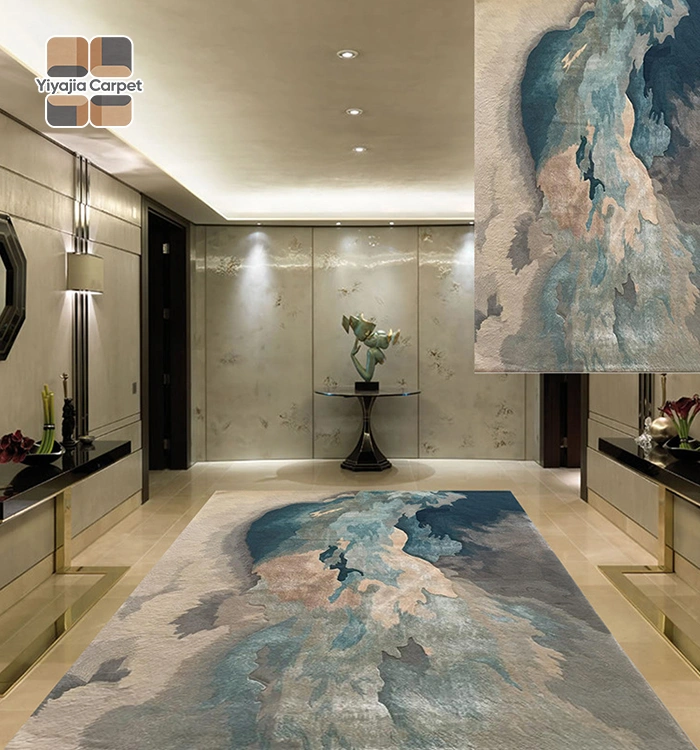
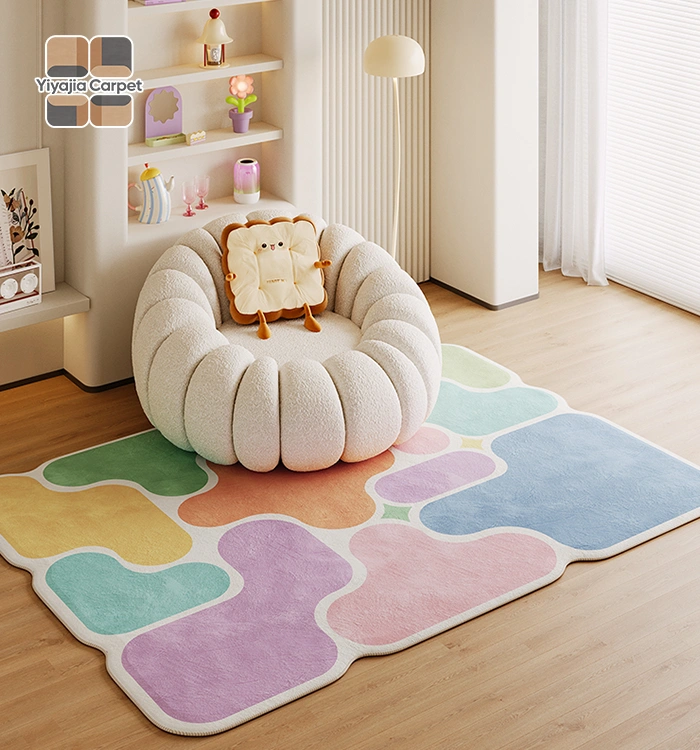
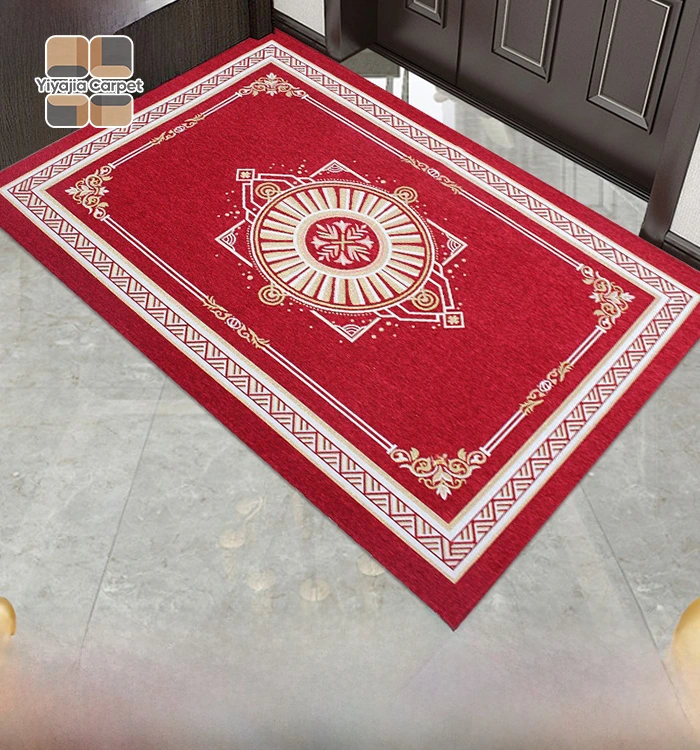
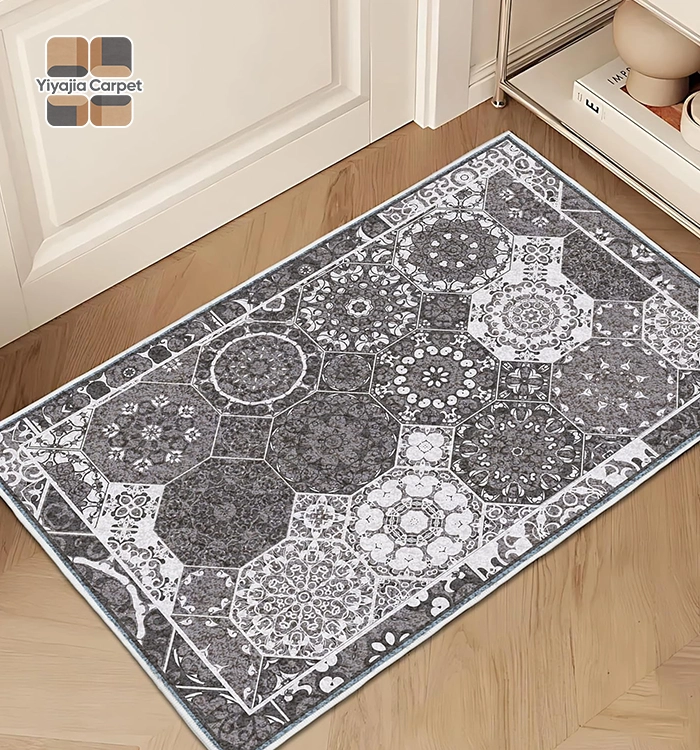
More and more, modern designs are using strong graphic elements that add visual interest without taking over simple decor schemes. Heat transfer printing lets you make almost any pattern, from different kinds of chevrons and herringbones to hexagonal and tessellated designs. Precision laser cutting can handle odd forms and unique borders, meeting the needs of business places with curved walls or architectural columns. Color-locking techniques keep the design from running, even when exposed to strong UV light, which is common in sunrooms.
Solid Color Variations for Versatile Applications
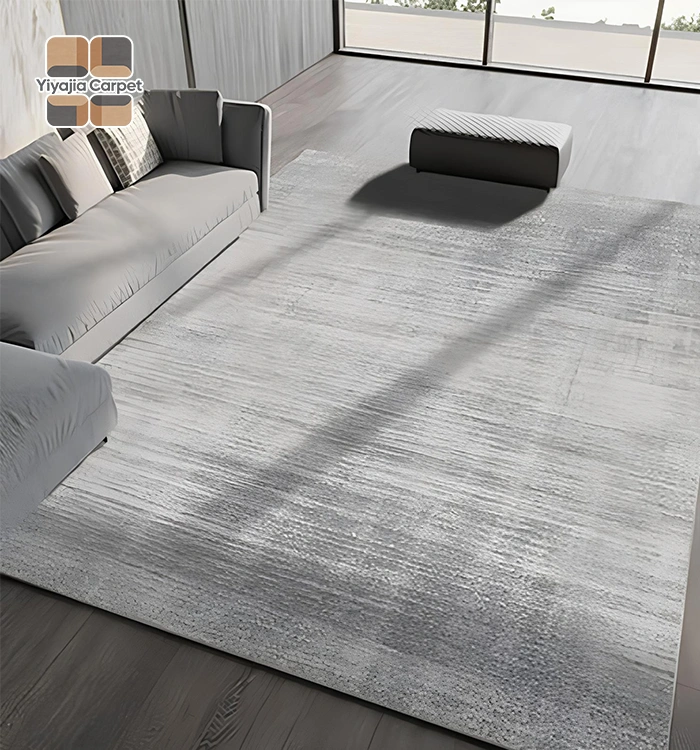
Neutral color schemes, like sand, taupe, charcoal, and white, are most common for bulk order requirements because they work well with a wide range of design styles. These one-color options make it easier for sellers to keep track of their stock and give artists more options for decorating rooms. The solution-dyed fiber design means that the color is woven into the polymer structure instead of just being on the surface. This makes it much more durable in areas with a lot of foot traffic and wear and tear, like stores.
Low-Pile Flatweave Constructions
Flatweave designs work really well in places where wheelchairs and other rolling tools need to move around. The dense, flat surface gets rid of snag hazards and makes it easy to switch between types of flooring, which is important for ADA-compliant business installs. This building method also lowers acoustic reverberation in open-plan offices and show rooms, which makes speech easier to understand without the need for extra soundproofing.
Eco-Conscious Sustainable Options
More people are caring about the environment, which is driving demand for goods that balance efficiency with ethical sourcing. Today, imitation sisal carpet is made with recycled plastics and OEKO-TEX-certified materials, which meet the sustainability standards that are being required more and more in green building approvals. These eco-friendly versions have the same levels of sturdiness and care as the regular ones, but they leave smaller carbon footprints. This is a great benefit for developers who want to meet LEED or other environmental standards.
How to Choose the Best Imitation Sisal Carpet for Your Projects?
Differentiating Residential and Commercial Requirements
The main thing that sets the right product specs is the project scope. For residential uses, softness and a range of looks are important. Custom printed patterns can add a personal touch to bedrooms and living rooms. For commercial projects that need to last longer, high-density padded structures are needed because hallways get walked on by thousands of people every day. Picking the right backing type is important in this case—TPR and silicone strip backings work best on polished concrete substations that are popular in retail and hotel buildings.
Evaluating Environmental Exposure Factors
The limits for choosing a material are set by the amount of moisture and foot traffic. Places that get wet a lot, like areas next to pools or restaurant entrances, need buildings that are completely waterproof and can dry quickly. Outdoor-to-indoor transition zones are helped by UV-stabilized polymers that have been tested using Xenon Arc methods (AATCC 16). These polymers stop chalking and color loss that shorten the life of a product. Traffic pattern analysis helps buying teams set the right wear ratings so that costs don't go up too much or too little and parts have to be replaced too soon.
Cost-Durability Analysis Framework
To properly evaluate a seller, you need to look at both the unit price and the expected lifetime costs. Cheaper choices often don't have as much tuft bind strength (ASTM D1335/D3936 standards), which means they delaminate and unwind during vacuum maintenance. Quality-conscious sellers use 100% pre-shipment checking procedures to find problems with dimensions and visual flaws like barring before the goods get to project sites. Additional risk reduction comes from warranties that show the trust of the manufacturer. For commercial-grade installations, these warranties usually last between 3 and 5 years.
Comparative Material Assessment
There are certain trade-offs that come up when you compare imitation sisal carpet to other options. Natural sisal looks real, but it doesn't hold up well against water or cleaning products. Jute is soft, but it's not durable enough to be used as contract carpeting. The luxurious feel of wool comes at a much higher price, so it's not a good choice for big sales that are limited by budget. Seagrass adds natural bumps that make large-area setups more difficult. These problems can't happen with engineered synthetic replacements, which give consistent performance in a range of application circumstances.
Maintenance and Longevity: Maximizing the Performance of Imitation Sisal Carpets
Cleaning Protocols for Extended Lifespan
Making routine repair easy is a huge plus for site managers who are in charge of several properties. Using a vacuum with a beater bar once a week to get rid of buried dirt doesn't hurt the flat-weave structure. Spot-cleaning methods use surface processes that make them less likely to stain, so spills can be fixed right away with light detergents. Natural fibers leave lasting marks when they get wet, but manmade materials can handle wet extraction cleaning, which means they can be deep-cleaned on a regular basis without the need for special tools.
Addressing High-Traffic Wear Patterns
By strategically placing walk-off mats at entry points, you can cut down on rough dirt tracking, which is the main cause of fibers wearing out too quickly. Compatible underlay systems, like closed-cell foam or felt padding, spread out load pressures so that fixed furniture or equipment doesn't cause compression damage. Professional fitting methods that make sure the right amount of stretch and seaming lower the risk of buckling. This is especially important in business settings where wheeled carts are used.
Durability Validation and Warranty Considerations
When making purchases, companies should give more weight to suppliers who show clear quality control measures. Static pressure tests, which simulate how furniture would be placed, check how well the material recovers after being compressed for a long time. Testing on a castor chair shows that it is resistant to the moving wear and tear that happens in offices. Manufacturers that offer thorough technical datasheets and third-party approval, such as CE compliance, ISO 9001 quality management, and REACH environmental limits, give performance guarantees that can be checked. After-sales support systems, such as specialized liaisons for repeat orders and process improvement consultations, show that a provider wants to work with you for a long time.
Procurement Insights: How to Buy and Source Imitation Sisal Carpets Efficiently?
Identifying Reliable Manufacturing Partners
For global sourcing of Anti-slip imitation sisal carpet to work, sellers must be checked out to make sure they know how to send and follow regulations. When manufacturers use modern heat transfer and laser cutting technologies, they show that they have the process sophistication needed to meet a wide range of standard needs. Transparency in production capacity, such as lead time promises and the best way to load containers, helps buying teams keep track of project deadlines. Certifications like the EN 1350 flame retardant scores show that the material is suitable for use in engineering and hotel settings where fire safety rules require certain performance levels.
Sample Validation Procedures
To minimize buying risk, a thorough review must be done before the purchase. Sample production can be done in 24 to 48 hours by reputable providers using the same materials and methods as large production runs. This lets you feel the texture, make sure the colors are right, and make sure the building is solid before committing to container-load numbers. Dimensional accuracy testing, which means making sure that the sizes are exactly as stated with limits of less than 0.2% shrinkage (ISO 2551), stops installation problems that can happen because of differences in materials.
Optimizing Bulk Order Economics
Strategies for buying in bulk should weigh the benefits of lower unit costs against the costs of keeping supplies. Flexible minimum order amounts are great for wholesalers who serve a wide range of clients because they can be used for both one-time projects and larger purchases that are made over and over again. Custom OEM and ODM services let brands stand out by using unique patterns, shapes, and logos. This is very important for stores that want to make their own exclusive product lines. Export-grade packing in the form of rolls or cartons, along with professional help with customs paperwork, makes foreign shipping easier and lowers the risk of being held up at a port.
After-Sales and Logistical Coordination
Comprehensive relationships with suppliers go beyond just delivering goods. When you have established relationships with freight forwarders, you can be sure that both full container loads and less-than-container packages will arrive on time. End users can get the most out of a product by following the installation instructions and upkeep suggestions. Quality assurance promises, such as free repairs or replacements for problems with the way the product was made, as well as coverage for logistics costs, show that the seller is responsible and protect buying investments.
Conclusion
Synthetic sisal flooring, such as imitation sisal carpet, has grown into a sophisticated option that meets the needs of modern business and household projects. Authentic natural looks combined with engineered longevity creates strong value propositions for procurement workers in charge of managing specs for hotels, offices, stores, and homes. If purchasing managers know about the different styles, how to choose them, how to keep them in good shape, and how to get them, they can be sure that these floor coverings will deliver consistent quality, competitive pricing, and long-term performance reliability in a wide range of installation settings.
FAQ
Q1: Can imitation sisal carpets withstand moisture in kitchens and bathrooms?
A: Modern manufactured materials are better than natural plant fibers at being waterproof and quick to dry. The polymer-based materials don't absorb water, so mold and mildew can't grow on them like they can on organic options. But for a proper fitting, you need to make sure that the backing has enough air flow and choose TPR or silicone strip backing systems that stay in place on surfaces that might be wet.
Q2: How do synthetic options compare to natural sisal in texture and appearance?
A: Modern production achieves amazing visual accuracy by using matte finishing methods that get rid of plastic sheens. Advanced flat-weaving makes the uneven basketweave designs of Agave sisalana fibers look like real ones, and solution-dying gives the colors a depth that matches the natural differences. The main difference you can feel is how soft the surfaces are—imitation sisal carpet versions are better for barefoot use, which is especially useful in domestic settings.
Q3: What quality indicators should procurement teams prioritize during vendor evaluation?
A: Some important specs are the tuft bind strength ratings, the results of the physical stability tests, the UV lightfastness grades, and the fire resistance certifications. Quality commitment is shown by suppliers who offer pre-shipment inspection promises, full technical datasheets, and third-party compliance documents (CE, OEKO-TEX, ISO 9001). The manufacturer's reliability is further supported by clear guarantee terms and sample accuracy that matches mass production.
Partner with Yiyajia Carpet for Premium Imitation Sisal Carpet Solutions
Yiyajia Carpet is a reliable company that makes imitation sisal carpet and provides well-designed flooring options to dealers, importers, and project specifiers in North America, Europe, and the Middle East. Our advanced heat transfer printing and laser cutting tools allow for endless customization, from unique patterns to odd-sized items, and are backed by strict 100% pre-shipment inspection protocols. We don't have to worry about buying things that aren't up to par when it comes to quality or regulations because our CE, OEKO-TEX, ISO 9001, REACH, and EN 1350 standards show that they are legal in all countries.
Our business liaisons are committed to providing quick sample production (24–48 hours), clear order timing, and full after-sales support, including free rework promises. Our flexible bulk order minimums and export-optimized packing make sure that your project goes smoothly, whether you need standard solid colors or fully unique OEM designs. Email our team at sale@yyj-carpet.com to talk about your unique needs, ask for samples, or look into volume pricing plans that are made to fit your buying needs.
References
1. Thompson, R. & Martinez, L. (2022). Synthetic Textile Flooring: Engineering Innovations in Commercial Applications. International Flooring Standards Institute.
2. Hansen, K. (2021). "Comparative Durability Analysis of Natural versus Synthetic Sisal Floor Coverings in High-Traffic Environments," Journal of Interior Architecture and Materials Science, 18(3), 112-128.
3. European Flooring Association. (2023). Technical Guidelines for Contract-Grade Flatwoven Carpets: Performance Standards and Testing Protocols. Brussels: EFA Publications.
4. Chen, W. & Robinson, D. (2022). Sustainable Sourcing in Global Textile Supply Chains: Environmental Compliance and Quality Assurance. Cambridge Materials Press.
5. Miller, J. (2023). "UV Stability and Color Retention in Solution-Dyed Polypropylene Floor Coverings," Polymer Degradation and Stability Review, 45(2), 89-104.
6. Architectural Specifications Institute. (2021). Procurement Best Practices for Commercial Flooring Projects: A Guide for Building Professionals. New York: ASI Professional Series.