_1774494554973.webp)
Small living room carpet styles that enhance small spaces
July 7, 2026


Choosing the right floor covering can turn small living spaces into comfortable, useful places to be. A small living room carpet does more than just look nice; it defines talking areas, anchors the space, and adds warmth without taking over the small space. By carefully choosing the texture, color range, and make-up of the materials, these unique rugs create visual space while also taking care of practical issues like sound absorption and surface protection. When procurement teams, stores, and design professionals know which styles work best with limited measurements, they can come up with solutions that make customers happy while still meeting standards for cost-effectiveness and durability.
Understanding Small Living Room Carpet Needs
Selecting the right small living room carpet for a small home can be tricky for a number of reasons. When you have limited floor space, you need goods that make it seem bigger instead of smaller. This means that size balance and visual weight are very important.
Spatial Optimization Through Design
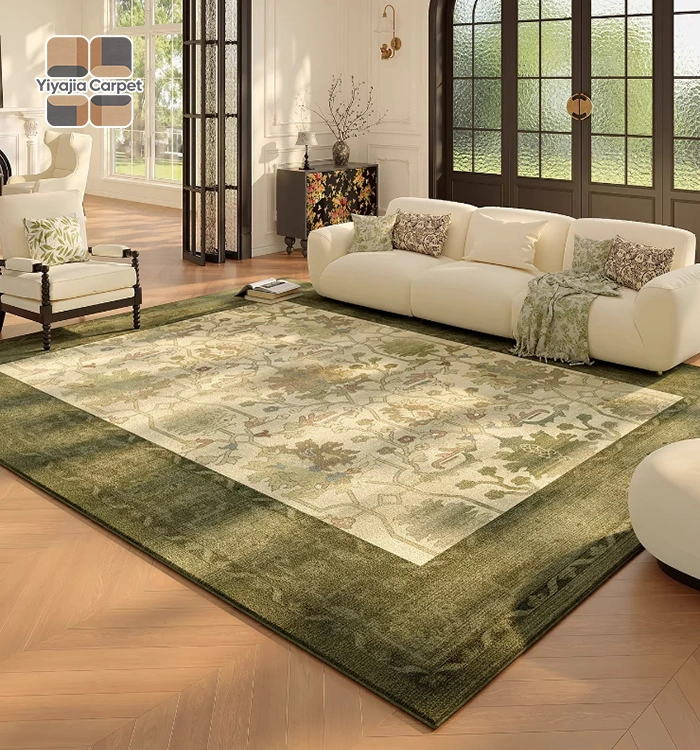
Carpets that are designed to make rooms look bigger are good for small sitting areas. Leaving about 12 to 18 inches of flooring visible around the edges of rooms stops them from looking wall-to-wall, which makes them feel smaller. This place for breathing sets limits while keeping things open. Low to medium pile heights, between 0.25 and 0.5 inches, keep things from looking too bulky, so you can put furniture down without making the room look crowded. Dense pile construction makes sure that the building will hold up against heavy foot traffic, which is common in smaller floor plans where paths of movement are limited.
Functional Performance Requirements
In addition to looking good, small living spaces need certain efficiency traits. Sound travels through apartment buildings and condos and affects units next to each other, so acoustic blocking is necessary. Impact noise and echo that gets louder in box-like structures can be cut down with good rugs and the right backing systems. Thermal insulation makes a big difference in comfort, especially in homes on the ground floor that are prone to drafts. Stain resistance is important because daily activities like eating, working, and hosting all happen in small areas where spills are bound to happen.
Material Considerations for Durability
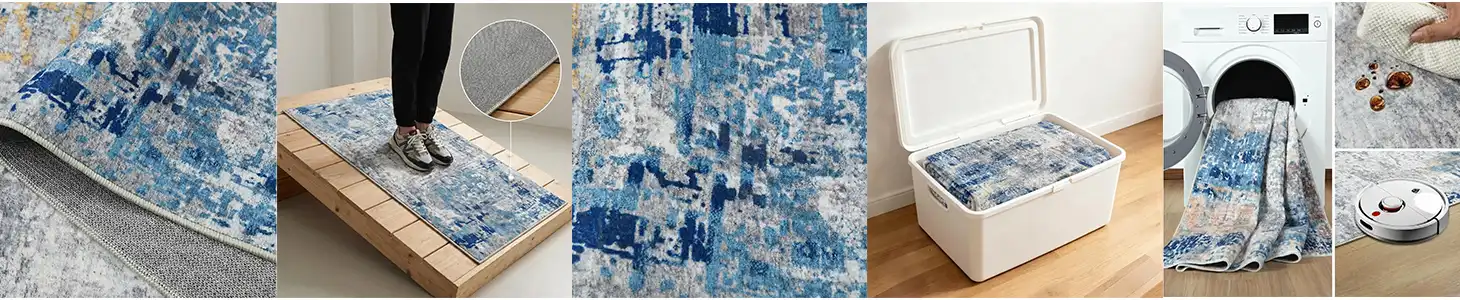
In small places where movement is concentrated in a few narrow areas instead of spreading out over large areas, traffic makes wear patterns worse. Synthetic fibers, such as solution-dyed nylon, are very strong and can bounce back after being pressed down by furniture legs sitting directly on carpets. The TPR (thermoplastic rubber) backing gives the rug better grip on hard floors and keeps it from moving and bunching up like lighter area rugs do. The machine-woven structure and edge locking make it last longer and prevent tearing that takes away from the polished look that customers expect.
How to Choose the Perfect Carpet for Small Living Rooms?
Systematic evaluation frameworks that balance competing goals across budget limits, performance requirements, and aesthetic tastes are needed to make procurement decisions for small living room carpets.
Defining End-Use Requirements
Understanding the client's needs is what leads to the right product fit. In urban studios, soft textures and mild sturdiness are most important for residential installations. On the other hand, rental properties need materials that are stain-resistant, easy to maintain, and can handle tenants moving out. For commercial use in co-working lounges or boutique hotels, the flooring needs to be made of heavier-duty materials that can handle more traffic. Making it clear how often something will be used, how long it's expected to last, and how easy it is to maintain sets basic requirements that narrow the selection criteria.
Evaluating Material Properties
The makeup of fibers has a direct effect on efficiency. Fine fake cashmere surfaces are luxuriously soft and are good for comfort-focused domestic markets. They are also easier to clean than natural wool. Synthetic mixes are a good way to buy in bulk for the mid-market because they are cost-effective without losing quality of look. Environmental standards, such as CE/ROHS compliance, meet the growing need for baby-safe, non-toxic goods that can be installed right away without any worries about off-gassing.
Prioritizing Color and Pattern Strategy
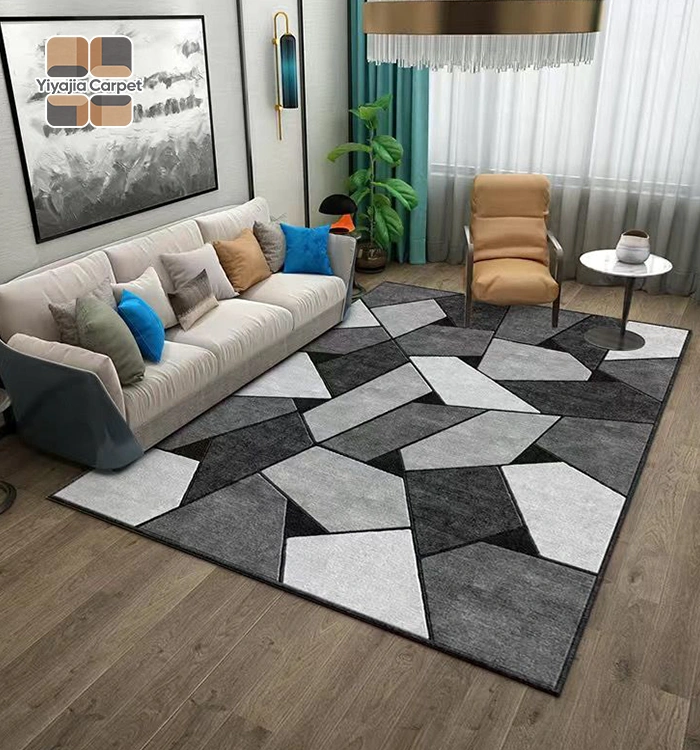
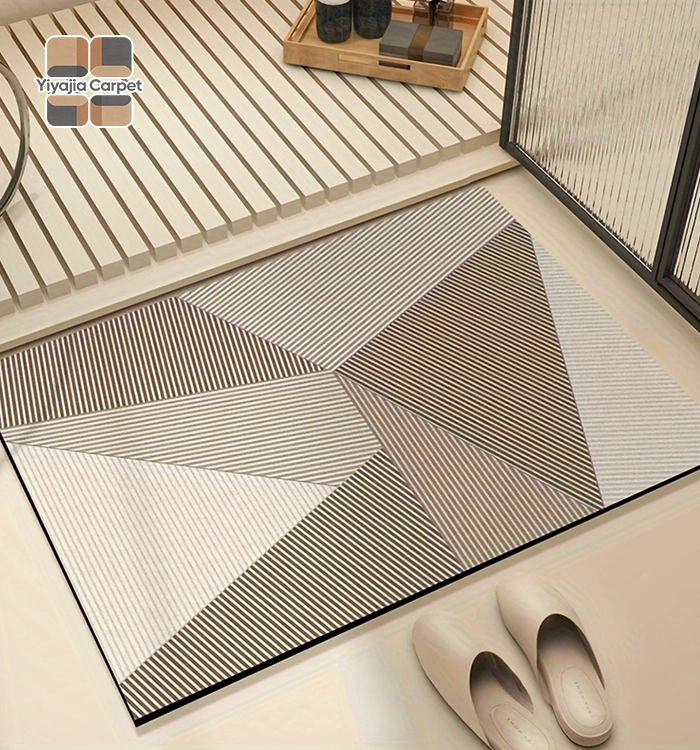
Light neutral color schemes, like creams, soft grays, and warm brown, reflect light and make small spaces feel bigger, which is especially helpful in smaller rooms. Sheer patterns and designs with hints of color add visual interest and hide dirt better than plain colors, making upkeep seem less necessary. Darker colors hold areas together, but they also soak up light, which could make things look smaller. Pattern size is important. Patterns that are too big can make small areas look crowded, but patterns that are too small can add depth without looking cluttered.
Assessing Customization Flexibility
Bulk buyers gain when sellers offer dimensional adjustment, which gets rid of stocking problems. Size changes that can be made with reasonable minimum order amounts, like 50 pieces, let you respond to the market without spending too much. Logo customization choices let stores create their own exclusive sets of branded products, and quick return (seven-day production processes) helps with flexible inventory management and holiday merchandising.
Top Carpet Styles and Materials for Small Living Rooms
Matching water-washable anti-slip rug features to intended use ensures optimal customer satisfaction and lowers returns or complaints that reduce profits. Understanding water-washable anti-slip rug material benefits helps procurement professionals recommend the best choices across diverse needs and budgets for water-washable anti-slip rug applications in small living rooms and other settings.
Low-Pile Synthetic Carpets are most common in high-traffic homes and businesses where longevity is more important than softness. Their smooth shape keeps them from breaking under the weight of furniture and keeps their good looks even after heavy use. Blends of polypropylene and nylon make furniture less likely to get stained, which is important near dining areas or in studios that can be used for more than one thing, where the lines between eating and sitting areas become fuzzy. These items are good for people who buy a lot of them and are looking for rental markets, leisure sectors, and budget-conscious retail segments.
Faux Cashmere Surface Carpets meet the high-end domestic demand where physical luxury affects buying choices. The soft feel makes the product look better without the problems of natural fiber upkeep or allergen worries. When paired with a TPR backing, these items offer both comfort and slip protection on tile or wooden subflooring. It's perfect for small stores, interior designers looking for high-end items, and online sellers who want to stand out by focusing on quality over price.
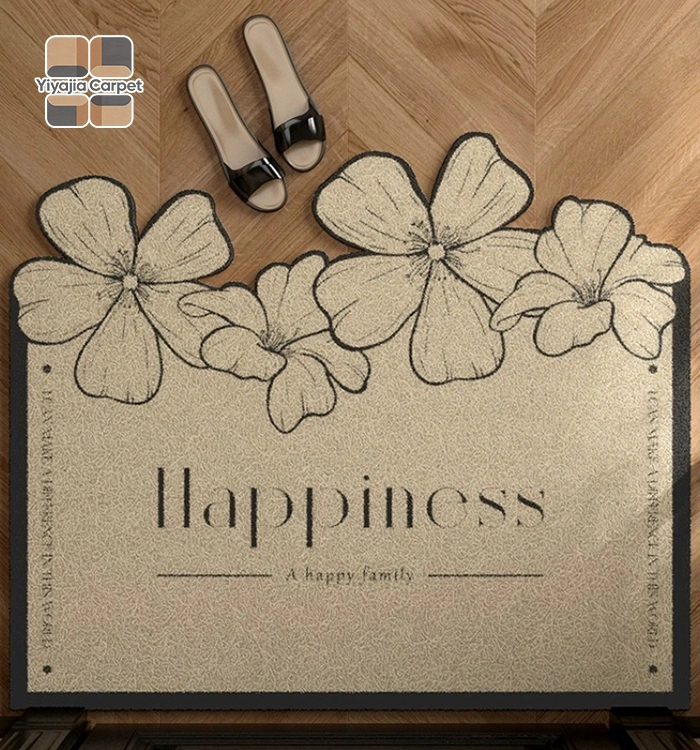
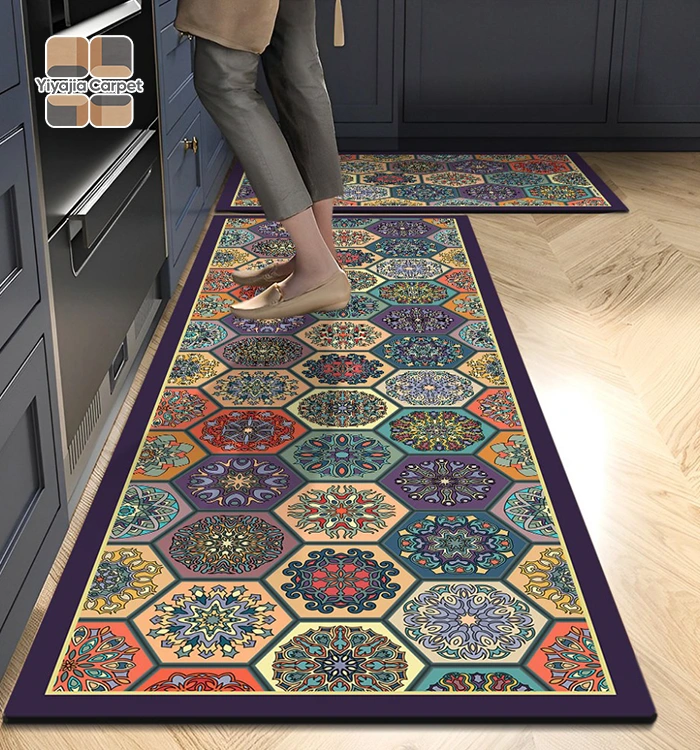
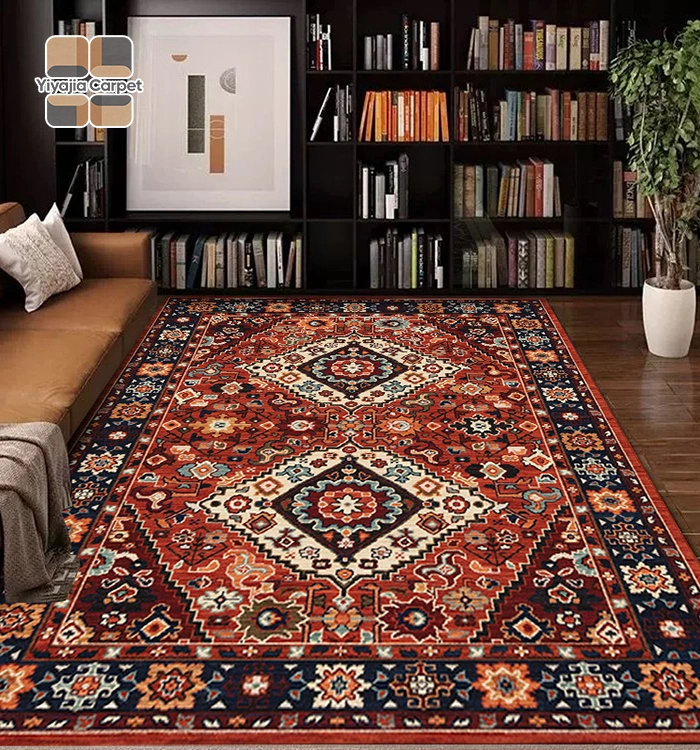
Patterned Area Rugs with Dimensional Design add depth to the room's look, which makes it feel bigger. Focus spots are made by using small geometric or natural designs that don't block the view. Using border designs in tones that go with the room's decor frames talk areas and makes the floor seem bigger by adding layers of visual elements. These styles are popular with design-conscious customers, like those who work with real estate staging, model homes, and lifestyle stores that make money by offering unique looks.
Eco-Friendly Certified Options appeal to groups that care more and more about the environment. Products that meet OEKO-TEX standards and use low-VOC formulas are aimed at health-conscious customers and green building projects that need proof of environmental qualifications. Even though this category has a smaller part of the market right now, it is consistently growing in North America and Europe, where regulations support goods that are in line with the rules. For procurement teams that are looking to the future, building relationships with suppliers early on can be very helpful. These groups of materials serve different types of customers, which lets you plan your inventory in a way that improves turnover and meets the needs of a wide range of customers without having too many SKUs.
Carpet Measurement, Installation, and Maintenance Best Practices for Small Living Rooms
Proper execution, from following the specifications to ongoing care, increases the life of the small living room carpet and customer happiness, lowers guarantee claims, and improves the supplier's image.
Accurate Measurement Protocols
In limited areas where mistakes in size are easy to see, accuracy is important. "Front legs on, back legs off" is a rule that makes sure furniture pieces rest partly on carpet while still leaving space around the edges. When measuring current rooms, you have to take into account building flaws like radiator protrusions, alcoves, and doorway swings that can change where the carpet can go. Giving retailers measurement guides cuts down on mistakes when placing orders, and giving sample advice services makes suppliers more than just people who sell products.
Installation Considerations
Professional fitting makes the product last longer and stops it from wearing out too quickly because of bad placement. Good rug pads that are made for certain types of backing (TPR, rubber, or jute) keep you from falling and protect the floor below from dye transfer or wear and tear. In business settings, choosing the right pad helps with safety by getting rid of trip risks like ends that bunch up or curl up. Suppliers who give installation instructions, paperwork, or partner recommendations build stronger ties with customers and make it easier for them to get help after the sale.
Maintenance Protocols for Longevity
A HEPA-filter vacuum should be used two to three times a week to get rid of the rough bits that cut fibers and speed up wear. Spot cleaning with solutions allowed by the maker keeps the look up between professional cleanings and protects the material's integrity. Every 12 to 18 months, hot water extraction gets rid of the underlying dirt that makes the surface look dull and feel rough. By teaching store partners about upkeep needs, returns caused by what customers think are quality problems are actually caused by poor care are cut down. This protects margins and builds customer loyalty through long-term success.
Procuring Small Living Room Carpets: Marketplace Insights and Supplier Selection
In textile markets that are becoming more international, strategic sourcing choices affect the supply of small living room carpets, how much they cost, and how they place themselves in the market.
Evaluating Sourcing Channels
Direct ties with manufacturers can save you money and give you more options for customization. This is especially helpful for large buyers whose needs are reliable. When you work with a factory, you can make changes to the specifications, like changing the pile density or the backing material, or making unique colors that set private label products apart. But these deals need bigger commitment amounts and longer lead times than dealer networks that let you choose a smaller lot size. Hybrid methods that balance core inventory through direct buying and add trend-driven SKUs through distributors help businesses save money on working capital while still being able to respond to changes in the market.
Compliance and Quality Assurance
For international purchases, suppliers must go through a lot of checks to make sure their certifications are real and their production is consistent. CE marking proves that a textile can be sold in Europe, and REACH compliance shows that chemicals used in textiles exported to the EU are safe. With ISO 9001 certification, you can be sure that the quality control practices are organized and that there is less difference between batches. This is very important for repeat orders that need color matching across production runs. By keeping testing relationships and asking for third-party inspection reports, you can be sure that what the seller says is true. This protects your brand's image from low-quality imports that hurt customer trust and cause expensive returns.
Building Sustainable Partnerships
When you work with the same source for a long time, you get more benefits than just lower unit costs. During busy times, established partners give priority to scheduling orders, make it easy to see the state of production, which helps with planning supplies, and are willing to handle rush requests that save income opportunities. Suppliers spend in tooling or minimum production runs for exclusive designs that set retail assortments apart, which allows companies to work together to make goods that respond to the needs of the market. Payment terms and bulk discounts encourage sellers to be loyal while also making it easier for them to predict demand, which helps them make the best use of their capacity and buy the right raw materials.
Yiyajia Carpet shows how these relationship benefits can be used. With a daily production capacity of up to 2,000 square meters, supplies will always be available, even when demand goes up during certain times of the year. Modern heat transfer printing and precise laser cutting technologies can handle any design or size requirement, making it possible to create truly customized solutions without having to pay a lot for setup. Having all the necessary export paperwork, like CE, ROHS, and ISO 9001 licenses, makes it easier to get goods through customs and lowers the risk of not following the rules in many foreign markets.
Conclusion
With careful planning, choosing the right small living room carpet can turn small living spaces into beautiful, useful rooms that go above and beyond what customers expect while still meeting strict performance standards. Knowing about the qualities of materials, how they should be sized, and how often they need to be maintained helps procurement pros choose products that look good and last a long time. Supplier relationships that stress adaptation, compliance, openness, and consistent quality give businesses a competitive edge in markets that want both value and dependability more and more. When buying things for shopping in homes, hotels, or online, it's important to make smart choices about which products to use based on their features and how well they work over time. This will help you save money on your goods and keep customers coming back.
FAQ
Which fiber composition performs best in high-traffic compact spaces?
In small living room carpets, where people move around a lot, solution-dyed nylon holds up better against wear and tear. It doesn't mat under the weight of furniture, and its elastic recovery qualities keep the pattern even after a lot of foot traffic. Because the solution-dyeing process is so stable, the colors will stay the same even after being exposed to sunlight, which can happen in small spaces with lots of windows.
How do pattern choices influence spatial perception?
Light-colored heathered patterns or gentle geometric shapes make things look bigger without making the small spaces too overwhelming. Big, bold images make space seem smaller, while small, intricate patterns add interest and hide dirt buildup. Using border treatments in tones that go together to separate areas without using physical walls makes the floor feel bigger by using stacked design elements that direct sight lines outward.
What customization minimums suit small to medium enterprise procurement?
Flexible makers let you change the size and color of an item with a minimum order of 50 pieces. This means that you can get personalized goods without having to spend a lot of money. Logo customization usually costs about the same and takes seven to ten days to make. This lets stores set up exclusive groups of branded products that stand out from the crowd and don't have to compete on price alone.
Partner with Yiyajia Carpet: Your Trusted Small Living Room Carpet Supplier
By working with Yiyajia Carpet, procurement professionals who are looking for reliable small living room carpet makers can get strategic benefits. Our fully integrated production center uses both modern heat transfer printing and precise laser cutting to create custom solutions that meet all of your exact size and style needs. CE/ROHS certification makes sure that your products are safe to use in all foreign markets, and ISO 9001 quality control systems make sure that your products always work the same way, which protects your brand's image.
We know how hard it is for businesses to buy things from each other when demand changes quickly, shipping windows are short, and there is competition in the market for goods. Our daily production capacity of 2,000 square meters protects our inventory during busy times of the year, and our flexible customization minimums of 50 pieces allow us to plan our selection based on what the market wants without locking up too much working capital. Dedicated export logistics teams make it easier to gather paperwork and plan shipping, which lowers your management load and guarantees on-time delivery that keeps projects on track.
Email our buying solutions team at sale@yyj-carpet.com to talk about your particular needs. You can request samples that show off the quality of our fake cashmere surface and TPR backing, or you can set up a meeting to talk about unique sizing options that will make your products stand out.
References
1. Henderson, M. (2021). Textile Engineering for Compact Living Environments: Material Science and Spatial Design. Interior Furnishings Press.
2. Carlson, R. & Liu, J. (2020). B2B Procurement Strategies in Global Textile Markets. Supply Chain Management Journal, 34(2), 118-147.
3. Thompson, A. (2022). Acoustic Performance of Floor Coverings in Multi-Unit Residential Buildings. Journal of Architectural Acoustics, 29(4), 203-221.
4. European Textile Compliance Institute. (2023). CE Marking and REACH Compliance for Carpet Imports: A Buyer's Guide. Brussels: ETCI Publications.
5. Williams, S. (2021). Color Theory and Spatial Perception in Interior Design. Design Psychology Quarterly, 15(3), 87-104.
6. Zhang, L. & Patel, N. (2022). Synthetic Fiber Innovations in Floor Covering Applications. Textile Technology International, 41(1), 56-73.