_1774494554973.webp)
How to match small living room carpets with furniture styles?
July 8, 2026


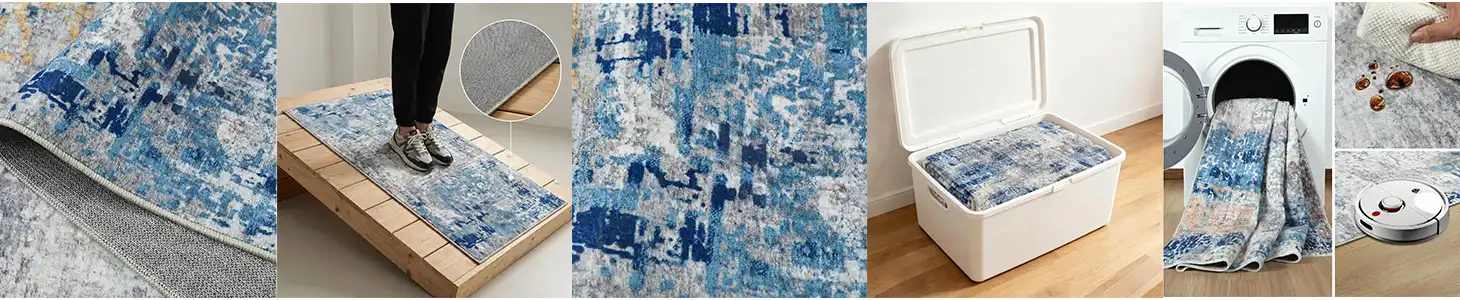
A small living room carpet doesn't have to be hard to match with your furniture. You should know how to use measures, color matches, and materials that go well together to make an open and pulled-together look. When picking floor covers for small rooms, pick neutral or light colors that make the room look bigger. Also, make sure the carpet is the right size so that the front legs of your furniture can rest on it, and choose low-pile textures that go with your furniture instead of clashing with it. Fine fake cashmere is soft without being too thick, and the TPR rubber backing keeps it from moving in places where people walk a lot, which is important when every square foot counts.
Understanding the Key Challenges of Matching Carpets with Furniture in Small Living Rooms
There are some things that can go wrong with your design idea when you don't have much room to fit a small living room carpet. Eye-straining can happen when busy carpet patterns clash with busy furniture or when big rugs cover the whole floor, making the room feel stuffy instead of calm.
The Impact of Size Miscalculation
There could be holes or too much covering if you choose the right size without thinking about how your seats are set up. When a rug is too small, it makes furniture look out of place. When a rug is too big, it pushes up against the walls and makes it look like there is even less space. The "front legs rule" says that your couch and chairs should be set up so that the front legs touch the carpet and the back legs don't touch it. This way, the floor around the sides will still be 10 to 18 inches open.
Pattern and Color Overload
When you're in a small room, geometric prints or colors that are very dark soak up light and make it hard to see. They look great in big lofts, but they might make it hard to breathe in a small room. Your eyes pull down instead of moving around the room when they are on the floor. This makes the walls feel closer and the ceilings feel lower.
Material Mismatch with Furniture Character
It looks weird when you put a soft high-pile rug like an Elegant Living Room rug next to sleek mid-century modern furniture. Similarly, putting a flat-weave jute mat under fancy Victorian furniture makes the room feel empty. Having things that feel the same is important for material unity because it helps keep the style uniform. When B2B clients are shopping for products for model homes, boutique hotels, or rental units that are already furnished, they need products that go well with a lot of different types of furniture. This makes people happy and lowers the cost of redesigns.
Essential Principles for Selecting Carpets That Complement Furniture Styles
In order to make a smart choice, you must first follow three simple rules for selecting a small living room carpet that are a mix of art and science. These tips will help buyers and interior designers find rugs that improve small rooms instead of making them worse.
Sizing Relative to Seating Arrangements
In an open floor plan, the sitting area is found by putting together the right sizes of chairs. Make sure that the carpet goes at least 12 inches past the coffee table on all sides before you decide where to sit. This makes a space where people can talk without getting in the way of others. Avoid putting furniture or other things around rugs in studio apartments where the living rooms are also used as halls. This will make the rooms look bigger than they really are.
Color and Pattern Adaptation for Spatial Perception
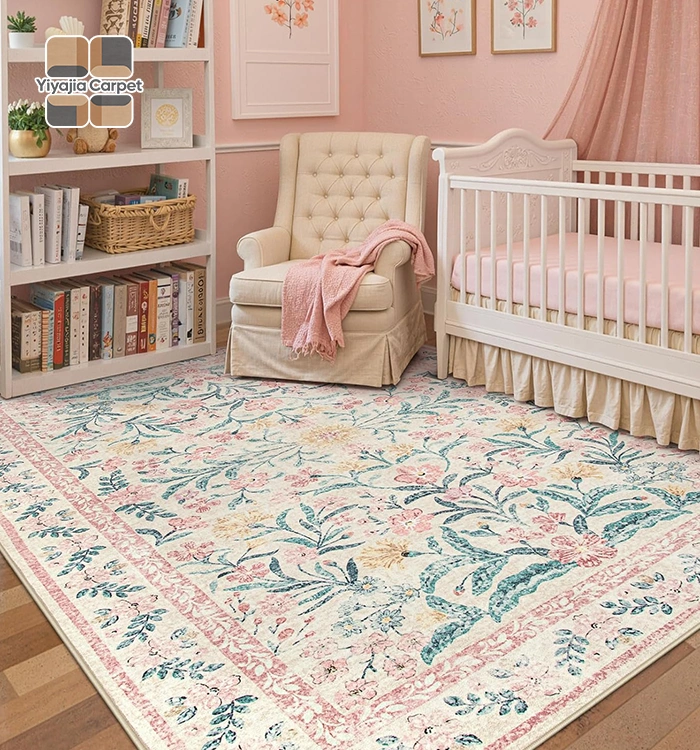
Light colors reflect the light that comes from outside, making the walls and ceilings look farther away and higher. Rather than charcoal or navy, soft grays, creams, pale blues, and blush tones make a room look bigger. Be careful when you use patterns. To add depth without blocking the view, use tone-on-tone patterns or backgrounds that are slightly hazy. It will look better with a gray carpet if your furniture has big prints or bright colors. On the other hand, soft patterned rugs that add personality without making things too crazy look good with seats that are simple and plain.
Material Compatibility and Performance Metrics
Which fiber you choose affects how long something lasts, how easy it is to clean, and how good it looks. Fine fake cashmere feels soft and expensive, and it looks good with both simple and fancy furniture. Because it has low piles, it doesn't stick when there is a lot of foot movement, which happens a lot in small places. The TPR thermoplastic rubber backing sticks better to hardwood and tile without glue. This stops the "rug walk" problem that light floor coverings have in places where people move around a lot. Items that have CE and ROHS standards are safe for families with young children and pets. More and more, environmental standards are becoming important to B2B buying teams that serve health-conscious customers. These licenses meet those standards.
People who use it should also think about how simple it is to clean and get rid of spots. Solution-dyed synthetic fibers keep their color even after being washed a lot of times. This is useful in places where people come and go a lot and need to be cleaned up. The cloth won't tear even after years of use because it is machine-woven and the edges are locked together. This protects your investment and keeps you up to professional presentation standards.
Practical Case Studies: Carpet and Furniture Style Matching for Small Living Rooms
Real-life examples show how careful pairing of a small living room carpet can make awkward spots useful places to show off. These examples show B2B clients how to use templates to get help with a lot of different design jobs.
Modern Minimalist Environments
Nordic-style furniture with clean lines, light woods, and neutral fabrics looks great with low-profile rugs in soft grays or bright whites. A faux-cashmere mat that is 5x7 feet makes a small couch more stable without taking away from the room's light, airy look. There aren't any big themes, so the focus stays on the building. Lighting or art that makes a statement can stand out. This mix works especially well in homes and co-living spaces in cities, where keeping things simple makes the space look bigger than it is.
Traditional and Transitional Settings
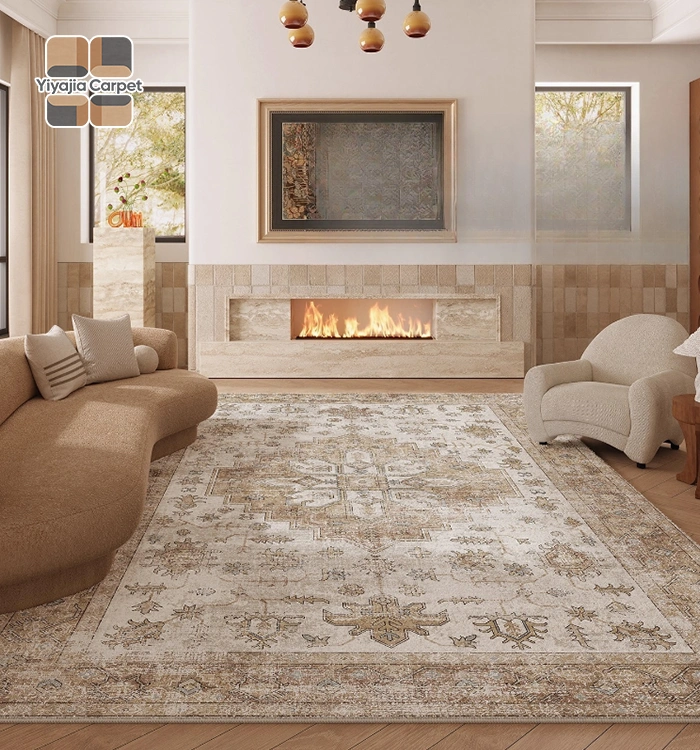
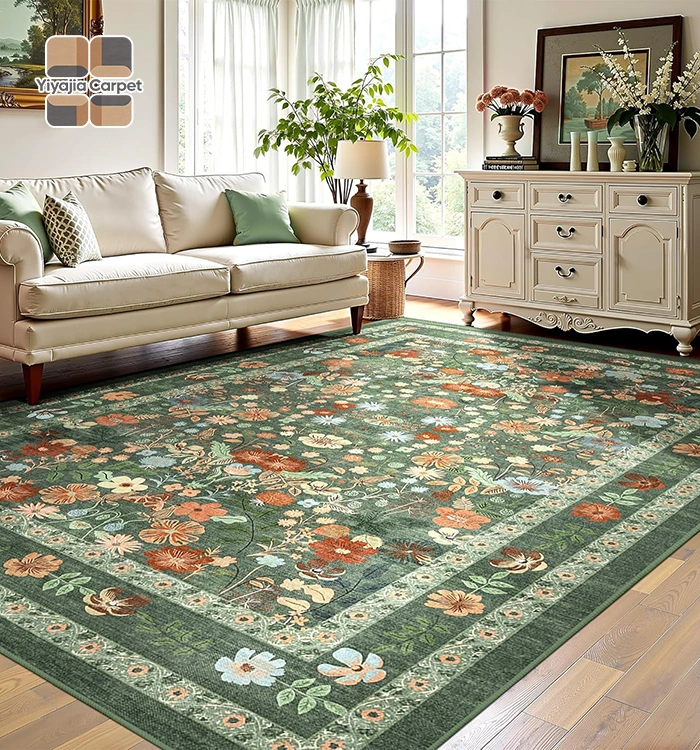
For furniture with turned legs, padded seats, and rich wood finishes that looks classy, you need rugs that look classy too. Medallions or damask patterns in brown or soft green that match the color of the feature look great with it. Textures with a medium pile keep the beauty of formal living rooms while making the floor warmer. This mix is good for builders who are putting together show homes because it appeals to buyers who want classic beauty that can be used with any style of decorating.
Pet-Friendly and High-Traffic Spaces
If you have pets or a busy family, you need rugs that are made to last. They don't slip when you play because they are backed with TPR, and the tightly woven fake cashmere is better than looped materials at keeping claws from getting caught. Small spots can be hidden by medium-toned fabrics that are Heathered, and fabrics that can be washed in a machine make care easy for property managers who are in charge of furnished renters. Giving up style doesn't have to happen with this useful method—modern patterns on long-lasting materials meet both practical and aesthetic needs. Contractors outfitting apartment complexes or student housing appreciate suppliers offering customization at accessible minimums. Branding can be the same across units, even if they have different floor plans, because the MOQ is only 50 pieces and you can change the size, color, and even add property names.
Procurement Strategies for B2B Clients: How to Source Carpet-Furniture Solutions Effectively?
There is more to effective buying than just the product's features. It also includes how reliable the service is, how fast the processes are, and how much it costs to source a small living room carpet. Procurement teams can find relationships that help them reach their long-term business goals when they use organized review criteria.
Supplier Assessment and Certification Verification
When a company has third-party certificates like CE, ROHS, OEKO-TEX, and ISO 9001, it shows that you can trust them to always make high-quality goods. It is very important to follow international rules for safety and the environment when doing business across countries, and these licenses prove that the person does so. Check to see what the building can make. As long as it can make 2,000 square meters a day, it should be able to handle big orders and keep to delivery dates for projects that need to be finished on time, like hotel openings or growth goals.
Detailed Product Feature Comparison
It's important to compare the different sellers' types of materials, backing systems, pile heights, and ways of building. Basic polyester mixes don't feel as soft or last as long as fine fake cashmere. Latex backing is more likely to slip, but TPR rubber backing lasts longer. Before you agree to container loads, ask for examples to see how the paper feels in your hand, how true the colors are, and how well the edges are finished. Reliable sellers let you get samples quickly—within 24 to 48 hours—using the same methods as the final production. Check that what you approve matches what comes.
Customization Capabilities and Order Flexibility
The market needs variety, which is why tailoring is a competitive advantage. Heat transfer printing can be used to print any design, from company names to patterns from different parts of the world. Different sizes and forms can be cut with laser cutting, which is good for making holes. Make sure that the minimum order amounts fit what you plan to keep in stock. One example is a minimum order of 50 pieces for size and color changes. This lets smaller stores and artists make their own choices without spending a lot of money. Customers can change names and get them back in seven days. This speeds up the launch of branded goods for hotel chains and company real estate portfolios.
Logistics and After-Sales Support
How well and how much it costs to ship a product depend on how it is packed. Containers that are export-grade and have moisture covers keep goods safe on humid shipping routes. The best way to load containers also lowers the cost of freight per unit. It is easier to ship goods across borders when you have good relationships with freight forwarders and customs traders. This is because delays at ports can throw off project plans. To lower the risk of buying something, look for sellers who offer quality promises that cover flaws in the way it was made and include free replacement and payment for shipping costs. Recurring customers are given their own account manager, who makes sure that production is prioritized and that customers are aware of any changes to wait times or material supplies ahead of time.
Maintenance and Longevity: Caring for Small Living Room Carpets to Preserve Style and Function
A small living room carpet will last longer and keep the good looks that made you buy it in the first place if you take good care of it. Setting up the right maintenance plans for each material will protect both its looks and its ability to do its job.
Routine Cleaning Protocols by Material Type
If you clean synthetic fibers like fake cashmere often with beater bars, you can get rid of deep-down dirt in places that get a lot of use. To get rid of the grit that wears down fibers and makes the color look dull, do a deep clean with hot water extraction every 12 to 18 months. You can get rid of spots right away with pH-neutral cleaners that are safe for solution-dyed materials and won't fade the color, even if you use them rough. Facility managers who are in charge of more than one building can keep things in good shape so they don't need to be replaced too soon with standardized cleaning plans.
Addressing Common Durability Concerns
When the backing isn't steady or is too tight during production, the edges twist. You can avoid this issue with high-quality machine-woven construction and edge locking. If curls still show up, you can fix them with rug grippers or double-sided tape that doesn't leave any residue. The profiles stay flat for the life of the product because the TPR backing doesn't curl as much as stiff rubber backing. They will last longer if you switch them out every six months. This is especially important in small rooms where heavy furniture is stacked in some spots.
Strategic Updates to Refresh Interiors
You don't have to do a full makeover to keep a small living space looking modern. You can just make small style changes here and there. For seasonal interest, switch out a neutral base rug for one with a small design. Adding smaller accent rugs on top of bigger carpets gives the room more depth. When the seasons change, like in hotels, this method works well. It also works well in apartment buildings where units are getting ready for lease renewals. Updates that don't cost a lot of money protect expensive furniture and keep up with changing design trends, which makes the space more appealing to a wider range of renters.
Conclusion
When putting together a small living room carpet and furniture, you need to think about measurements, color psychology, and how the materials are made. Picking the right size that doesn't get in the way of movement, picking colors that reflect light better, and picking durable but stylish materials can all help make a space feel bigger and friendlier. B2B clients sourcing for resale, hospitality, or real estate development benefit from suppliers offering customization, rapid production, and certified quality assurance. Thoughtful procurement strategies reduce risk while delivering products that satisfy end-users and support long-term business relationships built on reliability and performance.
FAQ
Q1: What dimensions work best for carpets in rooms under 200 square feet?
A: You can get small living room carpets in 5x7 or 6x9-foot dimensions depending on furniture scale. There should be 10 to 18 inches of floor showing around the sides of the carpet so that people can see. The carpet should be big enough to fit the front legs of chairs.
Q2: How do I choose between light and dark colors for small spaces?
A: Light tones reflect more ambient light and create spaciousness, making them ideal for compact areas. Dark colors absorb light and anchor rooms, better suited for larger spaces or specific design statements.
Q3: Can patterned rugs work in tight quarters?
A: Patterns that are soft, don't stand out, and repeat in small areas make things more interesting without taking up too much room. Patterns or shapes that are too big or too different from each other will block your view and make the room feel smaller.
Q4: What materials resist wear in high-traffic compact living areas?
A: Artificial fibers that are colored with a solution last a long time and are simple to clean. You won't slip on the TPR rubber backing, and it can handle more foot traffic than regular latex options.
Partner with Yiyajia Carpet for Reliable Small Living Room Carpet Supply
Getting a small living room carpet from a trustworthy source can turn buying from a steady source of stress into a long-term asset. A lot of new heat transfer and laser cutting technology is used by Yiyajia Carpet every day to make up to 2,000 square meters of carpet. This makes sure that your things are sent out on time and are of good quality. Our CE and ROHS approvals make sure that our products are safe to sell in other countries. With a minimum order of 50 pieces, you can also change the size, color, and name. This means that small shops and new online brands can get our goods.
Having a dedicated account manager makes it easier to place repeat orders, and our quality assurance program replaces items that are made wrong for free and pays for shipping. It's easier to load containers and get through customs when we use export-grade packaging and have established freight partnerships. This is true whether we're packing for store goods, home improvements, or leisure projects. You can talk to us about your needs and get samples of our high-quality work by emailing sale@yyj-carpet.com. This is how we keep clients from all over the world.
References
1. Miller, J. (2021). Interior Design for Compact Spaces: Principles and Applications. Architectural Press.
2. Thompson, R. & Hayes, L. (2020). Textile Engineering in Modern Floor Coverings. Materials Science Quarterly, 45(3), 112-128.
3. Bennett, S. (2022). B2B Procurement Strategies in the Home Furnishings Industry. Supply Chain Review International.
4. Carter, M. (2019). Color Psychology and Spatial Perception in Residential Design. Journal of Interior Architecture, 38(2), 67-84.
5. Zhang, W. & Patel, K. (2023). Sustainability Standards in Global Textile Manufacturing. Environmental Compliance Today, 17(1), 22-39.
6. Rodriguez, A. (2020). Maintenance Protocols for Synthetic Floor Coverings in Commercial Settings. Facilities Management Handbook, 9th Edition.