_1774494554973.webp)
How do hotel carpets impact guest experience and hotel branding?
July 9, 2026


The best hotel carpet does more than just cover the floors; it also sends a message of friendliness. When people walk into a hotel lobby or hallway, the quality of the carpet tells them right away about the brand and how much attention to detail is being paid. High-performance matting lowers background noise, absorbs impact, creates a warm atmosphere, and turns a useful space into an unforgettable experience. The choice of carpet has an impact on how comfortable guests are, how efficiently operations run, and how the brand stands out over time in competitive hotel markets.


Understanding the Role of Hotel Carpets in Guest Experience
The choice of floors in a hotel has a big impact on how guests feel and remember their stays. In addition to looking nice, rugs have many other sensory and practical uses that make the hotel setting unique.
Creating Comfort Through Acoustic and Tactile Properties
Noise control is still hard to do in hotel buildings with more than one floor. Sound travels between floors and along hallways, but good carpeting blocks it out. This makes rooms quieter, which is good for sleep and privacy. The right pile density makes the ground soft, which is extra comforting, especially after a long day of traveling. Guests unconsciously interpret these sensory elements as signs of care and quality, which has a direct effect on their happiness scores and chance to return.
Research in the field of hotel management shows that sound comfort is one of the three most important things that guests say about a place. Hotels that put money into rugs with better sound-absorbing qualities get much better scores for how quiet the rooms are and how nice the whole place feels.
Reinforcing Brand Identity Through Design Choices
Pattern choice, color scheme, and texture all show what kind of brand identity a company has without words. Custom designs with complicated patterns that show luxury and attention to detail are common in high-end homes. Brands that want to stay within their budgets might choose long-lasting patterns that hide dirt and keep the look while lowering the cost of care. Either way, when used regularly, builds brand awareness and sets high standards for guests.
Visual consistency between public areas and guest rooms using the best hotel carpet creates cohesive narratives that elevate property value. A boutique hotel with warm, textured best hotel carpet throughout achieves a more personal feel than hotels using clean, modern designs with low-profile commercial options. This best hotel carpet consistency reinforces brand identity and enhances guest experience across all spaces.
Ensuring Safety and Hygiene Standards
Slip resistance keeps people safe when they're walking through wet lobby areas or bathroom changes. Modern carpet backing methods keep the carpet stable so it doesn't bunch up or wrinkle, which can happen in areas with a lot of foot activity. Antimicrobial treatments and sensitive materials help tourists who care about their health, which is especially important as wellness tourism grows.
Maintenance rules have a direct effect on how people think about cleanliness. Carpets that don't stain easily and are easy to clean thoroughly keep looking clean, which reassures guests about the level of cleanliness. Properties that care about the state of their floors gain trust that stretches to the quality of their overall operations.
Key Factors Hotel Procurement Managers Should Consider When Choosing Carpets
When choosing hotel flooring, you have to think about both your current budget and the flooring's value over time. For years to come, running costs and guest happiness will be affected by purchases made during the building or renovation phase.
Material Selection for Durability and Comfort
Figuring out the properties of a material helps match carpet specs to particular areas of a hotel and the brand's positioning. Different fibers have different benefits that should be matched with how they are used and how easy they are to maintain.
Wool mixes naturally resist wear and heat, which is important in high-end settings, but they need to be cleaned in a certain way. Nylon types are more durable and less likely to stain, making them good for places with a lot of foot traffic. They also feel softer to the touch than polyester types. New eco-friendly materials, like recycled polyester, appeal to brands that care about the environment without lowering performance standards.
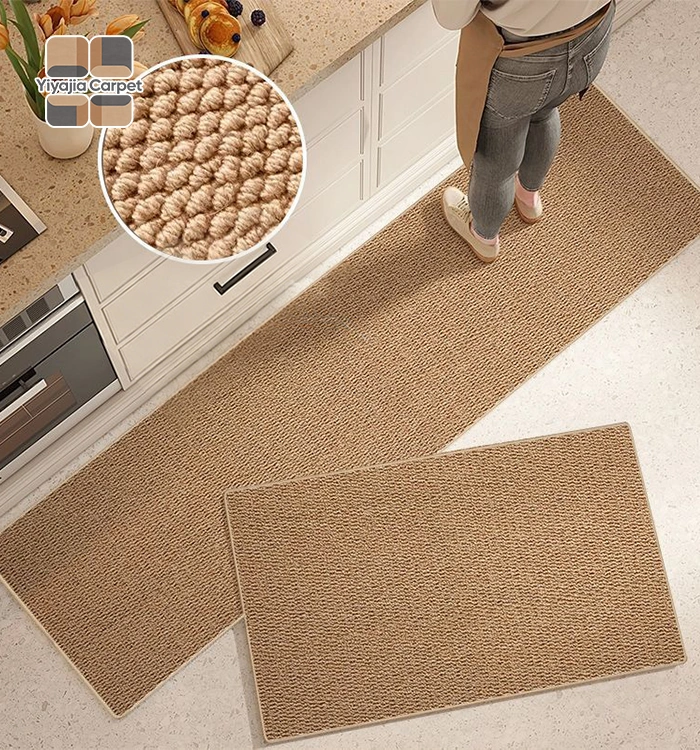
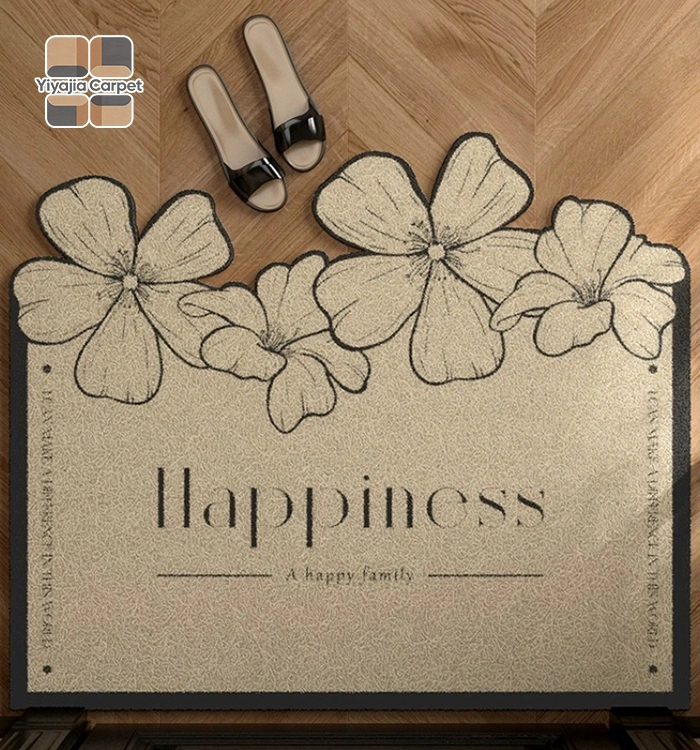
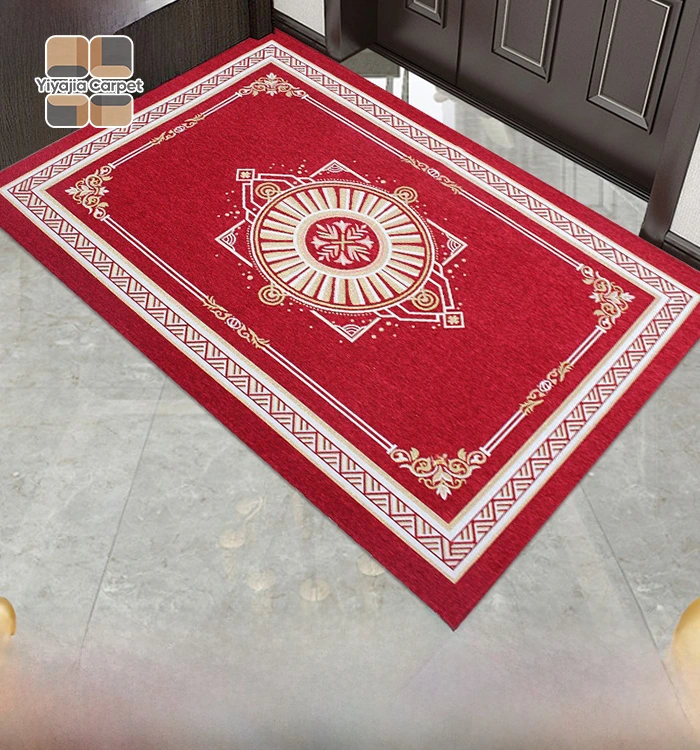
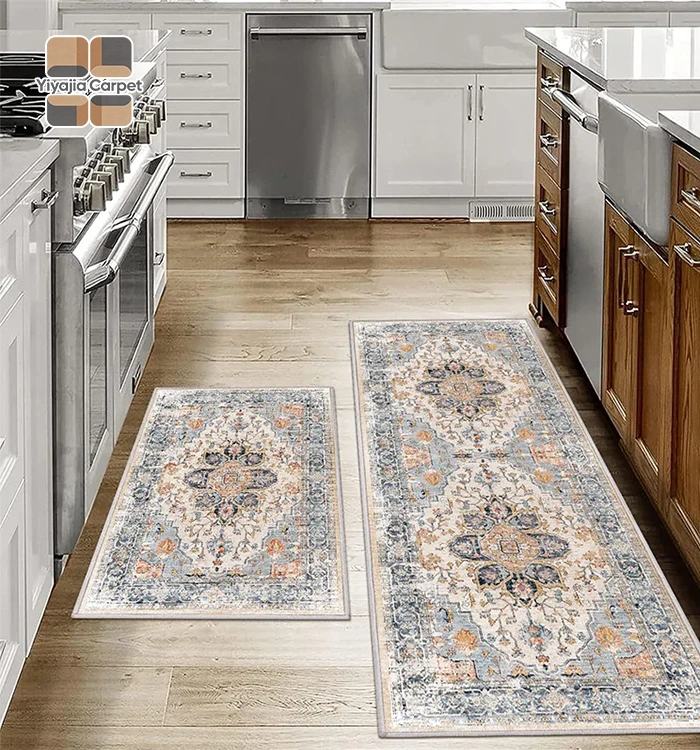
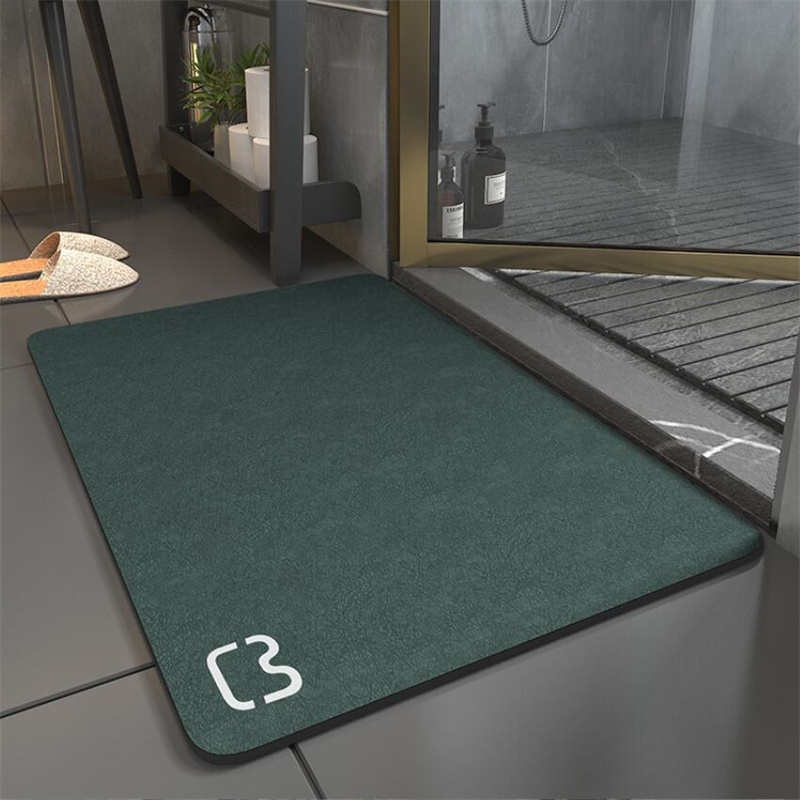
The fine fake cashmere surface material from Yiyajia Carpet has a luxurious feel and a useful TPR thermoplastic rubber base. This design provides ease similar to natural fibers while also being more resistant to moisture and maintaining its shape. The machine-woven lockstitching makes sure that the edges stay in place even when rolling bags over them, which is a typical place for things to go wrong in hotel hallways.
Aligning Design With Brand Messaging
The mental experience that a property is trying to give should be supported by visual features. Different patterns and color schemes are needed for different styles, such as classic grace, modern minimalism, or regional culture themes.
Putting a custom image at doorways and other important public areas helps people remember the brand. Purchasing managers should check with suppliers to see what kinds of customizations they offer, as well as any minimum order amounts and wait times that may apply for custom designs. Properties with more than one location benefit from providers who can keep the brand consistent across different projects by following the same exact specs.
Manufacturers with low MOQ requirements, like 50 pieces for size and color changes, make it easy for boutique hotels and small companies to get personalized items that were once only available from big names. Customizing your logo and getting it back to you within seven days helps with quick brand update projects that don't need long closure times.
Calculating Total Cost of Ownership
The initial cost of buying best hotel carpet is only a small part of total lifetime costs. A full purchase analysis for the best hotel carpet must consider installation complexity, maintenance frequency, required cleaning products, and expected lifespan between replacements. These factors determine the true cost-effectiveness of best hotel carpet choices, helping procurement teams select options that deliver optimal value over the complete service life of best hotel carpet installations.
Even though they cost more up front, higher-quality choices that are more stain- and wear-resistant often end up being cheaper in the long run. Bulk buying strategies lower the cost per unit, but they need accurate forecasts and enough space to store the goods. By building relationships with dependable suppliers who keep quality consistent across repeat orders, you can avoid the costly problems that come up when products vary or suppliers become unstable.
Partners with stable supply chains and fast delivery are helpful for procurement workers who work with multiple properties or who are in charge of staged repair projects. With a daily production capacity of 2,000 square meters, providers can meet tight project deadlines without lowering quality standards. This lowers the risk of building delays that cause businesses to lose money.
Evaluating Hotel Carpet Performance and Longevity
There are technical differences between good flooring and excellent options that keep looking good and working well for a long time. Leaders in procurement should know about key performance factors that show how well a business will do in the long run.
Traffic Resistance and Structural Integrity
Rugs in guest rooms are put under a lot of different kinds of stress than rugs in hallways or lobby areas. Luggage wheels put a lot of force on narrow tracks, which makes wear paths that damage the look of fibers long before they actually break. High-density pile building spreads these loads out better, which makes the structure last longer.
How well rugs keep their shape and position under constant stress depends on their backing systems. The TPR thermoplastic rubber backing sticks well to different types of subfloors without needing a lot of glue. This feature makes installation and replacement easier and stops the buckling and ripples that can be dangerous and look sloppy.
Properties that are in humid areas or have indoor pools need rugs that are made to not wear down when they get wet. Materials that keep their shape even when temperature and humidity change stop edges from twisting and seams from coming apart, which is bad for both safety and looks.
Stain Resistance and Maintenance Efficiency
Spills and dirt will always happen in hospitality settings. Carpets that have been cleaned with advanced stain-blocking technologies don't let common things like coffee, wine, and food oils soak into them. This resistance lowers the amount and frequency of deep cleaning that needs to be done, which saves money on work and makes the product last longer.
Total running costs are greatly affected by how easy it is to maintain. Carpets that are easy to dust and remove dirt from stay looking clean with little work on your part. When deep cleaning is needed, materials that work with regular extraction tools keep you from having to hire specialized services that cost more and take more time.
CE and ROHS licenses make sure that materials meet strict safety and environmental standards. This makes sure that they can be cleaned with a variety of products without releasing any dangerous chemicals. These certificates are especially important for hotels that sell themselves as health- or family-friendly, because guests expect higher safety standards there.
Color Retention and Aesthetic Longevity
In many high-end hotel soft furnishing carpet applications, fading degrades appearance faster than actual wear. Solution-dyed fibers for high-end hotel soft furnishing carpet have colour built into the fiber structure, not just the surface, providing superior fade and wash resistance. This technology excels in sun-exposed areas like hallways. Heat transfer printing with precise laser cutting enables complex, colour-stable patterns for high-end hotel soft furnishing carpet. Properties achieve custom flooring supporting brand identity without sacrificing high-end hotel soft furnishing carpet durability.
Procurement and Installation: Best Practices for Hotel Carpets
To be successful, flooring projects need to carefully evaluate their suppliers and be carried out in an organized way. It is important for procurement managers to set clear guidelines for choosing partners and managing projects.
Evaluating Supplier Reliability and Capabilities
Supplier stability has a direct effect on how well a project turns out. Before committing to big orders, procurement workers should look at the company's manufacturing capacity, quality control systems, and track record of on-time deliveries. When you visit production sites, you can see that they can actually do what they say they can do, which gives you faith in the supplier's ability to meet deadlines and specifications.
Some certifications, like ISO 9001, show that a company uses organized quality control methods to lower differences between batches. Suppliers who keep their OEKO-TEX certification show that they are dedicated to textile safety standards that keep guests and installation teams safe from chemicals that are dangerous. EN 1350 grades for flame retardancy are necessary for buildings that have to follow strict fire codes.
Yiyajia Carpet's wide range of certifications, such as CE, ROHS, and safety standards, shows that we are dedicated to meeting the needs of a wide range of customers. Our strict full-process quality control and strengthened backing make sure that every shipment matches approved samples. This keeps procurement managers from having to deal with the expensive mistakes that come up when they work with suppliers who aren't reliable.
Negotiating Terms for Bulk and Custom Orders
When set up correctly, buying in bulk can save you a lot of money. Before signing big contracts, procurement managers should make sure they understand the minimum order amounts, payment terms, and price protection clauses. When suppliers offer different prices based on quantities, it encourages customers to combine their needs across locations or project stages.
For custom orders, it's important to be clear about the requirements, the approval process, and the accepted levels of error. Sample proof processes keep people from getting confused about how to match colors, scale patterns, and add texture. Setting these rules up front keeps disagreements and delays from happening that happen when standards aren't met.
Suppliers who are flexible and can handle partial delivery plans help properties deal with limited storage space and when to put things. Professional export-grade bulk packing and optimal container loading lower unit transportation costs. This is an important thing to think about for foreign projects where shipping costs have a big effect on the total investment.
Coordinating Professional Installation
When put wrong, even the best hotel carpet options don't last. Procurement managers should hire installation teams with a lot of experience who know how to deal with problems that come up in the hotel industry, like matching patterns along long hallways and working around practical restrictions in properties that are already occupied.
Pre-installation site surveys find out what needs to be done to prepare the flooring and what problems might arise. When carpet materials are properly adapted to their surroundings, they don't change size after installation, which can cause bowing or holes. Detailed construction plans keep working areas as smooth as possible and make sure that all trades work together.
Reliable suppliers offer expert help during the installation process, fixing problems that come up out of the blue and making sure that the end results are exactly what was asked for. This partnership method keeps the procurement manager's good name and makes sure projects are finished smoothly.
Trends Shaping Hotel Carpet Choices
Hospitality flooring is always changing because of new technologies, changing client standards, and operational stresses. Purchasing managers who keep up with new trends put their properties in the best possible positions.
Sustainability and Environmental Responsibility
Travelers who care about the environment are increasingly choosing places that have shown they care about the environment. This growing market group likes carpets made from recycled materials, using low-emission production methods, and meant to be returned at the end of their useful life. Certifications that check environmental claims give marketing messages a trustworthy third-party seal of approval.
Manufacturing methods that use less energy cut down on carbon emissions without affecting the performance of the product. Suppliers who invest in sustainable operations show that they can stay in business for a long time and follow the trends in corporate responsibility that are affecting buying decisions in the hotel industry around the world.
Smart Features and Advanced Treatments
Antimicrobial treatments used during production stop the growth of germs and mold, which addresses hygiene concerns that have grown due to increased global health knowledge. These treatments are especially helpful in places with a lot of humidity or that are aimed at people who are health-conscious.
Anti-static features keep you from getting unpleasant shocks and protect the sensitive electronics that are becoming more common in modern guest rooms. Easy-clean technologies make upkeep easier while using less water and chemicals, which helps with both environmental goals and operating efficiency.
Customization Accessibility for Smaller Properties
New technologies in production have made customization more accessible to everyone. Before, only big chains with a lot of orders could do it. Digital printing and laser cutting make short runs cheap, which lets boutique properties use unique patterns that reinforce their unique standing.
Low customization limits, like a minimum of 50 pieces for size and color changes, get rid of the problems that used to force smaller businesses to settle for standard choices. This makes it possible to use tactics that set independent properties apart from standard chain offers, which helps them compete.
Conclusion
Strategic best hotel carpet choice affects guest satisfaction, operational efficiency, and brand perception across all property types. Procurement managers who understand best hotel carpet material properties, performance requirements, and total lifetime costs make lasting decisions. Balancing short-term budgets with long-term durability prevents premature best hotel carpet replacement. Successful best hotel carpet projects partner with reliable suppliers offering consistent quality, transparent customisation, and responsive service. As health and environmental trends reshape guest expectations, best hotel carpet becomes an increasingly visible indicator of property quality and operational excellence.
FAQ
Which carpet materials work best for high-traffic hotel areas?
Solution-dyed nylon is very durable and doesn't stain easily, making it perfect for hallways and lobbies where people are always walking by. When you mix synthetic fibers with wool in a blended design, you get balanced performance that gives you strength while keeping a comfortable feel. Which one to choose relies on your income, your aesthetic goals, and your ability to keep up with maintenance.
How often should hotel carpets undergo professional cleaning?
High-traffic areas do better with daily sweeping and deep cleaning every three months. Friend rooms usually need to be deep cleaned every time a friend stays or at least once a month. Setting up preventative maintenance plans is a much better way to extend the life of carpets than reactive methods that only clean up obvious dirt.
Are eco-friendly hotel carpets cost-effective?
More and more, sustainable choices are becoming the same price and perform the same way over their entire lifetime as standard goods. Properties that promote being environmentally friendly get a unique brand identity that may justify higher prices. A lot of eco-friendly rugs last as long as or longer than regular carpets, making them the best hotel carpet choice for your budget in addition to being good for the environment.
Partner With Yiyajia Carpet for Superior Hotel Flooring Solutions
If procurement managers are looking for a reliable best hotel carpet provider, Yiyajia Carpet has a wide range of options that are specifically designed to meet the needs of the hospitality industry. Our advanced heat transfer printing and precise laser cutting technologies let us make unique designs that meet strict performance standards and strengthen your brand's personality. We can handle projects of all sizes, from small, one-of-a-kind properties to multi-location chains, as our daily production capacity reaches 2,000 square meters and our minimum order quantity (MOQ) starts at just 50 pieces.
Our CE, ROHS, ISO 9001, REACH, and EN 1350 certifications show that we are dedicated to quality and safety standards that are important for foreign hotel projects. Strict full-process quality control with stronger backing makes sure that results are the same for each order, which gets rid of the supply problems that throw off project schedules. Professional export packing and well-developed cross-border operations make sure that your orders get to their destinations safely all over the world.
Email our team at sale@yyj-carpet.com to talk about your particular needs. We can make samples quickly—within 24 to 48 hours—so you can make an informed choice before committing to large sales. Our business liaisons make sure that communication runs smoothly and that we can quickly adapt to changing project needs. They are there to help you succeed from the first question you ask to the final installation.
References
1. Cornell University School of Hotel Administration. "The Impact of Physical Environment on Guest Satisfaction in Hospitality." Journal of Hospitality Management Research, 2021.
2. American Hotel and Lodging Association. "Best Practices for Hotel Flooring Selection and Maintenance." Industry Standards Report, 2022.
3. International Journal of Contemporary Hospitality Management. "Material Selection and Brand Perception in Hotel Design." Academic Quarterly, 2020.
4. Hospitality Procurement Institute. "Total Cost of Ownership Analysis for Hotel Flooring Systems." Professional Development Series, 2023.
5. Green Building Council Hospitality Chapter. "Sustainable Materials in Hotel Construction and Renovation." Environmental Impact Study, 2022.
6. Institute of Hospitality Facilities Management. "Acoustic Comfort and Guest Experience: A Quantitative Analysis." Research Monograph Series, 2021.