_1774494554973.webp)
Long Corridor Carpet: Is Crystal Velvet Better Than Faux Cashmere?
August 25, 2026


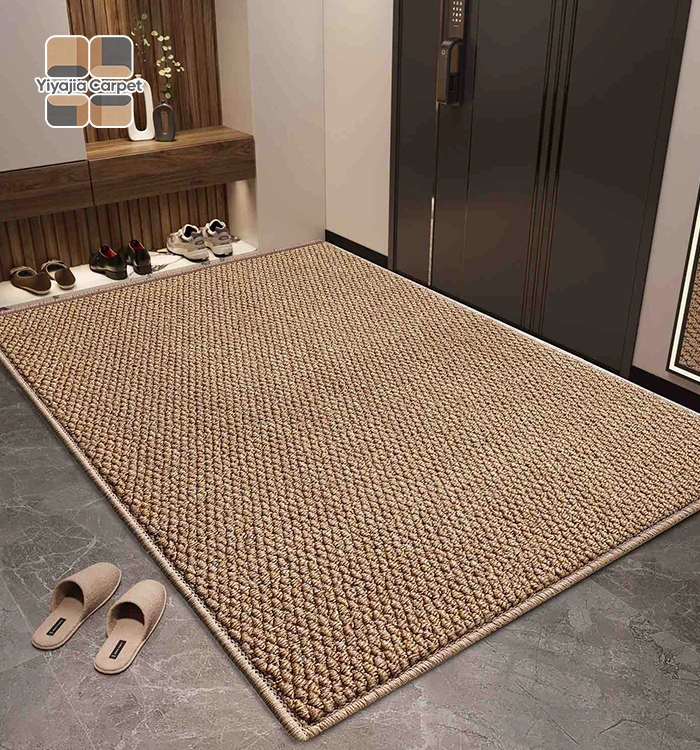
When specifying floor coverings for hotel hallways and commercial passages, the debate between crystal velvet and faux cashmere surfaces repeatedly in procurement discussions. For a long corridor carpet application, faux cashmere demonstrates superior performance across critical metrics: it delivers exceptional durability under heavy foot traffic, maintains consistent appearance despite daily wear, and offers the cost-efficiency essential for large-scale projects.
While crystal velvet presents undeniable visual appeal, faux cashmere's balance of resilience, ease of maintenance, and professional-grade construction makes it the optimal choice for environments demanding both aesthetic sophistication and operational reliability.
Understanding Long Corridor Carpets and Industry Needs
When picking out floor coverings for hallways, hotel engineering directors and procurement managers face unique problems. Unlike regular room carpets, corridor runners have to handle a lot of foot traffic every day, with hundreds of people walking along the same tight path. If the wrong material is chosen, this repeated stress can lead to wear patterns that make the product look bad and make it less safe within months.
The Functional Requirements of Commercial Corridor Flooring
High-traffic transitional areas need floor coverings that are made to keep the look the same along long lengths, resist fiber crushing, and help operations run smoothly. When hotels open new sites or do renovations, they need carpets that fit in with their name and meet strict fire safety standards. The floor covering needs to be able to stand up to moving suitcase carts, spills, and dirt, and it needs to be easy to clean so that labor costs are kept low.
Addressing Common Procurement Pain Points
When you order a lot of carpet for a hallway, things get more complicated than when you buy carpet for your own home. When installing continuous runs longer than 50 meters, color consistency across production batches is very important. Even small differences in dye lots show up as seams, which doesn't look professional. Edge finishing must keep things from fraying even tho cleaning tools and people walking on them are constantly wearing them down. International logistics needs packaging solutions that keep long rolls safe during ocean freight while also making the best use of containers to keep shipping costs per unit as low as possible.
Safety and Compliance Standards
When it comes to commercial installations, fire safety certifications are a must. The EN 13501 flame retardant ratings make sure that rugs meet European fire safety standards, which are required by many foreign hotel groups no matter where the property is located. Anti-slip backing systems keep the floor from moving in ways that could be dangerous for guests and protect the hotel from harm. Before installation can be approved, these technical specs must be checked by a third party and written down with real certificates.
Crystal Velvet vs Faux Cashmere: Material Characteristics and Benefits
Knowing the main differences between these materials helps procurement teams make decisions that are based on facts and fit within their budgets and operational priorities.
Crystal Velvet Composition and Characteristics
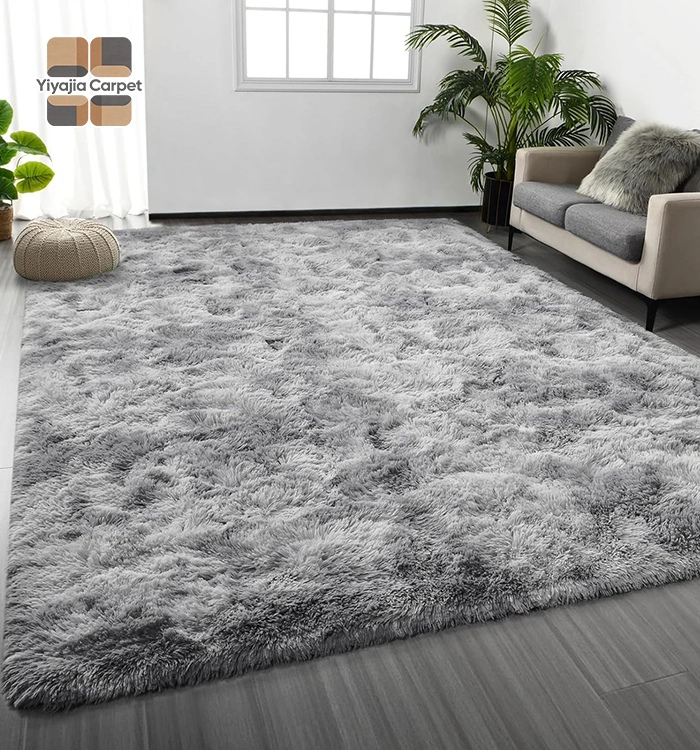
Crystal velvet is usually made of synthetic polyester fibers that are sewn into a thick, fluffy pile. The process of making it makes the surface shiny and very soft to walk on. This material works great in low-traffic residential settings where looks are more important than durability. Even though the fiber structure looks nice, it tends to show traffic patterns more clearly than denser options, which becomes a critical drawback when the same material is used in a long corridor carpet where foot traffic is linear and repetitive. Because crystal velvet has an open pile, it can trap dirt and dust, so it needs more thorough cleaning to keep up its good looks.
Faux Cashmere Engineering and Performance
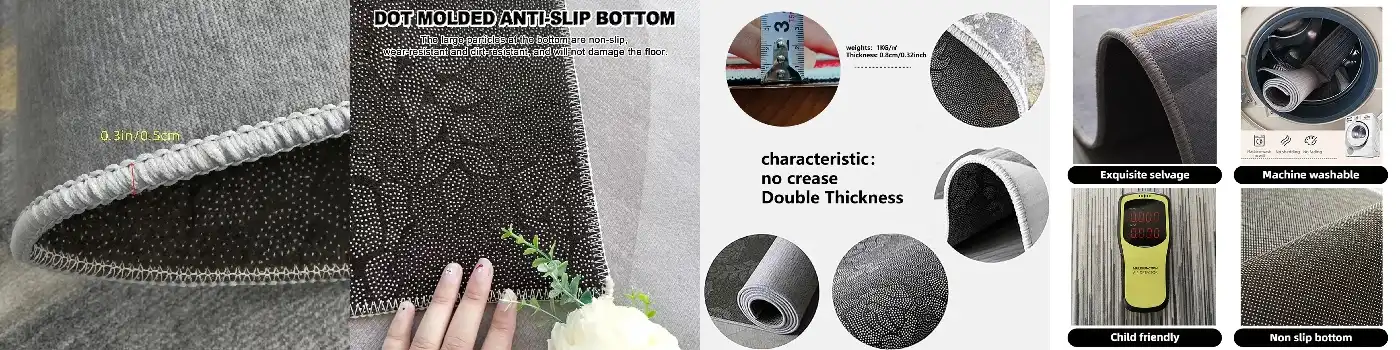
Faux cashmere is a high-tech mix of synthetic fibers that are made to feel soft like real cashmere while also being durable enough for business use. When we make things, we use fine synthetic threads that are twisted into strong yarn structures that don't break under constant pressure. The TPR thermoplastic rubber backing system sticks firmly to the fiber layer, making it stable in size so it doesn't buckle or ripple even when rolling loads are applied. Machine-woven edge binding gets rid of the breaking problems that come with cut-edge installations, so the carpet's edges stay straight for as long as it's used.
Comparative Durability Analysis
The results of tests show that faux cashmere is more durable in corridor settings. The material stays the same after thousands of foot traffic cycles, while crystal velvet starts to show signs of wear and tear after just one year of hotel use. The shorter pile height of faux cashmere (usually 8–12 mm) makes it easy to remove dirt and dust when cleaning. The fiber's natural stain resistance means that chemical spot treatments aren't needed as often. This means that there is more time between deep cleaning cycles and lower costs over the lifetime of the carpet.
Performance Considerations for Long Corridor Carpets in Commercial Settings
The real world is very different from the examples in the store. The real worth of hallway flooring only becomes clear after months of daily use in real life.
Maintenance Protocols and Long-Term Appearance Retention
How well housekeeping is done has a direct effect on how much money a hotel makes. The short, dense pile of faux cashmere makes it easy for regular vacuums to get rid of deep-down dirt without the need for special attachments or too many passes. The synthetic fiber doesn't soak up water, so it can dry quickly after spills that would stain natural fibers forever. Hotels say that the surface cleans better with less work, which cuts down on maintenance work by 20 to 30 percent compared to longer-pile options.
Safety Performance Under Real-World Conditions
Over time, anti-slip properties get worse as backing materials get smaller and surface threads bunch up. Our TPR backing keeps its coefficient of friction throughout the life of the carpet, so it always meets safety standards in the workplace. The low depth of the material makes it safer to walk on when changing carpeting types. Independent testing confirms that the levels of slip resistance set by safety rules for the hospitality industry are met.
Environmental Certifications and Sustainability
More and more, environmental duty is being taken into account when evaluating suppliers in modern buying. Yiyajia's production of faux cashmere passes CE and ROHS standards, which means it doesn't contain any heavy metals or chemicals that are dangerous. The material is OEKO-TEX certified, which means that finished products meet strict safety standards for people and the environment. These certifications from a third party give the proof needed for LEED building certification and corporate sustainability reporting, and they are especially relevant when specifying materials for a long corridor carpet, where high-volume usage demands both ecological responsibility and long-term safety compliance.
Procurement Insights: Ordering, Installation, and Supplier Evaluation
For corridor carpet projects to go well, the planning, sourcing, shipping, and installation stages must all work together. Knowing the whole supply chain can help you escape delays and quality problems that cost a lot of money.
Accurate Specification and Custom Sizing
Standardized spacing is not possible because corridor sizes change a lot from property to property. Our laser cutting technology allows for accurate dimensioning to exact lengths, which cuts down on waste from over-ordering and makes sure that there are no seams in important sight lines. It can handle odd shapes where corridors meet or lead to other rooms because the system is flexible. With a minimum order quantity of just 50 pieces, customization is affordable even for small hotels, and our daily production capacity of 2,000 square meters makes it easy for big hotel groups to get what they need.
Supplier Reliability and Production Transparency
Delivery delays throw off project plans and cause expensive breaks for homes that are being renovated. Working with makers that keep their production capacity high guaranties stable wait times, even during busy building seasons. Our dedicated account management system lets you know about production changes and shipment tracking in real time, so there's no more doubt that makes it hard to coordinate projects. Before they are shipped, all of the products go thru a full quality inspection, and paperwork is provided to show that they meet the standards.
Installation Support and After-Sales Service
When installed wrong, even high-quality materials don't work as well as they should. For best carpet performance, get professional help with installing it so you can make sure the substrate is ready, the right adhesive is chosen, and the seams are placed correctly. Our expert team gives you thorough installation instructions that are based on the temperature and type of substrate in your area. Quality guaranties cover flaws in the making process, and they cover the cost of repair and shipping, so you don't have to worry about losing money because of bad materials.
Making an Informed Decision: Which Carpet Material Fits Your Needs?
Ultimately, the choice between crystal velvet and faux cashmere relies on the needs of the project, the expected traffic, and the budget.
Return on Investment Analysis
The total cost of ownership is much higher than the initial purchase price. At first glance, crystal velvet may seem cheaper per square meter, but its higher care needs and shorter replacement cycle make lifetime costs much higher. Because faux cashmere is more durable, hotel hallways usually get an extra 3 to 5 years of use—a benefit that becomes especially critical when installed as a long corridor carpet, where continuous foot traffic accelerates wear and magnifies replacement frequency. These savings are increased by fewer cleanings and fewer workers needed, which often leads to a 40% lower total cost over a ten-year analysis period.
Matching Materials to Needs of the Application
Hotel corridors that lead to restaurants or conference rooms get more traffic than residential wings, so they need stronger fiber systems. Properties that are trying to be seen as high-end can benefit from the refined look and feel of faux cashmere, which is in line with expensive brand messaging. Renovations that are limited by money can still work well if the specs are adjusted to balance quality and cost. When buying teams know these differences, they can make the right specifications without over-engineering or sacrificing important performance.
Verification and Quality Assurance
Reliable suppliers give you real certification paperwork, clear ways to approve samples, and clear production schedules. Ask for test reports from a third party that confirm the flame retardant ratings, slip resistance values, and environmental compliance. Check the supplier's financial health and production capacity to make sure they can successfully meet big orders. When you visit a factory, you can learn about the quality control systems and production skills that aren't clear from quotes alone.
Conclusion
Choosing the right carpet for a hallway is a smart choice that affects how guests feel, how much it costs to run the business, and how people see the brand. Passageway carpet must endure constant use while preserving aesthetics, and the engineering behind faux cashmere makes it last longer, meet safety standards, and look good enough for hotel settings. The material is durable, easy to maintain, and has a low total cost of ownership.
These factors make it the best choice for procurement workers looking for long-lasting, reliable flooring options. Crystal velvet is good for certain uses where instant visual impact is more important than long-term performance, but it can't compare to the all-around value of faux cashmere in commercial corridor installations.
FAQ
How does faux cashmere compare to crystal velvet in high-traffic hotel corridors?
In business settings, faux cashmere works much better than crystal velvet. Its dense fibers keep its shape even when it's being walked on all the time, which is something that crystal velvet can't do. The shorter pile height makes maintenance easier, and the TPR backing keeps the carpet from buckling when rolling luggage carts hit it.
What maintenance practices extend corridor carpet lifespan?
A daily high-filtration vacuuming gets rid of rough particles before they hurt the fibers. Spills can be stopped from staining and fiber degradation by treating them right away. Deep cleaning every three months using low-moisture sealing methods makes things look new again without the long drying times that get in the way of running the hotel. Putting in door matting systems stops dirt from tracking into carpeted areas.
Are there choices for eco-friendly corridor carpet options available for sustainable building projects?
OEKO-TEX, CE, and ROHS standards are just a few of the environmental approvals that modern faux cashmere meets. These approvals make sure that goods don't contain any harmful chemicals and meet safety standards for humans and the environment. The paperwork helps with applications for LEED certification and meeting the standards for company sustainability reporting.
Partner with a Trusted Long Corridor Carpet Manufacturer
Yiyajia Carpet specializes in engineering-grade flooring options for hallways that are made to last in tough business settings. Our faux cashmere hallway mats look great and are known to last a long time. They come with a lot of certifications, such as the EN 13501 flame retardant grade that is necessary for hotel use. We can fully customize the sizes, colors, and logos to match the style of your property, and with minimum orders as low as 50 pieces, even small projects can be made affordable.
You can talk to our technical team about your project needs and get specific specifications for your home by emailing sale@yyj-carpet.com. Check out our full line of products at yyj-carpet.com and learn how our manufacturing skills can meet your needs for reliability and on time.
References
1. Hospitality Flooring Standards Committee. Commercial Corridor Carpet Performance Specifications for Hotel Applications. International Hotel Development Association, 2022.
2. Patterson, M. & Reynolds, K. Comparative Durability Testing of Synthetic Carpet Fibers in High-Traffic Commercial Environments. Journal of Textile Engineering, Vol. 47, No. 3, 2023.
3. European Standards Organization. EN 13501 Fire Classification of Construction Products and Building Elements: Testing Protocols and Compliance Requirements. Brussels: ESO Publications, 2021.
4. Chen, L. Life Cycle Cost Analysis of Commercial Flooring Systems: A Twenty-Year Comparative Study. Facilities Management Quarterly, Vol. 29, No. 2, 2023.
5. Global Hotel Procurement Association. Best Practices in Corridor Flooring Specification: Balancing Aesthetics, Durability, and Cost Management. Annual Industry Report, 2024.
6. Thompson, R. Synthetic vs. Natural Fibers in Commercial Carpet Applications: Performance Metrics and Decision Frameworks. Building Materials Research Journal, Vol. 18, No. 4, 2023.