_1774494554973.webp)
How do dopamine carpets compare with traditional area rugs in offices?
August 25, 2026


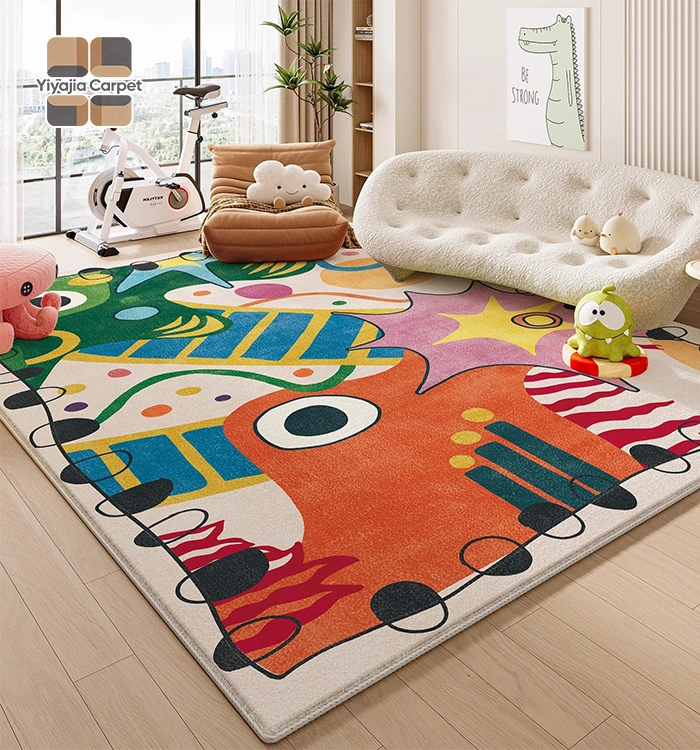
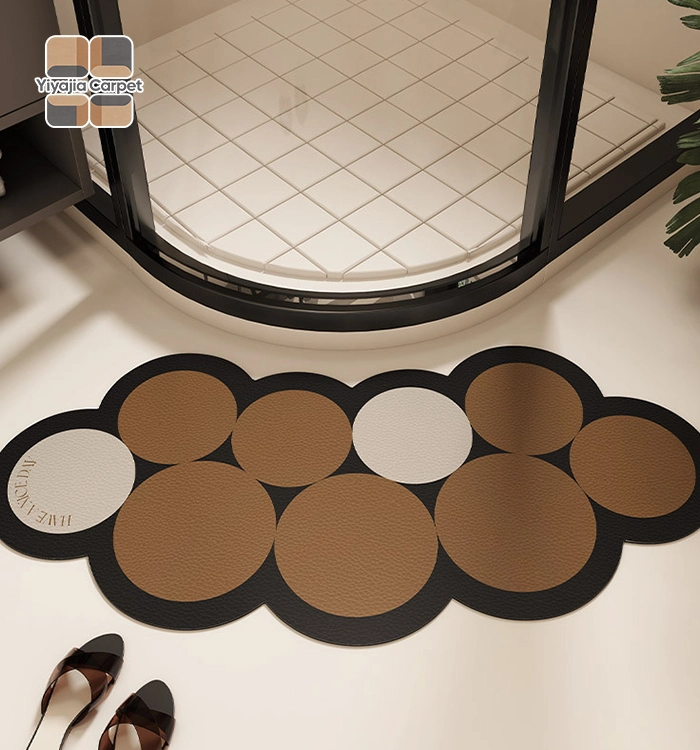
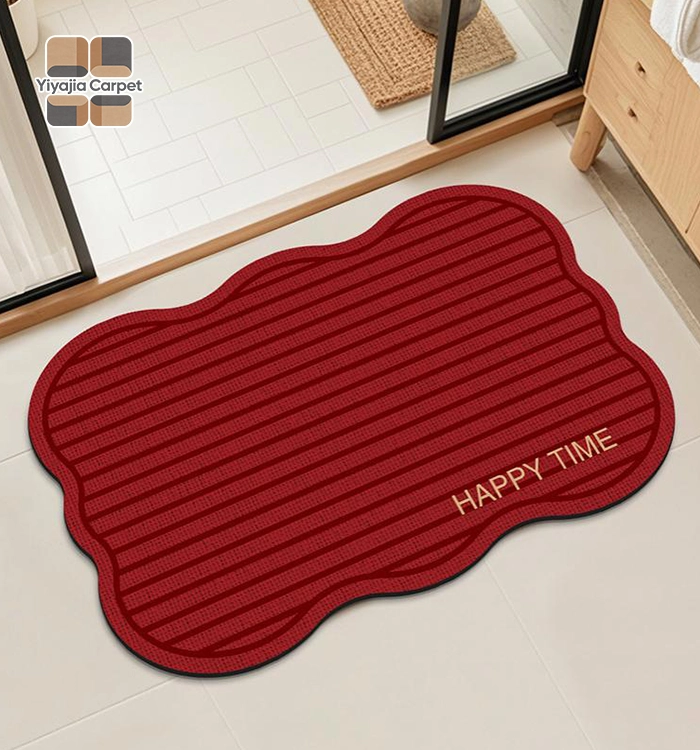
Dopamine Carpet represents a breakthrough in modern flooring design, merging high-saturation color psychology with functional textile engineering. Unlike traditional office area rugs that prioritize neutral tones and conservative patterns, vibrant carpets utilize advanced heat transfer printing technology to deliver bold, mood-enhancing visual experiences.
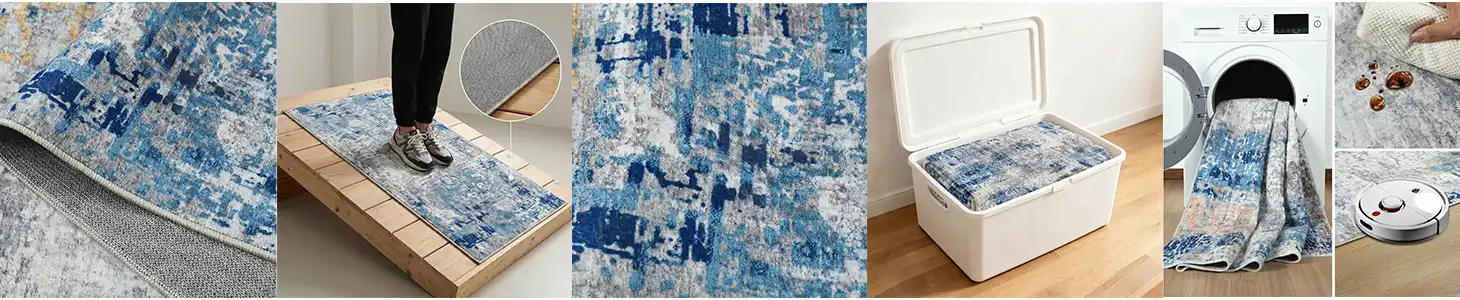
These colorful floor coverings address workplace monotony through maximalist aesthetics while maintaining professional-grade durability, meeting both emotional wellness goals and operational demands. As procurement professionals increasingly seek flooring that supports brand identity and employee satisfaction, understanding the technical and strategic differences between dopamine-inspired carpets and conventional options becomes essential for informed decision-making.
Understanding Dopamine Carpets and Traditional Area Rugs
What Makes Dopamine Carpets Different
The idea behind flooring that is inspired by dopamine comes from study in environmental psychology that shows how bright visual stimuli can improve happiness and keep your mind active. The electric blues, vivid magentas, and energizing yellows in these carpets have high saturation pigments that stand out sharply against the beige and gray colors that are common in corporate spaces.
Precision heat transfer technology is used to make the clothes. Digital designs are heated and bonded to polyester fibers that look like cashmere and have a density of 350 grams per cubic centimeter. This method guarantees long-lasting color and accurate pattern reproduction, which is hard to achieve with other dyeing methods. It is made with a 2mm TPR anti-slip backing that keeps it stable without leaving behind any sticky residue. This makes it easy to place on hard floors or low-pile underlays.
Traditional Area Rugs Construction
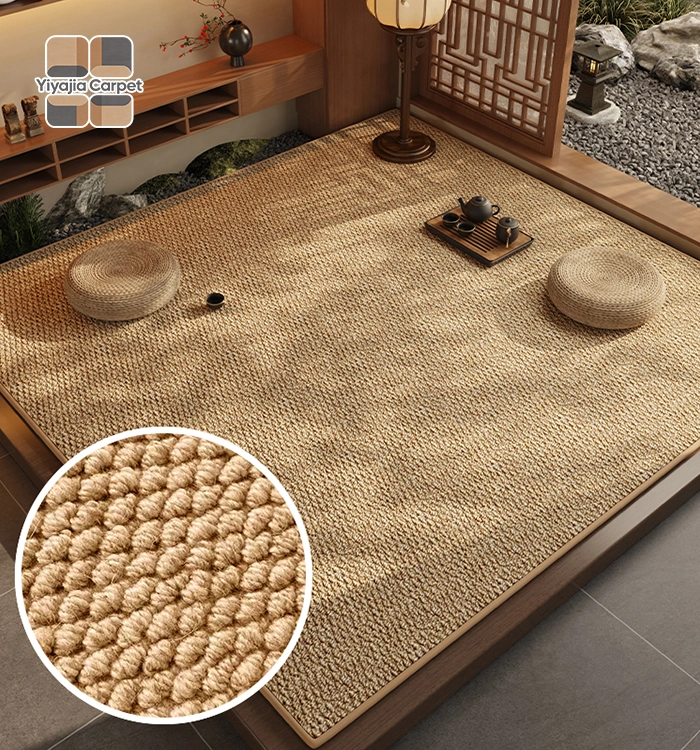
Most traditional office mats are made of nylon, polypropylene, or wool mixes that are tufted or woven together. Patterns tend to be simple geometric shapes or solid colors that are meant to hide dirt and match other decor. Even though these materials have been shown to last in high-traffic areas, they still don't come in a lot of different styles. Traditional rugs often need pad underlays to keep them from slipping, which makes the fitting process more difficult. Even though their production methods are reliable, they don't allow for the customization that modern office branding needs more and more.
Material Science Comparison
Comparing the performance of different materials shows important differences. Dopamine Carpets use fake cashmere surfaces that have a 3mm pile height that is just the right amount of softness and ease of upkeep. For similar texture, standard wool-nylon blends need 5–10mm piles. Advanced colorful carpets are only 5 mm thick, so they won't get in the way of doors like bigger traditional rugs do.
TPR backing technology is better at keeping things from slipping than regular latex or jute backings, which lowers the risk of injuries at work. Certifications are very important. CE, OEKO-TEX, and REACH compliance make sure that both types of products meet strict safety and environmental standards, though the ways that these standards are checked vary between suppliers.
Key Comparison Dimensions Between Dopamine Carpets and Traditional Rugs
Durability and Lifespan in Office Environments
Office areas with a lot of foot traffic need strong construction. With 0.6cm hems that don't fray even after more than 50,000 foot traffic cycles, Dopamine Carpets made with machine-woven lockstitching exhibit exceptional edge integrity. The heat transfer dye sealing keeps the color from bleeding or fading when exposed to UV light, so the product will look good for a long time.
In heavy-use hallways, where piles can get crushed within 18 to 24 months, traditional rugs can lose their patterns. The polyester fibers in colorful carpets are better at resisting stains from coffee spills and tracked-in wetness than real wool, which soaks up liquids and needs to be cleaned by a professional more often.
Maintenance Requirements and Costs
How to clean these types of floors is very different from one another. Colorful rugs with lots of different patterns naturally hide light stains, so you don't have to deep clean them as often. Regular cleaning keeps the look in good shape, and spot treatments can clean up spills that happen now and then.
The non-porous TPR backing keeps water from getting into the subfloor, so there are no worries about mildew. Traditional area rugs, especially wool-based ones, need to be steam cleaned every three months to keep the fibers in good shape and stop moth damage. Maintenance budgets should include these ongoing costs; vibrant synthetic options usually cut yearly maintenance costs by 30–40% compared to natural fiber options.
Design Flexibility and Workplace Aesthetics
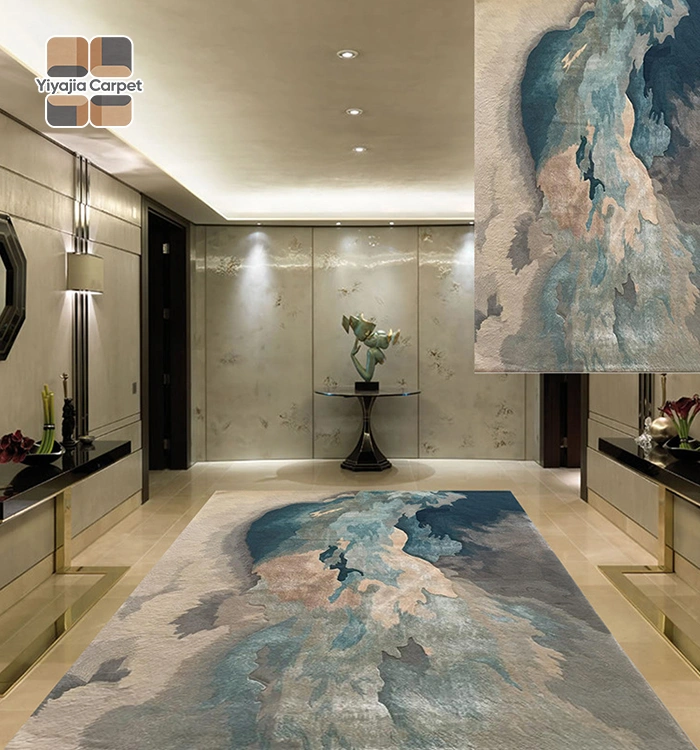
Modern companies are using design more and more as a strategic tool to draw talent and show off their brand. Dopamine-inspired flooring helps with this change by letting you make any changes you want. With a minimum order number as low as 50 pieces, heat transfer printing can print any design, from copies of abstract art to company logos.
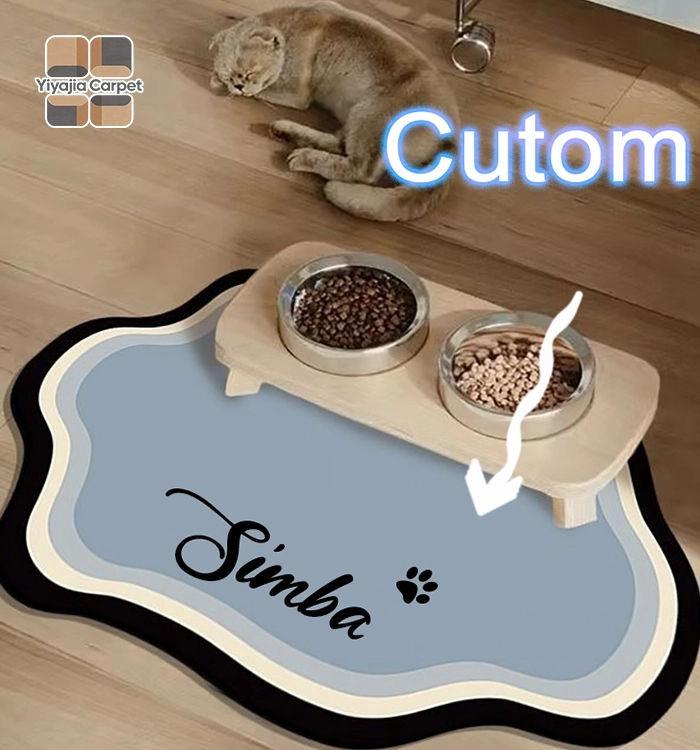
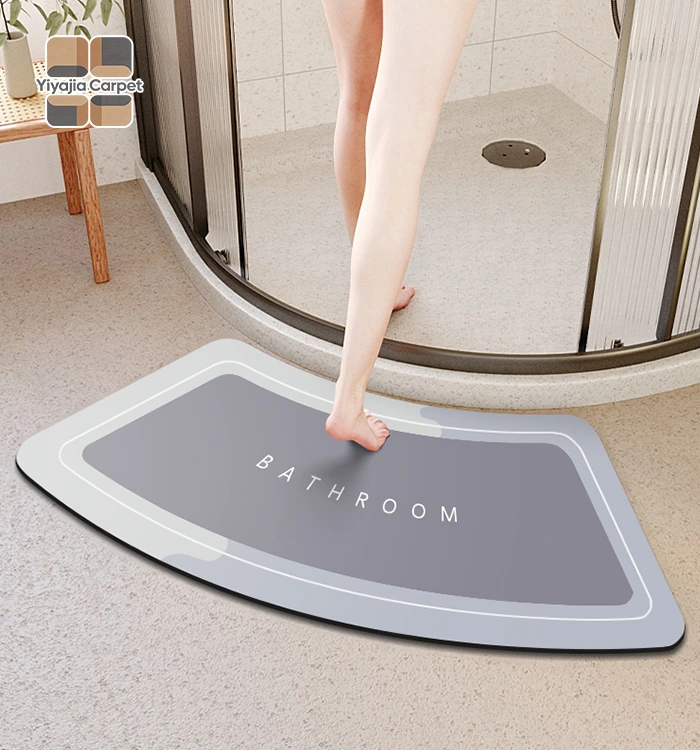
Laser cutting technology lets you make irregular forms that match building features without having to spend a lot of money on die-cutting. Because of how the loom is made, traditional rugs only come in a few pattern choices, and unique designs usually need to be made in at least 500 units. This lack of flexibility is very important when making unique reception areas, breakout zones, or branded collaboration spaces that visually show what the company is like.
Evaluating Cost, Procurement, and Supply Chain Considerations
Price Analysis and Value Proposition
The up-front costs depend on the details and the number of orders. Standard-sized Dopamine Carpets cost between $8 and $15 per square meter, and customization costs an extra $2 to $5, based on the complexity. Traditional wool-blend rugs cost between $12 and $25 per square meter, but cheap synthetic choices are available in large quantities. Lifecycle value estimates need to take into account how often the product needs to be replaced.
For example, bright synthetic carpets usually last between 5 and 7 years in moderate-traffic offices, while mid-range traditional carpets only last between 3 and 5 years. Dopamine Carpet offers a compelling alternative with its vibrant colorfast designs, but its durability aligns more with synthetic options, lasting 6 to 8 years under similar conditions. Strategies for buying in bulk are very important. Suppliers like Yiyajia Carpet offer tiered pricing, where orders of 500 square meters or more get discounts of 15-20%, and contracts of 2000 square meters or more get access to OEM pricing structures.
Sourcing Reliability and Lead Times
Supply chain predictability affects how well projects stay on schedule and on budget. Manufacturers of heat transfer carpets keep their daily production capacity at 2,000 square meters. This means that repeat orders can be delivered in 7–10 days, and samples can be sent for approval within 24–48 hours. Due to overseas manufacturing consolidation and shipping dependencies on containers, traditional rug suppliers often have to wait 4 to 6 weeks for rugs to arrive.
Custom orders add even more time to the process; for example, loomed rugs take 8–12 weeks to make, while laser-cut, colorful choices are ready in just one week. Purchasing teams that are working with tight remodeling plans find this flexibility useful for working with contractors and keeping work spaces as quiet as possible.
Warranty and After-Sales Support
Buying things with a warranty protects your investments. Leading makers of Dopamine Carpet offer quality guarantees that cover printing flaws, incorrect measurements, and early wear. If manufacturing flaws are proven, the carpet will be replaced for free. Dedicated account management makes sure that reorders are quickly scheduled for production and helps with planning phased installations by seasonal trends.
Most traditional rug sellers offer standard merchant guarantees, but they don't have the machinery to support customizing. When you look at a supplier's after-sales services, like how they handle customs paperwork, third-party inspections, and quick technology support, you can tell the difference between trusted partners and transactional vendors.
Practical Use Cases and Industry Feedback
Creative Office Implementations
Technology companies and design firms were the first to use Dopamine Carpets in their offices. A co-working space owner in San Francisco said that members were 40% happier after colorful gradient carpets were put in the shared areas. They said that the changes were due to the carpets being more visually interesting and easy to share on social media.
The carpets' photo-friendly look led to free marketing content, which cut down on the cost of getting new customers. Installation took place on the weekends without using glue, so there was little downtime for business. The polyester material stopped the moving chair wear that had happened to wool mats in the past within six months.
Traditional Rug Challenges in Modern Offices
On the other hand, building managers say that traditional area rugs are often frustrating. On an Austin business campus, traditional rugs placed on top of polished concrete quickly curling at the edges, making them trip hazards that raised liability concerns.
Professional cleaning every three months meant moving furniture and taking time away from work, which slowed down productivity. Neutral tones chosen for their adaptability showed every type of traffic pattern within eight months, so they had to be replaced too soon even though they were still structurally sound. Because of these operational problems, people looked for alternatives that were both durable and easy to maintain.
Comparative Performance Data
Feedback from the industry shows changes that can be measured. When Dopamine Carpets were put in multiple locations, procurement managers noticed that the color grades stayed above 90% after three years of being lit by fluorescent lights, while standard dyed rugs faded to 70–75% of their original saturation.
Slip-resistance tests showed that TPR-backed carpets had a dynamic coefficient of friction of 0.6+ wet and dry, which is higher than what OSHA recommends. Traditional rugs with jute backings, on the other hand, had a coefficient of friction of 0.45–0.5 and needed extra treatments. These success measures have a direct effect on how safe the workplace is and how much it costs to own everything.
Making the Right Choice for Your Office Procurement Needs
Traffic and Usage Pattern Assessment
Before choosing the right flooring, you should honestly think about what your workspace needs. The stain-resistant designs and strong polyester construction of Dopamine Carpets make them perfect for places like reception areas and hallways that get 200 or more foot traffic every day. Traditional wool rugs look great in private offices and conference rooms with little foot traffic, where the luxurious texture is more important than how easy they are to clean.
Using bright synthetic rugs in public areas and natural fiber carpets in senior areas is often the best way to go. It's also important to know what the cleaning crew can do. Synthetic carpets are more forgiving in places where maintenance is handled daily by in-house staff than in places where contractors come in every three months.
Aesthetic and Branding Alignment
Beyond practical needs, corporate character affects flooring choices. Startups and creative companies that use bright brand colors find that Dopamine Carpets fit right in with their visual language. Since they can be customized, they can be perfectly Pantone matched to logos and marketing materials. Some conservative fields, like finance or law, may like the simple beauty of traditional rugs.
However, younger fintech companies are increasingly using bright colors in areas where people work together while keeping neutral tones in areas where clients come in. The people in charge of buying things should talk to the marketing and human resources offices to make sure that the floors they choose don't go against larger efforts to improve the workplace culture.
Sustainability and Compliance Priorities
More and more, environmental factors are being taken into account when buying things. There are eco-friendly carpets in both types, but the certifications are different. OEKO-TEX Standard 100 approval proves that textiles are safe for direct skin touch, which is important for offices where people take their shoes off. Following REACH rules is necessary for banned substances to be allowed into the EU market. ISO 9001 certification shows that a manufacturing quality system is mature, which lowers the risk of variation from batch to batch.
Dopamine Carpets made from recycled polyester fibers meet sustainable reporting standards, but traditional wool rugs say they are better because they are made from renewable materials. Third-party certificates and inspection records are two ways to make sure that a supplier's claims are true, in addition to marketing claims.
Conclusion
In conclusion, when you compare Dopamine Carpets to regular area rugs, you can see that each has its own benefits that meet different buying needs. Vibrant heat-transfer carpets are great for modern offices that put a high value on employee experience and brand expression. They are also easy to customize and maintain. Traditional mats are still useful in places that need natural materials or certain soundproofing qualities. For buying to go well, it's important to find a mix between aesthetic goals, practical needs, traffic patterns, and lifecycle costs. As workplace design changes to create spaces that are good for both work and health, choosing the right flooring is no longer just an operational choice.
FAQ
How does installation differ between dopamine carpets and traditional rugs?
Dopamine Carpets with TPR backing can be installed directly on smooth surfaces without the use of adhesives; all that is needed is proper alignment and perimeter securing. Traditional rugs often need extra padding to keep them from slipping, which means they need to be put down on steps and are taller. Because advanced vibrant rugs are only 5 mm thick, they don't have the door clearance problems that come with thicker standard options. This makes it easier to install them in current areas.
Are vibrant carpets suitable for high-traffic corporate lobbies?
Yes, as long as the requirements meet the needs of the traffic. Look for a total weight of 1000g/㎡ and machine-woven lockstitch structure. The polyester fibers don't get crushed, and the color stays saturated even after a lot of use. Dopamine-inspired designs have busy patterns that naturally hide dirt that builds up between cleaning cycles. This means that they keep their professional look longer than solid-color traditional options in the same conditions.
What maintenance protocols preserve dopamine carpet appearance?
Regularly vacuuming twice a week gets rid of loose dirt before it gets stuck in the fibers. Use pH-neutral cleaners and paper instead of rubbing to clean up spills right away. Once a year, hot water treatment keeps the fibers shiny, but synthetic fibers don't need to be deep cleaned as often as wool does. The heat-bonded colors don't fade when cleaned with chemicals, so you can choose from a wider range of products than with traditional rugs' delicate natural dyes.
Partner with Yiyajia Carpet for Your Dopamine Carpet Procurement
Yiyajia Carpet has been making high-quality carpets for 20 years, so they can meet your needs for colorful flooring. Our factory makes 2,000 square meters of product every day, so it can handle both small-scale rollouts and large-scale samples with ease. With heat transfer printing, the colors will be exactly the same as your brand rules, and laser cutting can fit any place without the delays that come with die-cutting. Certifications like CE, OEKO-TEX, ISO 9001, REACH, and EN 13501 make sure that products are legal in all places around the world, which makes your research easier.
As a reputable Dopamine Carpet provider, we offer 50-piece minimum orders that allow for phased testing before full commitment. Dedicated account management ensures responsive contact throughout the lifecycles of projects. Get in touch with our team at sale@yyj-carpet.com to talk about custom solutions that will help you choose flooring that fits your workplace's goals and how it works.
References
1. Kellert, S.R. & Calabrese, E. (2015). The Practice of Biophilic Design: Toward an Operational Framework. Journal of Sustainable Building Technology and Urban Development, 6(4), 231-248.
2. Veitch, J.A. (2012). Workplace Design Contributions to Mental Health and Wellbeing. Healthcare Papers, 11(SP), 38-46.
3. Carpet and Rug Institute. (2019). Commercial Carpet Testing Standards and Performance Metrics. Technical Bulletin 2019-02.
4. International Facility Management Association. (2021). Sustainable Flooring Procurement Guide for Corporate Real Estate. IFMA Foundation Research Report.
5. Augustin, S. & Fell, D. (2015). Wood as a Restorative Material in Healthcare Environments. HERD: Health Environments Research & Design Journal, 8(3), 89-104.
6. American Society of Interior Designers. (2020). Color Psychology in Commercial Interiors: Evidence-Based Design Applications. ASID White Paper Series.