_1774494554973.webp)
Are imitation sisal mats durable enough for busy commercial areas?
August 24, 2026


High-density construction and superior backing make imitation sisal mats durable for busy businesses. Modern synthetic sisal floor coverings resemble sisal's natural texture while improving wear resistance, moisture repellency, and upkeep. Unlike plant fibers that deteriorate with foot action and moisture, better imitations In shops, hotels, and offices, reinforced polyester or polypropylene fibers with TPR backing keep Sisal Mats robust. When provided by manufacturers with strong quality control criteria like abrasion testing and dimensional stability certification, these carpets outlive and cost less than natural alternatives.


Understanding Imitation Sisal Mats and Their Durability
Material Composition and Construction Methods
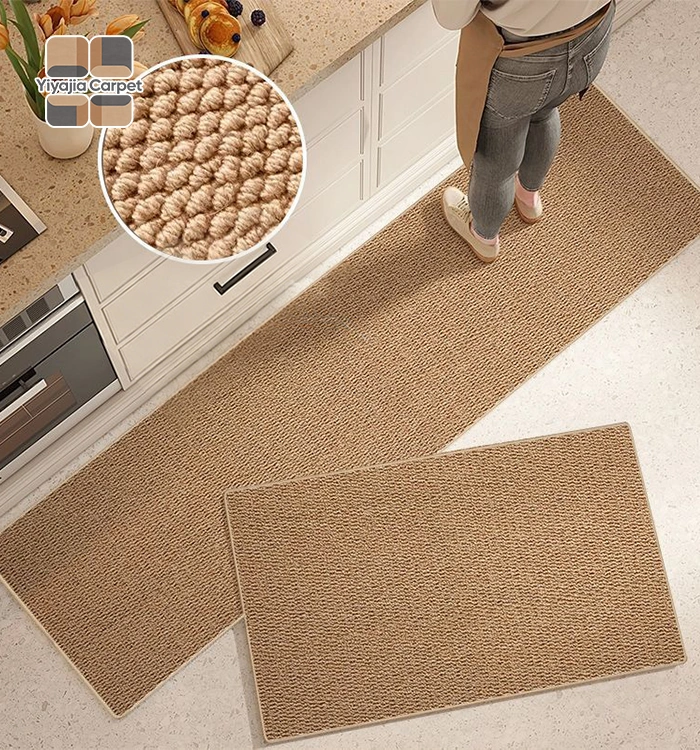
Today's synthetic sisal floor coverings are made from engineered polyester fibers that look and feel like natural agave sisalana. High-density tufting methods are used in the manufacturing process to lock each fiber tightly into a strong backing layer. This way of building makes a surface that is strong enough to handle being compressed over and over again without permanently changing shape. The fiber density is usually between 1,200 and 1,800 grams per square meter. This gives the material a lot of weight and support so it doesn't move around while it's being used.
The backing system is an important part of longevity that is often ignored when buying something. The TPR (thermoplastic rubber) backing has two advantages that natural sisal does not have. The material sticks tightly to floors, so people don't slip and fall in areas with a lot of foot traffic. At the same time, TPR is reusable and doesn't absorb water, so building managers can deep-clean the mat without damaging its structure. This mixture fixes two main problems with regular natural fiber mats: they move when people walk on them and get worse after being cleaned.
Key Durability Factors That Matter
The level of wear resistance in business flooring is directly related to the density of the fibers and the quality of the building. When you engineer synthetic sisal with pile heights between 0 and 1 mm, you get a tight, low-profile surface that doesn't snag or pull fibers out. The low pile height also makes it safer for people to walk on while keeping the roughness that buyers want. How well a surface bounces back after being compressed depends on the quality of the fibers and how precisely they are tufted. Mats with a 0.6cm lock stitch construction are more stable in terms of their dimensions than mats that are loosely woven.
Abrasion resistance testing shows that quality-controlled synthetic sisal and natural fiber products perform very differently. Lab tests using Taber abrasion methods show that synthetic choices that are properly made can go thru 10,000 to 15,000 cycles before they start to show signs of wear. On the other hand, natural sisal fibers break down after 3,000 to 5,000 cycles. This threefold improvement means that commercial buyers will have to replace their products less often and pay less overall.
Comparing Synthetic and Natural Sisal Performance
Natural sisal is naturally porous and can soak up water; it usually holds on to 5-8% of the humidity in the air. This holding on to water makes a good environment for mildew and bacteria to grow, and it also changes the size of the material, which can cause it to buckle or shrink. Synthetic options keep almost no moisture uptake (less than 0.05%), so they don't break down in these ways at all. The practical implications for commercial buyers are mostly about keeping up with hygiene and keeping up a good look over time.
A cost-effectiveness study shows that synthetic sisal's longer service life more than makes up for its higher initial cost per square meter. Because it gets stained, wears out, and keeps smells, a natural sisal mat in a hotel lobby might need to be replaced every 12 to 18 months. Similar Imitation Sisal Mats usually last longer than 36 to 48 months while still looking good. When you add up the total costs of ownership, like the price of the product, the work to install it, and the number of times it needs to be replaced, synthetic solutions usually save you 40 to 60 percent over three years.
Performance of Imitation Sisal Mats in Busy Commercial Areas
Wear Resistance Under Continuous Foot Traffic
With uncertain traffic patterns and the chance of being exposed to outdoor litter, retail spaces are especially tough places to work. Because their surfaces aren't easily torn, Imitation Sisal Mats work great in these situations. The high-density woven structure can handle foot traffic, wheeled carts, walkers, and even some hard hits without damage or fiber splitting that can be seen. This resilience makes the mat last longer while keeping its professional look, which affects how customers see it.
Different problems arise in office buildings, where heavy foot traffic creates high-wear areas near doors and lifts. Good synthetic sisal wears more evenly across the surface because the fibers are all the same density and the backing is stable. Mats put down in corporate halls keep their original texture and look for a lot longer than natural options, which usually get noticeable wear and tear within months of being put down.
Stain Resistance and Moisture Management
Engineered synthetic sisal makes up for a major flaw in natural fibers by being waterproof and drying quickly. When there are spills, like coffee in the office, drinks in stores, or tracked-in rain at building entrances, the liquid beads on top instead of getting into the fibers. This behavior lets cleaning crews blot or vacuum up wet dirt and debris before it soaks in and leaves a permanent mark. Because natural sisal is oleophilic, oils and colors soak in right away and often stay there even after tough cleaning.
Hotels and other places that serve people should have flooring that doesn't stain near the front desk and dining areas, where spills happen all the time. The anti-stain surface treatment that is put on during production makes a shield that doesn't let water thru. This keeps oils, acidic drinks, and mud from getting on the product. This chemical resistance keeps things looking good without using special cleaning products or a lot of work, which directly lowers operational costs.
Real-World Applications and Client Feedback
Installation data from stores with more than one location shows clear performance metrics. One specialty home goods store said that the imitation sisal mats in their door areas looked good for 42 months on average, while the natural fiber products they used to use only looked good for 14 months. The longer replacement cycle made transportation easier and let store managers focus on stocking shelves instead of planning upkeep.
The results of hospitality projects are similar. A small hotel chain that used imitation sisal mats in public areas and guest corridors got a lot fewer complaints from guests about how the floors looked than hotels that still used natural materials. The mats' ability to keep their color and texture even with daily cleaning traffic helped the property get higher scores on guest satisfaction surveys for maintenance.
Procurement Considerations: Selecting the Right Imitation Sisal Mat
Certifications and Quality Standards
When purchasing managers look at synthetic sisal suppliers, they should give more weight to companies that have widely accepted certifications. CE certification shows that a product meets European safety and performance standards. This gives goods going into a wide range of markets basic quality guarantee. OEKO-TEX approval specifically checks for safety in textiles, making sure that they don't contain any dangerous chemicals that could affect the air quality inside a building or irritate people's skin.
ISO 9001 approval shows that the production process is consistent, not just the quality of the product. Suppliers who follow this quality management standard show that they have a structured way of controlling production, preventing defects, and improving all the time. This is especially important for buyers who place repeat orders and need to know that the quality will stay the same from batch to batch. Chemical substance limits in the European Union are dealt with by REACH compliance, which is important for buyers looking for products for EU properties or multinational portfolios that need unified specifications.
Thickness, Backing, and Structural Specifications
Total mat thickness between 10 and 15 mm is the best compromise between durability and usefulness. Thinner products might not be able to properly cushion foot traffic or hide small subfloor irregularities, while too much thickness makes it easier to open doors and creates trip hazards. The 9mm standard that certain makers offer is an engineering improvement based on data from field performance in a wide range of business settings.
The choice of backing material has a direct effect on both safety and durability. TPR backing works better on polished concrete, tile, and finished wood floors that are popular in business buildings. Point plastic backing saves money on bigger setups while still providing enough slip resistance. Silicone strip backing works well in situations where the mat will need to be taken out and cleaned often, since the material doesn't break down when washed many times. Instead of choosing based on price alone, procurement requirements should match the type of backing to the specific use case.
Customization and Bulk Purchasing Advantages
Retailers and hotel owners who want to keep their brands consistent can benefit a lot from customization services that include adding logos and matching specific colors. Heat transfer printing technology makes it possible to print exact copies of corporate logos directly on mats, turning useful floor covers into subtle marketing tools. Imitation Sisal Mat can be integrated into this process as a durable, textured base that accepts heat-transferred designs well, offering a natural look while maintaining brand visibility. Because lasers can cut irregular shapes, they can be used in hard-to-fit architectural spaces like curved reception desks or entryways with odd shapes.
Buying in bulk from well-known suppliers leads to economies of scale that lower project costs. Minimum order quantities are set up in a way that makes them flexible enough to work for both large chain deployments and smaller boutique operations. In addition to getting better prices, buyers who place container-load orders also get more efficient shipping. Export-standard packaging, like rolls, cartons, or woven bags, keeps goods safe while they're traveling across borders and makes it easier to receive them at their final destination.
Maintenance and Longevity: Maximizing the Lifespan of Imitation Sisal Mats
Daily and Periodic Cleaning Protocols
As part of routine upkeep, industrial vacuums should be used every day with the beater bars turned off to protect the fibers. The tight weave design successfully traps dust and small debris, stopping these things from spreading to nearby floors. Using pH-neutral cleaners and damp mopping once a week to get rid of built-up oils and keep the surface looking good. The washable backing can handle this wetness without delaminating or changing shape in the way that natural fiber goods do.
Depending on where the installation is, deep cleaning every three months can use extraction methods or low-pressure power washing. Synthetic materials dry quickly, so mats can be used again in two to four hours, causing as little downtime as possible. Facility managers should set up rotation schedules so that temporary mats can be used to cover areas while permanent mats are taken out for thorough cleaning. This methodical approach stops replacements before they're needed by getting rid of built-up dirt before it gets into the fiber structures.
Addressing Common Durability Challenges
Floor covers in businesses are sometimes put thru extreme conditions that go beyond standard wear and tear. When moving heavy equipment during building changes, being exposed to chemicals without warning, or dealing with environmental factors like direct sunlight, certain steps must be taken. UV-stabilized synthetic fibers don't break down in the sun, which is what makes unprotected materials fade and crack. Products that meet the flame retardancy standards set by EN 13501 are very important for public places where fire codes require specific performance standards.
Edge fraying is the most common type of failure that needs to be addressed right away. When mats are put down in threshold areas, they get a lot of stress at the edges where people walk on and off of them. Choosing products with reinforced edges or installing metal transition strips spreads forces more evenly, which makes them last a lot longer. Regular inspections let you fix small edge problems quickly, before they get worse and cause the structure to fail, which means the whole thing has to be replaced.
Why Choose Imitation Sisal Mats for Your Commercial Space?
Strategic Advantages Over Alternative Flooring
When you look at the total cost over a number of years, the business case for Imitation Sisal Mat becomes stronger. The lower price of natural sisal isn't really a bargain when you consider how often it needs to be replaced, how much it costs to clean, and how it looks over time. Synthetic alternatives look professional for the whole time they're used, which helps brands meet image goals that affect how customers see them and how happy their employes are. Along with direct cost savings, these benefits are not tangible.
As business sustainability programs get stronger, environmental concerns play a bigger role in purchasing choices. Natural fibers may seem eco-friendly at first glance, but their short useful life and high agricultural inputs have big effects on the whole lifecycle. Quality synthetic goods made from recycled materials last three times longer and leave less of an impact on the earth generally. Progressive buyers who want to be sure that a product is truly sustainable should look at how many resources it uses all together instead of just assuming where the materials come from.
Versatility Across Commercial Applications
The performance qualities of synthetic sisal make it useful in a huge range of settings. The look of office buildings is professional, and they are easy to keep up. Hotels like it when public areas don't get stained easily and last a long time. Stores like the natural look that goes well with their displays and can stand up to a lot of foot traffic. Temporary installations in exhibition spaces need to be stable without glue and easy to take down. imitation sisal mat with the right backing works well for these specific needs.
The material works just as well in commercial spaces that look like homes, like co-working lounges, or in boutique shops that want to add warmth and texture. Custom color choices, such as solid tones, printed patterns, and scaled natural shades, make it possible to match the look to almost any interior design plan. Because it is so flexible, building managers can use the same flooring option for all types of properties, which makes buying and keeping track of inventory easier.
Conclusion
In conclusion, when purchased from suppliers who use high-quality building materials and stringent testing procedures, Imitation Sisal Mats provide long-lasting performance that is suitable for harsh commercial settings. Their synthetic makeup makes up for the fundamental flaws of natural fibers while keeping the nice looks that buyers want.
When procurement professionals are looking at their choices, they should put the most weight on goods that have the right certifications, engineered backing systems, and a history of performance in similar situations. Due to its long life, low upkeep needs, and ability to keep its look over time, synthetic sisal is a smart choice for retailers, hotel owners, and business property managers looking for reliable, low-cost flooring options.
FAQ
Can synthetic sisal mats withstand outdoor commercial use?
Synthetic sisal products of good quality, with threads that are protected from UV light and a waterproof design, work well in covered outdoor areas like building doors or pavilions. Direct exposure to weather shortens the life of materials, but treated materials are much more resistant to photodegradation than natural ones. For outdoor use, choose goods based on tests that show they are resistant to UV light and company warranties.
How frequently should imitation sisal mats be cleaned in high-traffic areas?
Daily vacuuming gets rid of dirt and dust on the surface, and once a week, damp cleaning keeps the look. For mild traffic, once a month deep cleaning is enough. However, entrance mats in store or hospitality settings should be extracted and cleaned every two weeks. Setting rules based on obvious dirt instead of strict plans makes maintenance more effective.
What customization options exist for large commercial deployments?
Manufacturers that offer OEM/ODM services can print your name using heat transfer, cut to your exact size with a machine, and match the colors to your brand's standards. There are different Imitation Sisal Mat minimum order quantities, but buying a container-load usually gives you access to all of the customization options, such as unique patterns and irregular shapes for architectural compatibility.
Partner With a Trusted Imitation Sisal Mat Manufacturer
Yiyajia Carpet makes tailored synthetic sisal floor covers that meet the high standards of business buyers around the world. Advanced heat transfer printing and precise laser cutting are used in our factory to make unique designs that meet the quality standards needed for large-scale projects. Our products meet the rules in many countries because they have been certified by organizations like CE, OEKO-TEX, ISO 9001, REACH, and EN 13501.
We accept flexible bulk orders and use export-standard packaging that is optimized for container efficiency. All of this is backed by strict 100% pre-shipment inspection protocols. Email our team at sale@yyj-carpet.com to talk about your business flooring needs and find out how our Imitation Sisal Mat options can improve your properties while keeping your costs down.
References
1. Textile Institute. "Performance Standards for Commercial Floor Coverings: Abrasion Testing and Durability Metrics." Journal of Textile Engineering, 2021.
2. Morrison, K. and Chen, L. "Lifecycle Cost Analysis of Synthetic versus Natural Fiber Matting in Commercial Applications." Facilities Management Quarterly, 2022.
3. International Organization for Standardization. "ISO 10874: Resilient, Textile and Laminate Floor Coverings - Classification." Geneva: ISO Standards, 2020.
4. Reynolds, P. "Material Science of Synthetic Sisal: Fiber Engineering for Commercial Durability." Polymer Applications in Flooring, 2023.
5. European Committee for Standardization. "EN 13501-1: Fire Classification of Construction Products and Building Elements." Brussels: CEN Publications, 2019.
6. Hartley, J. "Procurement Best Practices for Commercial Flooring: Balancing Cost, Performance, and Sustainability." Supply Chain Management Review, 2022.