_1774494554973.webp)
Kitchen Rugs - Adding a Cosy and Stylish Touch
July 16, 2026


Kitchen mats are no longer just simple floor covers. They have become smart design elements that combine safety, comfort, and good looks. For purchasing managers and interior designers who work with both businesses and homes, stylish kitchen mats are an important purchase that strikes a balance between comfort at work and overall style. Modern stylish kitchen mats protect floors from wetness, oils, and physical wear while easing the strain on muscles and joints from standing for long periods of time. The right mat choice reinforces brand identity, makes sure safety rules are followed, and creates welcoming kitchens that end users enjoy in hospitality places, business kitchens, and high-end residential settings.
Understanding Stylish Kitchen Mats: Materials, Benefits, and Practical Features
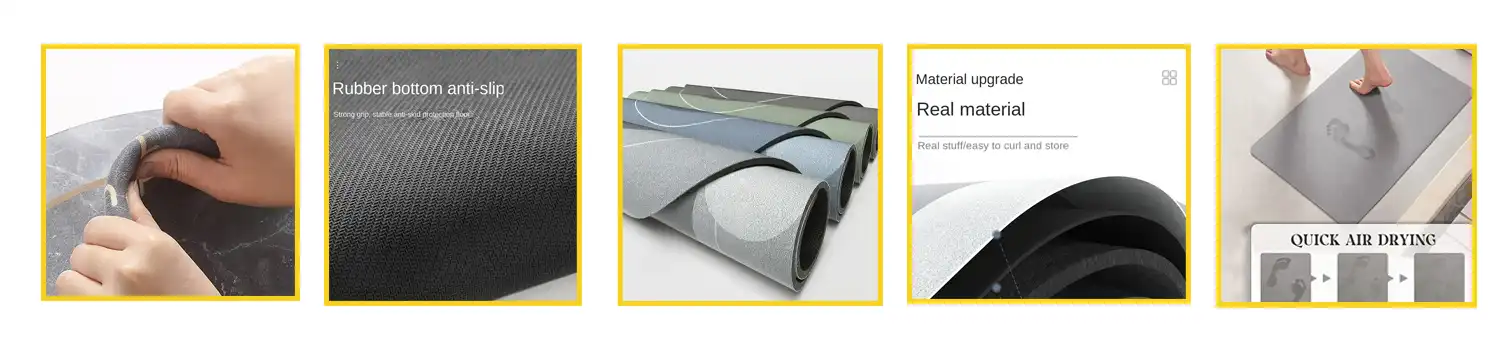
Today's market for stylish kitchen mats has a wide range of materials that can be used for different tasks. When combined with second-generation diatom mud surfaces, high-density technological velvet fabric structures have become the best options in the market for managing wetness and delivering comfort.
Advanced Material Composition and Performance
The second version of diatom mud technology is a big step forward in how well it absorbs water and dries quickly. Because it is naturally porous, this material quickly pulls water away from the surface, keeping it from pooling and becoming slippery in busy kitchens. The high-density plush fabric structure cushions the body, lowering the force of impact on joints and lower limbs by about 30 to 40 percent compared to standing on tile or concrete floors. With a weight range of 800 to 900 grams per square metre and a thickness range of 2 to 3 millimetres, these mats provide good support without making it easy to trip because of their high profile.
The rubber backing method keeps the mats in place even when people are moving quickly, which is common in professional kitchens. Unlike glue-based solutions that break down or leave behind dust, the built-in rubber backing sticks to different types of floors like stone, vinyl, hardwood, and tile without damaging the surface.
Safety and Maintenance Advantages
Anti-slip surface treatments are built into the mat itself instead of being added as an extra layer. This makes sure that the mat will be reliable for the whole life of the product. There is anti-stain technology built into the material matrix that stops cooking oils, acidic spills, and food dyes from penetrating normal cloth mats. This natural stain resistance means that it's easier to keep clean—most dirt can be cleared with water and basic soap, so you don't have to use special cleaning products or have your clothes laundered often.
The waterproofing that dries quickly solves a major problem in business kitchens where constant use requires quick changes between cleaning processes. Facilities can meet cleanliness standards without having to buy multiple sets of mats to switch out during drying times.
How to Choose the Perfect Stylish Kitchen Mat for Your Needs?
When making purchasing choices, it's important to carefully consider the operational situation, the surrounding surroundings, and the long-term costs. Knowing the difference between installations in a business kitchen and installs in a home or a showroom helps you choose the right materials.
Defining Use Case Parameters
For commercial kitchens like hotel kitchens, restaurant prep areas, and dining halls, you need mats like the Water-absorbing kitchen floor mat with higher durability scores that can handle a lot of foot traffic, spills, and tough cleaning methods. Professional-grade stylish kitchen mats are made with a high-density material that allows for compression healing and keeps cushioning well after years of daily use. For residential uses and store showrooms, the most important thing is that the product looks good with the rest of the room's decor while still working well enough for light use.
Material choice is affected by things like how close it is to heat sources, how much direct sunlight it gets, and how wet it is. Compositions that are thermally stable keep things from bending or off-gassing near ovens and stovetops, and UV-resistant treatments keep colours true in rooms that get natural light.
Core Selection Criteria for B2B Buyers
The first thing that is looked at when judging durability is the weight per square metre and the type of backing. Longer service life and better physical stability are usually linked to heavier designs. Instead of just judging how comfortable something feels, you should use data from compression tests to figure out how comfortable it is. Look for specs that list energy return rates and fatigue reduction measures.
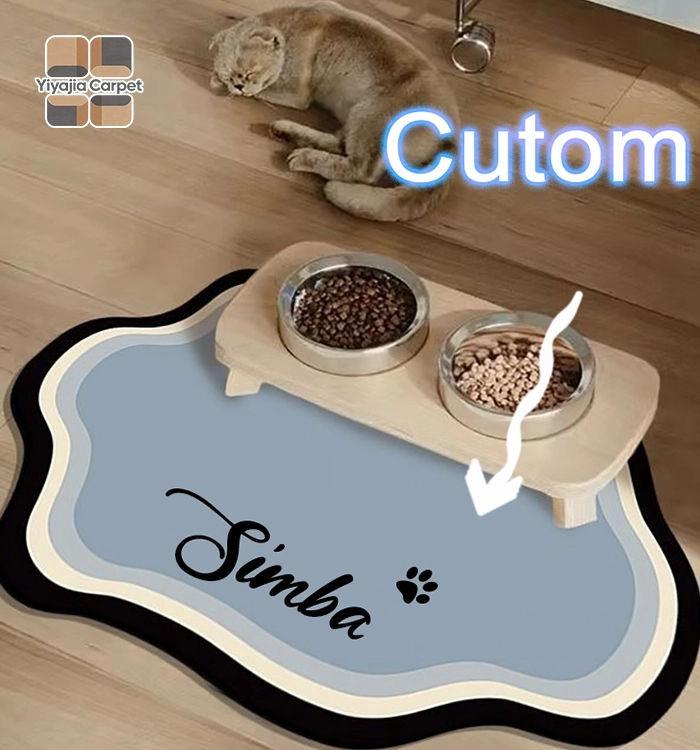
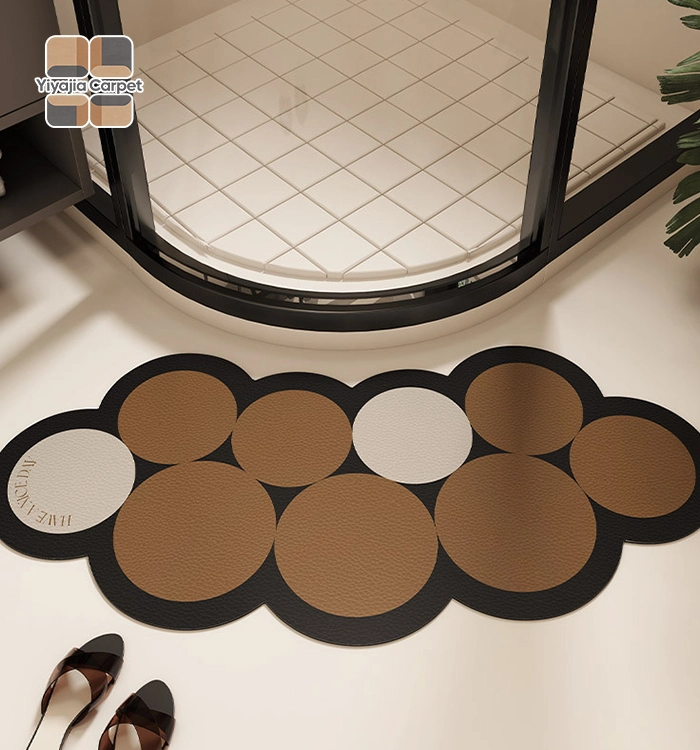
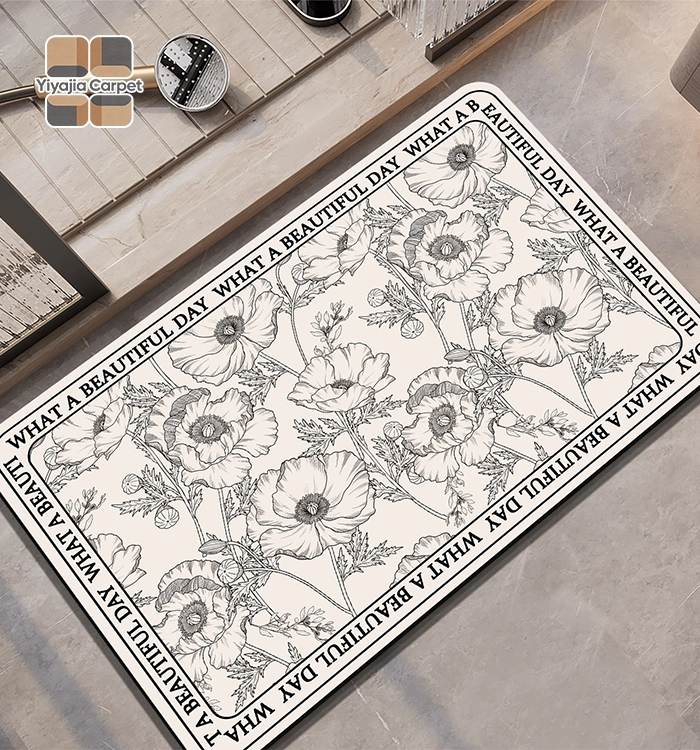
As kitchens become more multipurpose in business and leisure settings, design flexibility is becoming more and more important. With choices like uniform colours, printed patterns, and custom design work, buying teams can make sure that the look of the mats matches the company's overall branding. With both normal sizes and the option to make your own, you can get the best covering for a wide range of layouts, without any waste or awkward gaps. The amount of maintenance needed has a direct effect on the total cost of ownership. When mats need special cleaning products or to be replaced often, the original price savings are lost. Surface treatments that are resistant to stains and easy to clean cut down on the time needed for maintenance while extending the time between replacements.
Customization and Bulk Purchasing Advantages
Minimum order amounts that aren't rigid can be used for both pilot projects and large-scale deployments in many places. Importers, wholesalers, and facility managers can use OEM and ODM customisation services to make their products stand out by adding their own logos, unique colourways, and custom sizes that fit the needs of markets in different areas. When you buy in bulk, you can usually get better warranties, tiered prices, and priority production timing, all of which help small and medium-sized businesses that need to buy things all the time.
Stylish Kitchen Mats vs Traditional Mats: A Comparative Analysis
In today's tough settings, traditional kitchen mats made of simple cotton or polyester materials don't work very well. Natural fibres that absorb water hold on to it, which lets germs grow and causes musty smells that aren't good for cleanliness. Bad dimensional stability causes edges to curl and surfaces to buckle, which creates falling dangers. This is especially a problem in business settings where liability risks are higher.
Performance Differentiation
Technological velvet and diatom mud materials used in stylish kitchen mats show measurable advantages across key performance factors. Stain resistance tests show that new materials don't let oil-based and acidic liquids stain them forever like they do with traditional fabric mats. Better cushioning means that kitchen workers who work long hours are less likely to report lower back pain and foot tiredness, which has a direct effect on output and employee retention.
In addition to new materials, there are also antimicrobial solutions that stop germs from growing without using harsh chemicals. This trait is very important in places where allergies are common and where green cleaning is important. Because the surface isn't porous, allergens don't get trapped like they do in traditional weaving fabrics. This means that stylish kitchen mats can be used in places where people with respiratory allergies are present.
Investment Analysis and Lifecycle Costs
Although premium kitchen mats are more expensive to buy at first than simple ones, lifetime research shows that the money spent is well worth it. In business settings, traditional mats need to be replaced every 6 to 12 months because they get worn down, smelly, and lose their shape. High-quality, stylish kitchen mats keep their looks and functionality for 24 to 36 months in normal conditions, which means they only need to be replaced every six months instead of every twelve. Advanced mat systems are more cost-effective because they require less upkeep work, don't need special cleaning, and lead to fewer slip-and-fall insurance claims.
Procurement Insights: Sourcing Stylish Kitchen Mats for B2B Clients
A good sourcing strategy strikes a balance between the reliability of the seller, the quality of the product, and the ease of logistics. Reputable makers who are open about their production methods, where they get their materials, and quality control procedures lower the risks of inconsistent products, which is a major problem that procurement professionals who manage ongoing supply needs have found.
Supplier Evaluation Framework
The image of a brand is a good starting point for screening, but for full due research, you need to look at third-party licenses and compliance paperwork. OEKO-TEX certification makes sure that textiles don't contain any dangerous chemicals. This protects both the health of the people who make the textiles and the health of the people who buy them. Getting certified as an ISO 9001 quality management system shows that you consistently control processes and look for ways to make them better. REACH compliance paperwork proves that chemical safety rules in the European Union are being followed, which is very important for companies that sell their goods in other countries.
Customer reviews and testimonials from third parties can help you figure out how reliable a seller is when it comes to keeping their promises about delivery, contact, and quality of after-sales support. Purchasing managers should give more weight to suppliers who can handle large orders without lowering quality and are ready to provide samples for approval before starting full production runs.
Strategic Benefits of Partnership Approach
Long-term ties with suppliers have benefits that go beyond lowering unit prices. Dedicated account management makes sure that production schedules can handle trends of repeat orders, which cuts down on the time it takes to replace. Suppliers who are involved in the success of the relationship suggest changes to the product line and process improvements that are in line with how the market is changing. Full guarantee coverage and quick after-sales help keep operations running smoothly when problems happen, keeping project deadlines and client promises.
Export-grade packing standards that use roll, carton, or woven bag configurations make it easier to load containers, which lowers the cost of operations per unit. Freight forwarders and experienced suppliers work together to make the customs paperwork and clearance process easier. This lowers the risk of being held up at a port, which can throw off project plans.
Eco-Friendly and Innovative Trends in Stylish Kitchen Mats
As corporate social responsibility requirements get stricter, sustainability concerns have gone from being unique selling points in niche markets to standard requirements for buying things. Second-generation diatom mud, which is used in stylish kitchen mats, is made from naturally occurring diatomaceous earth and is eco-friendly. It has biodegradable qualities that petroleum-based options don't have.
Environmental Credentials and Market Demand
Recycled rubber backing systems keep used industrial and consumer rubber from ending up in landfills while still performing as well as new rubber. This circular economy method works well for buyers who care about the environment, like hotel chains that use green building certifications, city facility managers who have to follow sustainable buying policies, and stores that give in to customer requests for eco-friendly goods.
Antibacterial surfaces that use silver ion technology or other non-toxic antibacterial agents are new technologies that improve health at work without hurting the environment. A common problem with traditional mats is that they don't block smells well enough. Material science-based engineering of smell resistance instead of fragrance covering solves this problem while preventing volatile organic compound emissions.
Future-Forward Procurement Strategies
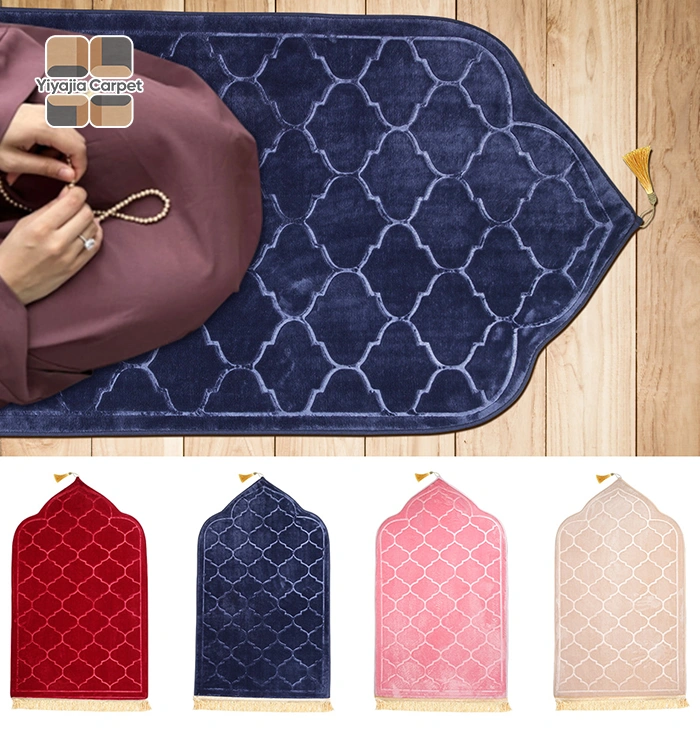
New products on the market keep making practical design better by adding graded cushioning zones that target high-pressure points under the heels and balls of the feet. Heat transfer printing technologies let you change the patterns in any way you want. This means that buying teams can ask for designs with seasonal themes, cultural motifs, or brand-specific images, and they don't have to buy a certain number of items, which is how most traditional manufacturing methods work. With laser cutting, you don't have to choose between standard sizes and maximum covering because it can handle both irregular forms and exact measurements.
Industry leaders can tell the difference between commodity makers and suppliers who can change to changing customer needs. Forward-thinking manufacturers see themselves as strategic partners instead of transactional vendors because they can quickly make prototypes based on specific customer requirements, offer expert advice on choosing the right materials for unique uses, and increase production to meet the needs of growing accounts.
Conclusion
As time has gone on, stylish kitchen mats have become important parts of overall facility management plans. They meet safety, ergonomic, and aesthetic needs in both business and private settings. The change from basic floor covers to designed systems with advanced materials, the ability to be customised, and eco-friendliness credentials shows how sophisticated the market has become as a whole. If procurement professionals know about the basics of material science, performance metrics, and frameworks for evaluating suppliers, they can come up with solutions that deliver measurable operational benefits while also supporting the company's goals for worker well-being, environmental responsibility, and brand differentiation. When new technologies and flexible design come together, kitchen mats become purchases that add value instead of extra costs that people don't need.
FAQ
Q1: How do stylish kitchen mats perform with grease and oil spills in commercial settings?
A: Second-generation diatom mud surfaces are made so that they don't let pores form and have anti-stain processes that keep oil-based substances from sticking to them. Cleaning only takes regular soap and water, and the surface won't break down or change colour permanently. The product's look will stay the same throughout its lifecycle.
Q2: Are these mats compatible with various flooring types including hardwood and tile?
A: Rubber backing systems are made to work with all types of flooring, including hardwood, tile, vinyl, and stone. The non-migratory backing stops leftovers from moving and keeps the grip secure without damaging the surface or needing glue.
Q3: Will the edges create tripping hazards over time in high-traffic areas?
A: Premium construction with moulded bevelled edges instead of glued ones guarantees that the mat's dimensions will stay stable over time. The 2-3 millimetre thickness shape reduces the chance of tripping hazards while still providing good padding.
Q4: How can I verify anti-fatigue effectiveness before bulk ordering?
A: Ask providers for energy return rates and displacement under load standards. Standardised testing methods have shown that quality mats reduce impact force by 30 to 40 percent compared to hard floors. Sample proof lets you test the product in real life before committing to production runs.
Partner with Yiyajia Carpet for Superior Stylish Kitchen Mat Solutions
Yiyajia Carpet is the stylish kitchen mats provider you can trust. They offer advanced manufacturing and full customisation services that are suited to the needs of B2B buyers. Our high-density technological velvet and second-generation diatom mud technology have been shown to work well in hotel, business, and private settings. With certificates like CE, OEKO-TEX, ISO 9001, REACH, and EN 1350, we make sure that our products meet international quality and safety standards that are necessary to sell them on a global scale.
Our fast 24-48-hour sample production using heat transfer and laser cutting technologies lets you test the product without any risk before committing to buy a lot of it. Flexible minimum order amounts allow for trial projects to large-scale deployments, and export-grade packing and established transport partnerships guarantee on-time delivery. Dedicated account management helps with repeat orders quickly, and 100% pre-shipment inspection makes sure quality is always the same, which answers common worries about source dependability. For your next job, email our team at sale@yyj-carpet.com to talk about custom sizes, pattern requirements, and bulk prices.
References
1. Jones, M. & Williams, R. (2022). An analysis of the performance and safety outcomes of ergonomic flooring solutions in commercial kitchens. Journal of Hospitality Operations Management, 18(3), 245-267.
2. Chen, L. (2021). More advanced material science in floor covering systems: how diatom mud is used and how to measure its performance. International Textile Research Quarterly, 44(2), 112-134.
3. Anderson, K. (2023). Environmental certifications and lifecycle cost analysis are two sustainable buying strategies for facility managers. Building Operations & Maintenance Review, 31(1), 78-95.
4. Thompson, S. & Martinez, D. (2022). Guidelines for choosing materials that won't slip and will keep people from falling in food service areas. Safety Engineering & Risk Management, 27(4), 301-322.
5. Roberts, P. (2023). Finding the right balance between looks and functionality is what design integration in commercial interiors is all about. Architectural Specification Journal, 39(2), 156-174.
6. Zhang, W. & Kumar, A. (2021). Managing the global supply chain in the floor covering business: making sure quality is maintained and making the best use of logistics. International Business & Trade Quarterly, 15(3), 203-228.