_1774494554973.webp)
Utility door mats with non-slip backing
July 15, 2026


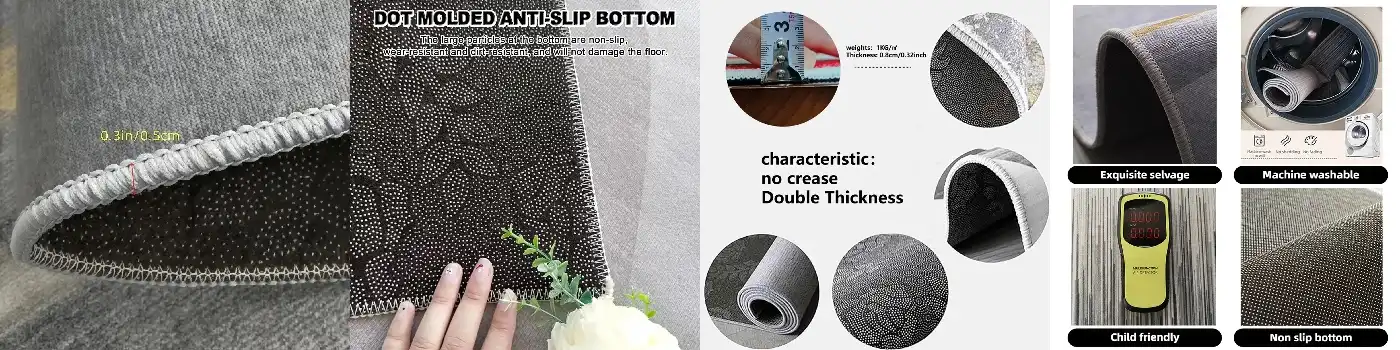
In both business and private buildings, utility door mats with non-slip backing are the first line of defence against dirt, moisture, and safety risks. Up to 80% of entering garbage is caught by these engineered floor coverings in entry zones. This protects inner surfaces and greatly lowers the risk of slip-and-fall liability. The non-slip backing, which is usually made of thermoplastic rubber or nitrile materials, holds the mat firmly to the floor and keeps it from moving around when people walk on it. This keeps the mat safe and also makes it last longer by reducing wear and damage caused by movement.
Understanding Utility Door Mats with Non-Slip Backing
What Defines a Utility Door Mat?
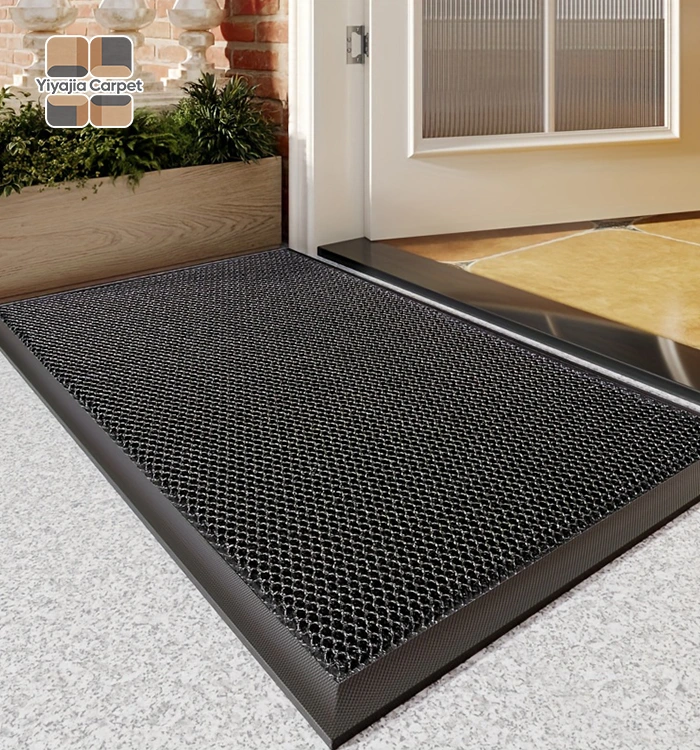
As a technical dirt containment system designed for high-traffic changeover zones, a utility door mat does its job. Unlike decorative rugs that are only meant to look nice, these mats do important technical jobs like cleaning dirt off of shoes, soaking up water before it gets to floors inside, and making a safe surface for walking on. The unique thing about them is how they're made—they have rough surfaces and strong backings that can stand up to steady pressure, weather, and cleaning cycles without breaking down.
Modern door matting systems need a walk-off distance of 12 to 15 feet to get rid of the most dirt. This length lets you take several steps on the mat's surface, which removes dirt bit by bit as you touch it more than once. The two-level construction has raised scraping surfaces that move particles around, and hollow channels that catch debris below shoe level to keep it from spreading.
The Critical Role of Non-Slip Backing
A simple mat can be turned into a safety device by adding a non-slip backing. The mat's TPR thermoplastic rubber backing makes a high-friction surface between it and the floor, which meets National Floor Safety Institute standards for high-traction areas. This backing material doesn't break down easily when exposed to cleaning chemicals, changes in temperature, or water, which would normally cause cheaper materials to crack or lose their grip.
The backing also keeps the mat from curling at the edges, which is a common problem that can cause people to trip and leave you open to risk. When choosing mats for business use, making sure the backing is strong is directly linked to lower upkeep costs and longer replacement rounds. Good backing keeps working even after hundreds of cleaning cycles, but cheap ones peel off or get hard within months of being installed.
Material Selection and Performance Characteristics
Which surface materials are used decide how well a mat scrapes and soaks up dirt. Fine fake cashmere surfaces, like the ones we use on our premium utility mats, look good and last a long time. This structure of synthetic fibres keeps its roughness even when it's being used a lot, and it feels good on the feet, which makes people want to use it instead of avoiding it.
The makeup of the material has a direct effect on how well it holds water, how well it resists wear, and how easy it is to clean. If you wet and dry high-quality synthetic fibres several times, they will still hold their shape. Natural fibre options like coir work better outside but need to be replaced more often in climate-controlled spaces. The edge-locking technology in the machine-woven construction keeps the dimensions stable and stops tearing, so the mat fits perfectly in its place and doesn't shift or change shape over time.
Comparing Utility Door Mats with Non-Slip Backing: Making the Right Choice for Your Business
Material Performance Under Heavy Traffic
When deciding which mat materials to buy, it's important to understand how performance measures work in real-world situations. Synthetic fibre mats are more resistant to wear and tear than natural fibre mats, and they keep looking good and working well after thousands of foot traffic cycles. Quality polypropylene and nylon blends keep more than 85% of their original pile height after 12 months of constant business use, while natural fibre options usually lose 40 to 50 percent of their height in the same time period.
Different surfaces of a Home entrance foot mat can absorb water in very different ways. Microfibre surfaces can hold up to 1.5 gallons per square yard, which makes them perfect for places where it rains or snows a lot. The performance of our fake cashmere surface is balanced; it manages wetness well without getting too wet or smelling bad, which can happen with natural fibre options. The fast-drying qualities stop bacteria from growing and keep things looking clean between cleaning processes, which is good for multi-tenant buildings and restaurant settings that care about cleanliness.
Maintenance needed has a direct effect on the total cost of ownership. Synthetic materials don't shrink or delaminate when they are washed in a machine or with extraction cleaning. Our goods have CE/ROHS approval, which means they are safe to use when cleaning, protecting both the cleaning staff and the people who live or work in the building from harmful residues. This license is especially important for places like schools, health centers, and childcare centers that help people who are defenceless.
Utility Mats Versus Decorative Welcome Mats
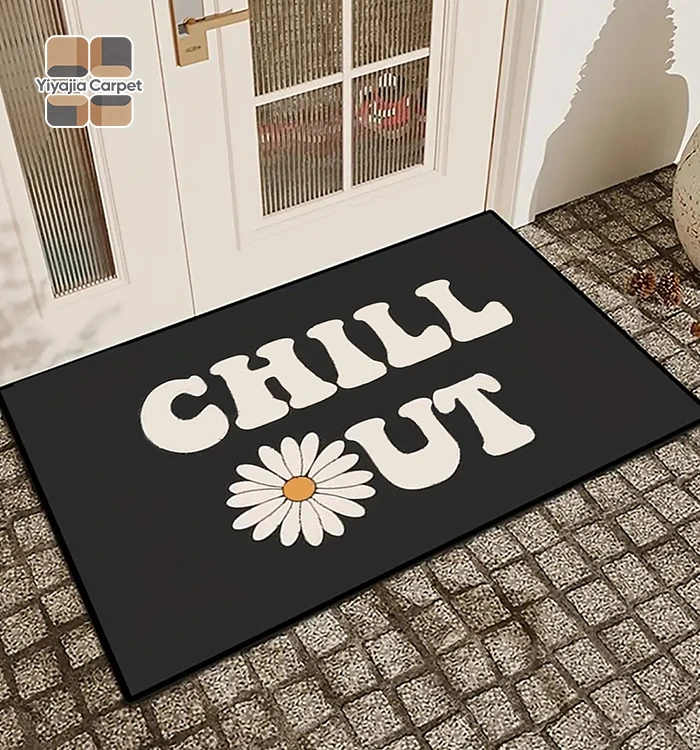
Utility door mats and decorative door pieces are different in how they work because of engineering goals. Decorative mats focus on looking nice with holiday or message prints, but they usually can't hold much dirt and have thin backings that are easy to move. Every part of a utility mat is meant to work well: the rough surfaces are good for scraping, the heavy weight of the face keeps it from being crushed, and the backing systems are made to be put down permanently instead of just for decoration.
Mats that can stand up to steady foot traffic, forklift traffic, and wheeled cart traffic are needed in industrial and business settings. The strengthened backing on professional-grade utility mats spreads weight evenly across the whole mat surface. This keeps decorative mats from getting permanently deformed and dented after just a few weeks of heavy use. This level of structural stability is very important when choosing mats for places like warehouses, factories, and distribution centers where equipment is always moving.
Eco-Friendly Options and Custom Branding Opportunities
As companies try to get environmental licenses and meet their business responsibility goals, sustainability issues are becoming more and more important in their buying decisions. Our OEKO-TEX-certified materials are made with chemicals that meet strict standards. This makes sure that no dangerous chemicals leak into wastewater when they are cleaned or break down into environmental pollutants when they are no longer useful. The baby-safe label isn't just for homes; it also shows a commitment to occupant health that strikes a chord with forward-thinking building managers and business leaders.
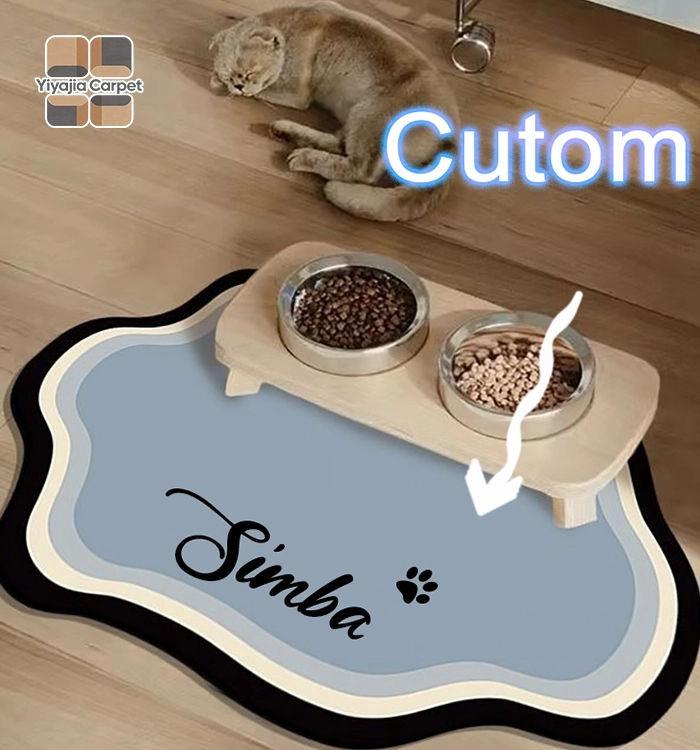
Adding a name to a practical mat makes it a marketing tool with custom branding. With heat transfer technology, logos, safety messages, or business names can be printed in full colour right on the mat surface. This customisation keeps all of the original features while increasing the brand's visibility at all entrances to the building. Precision laser cutting can handle odd forms and exact measurements, making sure that the pieces fit perfectly in tricky architectural areas where standard sizes don't work.
Because only 50 pieces need to be customised, small and medium-sized businesses can use professional branding without having to commit to huge amounts of merchandise. This adaptability is especially helpful for online sellers, small stores, and regional distributors who need branded entryways but don't have the money to pay for them the way standard makers do. Because image customisation can be done in just seven days, projects can be launched quickly and holiday campaigns can be run without having to wait for long lead times.
How to Maintain and Clean Utility Door Mats with Non-Slip Backing for Longevity?
Material-Specific Cleaning Methods
Depending on the surface and backing type, the right way to clean it will be different. Synthetic fibre mats can handle rough cleaning methods that would damage natural fibre mats. Regular cleaning gets rid of loose dirt before it gets stuck in the fibres. This should be done every day in business areas with a lot of foot traffic and once a week in areas with less traffic. The machine-woven design with edge locking can handle industrial vacuum equipment without snagging or coming apart, unlike pleated options that lose fibres all the time.
How deep you need to clean depends on how much dirt is on the surface and the conditions of the area. Every three to six months, hot water extraction is used to refresh synthetic fibre mats without damaging the backing. Extreme temperatures and water damage natural rubber, but the TPR thermoplastic rubber backing doesn't break down. When cleaned with extraction, the backing keeps its grip without getting softer or leaving dust on the floor, which happens a lot with low-quality vinyl-backed goods.
Chemical consistency is important to think about when choosing cleaning products. Our materials are CE/ROHS approved and can handle normal industrial cleaning solutions without losing their colour or structure. Stay away from chemicals that come from petroleum, as they break down rubber backing materials and cause them to fail early. Neutral pH cleaners are good at getting rid of organic dirt and greasy leftovers that are common in industrial settings while still protecting the surface fibres and backing materials of the utility door mat.
Inspection and Maintenance Best Practices
Visual checks done on a regular basis find wear patterns before they get in the way of the mat's function. Edge curling means that the backing isn't working and causes trip risks that need to be fixed right away. This common way that utility mats fail is stopped by their reinforced edges, but environmental factors like too much wetness or cleaning chemical contact can speed up wear and tear on even the best products. Regular checks of high-traffic areas once a month and moderate-traffic areas every three months set standard expectations and set off timely actions.
Checking for delamination between the top material and backing layer is part of assessing the backing's soundness. If you press hard on different parts of the mat, you should feel springy resistance. If you don't, you should hear cracking sounds or see soft spots. When this happens, it's usually because the vulcanisation wasn't done right during production or the material was exposed to cleaning agents that don't work well with it. As part of our quality control procedures, we test the tuft bind strength according to ASTM D1335 standards. This makes sure that the fibres stay in place even after hundreds of cleaning cycles.
Procurement Guide: Buying Utility Door Mats with Non-Slip Backing for B2B Clients
Specification Evaluation for Bulk Purchasing
For business-to-business purchases, technical specs must be carefully examined to make sure they meet operational needs. To choose the right size, you must first measure the entry zones and figure out how many feet of walk-off space are needed for effective dirt removal. Standard sizes don't always fit perfectly, so being able to customise is an important factor in choosing a provider. Our different sizes can be used to fit specific building dimensions without affecting performance or leaving gaps that aren't useful for the mat's purpose.
Choice of material strikes a balance between original cost and effectiveness over time. As an initial investment, natural fibre mats are less expensive, but their shorter lifespan and higher upkeep needs often make the total cost higher. When replacing them every three to five years, synthetic choices with thermoplastic rubber backing are more cost-effective. The daily production capacity of 2000 square meters guarantees a steady supply for big projects, without having to worry about allocation or long lead times that throw off building plans for the utility door mat.
Budget concerns go beyond unit price and include things like managing supplies and shipping reliability. Foldable packing choices keep mats safe during shipping and lower the cost of freight for big orders. The export-grade packaging can handle the stresses of foreign shipping and arrives at its target sites ready to be put together. This clever packaging cuts down on the costs of handling and the time needed for damage claims and new packages.
Supplier Credibility and Certification Requirements
Manufacturer certifications directly show how well they can control quality and follow regulations. ISO 9001 certification shows that the company uses organised quality management methods to make sure that each batch is the same. This is very important for multi-location rollouts that need the same goods at dozens or hundreds of sites. The certification shows that there are written processes, regular checks, and practices for ongoing growth that keep the number of defects and deviations from specifications to a minimum.
REACH compliance is necessary when selling to European markets because it limits the amount of dangerous chemicals that can be used, which could lead to imports being turned down or fines from the government. Our wide range of certifications, such as CE marking, ROHS compliance, and EN 1350 flame protection ratings, removes any doubts about compliance in markets around the world. This feature of multi-market certification is especially helpful for selling and trade businesses that serve a lot of different areas from a single inventory, because it saves them the trouble of keeping separate product lines for each legal environment.
Professional makers are different from commodity sellers because they have better customer service facilities. Long-term customers are given dedicated business liaisons who make sure that production schedules are prioritised and that customers are kept informed about the state of their orders, shipping plans, and delivery coordination. The unique after-sales service plan offers ongoing technical help, replacement parts, and suggestions for improving the product based on data from its use in the field. Instead of seeing each exchange as a separate event, this partnership method makes sure that the supplier's goals are aligned with those of the customer.
Customization Options and Order Parameters
Because you only need to order 50 pieces to customise the size and colour, professional-grade entrance options are now available to businesses that couldn't afford them before because traditional makers wanted 500 or 1000 piece minimum orders. This makes it easier for speciality stores, small hotel chains, and regional property management companies to get the custom solutions they need without having to buy too much inventory. The MOQ structure works well for all sizes of businesses. Bigger companies get better deals when they buy in bulk, and smaller businesses can still get the same customisation options at fair prices.
Adding a logo through heat transfer printing works with any pattern complexity and doesn't cost extra for setup or plate fees that drive up project costs. The technology can make pictures, gradient colours, and fine text look like photos in a way that standard weaving or tufting methods can't. This feature makes it possible for complex branding to be used in entrance areas, turning them from purely useful places into brand experience centers. Customising an image can be done in just seven days, which means that it can be used for quick project starts and holiday campaigns without the long lead times that come with custom manufacturing.
Being clear about lead times helps build trust and makes it possible to plan projects correctly. The advanced production schedule system gives accurate delivery promises based on how much capacity is being used at the moment, instead of overly optimistic predictions that lead to delays and rushed shipping. A daily capacity of 2000 square meters can handle large project loads without taking resources away from other responsibilities. International buyers don't have to worry about complicated procedures when they get help with their customs paperwork and clearance. This lowers the risk of being held up at the port and avoiding unexpected demurrage charges.
Practical Design Ideas and Use Cases for Utility Door Mats with Non-Slip Backing
Branding Integration Without Functional Compromise
At building entrances, colour psychology and design choice affect how people act. High-contrast colours and directional designs unconsciously direct foot traffic, which makes it easier to wipe the mat's surface clean all the way across. Our heat transfer method makes vivid colours that stay strong through years of use and cleaning, unlike screen printing, which fades after a few months of UV light and cleaning chemicals.
Strategies for placing logos make brands more visible while keeping the soil's protection function. In building lobbies, square or rectangular mats work well when placed in the middle, while runner configurations work best when placed off to the side in halls and passageways. With laser cutting, you can make unique shapes that fit architectural features like curved greeting desks, angled entry alcoves, or irregular entryway dimensions. This way, you can be sure that there are no gaps or overlaps that affect the look or performance of the product.
Safety message integration does two things: it reinforces the company's safety mindset and lowers liability by making sure that hazards are communicated in a written way. Custom safety messages like "Watch Your Step," "Wet Floor," or other phrases can be added to mat designs to make them more stable in areas where people often trip and fall. This message is especially helpful for factories and building sites with foreign workers who need visual safety programs to go along with written ones for the utility door mat.
Real-World Implementation Across Industries
Forklifts and loading docks that are accessible from the outside put a lot of weight on the ground in warehouses and distribution centers. Heavy-duty utility mats with strengthened backing don't get crushed or deformed easily, which is what happens to smaller mats after just a few weeks. Soil barriers are strategically placed at dock doors, office entrances, and break room openings to protect expensive epoxy floor treatments from damage caused by rough surfaces. The quick-drying features keep moisture from building up, which would make places where food is stored or accessed from the freezer slippery.
In parts of factories where process water or cleaning operations make the air wet, moisture absorption is helpful. Putting them at equipment points, quality control areas, and the edges of administrative offices stops contamination from being tracked from the production zone to the clean zone. The chemical-resistant backing can handle being exposed to oils, coolants, and cleaning agents that are commonly used in welding and assembly. Because it lasts so long, it doesn't need to be replaced as often, which slows down production and drives up repair costs.
Entrance mats are an important part of complete building maintenance plans in commercial office buildings. Industry studies show that mats that are properly chosen and kept can cut down on cleaning costs by 65%. This is because mats catch dirt before it gets on expensive carpet tiles and hard surface floors. Customised mats with company logos look professional, which makes a good first impression while still doing their important job of protecting people. The materials don't smell and are safe for babies. They meet the higher indoor air quality standards that are being asked for in more LEED-certified buildings and health-conscious workplaces.
Conclusion
When choosing the right utility door mats with non-slip backing, you need to think about how well they work, how safe they are, and how much they will cost you overall. The long-lasting synthetic surfaces and thermoplastic rubber backing give years of reliable service while lowering the risk of slip-and-fall accidents and safeguarding floor investments inside buildings. Customisation options let you promote your brand without affecting the important functions of keeping soil in place and managing moisture. When purchasing managers look at different sources, things like certifications, production ability, and service infrastructure become more important than just price. The right relationship provides consistent quality, adaptable customisation, and quick help that fits with long-term business goals.
FAQ
Q1: How Does TPR Backing Compare to Traditional Rubber?
A: TPR thermoplastic rubber is more stable at low temperatures than natural rubber. It stays flexible in cold places where natural rubber cracks and becomes rigid. The material is better at resisting oil and chemicals than PVC options, so it doesn't break down as quickly, which is what happens when backing fails in industrial settings. TPR backing is also more stable in terms of its shape, keeping its grip qualities without warping or curling even after multiple wet-dry cycles and industrial washing for the utility door mat.
Q2: What Replacement Indicators Should Trigger Mat Renewal?
A: Upon visual review, several signs of needing replacement can be seen, including a crushed pile that doesn't spring back when compressed, obvious backing separation at edges or seams, permanent stains that can't be cleaned, and a mat that shifts around during normal use, which means it no longer has non-slip qualities. In business settings, performance usually starts to drop after three to five years, but heavy use or poor upkeep can speed up the wear.
Q3: Can These Mats Meet ADA Compliance Requirements?
A: Good utility mats have bevelled edges that make changes smooth and meet ADA guidelines that say vertical barriers can't be higher than 0.25 inches. The low-profile design lets wheelchairs and other mobility devices pass without causing trip risks or making it harder to get to. When installed correctly in recessed mat wells, flush transitions are perfect for public places, government buildings, and healthcare facilities that need to meet all mobility standards.
Partner with Yiyajia Carpet for Your Utility Door Mat Supply Needs
Yiyajia (Tianjin) Carpet Co., Ltd. uses cutting-edge production technology and easy customisation to meet a wide range of B2B buying needs. We can make unique designs, logos, and sizes for utility door mats that other companies can't match thanks to our heat transfer printing and precise laser cutting. The wide range of certifications, such as CE, ROHS, OEKO-TEX, ISO 9001, REACH, and EN 1350, makes sure that all global markets follow the rules. This makes it easier for international trade and wholesaler businesses to buy goods.
The daily production capacity of 2000 square meters supports large project volumes with reliable delivery times. The 50-piece minimum order number makes professional customisation easy for businesses that are growing. As part of quality assurance procedures, the whole process is inspected, and the backing is built to last for years of business use. Email our team at sale@yyj-carpet.com to talk about your unique needs and get samples that show the difference in quality between reliable utility door mat providers and generic ones.
References
1. National Floor Safety Institute. "Commercial Entrance Matting Systems and Slip Resistance Standards." Building Safety Quarterly, 2022.
2. Textile Research Journal. "Comparative Analysis of Synthetic and Natural Fiber Performance in High-Traffic Floor Coverings." Volume 89, Issue 4, 2021.
3. International Facility Management Association. "Cost-Benefit Analysis of Entrance Matting Systems in Commercial Buildings." Facility Management Journal, 2023.
4. American Society for Testing and Materials. "ASTM D1335: Standard Test Method for Tuft Bind of Floor Coverings." Annual Book of Standards, 2022.
5. Building Owners and Managers Association. "Best Practices for Entrance System Specification and Maintenance." Property Management Guidelines, 2023.
6. Clean Tech Institute. "Soil Containment Efficiency and Interior Maintenance Cost Reduction Through Strategic Mat Placement." Environmental Services Research, 2022.