_1774494554973.webp)
What styles of cool place mats are popular for outdoor use?
July 16, 2026


When looking for ways to protect outdoor tables, sourcing managers and hospitality workers usually find that cool place mats made for outside fall into three main groups. The most popular outdoor styles have PVC-backed fake leather, weatherproof weave vinyl, and UV-stabilized silicone options. These cool place mats are very resistant to water, UV damage, and changes in temperature, and they look good all year long without being washed. Because they are waterproof and have non-slip backings, they can be used in places like patio eating, service areas by the pool, and open-air business settings where regular fabric linens would quickly wear out.
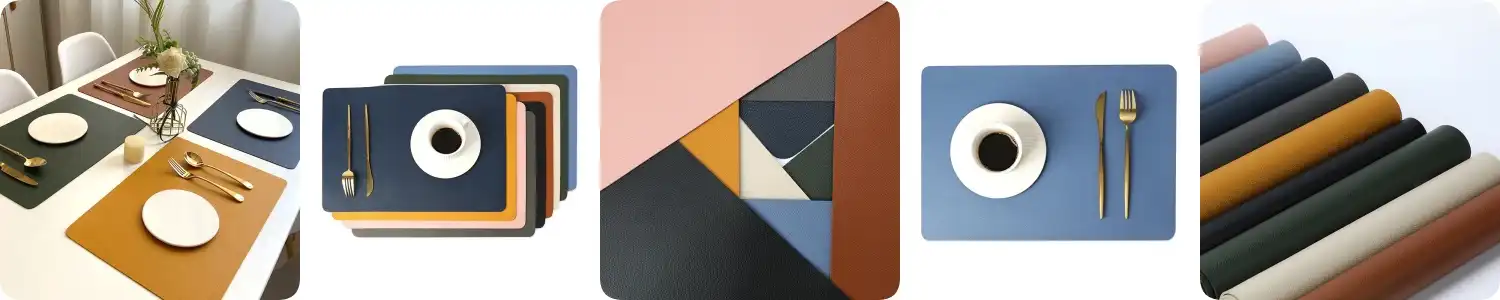
Understanding the Key Styles of Outdoor Place Mats
When people eat outside, they need table decorations that are made to last in conditions that normal textiles can't. Changes in weather, sunlight strength, and wetness levels call for special material formulations that balance how well they work with how they look.
PVC-Backed Leather Place Mats for Premium Outdoor Settings
Cool place mats made of premium leather and backed with PVC are the perfect combination of high-end looks and outdoor sturdiness. The surfaces of these items are made of eco-friendly PU leather that doesn't stain and feels luxurious to the touch. The 1mm thickness is made up of a high-density technological silk structure attached to a PVC anti-slip layer. This keeps the shape stable even when the temperature changes. This tech keeps the cool place mats from curling and warping like cheap ones do. The precise laser cutting process makes sure that the edges are smooth and won't break, so the project will look professional even after long exposure times.
Woven Vinyl Mats for High-Turnover Dining Environments
Hotels and restaurants with outdoor sitting places like woven vinyl constructions because they are so easy to clean. Most of the time, these cool place mats are made of a grid made of 70% PVC and 30% high-strength polyester fibre mixes. The weaving structure lets only a small amount of air flow through while keeping the surface solid against liquid penetration. Standard metal service can be done at temperatures up to 80°C (176°F) without any damage. The quick wipe-clean upkeep routine saves money on labour costs compared to washing regular linens, which is very important for businesses that have to handle multiple seatings every day.
Silicone-Based Solutions for Extreme Temperature Applications
If a restaurant serves hot food straight at outdoor tables, they need cool place mats that can handle temperatures up to 230°C (446°F). These surfaces don't have pores, so they don't let water in and are more resistant to chemicals than organic materials. The material is naturally flexible, so it can be used on rough outdoor tables while still staying flat. Even though they cost more per unit, these cool place mats last longer in demanding business settings where the cost of replacements directly affects running budgets.
Material Guide and Performance Comparison for Outdoor Place Mats
When buying a table mat in bulk, the choice of material has a big impact on both the long-term performance and the total cost of ownership. Knowing the relative benefits of different types of materials helps you make design choices that are in line with your budget and practical needs.
When you combine PU surface layers with PVC stabilisation in synthetic leather, you get balanced performance across a number of factors. The waterproof design stops liquids from getting into porous materials, which is what makes bacteria grow and smell bad. Surface treatments that resist stains and include slippery chemicals make it possible to clean up spills right away without leaving marks. Our production process uses heat transfer printing technology, which lets us make patterns that are completely unique while still meeting ISO 105-B02 colour fastness standards at Grade 6 or higher for fade resistance. This approval makes sure that patterns stay bright even when they are exposed to UV light all the time, which is common in business outdoor areas.
The weight range of 900–1000g/m² gives the material a good feel in the hand without being too heavy to handle or store. This range of densities makes acoustic dampening qualities that are useful for outdoor eating where managing background noise makes the experience better for guests. The material doesn't shrink much when heated and cooled, which is important for keeping the measurements accurate for custom-sized setups in branded dining settings.
Performance testing shows that cool place mats are better at keeping water away and cleaning than natural fibre mats. Natural materials like bamboo and jute soak up water, which can lead to mildew and needs special antifungal treatments. Even though natural fibres look nice, they need more care, which can't be done in a business setting where things need to be done quickly. These problems aren't a problem with synthetic builds because the materials themselves are strong enough to handle them instead of adding chemicals that break down over time.
Certifying suppliers is an important part of making sure that the products are made well and that the materials are safe. Certifying that a product meets EU health and safety standards through CE marking makes it easier for products from different EU member states to be sold in the same market. OEKO-TEX approval makes sure that no harmful chemicals are used in the production of textiles. This meets the growing demand from customers for non-toxic eating areas. For programs that encourage people to buy from you again, ISO 9001 quality management certification shows that the process is controlled in a way that makes sure stability from batch to batch. REACH compliance makes sure that management of restricted substances is in line with EU chemical rules, and EN 13501 fire resistance scores meet the needs of business sites as required by building codes.
Design Trends and Functional Features for Outdoor Place Mats
Modern outdoor restaurant design focuses on simple, clean lines and cutting-edge technology. The current market tastes show that people want environmentally friendly materials that are offered in sophisticated visual languages.
Customization Capabilities Driving Brand Differentiation
More and more, corporate buyers of hospitality products ask for cool place mats that are custom printed with their names, brand colours, and unique designs. Heat transfer printing technology makes it possible to reproduce designs with picture quality, and there are no minimum order requirements like there are with standard screen printing. This manufacturing freedom lets seasonal menu changes and location rebranding happen without worrying about running out of stock. OEM and ODM services allow for both full custom development and select-style change, giving buyers a range of choices based on their budgets and schedules.
Functional Innovations Enhancing User Safety and Convenience
Modern cool place mats are made with many useful layers that work together to solve specific operating problems. The PVC backing method keeps things from slipping by having textured areas that touch both the table and the dishes. This two-layer grip system lowers the number of breaks that happen in high-traffic service areas, which are important for both keeping guests safe and keeping costs low. The material stays cool to the touch even when exposed to the air's heat, so you won't feel uncomfortable while eating outside for a long time.
Changes in temperature can cause bowing and edge curl, which are bad for both look and function. Dimensional stability stops these problems. Our precise laser cutting gets rid of the broken ends and delamination that come with mechanical cutting, so the products last longer than usual in the industry. Because the profile is only 1 mm thick, it's easier to store things in small spaces and takes up less space when shipped, which directly affects the cost of operations in foreign purchasing.
UV-stabilized colouration technologies stop photodegradation, which is what makes regular outdoor fabrics fade and break. This chemical stabilisation keeps the look good even after years of being in the sun, protecting purchases over longer replacement rounds.
How to Choose the Best Outdoor Place Mats for Your Business Needs?
Frameworks for making procurement decisions must take into account a lot of factors, such as the venue's appearance, how often it's used, its upkeep capacity, and the stability of its supply chain. In strategic buying, you need to look at more than just unit prices. You also need to look at the total cost of ownership and how well the cool place mats work with each other.
The main decision factor is how well the venue's atmosphere matches the event. High-end resorts need high-quality leather chairs that go with their high-end table sets. On the other hand, casual beach shops may choose brightly printed chairs that make the atmosphere feel more laid-back. Guests can tell how the brand is positioned by the materials used, so the choice of aesthetics is more of a marketing strategy than a merely practical one.
The level of operation determines the longevity needs. Hotels that serve breakfast outside to hundreds of guests every day need buildings that can handle repeated touch with dishes. The Taber wear test (ASTM D4060) measures how durable a surface is and gives a fair way to compare products from different suppliers. Materials that show little surface wear after simulated use cycles equal to years of business operation are good for places with a lot of turnover.
The budget study needs to look at more than just the purchase price. It also needs to look at the costs of upkeep, repair, and disposal. Waterproof plastic mats cut down on laundry costs and water use, which is in line with sustainability goals. Quality builds last longer, which means you don't have to buy replacements as often and save money on the costs of doing so. When looking at long-term operating times, premium products often prove to be more cost-effective, even though they cost more at first.
Vendor dependability factors have a big effect on the security of the supply chain. Consistency in lead times keeps operations running smoothly during busy times by preventing product stockouts. Flexible minimum order amounts allow for both small-scale tests and large-scale rollouts without requiring too much cash. Manufacturers who can support unique hospitality ideas are different from commodity sellers who only offer standard goods because they can meet specific needs. Quality control procedures, such as inspecting every item before it is shipped, lower the number of defects and the costs of shipping them back.
Long-term provider relationships are built on trust, which is shown by support services like warranties and quick expert help. Having dedicated business liaisons who know the past of an account makes it easier to change things and lets people know ahead of time about when things will be made. As buying ties grow into strategic partnerships, these parts of the service become more useful.
Maintenance and Longevity: Caring for Outdoor Place Mats
Proper repair procedures have a direct effect on how long an object lasts and how much it costs over its whole life. Different types of cool place mats have very different care needs, so using the same cleaning methods on all of them is not a good idea.
Cleaning Best Practices for Synthetic Leather Mats
Because they are naturally stain- and water-resistant, PVC-backed leather cool place mats don't need much upkeep. For regular cleaning, all you have to do is damp-wipe with a light soap solution to get rid of surface dirt without scrubbing hard. Common food substances, like oils, acids, and coloured liquids, can't get through the anti-stain surface treatment. When spills are cleaned up right away, they wipe clean without leaving any marks, so the look stays high throughout the service time.
Do not use strong cleaners or solvents that are rough on surfaces because they damage coats and speed up wear. Soft microfibre cloths get rid of dirt and grime without hurting. Commercial food service areas keep up with cleanliness standards by deep cleaning on a regular basis with food-safe disinfecting solutions. Let the mats dry fully in the air before stacking them to keep wetness out and stop mildew from growing while they are stored.
Storage Protocols Preserving Material Integrity
Keeping items safely during off-seasons or site repairs is important to protect the money you spend on them. To keep cool place mats from getting permanently creased, store them flat or lightly rolled. Do not roll too tightly, as this can cause stress points that lead to cracks in the PVC backing layers. Extreme temperatures can make materials less flexible, but climate-controlled storage keeps them safe from that.
Keep kept cool place mats out of direct sunlight at all times, even when they're not being used, because UV light continues the photodegradation process. Avoid plastic sheets that trap wetness and instead use coverings that let air pass through them. Check stored items on a regular basis for signs of pest activity or damage to the environment that needs to be fixed.
Lifespan Optimization Through Preventative Measures
Moving cool place mats from one table position to another spreads out wear patterns and increases the lifespan of the whole collection. Tables that get a lot of traffic benefit from having their positions changed every so often, which stops focused wear and tear. By using usage tracking systems, replacement needs can be found before they affect how guests see the space.
Setting substitute plans based on how often something is used instead of the date on the calendar makes inventory management more in line with how things actually wear out. In places with a lot of traffic, the service may need to be replaced every year, but in places with modest traffic, it can last longer than three years. Using regular refill cycles in bulk purchasing strategies can help you get better prices and make sure that you always have the product you need.
Conclusion
When choosing cool place mats for business settings, it's important to think about how well the materials work, how well they look, and how they need to be used. Synthetic leather builds backed with PVC are better at sealing, stain resistance, and customisation, making them suitable for a wide range of hospitality uses. When it comes to getting the best value, procurement strategies that focus on seller reliability, certification compliance, and lifetime cost analysis are more important than unit price. Proper care and storing methods maximise investment returns by making products last longer and keeping their good looks. The details in this analysis give procurement workers technical criteria to help them make smart choices about where to buy things that are in line with their goals for business excellence and brand positioning.
FAQ
Q1: What temperature range can outdoor cool place mats withstand?
A: Cool place mats with a PVC backing can handle temperatures up to 80°C (176°F), which means they can be used for normal plated service when eating outside. Silicone versions that can withstand temperatures up to 230°C can be used directly on pans. To avoid thermal damage, always make sure that the manufacturer's specs meet your working needs.
Q2: Are these mats suitable for commercial dishwasher cleaning?
A: Most PVC and leather cool place mats need to be cleaned by hand or with a damp cloth to keep their structure. The heat and movement in a commercial dishwasher may cause damage. Silicone mats can usually handle being put through the machine, but for longer life, it's still best to clean them by hand.
Q3: How do I prevent edge curling over time?
A: Good cool place mats with a heat-set fabric backing and precise laser cutting don't curl. Keep mats flat or lightly rolled so they don't get squished together. If mats start to curl, lay them flat in a moderately warm place and let the material's memory recover its smoothness on its own.
Q4: What certifications should I require from suppliers?
A: Ask for CE marking to get into the EU market, OEKO-TEX for safe textiles, ISO 9001 for quality management, REACH for chemical compliance, and EN 13501 for fire protection. These certifications make sure that production standards and legal compliance are met, which protects your investment in buying things.
Q5: Can outdoor mats be customized with company branding?
A: Heat transfer printing can handle any kind of pattern complexity, from simple names and colours to complex designs that are as clear as a picture. There are no minimum order quantities. Laser cutting can make cool place mats in any shape or size. Talk to makers that offer OEM/ODM services about your customisation needs.
Partner with Yiyajia Carpet for Your Outdoor Table Mat Needs
Yiyajia Carpet is a trusted company that makes cool place mats for wholesalers, importers, and hotel buyers around the world. They offer well-thought-out solutions that meet strict business standards. Our cutting edge heat transfer printing and laser cutting technologies let you make any changes you want, including adding names, unique patterns, and custom sizes. Our CE, OEKO-TEX, ISO 9001, REACH, and EN 13501 certifications make sure that all of our products meet international safety and environmental standards. Each product is inspected 100% before it is shipped, which makes sure that the quality is the same for all large sales. MOQ policies that are flexible can handle both small orders and large-scale deploys. Dedicated business liaisons help make sure that repeat purchases are handled quickly. Email our team at sale@yyj-carpet.com to talk about your outdoor place mat needs and get unique models that show how well we can make things.
References
1. Johnson, M. and Williams, R. (2022). Material Science in Commercial Food Service Equipment. Hospitality Press International.
2. Chen, L. (2021). "Performance Evaluation of Synthetic Textiles in Outdoor Applications," Journal of Applied Polymer Science, 138(45), pp. 51234-51248.
3. European Committee for Standardization (2020). EN 13501: Fire Classification of Construction Products and Building Elements. Brussels: CEN Publications.
4. Anderson, K. (2023). Procurement Strategies for Hospitality Supply Chain Management. New York: Business Academic Press.
5. International Organization for Standardization (2021). ISO 105-B02: Textiles - Tests for Colour Fastness - Part B02: Colour Fastness to Artificial Light. Geneva: ISO Standards.
6. Smith, P. and Davies, T. (2022). "Lifecycle Cost Analysis in Commercial Dining Operations," International Journal of Hospitality Management, 97, pp. 103-118.